
Last Updated on July 27, 2026 by Daniel Globe
Madagascar’s weather changes sharply by region, so there is no single perfect month for every itinerary. The east is wetter, the west and south are drier, and the central highlands can become cold at night. Wildlife activity also changes through the year, making the best travel period dependent on what you hope to see and where you plan to go.
Quick Answer
For most travelers, the best time to visit Madagascar is from April to October, with September and October offering the best balance of dry roads, warmer temperatures, wildlife activity, and beach weather. Choose July to September for humpback whales and September to December for whale sharks near Nosy Be.
Key Takeaways
- Best overall months: September and October offer warm weather, generally accessible roads, active wildlife, and good beach conditions.
- Dry-season travel: April or May through October is usually best for hiking, overland routes, national parks, and first-time visits.
- Humpback whales: Plan for roughly June through September, especially around Île Sainte-Marie and parts of the northeast coast.
- Whale sharks: September through December is the main observation period near Nosy Be.
- Wet-season wildlife: Reptiles, amphibians, insects, orchids, and rainforest activity can be rewarding, but rain and road disruption are more likely.
- Cyclone planning: The broader risk period runs from November through April, with January through March often presenting the greatest itinerary disruption.
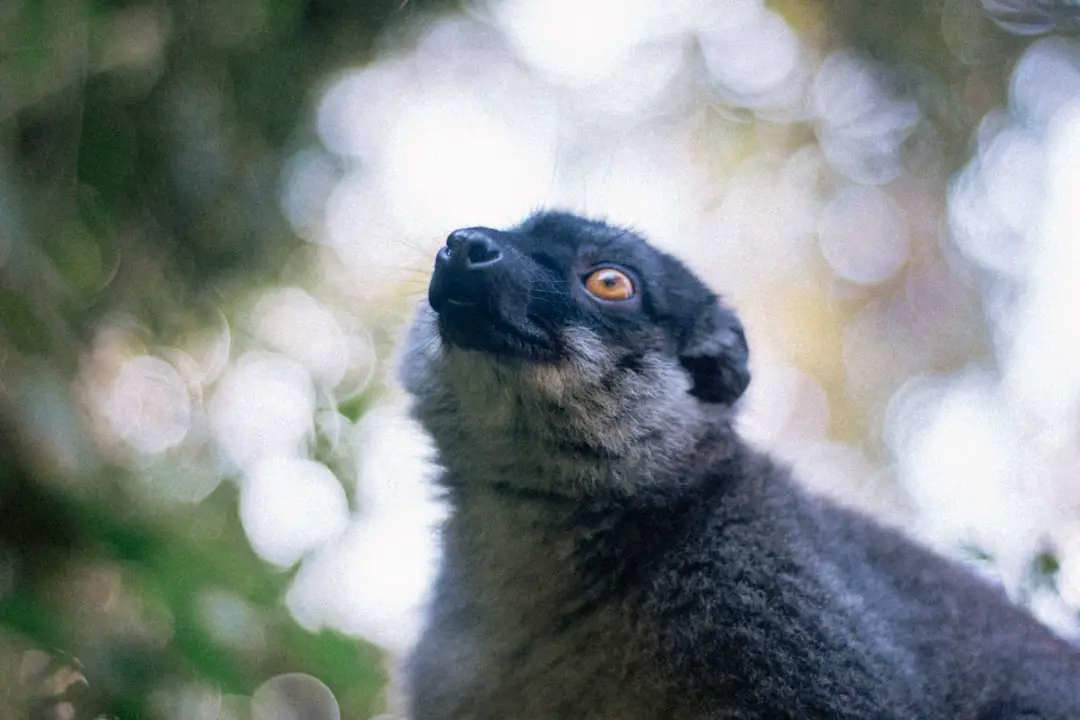
Madagascar is one of the world’s most important biodiversity hotspots. Research summarized by the Royal Botanic Gardens, Kew estimates that about 82% of its described native vascular plants and 90% of its native terrestrial and freshwater vertebrates are endemic. Lemurs, many chameleons, and six of the island’s seven native baobab species occur naturally nowhere else.
This biodiversity developed through a long period of isolation. Madagascar separated from Africa while still connected to India and later separated from India roughly 88 million years ago. Its culture is equally diverse, shaped by African, Austronesian, Arab, Asian, and European influences and commonly described in terms of 18 major Malagasy ethnic groups.
Disclosure: As an Amazon Associate I earn from qualifying purchases. Some links on this page are affiliate links, at no extra cost to you.
Weather and Climate in Madagascar
Madagascar has a warm, rainy season and a cooler, drier season, but the dates and intensity vary by region. The Madagascar National Tourism Office broadly describes April through October as the dry season and November through March as the rainy season. Some travel guidance extends the wet and cyclone-risk period through April.
| Region | Typical Conditions | Planning Consideration |
|---|---|---|
| East coast and eastern rainforest | Humid and rainy for much of the year, with heavier rain during the warm season. | Carry rain protection even in the dry season. Trails can be muddy around Andasibe, Ranomafana, and other rainforest areas. |
| Central highlands | Milder daytime conditions with cool or cold nights during the austral winter. | Pack a warm layer for Antananarivo, Antsirabe, and high-elevation trekking from June through August. |
| West | Hotter and drier than the east, with strong seasonal changes in road access. | Dry months are usually best for Tsingy routes, Kirindy, and the Avenue of the Baobabs. |
| North and northwest | Warm and humid, with tropical rain during the wet season. | Nosy Be has a long beach season, but marine visibility, wind, and rainfall still vary by month. |
| South and southwest | Generally dry or semi-arid, with less rainfall than the east. | Heat, drought, wind, and long overland distances may matter more than rainfall. |
Warning: Cyclones, flooding, landslides, flight changes, and impassable roads can affect travel from November through April, particularly from January through March. Check Météo Madagascar weather alerts, your airline, and individual park-access information before traveling.
Best Time to Visit Madagascar by Travel Goal
| Travel Goal | Best General Period | Why |
|---|---|---|
| First-time multi-region trip | September–October | Warm days, generally favorable roads, active wildlife, and good beach weather. |
| Hiking and overland travel | May–October | Lower rainfall usually improves trail and road access. |
| Lemurs and baby lemurs | September–November | Warmer weather increases activity, and young lemurs may be visible in several species. |
| Birdwatching | September–December | Many birds become more vocal and active during the breeding period. |
| Reptiles, frogs, and rainforest life | November–March | Warmth and moisture increase activity, but travel disruption is more likely. |
| Humpback whales | June–September | Whales migrate to Malagasy waters to breed and calve. |
| Whale sharks near Nosy Be | September–December | Seasonal feeding aggregations occur in the waters around Nosy Be. |
| Lower crowds and shoulder-season value | April–June or November | These periods may offer a better balance of availability, weather, and price than peak months. |
Madagascar Month-by-Month Travel Guide
January to March: Wettest and Most Disruptive Period
January through March is generally the most difficult period for a complex overland itinerary. Tropical rain can damage roads, delay flights, close trails, and make some national parks inaccessible. Cyclones are also more likely during this period, particularly along the eastern side of the island.
The season is not without rewards. Rainforests are green, orchids may flower, waterfalls are full, and reptiles and amphibians become more active. Travelers considering these months should use a simple route, choose flexible reservations, and avoid tight connections.
April to May: Green Shoulder Season
Rain usually begins to ease during April, although conditions vary by year and region. Landscapes remain green, visitor numbers are often lower than during the main dry-season peak, and roads gradually improve.
May is a strong choice for hiking, wildlife viewing, and multi-region travel before the coolest winter nights arrive in the highlands. Remote western routes should still be confirmed locally after a particularly wet season.
June to August: Cool, Dry, and Popular
June through August brings cooler and generally drier weather to much of Madagascar. It is a reliable period for hiking, national parks, western routes, and humpback whale watching.
The central highlands can feel cold before sunrise and after sunset. Beach destinations remain warm, but wind and sea conditions can differ between the east, northwest, and southwest coasts.
September to October: Best Overall Balance
September and October are the strongest all-round months for many travelers. Roads are generally accessible, temperatures begin to rise, birds become more vocal, reptiles become easier to find, and young lemurs may be visible.
September can still overlap with humpback whale season, while both months offer good conditions for hiking, photography, beaches, and broad wildlife itineraries. Popular lodges and guides may book early.
November to December: Active Wildlife with Increasing Rain
November is warm and can be excellent for birds, lemurs, reptiles, and night walks. It also overlaps with whale shark season near Nosy Be. Rain and humidity usually increase as the month progresses.
December may still work for focused regional trips, but longer road journeys become less predictable. Travelers should build spare time into the itinerary and monitor cyclone forecasts.
Best Time to Visit Madagascar for Wildlife Viewing
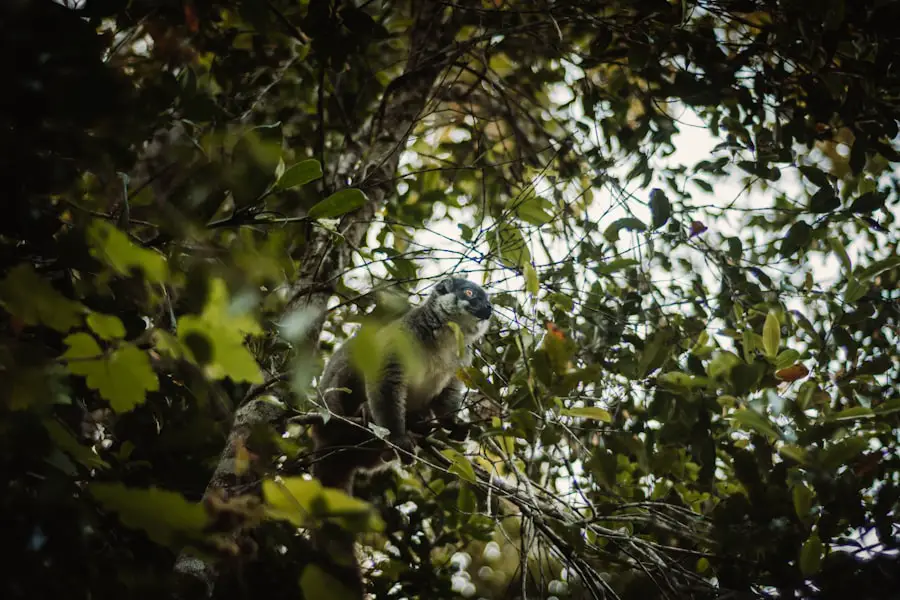
The best wildlife period depends on the species. May through October usually offers easier road and trail access, but it does not mean every animal is most active during those months. September through November often provides the best compromise between accessibility and warm-season wildlife activity.
Lemurs
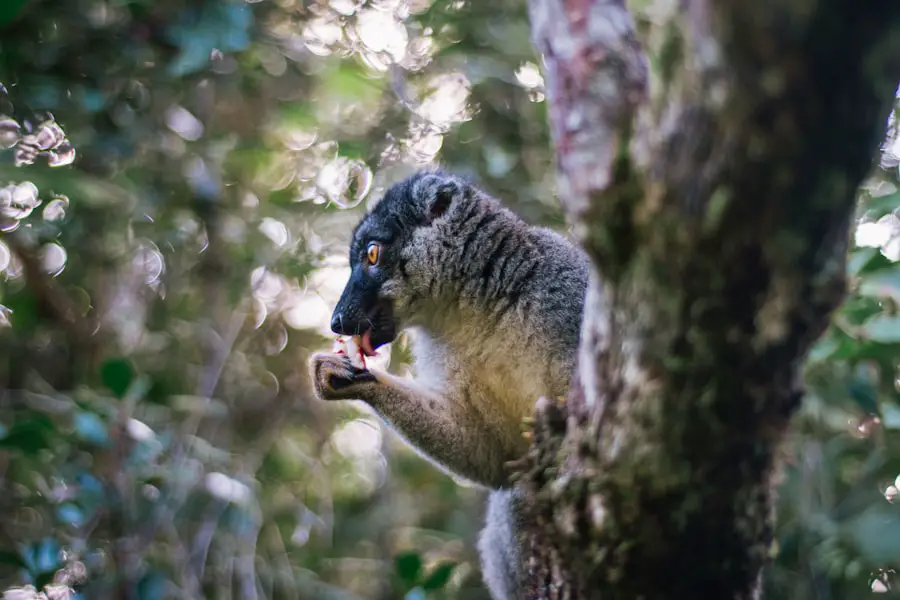
Lemurs can be seen throughout the year in suitable parks and reserves. September through November is especially appealing because conditions are warmer and several species may have young. October is often recommended for travelers who want a broad wildlife experience, although birth timing varies by species and location.
Andasibe-Mantadia is known for the indri, whose far-carrying calls are often heard in the morning. Ranomafana supports several lemur species and receives rainfall throughout much of the year, so visitors should be prepared for wet trails in any season.
Birds
September through December is usually rewarding for birdwatching because many resident species are breeding, vocal, or displaying. Dedicated birding trips should be planned around specific habitats because Madagascar’s eastern rainforest, dry western forest, wetlands, and southern spiny forest support very different species.
Chameleons, Reptiles, and Amphibians
Reptiles and amphibians often become easier to find as temperatures and humidity rise from November into the rainy season. This can be an excellent period for specialist wildlife photographers, but it comes with a greater risk of storms, muddy trails, and transport disruption.
Pro Tip: Choose your month after identifying the two or three species or habitats that matter most. A dry-season itinerary optimized for western parks may not be the best plan for frogs, chameleons, orchids, or eastern-rainforest photography.
Ideal Season for Beach and Water Activities in Madagascar
| Month | General Coastal Conditions | Best For | Planning Note |
|---|---|---|---|
| June | Generally drier and cooler | Beaches, snorkeling, early whale season | Wind and sea conditions vary by coast. |
| July | Cool, dry-season conditions | Humpback whales and beach stays | A popular month, so book key lodges early. |
| August | Dry and often busy | Whale watching, diving, and family travel | Highland mornings and evenings can be cold. |
| September | Warmer with generally favorable access | Beaches, late humpback season, and early whale shark season | One of the best months for combining coast and wildlife. |
May through October is generally reliable for beach stays, snorkeling, diving, and island excursions. Nosy Be and its surrounding islands are popular for warm water, reefs, turtles, and seasonal marine megafauna. Île Sainte-Marie is best known for humpback whale excursions during the austral winter.
Humpback whales migrate to Malagasy waters to breed and calve, with June through September forming the main general observation window. Whale sharks feed near Nosy Be mainly from September through December.
Marine sightings are never guaranteed. Weather, visibility, currents, and animal movement can change daily. Choose an operator that follows Madagascar’s marine-megafauna approach rules and avoids chasing, touching, feeding, or crowding animals.
The best coastal month depends on the experience: July and August favor humpback whales, while September through December is the key whale shark period near Nosy Be.
Cultural and Festive Seasons in Madagascar
Madagascar’s cultural calendar includes music festivals, harvest traditions, religious celebrations, national holidays, and family ceremonies. Event dates can change from year to year, so travelers should verify the current schedule rather than booking around an old calendar.
Famadihana
Famadihana, often translated as “turning of the bones,” is an ancestral ceremony associated particularly with some communities in the central highlands. Families may open a tomb, rewrap ancestral remains in new shrouds, and gather for music, food, remembrance, and celebration.
These ceremonies are commonly held during the dry austral winter, often between June and September or October. They are family occasions rather than regularly scheduled tourist performances. Visitors should attend only when invited or when a trusted local host has received permission.
Donia and Other Public Festivals
The Donia festival on Nosy Be is known for music, dance, and regional cultural performances. However, its dates and format can change. The same caution applies to film festivals, whale festivals, carnivals, and local music events: confirm the official schedule for the year of travel before buying flights.
Rice-Harvest Traditions
Santabary refers to traditions connected with the first rice harvest and expressions of gratitude. Timing and observance vary by locality, the agricultural calendar, and community practice. It should not be treated as a fixed nationwide festival occurring on the same date each year.
Note: Ask before photographing people, tombs, religious practices, or ancestral ceremonies. Follow the guidance of your host or local guide, dress respectfully, and avoid treating a private family event as a public attraction.
Tips for Traveling During Peak and Off-Peak Seasons in Madagascar
Peak Dry Season
July through October is popular because many roads and trails are more dependable, wildlife itineraries are easier to organize, and whale watching overlaps with the school-holiday period. Well-located lodges, specialist guides, and domestic flights can fill early.
Book the most important parts of the itinerary first, especially limited-capacity rainforest lodges, western park access, marine excursions, and private vehicles. Avoid planning long road transfers on the same day as an international flight.
Shoulder Season
April through June and November can offer good value and fewer visitors. April and May retain green landscapes after the rains, while November offers warm temperatures and active wildlife before the wet season becomes more established.
Shoulder-season travelers should confirm road conditions after heavy rain and use flexible cancellation terms where possible.
Wet and Cyclone Season
Travel from January through March can be rewarding for specialist rainforest interests but is less suitable for a first trip covering several remote regions. Some parks, lodges, roads, or marine operations may close temporarily.
Keep the route simple, avoid nonrefundable back-to-back bookings, and maintain at least one spare day before the international departure.
Pro Tip: Madagascar is much larger and slower to cross than it looks on a map. Choose two or three regions for a typical trip rather than losing several days to difficult road transfers.
Considerations for Budget-Friendly Travel to Madagascar
Madagascar can accommodate different budgets, but the least expensive option is not always practical for a short wildlife itinerary. Long distances, rough roads, limited departures, and weather disruption can increase both travel time and unexpected costs.
Using Taxi-Brousse
Taxi-brousses are shared minibuses that connect many towns and cities. They are usually cheaper than private transfers and provide a close look at everyday travel in Madagascar. However, they may be crowded, schedules can be uncertain, vehicles may be poorly maintained, and luggage security requires attention.
A taxi-brousse may suit flexible travelers with plenty of time. A reputable private driver or organized transfer is often a better choice for remote parks, early departures, valuable camera equipment, or routes that should not be driven after dark.
Warning: Road conditions range from acceptable to very poor, emergency support is limited outside major cities, and night driving adds risk. Use transport arranged by a reputable hotel, guide, or licensed operator when possible.
Accommodation and Food
Locally owned guesthouses and small lodges can reduce costs while keeping more tourism income within the community. Confirm whether the quoted rate includes breakfast, park transfers, electricity hours, hot water, taxes, and guide meals.
Markets and small restaurants can be affordable, but food and water hygiene remain important. Carry safe drinking water, wash or peel produce, and use additional care during floods or water-service interruptions.
Park and Guide Costs
National-park visits may involve entrance fees, mandatory local guides, community charges, transport to the trailhead, and equipment rental. Ask for the complete cost before confirming a visit rather than comparing the entrance fee alone.
Regional Planning: Where to Go in Each Season
| Area | Strong General Period | Main Consideration |
|---|---|---|
| Andasibe and eastern rainforest | April–May and September–November | Rain is possible throughout the year. |
| Ranomafana and the RN7 route | April–October | Highland nights can be cold, and rainforest trails remain damp. |
| Western Tsingy and Kirindy | May–October | Access roads can become difficult or impassable after heavy rain. |
| Île Sainte-Marie | July–September for whales | The east-coast location means showers remain possible. |
| Nosy Be | April–December, depending on activity | September–December is the main whale shark period. |
| Southwest coast and spiny forest | April–November | Heat, wind, drought, and long road transfers require preparation. |
Health, Weather, and Safety Checks Before Booking
Seasonal planning should include more than rainfall. The CDC Madagascar Traveler View recommends reviewing routine vaccinations, mosquito-bite prevention, and malaria medication with a healthcare professional before travel. Malaria risk exists in much of Madagascar, although transmission is considered rare in Antananarivo.
Travelers should also review their own government’s current advice. The U.S. Department of State Madagascar guidance, for example, addresses road conditions, crime, medical limitations, unrest, and weather hazards. Conditions can change, so verify advice shortly before departure rather than relying only on an older article.
For protected areas, check Madagascar National Parks or contact the park directly. Access conditions differ widely, and a park that is open year-round may still have a road or trail that is difficult during heavy rain.
Conclusion: Choosing the Best Time to Travel to Madagascar
For a first visit covering wildlife, landscapes, and the coast, September and October provide the strongest overall balance. May through August is better for travelers who prefer cooler, drier conditions, hiking, and humpback whales. November can be excellent for birds, reptiles, lemurs, and whale sharks, but weather flexibility becomes more important.
The wet season should not automatically be dismissed. It can deliver green scenery, flowering plants, active frogs, reptiles, insects, and dramatic rainforest photography. However, January through March is best suited to travelers who accept route changes, transport delays, and the possibility that some remote areas will be inaccessible.
Before booking, compare your planned route with current park-access reports, weather alerts, domestic flight schedules, marine conditions, and festival dates. A realistic itinerary with spare time is more valuable in Madagascar than trying to include every region in one trip.
Frequently Asked Questions
What is the best time to travel to Madagascar?
September and October are the best overall months for many visitors because roads are generally accessible, temperatures are warmer than in midwinter, wildlife is active, and beach conditions are favorable. May through August is also reliable for dry-season travel.
What is Madagascar’s weather like during the dry season?
The dry season is generally cooler and less humid, but conditions vary. The east can remain rainy, western and southern areas are drier, and the central highlands may be cold at night from June through August.
When is the best time to see lemurs?
Lemurs can be seen year-round in suitable habitats. September through November is especially rewarding because the weather is warmer, many species are active, and young lemurs may be visible. Exact birth timing differs by species.
When can you see humpback whales in Madagascar?
The main humpback whale period is roughly June through September. Île Sainte-Marie is the best-known destination, although whales are also observed in other parts of Madagascar’s coastal waters.
When is whale shark season near Nosy Be?
Whale sharks commonly gather to feed near Nosy Be from September through December. Sightings depend on natural conditions and are not guaranteed. Use an operator that follows Madagascar’s marine-wildlife approach rules.
Should I avoid Madagascar during cyclone season?
A trip is still possible, but November through April carries greater weather risk, especially from January through March. Cyclones, flooding, landslides, park closures, and road disruption can affect the itinerary. Keep plans flexible and monitor official forecasts.
Are festival dates in Madagascar fixed every year?
No. Public festival dates can change, while ceremonies such as Famadihana are arranged by individual families and communities. Confirm current dates and obtain permission before attending or photographing a private cultural event.
What is the cheapest time to visit Madagascar?
April through June and November may offer better availability or value than the busiest dry-season months. The wettest months can be cheaper, but transport disruption and closed routes may offset the savings.
Sources
- Madagascar National Tourism Office: Before You Go — regional climate, dry and rainy seasons, and park-access considerations.
- Météo Madagascar — current weather, wind, rainfall, flood, wave, and cyclone alerts.
- Madagascar National Parks — park access, recommended visiting periods, routes, and visitor information.
- Royal Botanic Gardens, Kew: Madagascar Biodiversity Research — plant and vertebrate endemism estimates.
- CDC Madagascar Traveler View — vaccines, malaria, mosquito protection, and current travel-health information.
- U.S. Department of State: Madagascar Travel Guidance — road safety, medical limitations, weather hazards, crime, and current advisory information.

