

Last Updated on July 28, 2026 by Daniel Globe
Lisbon is enjoyable year-round, but the best time to visit depends on whether you value mild walking weather, beach days, festivals, lower prices, or fewer crowds. For most first-time visitors, April through May and late September through October offer the strongest balance of comfortable temperatures, long sightseeing days, and less pressure than the busiest summer weeks.
Quick Answer
The best time to visit Lisbon is usually April to May or late September to October. These shoulder-season months are warm enough for outdoor sightseeing but generally more comfortable than midsummer. Choose June to August for beaches and nightlife, or November to February for lower demand, indoor attractions, and a quieter city break.
Key Takeaways
- Best overall: April, May, late September, and October usually offer the best mix of mild weather and manageable crowds.
- Best for beaches: June through September brings the warmest air, although the Atlantic Ocean can still feel cool.
- Best for festivals: Late May and June feature the Lisbon Book Fair and the city’s major Saint Anthony celebrations.
- Best for lower demand: January, February, and parts of November are often quieter outside holidays and major events.
- Best for walking: Spring and fall are more comfortable for Lisbon’s hills, stairways, and stone-paved streets than the hottest summer afternoons.
Disclosure: As an Amazon Associate I earn from qualifying purchases. Some links on this page are affiliate links, at no extra cost to you.
Best Time to Visit Lisbon at a Glance
| Season | Typical Conditions | Best For | Main Tradeoff |
| Spring March–May |
Mild to warm days, cooler evenings, and occasional rain | Walking tours, viewpoints, parks, Sintra, and cultural events | Demand rises around Easter and late-spring events |
| Summer June–August |
Hot, dry, bright, and busiest during major holiday periods | Beaches, outdoor dining, festivals, sunsets, and nightlife | Heat, queues, crowded transport, and higher room demand |
| Fall September–November |
Warm early in the season, then cooler with increasing rain | Sightseeing, food, running events, surfing, and better-value stays | November is less predictable and noticeably wetter |
| Winter December–February |
Mild for Europe, but cool, damp, windy, and occasionally rainy | Museums, food, holiday lights, and quieter city breaks | Shorter days and a greater chance of disrupted outdoor plans |
Lisbon has hot summers and comparatively mild winters, while spring and autumn often bring sunny days with moderate temperatures. These are climate patterns rather than guarantees, so check the current forecast from the Portuguese Institute for Sea and Atmosphere before packing.
Note: Festivals, transport schedules, attraction hours, and admission rules can change each year. Confirm important dates on the official organizer’s website before booking nonrefundable flights or accommodation.
Spring in Lisbon: Mild Weather and Colorful Streets
Spring runs from March through May and is one of Lisbon’s most comfortable sightseeing periods. March can still bring cool evenings and passing showers, while April usually feels warmer and greener. By May, afternoons can feel summery, outdoor tables fill quickly, and visitor demand begins moving toward peak-season levels.
The moderate weather suits long walks through Alfama, Baixa, Chiado, Graça, and Bairro Alto. Gardens and viewpoints become more inviting, and flowering plants add color across residential streets and parks. Jacaranda trees generally make their strongest visual impact toward late May and early June rather than throughout the entire spring.
What Spring Is Best For
- Walking between historic neighborhoods and viewpoints
- Day trips to Sintra before the busiest summer period
- Outdoor cafés, gardens, and waterfront cycling
- Photography in softer light and greener surroundings
- Travelers who dislike intense heat
Late spring also brings one of Lisbon’s major literary events. In 2026, the Lisbon Book Fair took place at Parque Eduardo VII from May 27 through June 14. Future editions may use different dates, but the fair commonly falls around late spring and early summer.
Pro Tip: May is one of the best all-purpose months for Lisbon, but it is no longer a secret low season. Reserve popular Sintra attractions, central hotels, and weekend restaurants in advance.
Summer in Lisbon: Beaches, Festivals, and Lively Nights
From June through August, Lisbon is typically hot, bright, and dry. Daylight lasts well into the evening, which leaves time for morning sightseeing, an afternoon break, and dinner after sunset. Temperatures around 30°C (86°F) are possible, and heat spells can push conditions higher.
Summer is the strongest season for combining the city with the coast. Cascais and beaches along the Cascais Line are reached by train from Cais do Sodré. Costa da Caparica lies south of the Tagus and is normally reached by bus or by combining a ferry with onward transportation rather than by one direct coastal train.
The Atlantic Ocean remains cooler than many first-time visitors expect. Warm air does not guarantee warm water, and breezy conditions can make a light layer useful even after a sunny beach day.
Summer Evenings and Nightlife
Bairro Alto, Cais do Sodré, Alfama, and the riverfront stay active late into the evening. Rooftop terraces, open-air concerts, neighborhood parties, and outdoor dining all benefit from the long, dry nights. Reservations become more important at well-known rooftop bars and restaurants, especially from Thursday through Saturday.
June is Lisbon’s defining festival month. The largest neighborhood celebrations take place around Saint Anthony’s Night on June 12–13, with popular marches, street parties, music, grilled sardines, and crowds across traditional districts. Saint Vincent is Lisbon’s official patron saint, while Saint Anthony is the city’s most widely celebrated popular saint.
Warning: Summer sightseeing can be demanding on Lisbon’s steep hills and exposed plazas. Carry water, use sunscreen, wear a hat, and plan indoor attractions or a shaded lunch during the hottest part of the afternoon. Portugal’s Directorate-General of Health recommends limiting heat exposure and using sun-protective clothing during hot conditions.
Fall in Lisbon: Warm Days and Easier Sightseeing

Fall runs from September through November, but conditions change considerably across the season. September often feels like an extension of summer, with warm afternoons and beach-worthy weather. October usually brings more comfortable walking conditions, while November is cooler and more likely to be wet.
Late September and October are excellent for visitors who want to explore outdoor attractions without the strongest summer heat. Eduardo VII Park, Jardim da Estrela, the riverfront, and Lisbon’s hilltop viewpoints remain pleasant, while day trips to Sintra and Cascais can feel less pressured outside holiday weekends.
Autumn also brings seasonal flavors. Roasted chestnut carts commonly appear as the weather cools, but travelers should not plan around a guaranteed citywide “Lisbon Chestnut Festival.” Wine-harvest celebrations are more closely associated with producing areas outside central Lisbon, including parts of the wider Setúbal and Lisbon regions.
Runners may prefer October. The official 2026 Lisbon Marathon weekend was scheduled for October 10–11, with the marathon, half marathon, and shorter race held across the weekend. Dates vary by year, so runners should consult the official Lisbon Marathon website.
Winter in Lisbon: Cooler Days and Holiday Atmosphere
| Month | What to Expect | Best Use |
| December | Cool, changeable weather with holiday lights, seasonal events, and busy periods around Christmas and New Year | Festive atmosphere, food, shopping, and indoor culture |
| January | One of the coolest and quieter months, with rain and wind possible | Museums, restaurants, and lower-demand city breaks |
| February | Still cool and changeable, with occasional brighter stretches that hint at early spring | Flexible sightseeing and quieter major attractions |
Lisbon’s winter is mild compared with many European capitals, but it is not reliably warm or dry. Temperatures commonly feel cool after sunset, and wind from the river or Atlantic can make conditions feel colder. Pack a water-resistant outer layer and clothing that can be added or removed throughout the day.
December brings decorative lights and seasonal programming around central squares and shopping streets. Praça do Comércio is a major gathering area, especially around New Year’s Eve, although the exact entertainment program and access arrangements change annually.
Winter is also well suited to museums, churches, food halls, tile-covered interiors, Fado performances, and long lunches. Some attractions may operate shorter hours, so confirm opening times before crossing the city.
Note: Lisbon’s pale stone paving can become slippery in rain. Shoes with reliable grip are more useful than smooth-soled fashion footwear, especially in Alfama, Bairro Alto, and other steep neighborhoods.
Best Months for Sightseeing and Outdoor Activities
April, May, late September, and October are the strongest months for travelers who expect to spend most of each day outside. Temperatures are usually more comfortable for climbing hills, crossing open plazas, visiting viewpoints, and waiting for trams than during the hottest part of summer.
Walking and Cycling
Plan demanding walks early in the day regardless of season. Lisbon’s distances can look short on a map, but hills, stairways, polished paving, tram tracks, and photo stops add time. The waterfront between central Lisbon and Belém provides a flatter option for walking or cycling.
Hiking and Nature
Spring and fall are suitable for trails and coastal viewpoints in the Sintra-Cascais Natural Park. Conditions can differ sharply from central Lisbon because of elevation, wind, mist, and Atlantic exposure. Carry an extra layer and check trail or fire restrictions before setting out.
Birdwatching
Spring and fall can be rewarding for watching waterbirds around the wider Tagus estuary. Travelers planning a nature excursion may find compact binoculars for hiking and travel easier to carry than full-size equipment.
Surfing
Surfing is possible throughout the year along the Lisbon region’s coast. Fall often combines milder air temperatures with more active Atlantic swells, but conditions can be too powerful for beginners. Use a reputable surf school, follow local warnings, and choose a beach suited to your ability.
Best Time for Lisbon Beaches
June through September is the most dependable period for a beach-focused trip. July and August bring the hottest air and strongest holiday demand, while June and September can offer a better balance of warmth and space.
Cascais, Estoril, Carcavelos, and other stops along the coastal railway are convenient without a car. Costa da Caparica offers a much longer stretch of sand south of the river but requires different transportation. Always check current rail, bus, and ferry service because construction or seasonal changes can affect journey times.
Even in summer, Atlantic water temperatures can feel brisk. Bring a light layer for windy afternoons and do not assume every warm day will have calm swimming conditions. Observe lifeguard flags and local safety notices.
Best Time for Cultural Events and Festivals

Lisbon hosts concerts, exhibitions, fairs, religious celebrations, film events, and neighborhood festivals throughout the year. Exact dates change, so the safest approach is to choose a season first and then check the official Lisbon events calendar.
Late May and Early June
The Lisbon Book Fair is normally held at Parque Eduardo VII around late spring or early summer. The 2026 edition ran from May 27 through June 14 and included book stalls, author events, launches, music, and family programming.
June and Saint Anthony Celebrations
June is Lisbon’s biggest street-festival period. On the night of June 12 into June 13, traditional neighborhoods host arraiais, music, food stalls, and dancing. The Popular Marches also bring costumed neighborhood groups to Avenida da Liberdade.
The streets around Alfama, Mouraria, Graça, Bica, and Bairro Alto can become extremely crowded. Travelers seeking the celebration should stay within walking distance or plan transportation carefully because trams, buses, taxis, and rideshares may be delayed.
September and October
Fall commonly brings film, music, food, and sporting events, including the Lisbon Marathon in October. Harvest celebrations can also be found in wine-producing towns outside the city, but locations and dates should be checked individually rather than treated as one central Lisbon festival.
Winter Culture
Winter shifts attention toward museums, concert halls, theaters, Fado venues, temporary exhibitions, and seasonal programming. This makes the colder months suitable for travelers whose plans do not depend on beaches or long outdoor days.
For most travelers, May offers the best all-around city break, while late September and October provide a similarly comfortable alternative after the busiest summer period.
Cheapest Time to Visit Lisbon
January, February, and parts of November often provide the best chance of finding lower accommodation demand, excluding Christmas, New Year, school holidays, conferences, and major events. Winter airfare may also be less expensive on some routes, but no month guarantees a low fare.
March, April, late October, and November can provide shoulder-season value, while May and September increasingly behave like high-demand months. Compare complete trip prices rather than assuming every spring or fall date is inexpensive.
Products Worth Considering


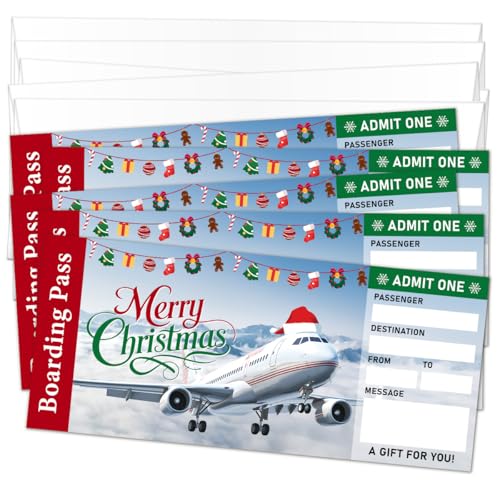
Design size: The surprise boarding pass cards approximately measure 3.5"x 8", including 5 boarding pass cards and 5 envelopes per package.
Ways to Reduce Costs in Any Season
- Compare weekday and weekend hotel rates before choosing travel dates.
- Stay near a Metro station outside the most expensive historic core.
- Use public transportation instead of relying on taxis for every journey.
- Eat at neighborhood tascas and cafés away from the busiest landmark entrances.
- Reserve timed attractions directly through official websites when possible.
- Use free viewpoints, gardens, markets, churches, and self-guided neighborhood walks.
Lisbon Metro accepts several ticket options, including reusable travel cards and contactless bank-card entry on eligible journeys. Review current fares and rules on the official Lisbon Metro website.
How to Avoid Seasonal Crowds
Belém Tower, Jerónimos Monastery, Castelo de São Jorge, Tram 28, Sintra’s palaces, and central viewpoints can attract queues well beyond July and August. Lisbon’s strong year-round popularity means that shoulder season no longer guarantees empty attractions.
- Start early: Visit major monuments close to opening time.
- Book timed entry: Purchase official tickets in advance for high-priority attractions.
- Use alternative transportation: Walk, take the Metro, or use a regular bus when a famous tram has a long queue.
- Explore beyond the core: Consider Estrela, Campo de Ourique, Alcântara, Marvila, or less crowded parts of Graça.
- Avoid compressed itineraries: Allow extra time for hills, queues, delayed trams, and summer heat.
- Visit Sintra strategically: Travel early, limit the number of palaces, and reserve timed tickets where available.
Pro Tip: A famous tram is not always the fastest way across Lisbon. When Tram 28 has a long line, use the Metro or a regular bus and ride a quieter tram route later for the experience.
Products Worth Considering

VERSATILE FOR ANY EVENT OR FUNDRAISER: Suitable for raffles, door entry, drink or meal tickets, school carnivals, church events, 50/50 draws, classroom rewards, and more. Use...
What to Pack for Lisbon by Season
Spring
- Light layers for changing temperatures
- A compact rain jacket or umbrella
- Comfortable shoes with good grip
- Sunglasses and sunscreen
Summer
- Breathable clothing and a sun hat
- High-protection sunscreen
- A refillable water bottle
- A light evening layer for coastal wind
- Supportive walking shoes rather than thin sandals for long sightseeing days
Fall
- Warm-weather clothing for September
- Layers and rain protection for October and November
- Grippy footwear for wet stone streets
Winter
- A water-resistant jacket
- A sweater or fleece for evenings
- A compact umbrella
- Shoes suitable for hills and rain
Frequently Asked Questions
What is the best month to visit Lisbon?
May is one of the best all-around months because days are generally warm, outdoor attractions are enjoyable, and major early-summer events begin. Late September and October are strong alternatives for travelers who prefer fall.
When is Lisbon least crowded?
January and February are generally quieter outside special events and holiday weekends. November can also be less crowded, although rain is more likely and some attractions may use shorter hours.
What is the cheapest time to travel to Lisbon?
The best chance of lower hotel and flight prices is often in January, February, or parts of November. Prices remain dynamic and can increase around holidays, conferences, football matches, and major cultural events.
Is Lisbon too hot in July and August?
Not every day is extreme, but hot periods can make Lisbon’s hills and open plazas tiring. Sightsee early, take an afternoon break, drink water, and save museums or shaded activities for the hottest hours.
When is the best time for Lisbon beaches?
June through September provides the most reliable beach weather. July and August are hottest and busiest, while June and September can offer warm days with somewhat less peak-season pressure.
Does it rain a lot in Lisbon?
Rain is most likely from late fall through winter, although long wet periods are not guaranteed. Summer is normally much drier. Bring rain protection in November through March and check the short-term forecast before outdoor day trips.
When are Lisbon’s biggest festivals?
June is the main street-festival month, especially the night of June 12 into June 13 for Saint Anthony celebrations. The Lisbon Book Fair also commonly takes place around late May and early June. Exact dates should be checked each year.
Is Lisbon worth visiting in winter?
Yes. Winter works well for museums, food, Fado, architecture, and quieter sightseeing. Expect cooler evenings, occasional rain, shorter daylight hours, and fewer dependable beach days.
How many days should I spend in Lisbon?
Three full days provide enough time for the historic center, Belém, viewpoints, and several major attractions. Allow four or five days when adding Sintra, Cascais, a beach day, or a slower neighborhood-focused itinerary.
Sources
- Portuguese Institute for Sea and Atmosphere — Climate Normals — official background on validated Portuguese climate-normal data.
- Turismo de Lisboa — Traveller Information — seasonal conditions, practical visitor information, and regional temperature guidance.
- Turismo de Lisboa — Saint Anthony’s Night — June 12–13 celebrations, popular marches, street parties, and neighborhood traditions.
- Turismo de Lisboa — Lisbon Book Fair 2026 — verified 2026 dates, location, and event details.
- Official Lisbon Marathon — current race-weekend dates and event information.
- Portugal Directorate-General of Health — Heat Recommendations — official advice for reducing health risks during hot weather.
