Last Updated on July 28, 2026 by Daniel Globe
China is too large and geographically varied to have one perfect travel month. Beijing can be cool and dry while Shanghai is humid, Hainan is tropical, and the Tibetan Plateau is cold at night. Your best dates therefore depend on the regions you want to visit and whether you care most about weather, crowds, prices, hiking, beaches, or winter scenery.
For a first trip that combines major cities and outdoor sights, the safest starting points are usually April to May and late September to November. These periods often bring milder temperatures than summer or winter, but major public holidays can still create heavy crowds and limited transport availability.
Quick Answer
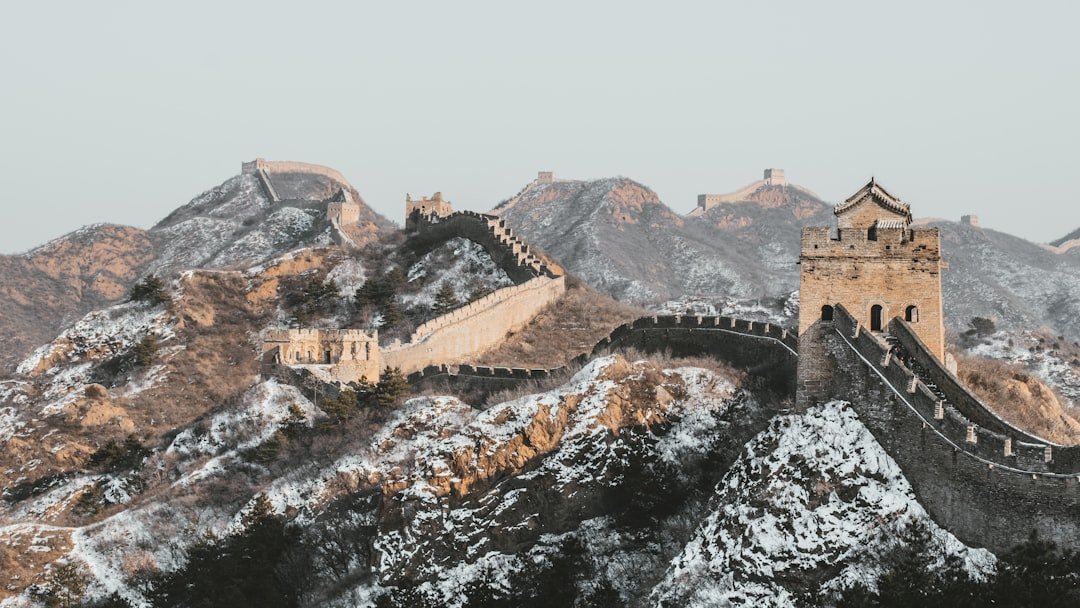
The best time to visit China is generally April to May or late September to November. These months offer comfortable weather for Beijing, Xi’an, Shanghai, the Great Wall, and many outdoor destinations. Avoid major public holidays, especially Labor Day and the first week of October, if you want lighter crowds.
Key Takeaways
- Best overall weather: April to May and late September to November for many classic city and sightseeing routes.
- Biggest crowd periods: Spring Festival, Labor Day, National Day Golden Week, and the July–August school vacation.
- Best for beaches: Hainan is usually most comfortable from November through March, outside its hottest and wettest period.
- Best for snow: December through February for Harbin and northeastern winter attractions.
- Check the exact destination: Rainy seasons, typhoon exposure, elevation, and temperature vary sharply across China.
Disclosure: As an Amazon Associate I earn from qualifying purchases. Some links on this page are affiliate links, at no extra cost to you.
Best Time to Visit China by Season
Spring and autumn work well for many first-time itineraries, but each season has advantages. The table below compares weather, crowds, and the types of trips that fit each period.
| Season | Typical Conditions | Best For | Main Drawbacks |
|---|---|---|---|
| Spring March–May |
Cool to warm in much of the country, with changing conditions and increasing rain in parts of the south and east. | Beijing, Xi’an, gardens, Great Wall hiking, Yunnan and city sightseeing. | Labor Day crowds, northern dust or wind, and regional spring rain. |
| Summer June–August |
Hot and often humid in eastern and southern cities, with heavy rain in several regions. | High-elevation areas, grasslands, mountain escapes, and family trips tied to school holidays. | Heat, humidity, rain, flooding, typhoon disruptions, and heavy domestic travel. |
| Autumn September–November |
Cooling temperatures and often clearer conditions in northern and central destinations. | Beijing, the Great Wall, Xi’an, hiking, cycling, fall scenery and multi-city routes. | National Day crowds in early October and lingering tropical-cyclone risk on the southern coast. |
| Winter December–February |
Cold and dry in much of the north, milder in the far south, and snowy in northeastern destinations. | Harbin, skiing, lower city crowds, museums, Hainan beaches and winter photography. | Severe northern cold, shorter daylight, icy surfaces, and Spring Festival transport pressure. |
Note: Climate averages describe normal patterns, not the exact weather for your trip. Check a city-level forecast through the World Meteorological Organization’s China weather service shortly before departure.
Peak Tourist Seasons and Crowds in China
The months with the most comfortable weather are not always the months with the largest crowds. China’s sharpest demand increases are tied to public holidays, school vacations, and special seasonal attractions.
Spring and autumn are popular with international visitors because the temperatures are often more comfortable for sightseeing. July and August are busy because many families travel during school breaks. Winter is quieter in numerous central and northern cities, but it can be peak season in Harbin, ski areas, and warm-weather destinations such as Sanya.
The largest nationwide travel surges occur around Spring Festival, Labor Day, and National Day. For 2026, the official holiday periods included:
- Spring Festival: February 15–23, 2026
- Labor Day: May 1–5, 2026
- Mid-Autumn Festival: September 25–27, 2026
- National Day: October 1–7, 2026
China publishes a new public-holiday schedule each year, and it may include adjusted weekend workdays. Confirm your travel year through the official State Council holiday calendar.
Warning: Avoid assuming that pleasant autumn weather means quiet attractions. The first week of October is National Day Golden Week, when trains, flights, hotels, scenic areas, and museums can be exceptionally busy.
Pro Tip: For good autumn weather with fewer holiday crowds, target the second half of October or early November instead of October 1–7. Book popular trains and major attractions as soon as reservations open.
Best Time to Visit China’s Major Cities

Major cities have different heat, rainfall, humidity, and winter conditions. Use the following windows as starting points, then check the forecast for your exact dates.
| Destination | Recommended Time | Why Visit Then | What to Watch |
|---|---|---|---|
| Beijing | April–May; late September–early November | Comfortable sightseeing and Great Wall hiking. | Spring wind or dust, hot summers, cold winters and early-October crowds. |
| Shanghai | Late March–May; October–November | Milder temperatures for the Bund, gardens and walking neighborhoods. | Humid summers, early-summer plum rain and tropical-cyclone disruptions. |
| Xi’an | April–May; September–October | Better walking weather for the city wall and archaeological sites. | Summer heat and cold winter mornings. |
| Chengdu | March–May; October–November | Mild conditions for parks, food districts and panda-base visits. | Cloudiness, summer humidity and regional rain. |
| Guilin and Yangshuo | April–May; September–November | Green scenery, river trips and cycling conditions. | Rain, high water, humidity and slippery rural paths. |
| Zhangjiajie | April–May; September–November | Comfortable hiking and seasonal forest scenery. | Fog can hide views, while rain makes stone steps slick. |
| Harbin | Late December–February for winter; June–August for mild weather | Ice-and-snow attractions in winter or a cooler summer escape. | Extreme cold and high winter-season demand. |
| Sanya and Hainan | November–March | Warm beach weather with less intense heat than summer. | Higher winter demand and tropical-cyclone risk in warmer months. |
Beijing
Beijing is usually easiest to explore in mid-spring and autumn. These periods are well suited to the Forbidden City, Temple of Heaven, hutongs, and Great Wall day trips. Summer can be hot and stormy, while winter can bring freezing temperatures and strong wind. Autumn foliage is attractive, but avoid the National Day holiday if crowd levels matter to you.
Shanghai
Shanghai has a humid subtropical monsoon climate with four seasons. Spring and autumn are generally more comfortable for walking along the Bund, visiting Yu Garden, and exploring nearby Suzhou or Hangzhou. Early summer can bring prolonged cloudy or rainy weather, while July and August are often hot and humid. The Shanghai Municipal Government’s seasonal weather guide provides additional local context.
Xi’an and Chengdu
Xi’an is most comfortable when neither summer heat nor winter cold dominates. April, May, September, and October are strong options for the Terracotta Army, city wall, and historic neighborhoods. Chengdu is milder but often cloudy and humid, so spring and late autumn can feel more comfortable for outdoor sightseeing.
China Month-by-Month Travel Guide
| Month | Good Choices | Planning Notes |
|---|---|---|
| January | Harbin winter attractions, skiing, Hainan beaches | Very cold in northern China; Spring Festival travel may begin before the official holiday. |
| February | Winter scenery, southern escapes, cultural celebrations | Lunar New Year dates change annually and can cause severe transport pressure. |
| March | Yunnan, southern gardens, early city trips | Transitional weather; northern areas may still be cold or windy. |
| April | Beijing, Xi’an, Shanghai, Great Wall, gardens | One of the strongest general-purpose months, although conditions vary by region. |
| May | Northern cities, hiking, cycling and cultural routes | Avoid the Labor Day holiday when possible; rain and humidity increase in the south. |
| June | Mountain areas, grasslands, parts of western China | Rainy and humid periods affect parts of eastern and southern China. |
| July | High-elevation destinations, Inner Mongolia and cooler mountain routes | Heat, school-holiday crowds, flooding and tropical-cyclone risk increase. |
| August | Plateau and mountain itineraries | Often hot, humid and busy; keep transport plans flexible during severe weather. |
| September | Beijing, Xi’an, Xinjiang, hiking and cycling | Weather improves in many northern areas, but southern coastal storm risk remains. |
| October | Great Wall, northern cities, fall scenery and multi-city trips | Excellent weather in many places, but avoid National Day Golden Week. |
| November | City sightseeing, late fall scenery and Hainan | Cooler conditions and fewer crowds in many destinations. |
| December | Harbin, skiing, winter photography and southern beaches | Pack for severe cold in northern China and reserve winter attractions early. |
Ideal Weather for Outdoor Activities in China
| Activity | Ideal Conditions | Recommended Period |
|---|---|---|
| Hiking | Mild temperatures, good visibility and dry or stable trails | April–May and September–November in many low- and mid-elevation areas |
| Camping | Low rain risk, safe wind conditions and manageable overnight temperatures | Varies by elevation; late spring or early autumn is often suitable |
| Cycling | Moderate temperatures, limited rain and safe road conditions | Spring or autumn, outside local rainy periods |
| Beach activities | Warm water, manageable humidity and no active storm warnings | November–March in Hainan; summer farther north |
| Winter sports | Reliable snow and safe operating conditions | December–February, depending on the resort |
The Great Wall, Zhangjiajie, Hangzhou, and the Li River area can all be excellent for outdoor travel, but they do not share the same rainfall pattern. Check trail conditions rather than relying only on a national seasonal recommendation. After rain, stone paths and mountain stairs can become slippery, while fog may reduce visibility at elevated viewpoints.
Summer can work well for high-elevation destinations and northern grasslands. It is less comfortable for long urban walks in cities such as Shanghai, Wuhan, Chongqing, or Guangzhou, where heat and humidity can become tiring. Plan demanding outdoor activities for early morning, take a midday break, and return outside during the evening.
Southern and southeastern coastal areas can be affected by tropical cyclones. The Hong Kong Observatory describes the local tropical-cyclone season as roughly June through October, with activity highest from July through September. Monitor the Hong Kong Observatory’s tropical-cyclone information and local forecasts when visiting the South China coast.
Warning: Never continue a mountain, coastal, ferry, or river itinerary simply because it was prepaid. Follow local closures and weather warnings, avoid flooded roads, and allow enough schedule flexibility to move an activity to another day.
Planning a Trip to China During Chinese Holidays
Traveling during a major Chinese holiday can provide memorable festivals, decorations, food traditions, and family celebrations. It can also create the most difficult transport and accommodation conditions of the year.
Spring Festival
Spring Festival, also called Chinese New Year or Lunar New Year, changes dates each year and can fall from late January into mid-February. Families travel home before the official holiday, so the busiest period may begin earlier than the dates shown on the government calendar. Some small businesses close, while major tourist areas may become extremely busy.
Visitors can see lanterns, temple fairs, festive markets, and traditional celebrations, but specific events vary by city. Reserve long-distance transport and accommodation early and confirm whether attractions or restaurants will operate on reduced schedules.
Labor Day
The early-May holiday often overlaps with pleasant spring weather. That combination creates heavy demand at the Great Wall, museums, historic sites, national parks, and intercity transport. Visiting immediately before or after the official holiday can provide similar weather with fewer people.
National Day Golden Week
National Day begins on October 1 and is followed by a multi-day holiday. It falls during one of the most comfortable travel periods in many parts of China, so popular attractions can reach their highest crowd levels. Travelers who cannot change dates should choose less famous sights, reserve timed-entry attractions early, and expect longer station and security lines.
Weather Considerations for Specific Regions in China
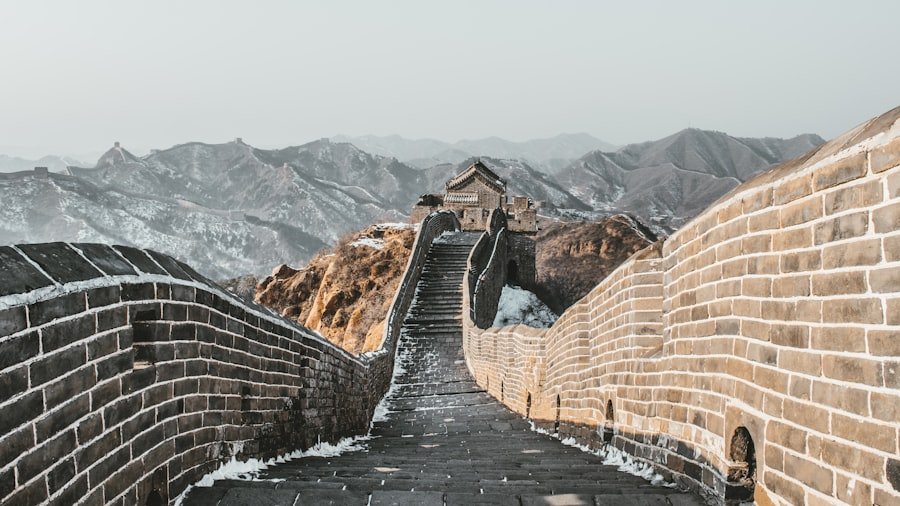
China includes cold continental regions, humid coastal areas, tropical islands, deserts, high mountains, and plateaus. A national forecast cannot replace regional planning.
| Region | General Pattern | Useful Travel Window |
|---|---|---|
| North China Beijing, Hebei, Shanxi |
Hot summers, cold winters, dry air and possible spring wind or dust. | April–May and late September–early November |
| Northeast China Harbin, Jilin |
Very cold winters with snow; warm but shorter summers. | December–February for snow; June–August for mild outdoor travel |
| Eastern China Shanghai, Suzhou, Hangzhou |
Humid summers, regional rainy periods, mild spring and autumn. | Late March–May and October–November |
| Southern China Guangzhou, Guangxi, Fujian |
Mild winters, hot humid summers and substantial warm-season rain. | October–March, depending on the destination |
| Hainan | Tropical climate with warm winters, hotter wet months and coastal storm exposure. | November–March |
| Southwest China Yunnan, Sichuan, Guizhou |
Strong variation caused by elevation, mountains and local rainy seasons. | Spring or autumn, adjusted for elevation and itinerary |
| Tibetan Plateau Lhasa and high-elevation routes |
Strong sun, large day-night temperature changes, low oxygen and rapidly changing mountain weather. | Late spring through early autumn, subject to permits and route conditions |
| Northwest China Xinjiang, Gansu |
Dry climate, hot desert summers, cold winters and large daily temperature changes. | May–June or September, depending on elevation |
Lhasa sits at about 3,658 meters, or 12,000 feet, so a Tibet itinerary requires a slower arrival plan than a visit to a low-elevation Chinese city.
Warning: High altitude can cause headache, nausea, fatigue, sleep problems, and more serious illness. Ascend gradually when possible, avoid strenuous activity immediately after arrival, and seek medical help if symptoms worsen. Review the CDC Yellow Book guidance for China before a high-elevation trip.
Foreign travelers planning to enter the Tibet Autonomous Region may need travel authorization in addition to their normal China entry documents. Rules depend on nationality and can change, so verify requirements before paying for flights or tours. U.S. travelers can review the current State Department’s China travel guidance; travelers from other countries should consult their own foreign ministry and the nearest Chinese embassy.
Weather Risks to Consider Before Booking
Heavy Rain and Flooding
Warm-season rain can disrupt trains, flights, roads, national parks, river cruises, and mountain trails. The wettest period is not identical across the country, so check the destination rather than using one national monsoon date. Leave an unscheduled buffer day when a weather-sensitive activity is a major reason for the trip.
Tropical Cyclones
Hainan, Guangdong, Fujian, Hong Kong, and other southern or southeastern coastal destinations can experience tropical-cyclone effects. Even when the storm center stays offshore, wind, rain, waves, ferry cancellations, and flight disruption may affect travel. Flexible reservations are especially valuable from summer into early autumn.
Heat and Humidity
Summer heat can make long walking days uncomfortable in many eastern, central, and southern cities. Carry water, use sun protection, take indoor breaks, and schedule exposed attractions outside the hottest part of the afternoon. Travelers sensitive to heat should favor spring, autumn, higher elevations, or northeastern destinations.
Cold, Ice and Short Daylight
Northern winters require insulated footwear, thermal layers, gloves, a hat, and protection for exposed skin. Snow and ice can slow road travel and make historic steps slippery. Winter attractions may also sell out despite colder weather, particularly in Harbin.
Air Quality and Dust
Air quality changes by city, season, weather pattern, and day. Northern areas may experience dusty spring conditions, while stagnant weather can affect pollution levels in large urban areas. Travelers with respiratory or heart conditions should check the local air-quality forecast and discuss appropriate precautions with a healthcare professional.
Tips for Packing and Dressing for China’s Weather
Pack for your route rather than for China as a whole. A multi-city journey can cross several climate zones in one week.
- Spring: Pack light layers, a rain shell, comfortable walking shoes, and a warmer outer layer for cool mornings.
- Summer: Choose breathable clothing, sun protection, a compact umbrella or rain jacket, and footwear that can handle wet streets.
- Autumn: Bring layers for large day-to-night temperature changes, especially in northern and western regions.
- Winter: Use thermal base layers, an insulated coat, gloves, a hat, and shoes with traction for northern destinations.
- Mountains and plateaus: Carry warmer clothing than the city forecast suggests, plus sunscreen and lip protection for strong ultraviolet exposure.
- Religious and cultural sites: Wear respectful clothing and follow any posted rules covering shoulders, legs, photography, or entry.
- Outdoor trips: Pack insect repellent where needed, a refillable water bottle, a small first-aid kit, and offline copies of essential reservations.
Pro Tip: Do not fill your suitcase based on the departure city alone. Check the forecast for every overnight stop, including elevation, overnight low, rain probability, wind, and any active weather warning.
Making the Most of Your Trip to China
Match your activities to the season instead of treating weather as a problem to work around after arrival.
Spring Activities
Spring is well suited to gardens in Suzhou, parks in Beijing, city-wall walks in Xi’an, and lower-elevation hiking. Flower timing changes each year, so confirm local bloom reports rather than booking solely around a general cherry-blossom date.
Summer Activities
Use early mornings and evenings for city walks, then visit museums, restaurants, indoor attractions, or shopping areas during the hottest hours. Mountain areas, grasslands, and high-elevation routes can provide relief from urban heat, although summer rain still requires flexible planning.
Autumn Activities
Autumn is excellent for the Great Wall, historic cities, cycling routes, and seasonal landscapes. Jiuzhaigou, Beijing’s mountain areas, and parts of northern China can develop colorful foliage, but peak timing varies with elevation and annual weather.
Winter Activities
Winter supports ice sculptures, skiing, snow photography, hot springs, museum-focused city trips, and tropical beach breaks in Hainan. Travelers who are not interested in snow can often find lower demand in several major cities outside Spring Festival, although prices and crowds still vary by destination.
For additional planning help, browse TakeTravelInfo. Travelers who prefer a printed or digital companion can also use this guide to choose the best travel guidebook for a trip.
Frequently Asked Questions
What is the best time to travel to China?
April to May and late September to November are the best broad travel windows for many first-time itineraries. They often provide comfortable weather for Beijing, Xi’an, Shanghai, the Great Wall, and other major sights. Regional exceptions include winter trips to Harbin or Hainan.
What is the weather like during China’s best travel months?
Spring and autumn are usually milder than midsummer or midwinter, but conditions still vary. Northern China is often drier, while eastern and southern destinations can be humid or rainy. Check the forecast for each city instead of relying on one national description.
Which Chinese holidays affect travel the most?
Spring Festival, the Labor Day holiday, and National Day Golden Week create the greatest nationwide travel pressure. Mid-Autumn Festival and other public holidays can also increase local demand. Dates and adjusted workdays change each year, so check the official calendar.
Are some regions better at different times of year?
Yes. Hainan is generally most comfortable from November through March, Harbin is famous for winter travel, Beijing and Xi’an are strong in spring and autumn, and high-elevation western destinations require separate weather and altitude planning.
What are the peak tourist periods to avoid?
Avoid Spring Festival, the early-May Labor Day holiday, and October 1–7 when possible. July and August are also busy because of school vacations. Popular winter destinations can be crowded even when other parts of China are in a lower-demand season.
When is the cheapest time to visit China?
Lower prices are often available in colder months for city itineraries, excluding Spring Festival and winter hotspots such as Harbin or Hainan. Late November, early December, and parts of March may also offer a useful balance of price and manageable crowds, depending on the route.
When is typhoon season in southern China?
Southern and southeastern coastal areas can be affected from roughly June through October. Around Hong Kong and the nearby South China coast, activity is generally highest from July through September. Actual storm tracks vary, so check local warnings before and during the trip.
Sources
- State Council of the People’s Republic of China — 2026 Public Holidays — official Spring Festival, Labor Day, Mid-Autumn Festival, and National Day dates.
- China Meteorological Administration — national forecasting, climate monitoring, and regional rainy-season information.
- World Meteorological Organization — China Weather Information — city-level forecasts and climate information supplied by China Meteorological Administration.
- Hong Kong Observatory — Tropical-Cyclone Season — coastal storm timing and peak activity around Hong Kong.
- CDC Yellow Book — China — high-altitude destinations, Lhasa elevation, and acclimatization guidance.
- U.S. Department of State — China Travel Information — current entry, safety, weather, and Tibet travel guidance for U.S. citizens.