
Last Updated on July 31, 2026 by Daniel Globe
Kenya can be visited throughout the year, but the best month depends on what you want to do. Dry-season trips usually offer easier wildlife viewing and more reliable roads, while the rainy seasons bring greener scenery, active birdlife, lower rates, and fewer safari vehicles. Conditions also differ sharply between the coast, highlands, savannahs, and arid north.
Quick Answer
For most first-time visitors, the best time to visit Kenya is from July to October, when many safari areas are dry and the Great Migration may reach the Maasai Mara. January and February are another strong choice. Visit during April, May, or November for greener landscapes, smaller crowds, and possible savings.
Key Takeaways
- July to October is the main dry-season safari window and usually offers the best chance of seeing migratory herds in the Maasai Mara.
- January and February are also good for safaris, beaches, and generally drier travel conditions.
- March to May brings the Long Rains. Prices may fall, but heavy rain can affect roads, flights, and game-drive schedules.
- October to December is associated with the Short Rains, although the timing and amount of rainfall vary from year to year.
- There is no guaranteed migration-crossing date. Herd locations respond to rainfall, grazing conditions, and river levels.
- Check regional forecasts rather than relying on a single nationwide weather description.
Disclosure: As an Amazon Associate I earn from qualifying purchases. Some links on this page are affiliate links, at no extra cost to you.
Best Time to Visit Kenya by Activity
| Travel Goal | Best Time | What to Expect |
|---|---|---|
| First safari | July–October or January–February | Generally drier roads, shorter grass in many parks, and good wildlife-viewing conditions. |
| Great Migration in the Maasai Mara | Usually July–October | The best general window for migratory herds in Kenya, but exact locations and river crossings cannot be guaranteed. |
| Lower prices and fewer crowds | April–May; selected dates in November | Potential lodge discounts and quieter parks, balanced against rain, mud, and possible access problems. |
| Kenyan coast and beaches | January–February or July–October | Warm coastal weather with a better chance of drier days, although humidity and brief showers remain possible. |
| Mount Kenya trekking | January–February or July–October | These are generally the drier climbing windows, but high-altitude weather can change quickly in any month. |
| Birding and green scenery | November–April | Lush vegetation, seasonal bird activity, dramatic skies, and fewer visitors in some locations. |
| Cultural events | Year-round | Choose dates around a confirmed event, since annual festival schedules may change. |
Peak Tourist Season in Kenya
Kenya’s busiest travel period generally runs from July through October. Rainfall is often limited in major safari regions, grasses may be shorter, and animals can be easier to locate around dependable water and grazing areas. These conditions make the season popular for visits to the Maasai Mara, Amboseli, Tsavo, Samburu, and other parks.
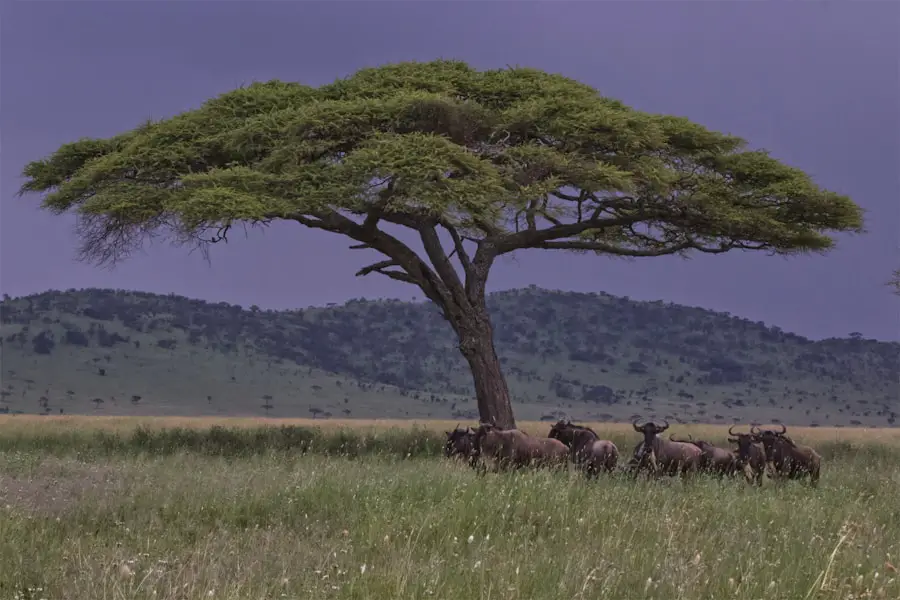
The July–October period also overlaps with the usual Great Migration window in the Maasai Mara. Large herds may move north from Tanzania’s Serengeti and gather around the Mara ecosystem, creating opportunities to see wildebeest, zebras, and predators.
July to October is the usual migration-viewing window in Kenya, but rainfall controls the herds. No lodge, guide, or itinerary can guarantee a river crossing on a particular day.
Demand for well-located camps, private guides, domestic flights, and family rooms can be high during these months. Rates are often highest near the migration areas and during school holidays.
Pro Tip: For a July–October safari, reserve high-priority camps and internal flights several months ahead. Build at least three nights into a Maasai Mara stay instead of relying on one game drive to produce a specific sighting.
Best Time for a Wildlife Safari in Kenya
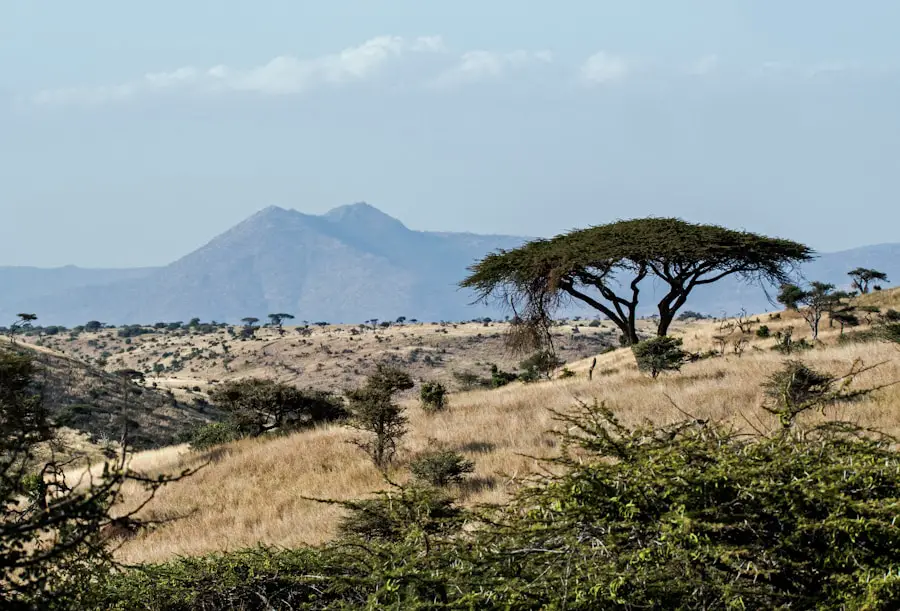
For many travelers, the strongest all-around safari windows are July to October and January to February. Kenya Wildlife Service describes the country’s parks as year-round destinations, but drier periods usually make road travel easier and wildlife viewing more predictable in open savannah areas.
July to October: Dry Weather and Migration Season
Late June and July normally mark the transition into drier conditions in many safari regions. By August and September, water and grazing patterns may concentrate wildlife in certain areas. This can improve visibility, although no park can guarantee a particular species or behavior.
The Great Migration’s most iconic Kenya period is usually July through October. River crossings are only one part of the migration, and the herds may remain spread across different conservancies and sections of the Maasai Mara.
January and February: A Strong Dry-Season Alternative
January and February often bring warm, relatively dry conditions in many parts of Kenya. Safari areas can be less crowded than during the peak migration months, while the coast is well suited to a beach extension. This is a useful option for travelers who want favorable conditions without planning around the migration.
Green-Season Safaris
Rainy and shoulder-season safaris can still be rewarding. Vegetation becomes greener, skies can be dramatic, and some camps reduce their rates. Birdlife may be especially active, and some species may have young at different times depending on the ecosystem.
The trade-off is less predictable access. Grass and foliage can hide animals, unpaved roads may become muddy, and heavy rain can shorten or reroute a game drive. A four-wheel-drive vehicle and a flexible schedule become more important.
Warning: Do not plan a nonrefundable trip around an exact migration-crossing date. Herd movement, rainfall, river levels, and road access can change with little notice.
Kenya Weather and Climate by Region
Kenya lies near the equator, but it does not have one uniform climate. Elevation, distance from the Indian Ocean, local terrain, and regional rainfall patterns create major differences. The Kenya Meteorological Department’s seasonal forecasts are more useful for a specific trip than a single national average.
| Region | Typical Conditions | Travel Notes |
|---|---|---|
| Nairobi and the central highlands | Mild days and noticeably cooler mornings and nights because of elevation. | Pack a sweater or light insulated layer throughout the year, especially for early departures. |
| Maasai Mara and central Rift Valley | Warm afternoons, cool dawns, and distinct wet and dry periods. | July–October is busy and relatively dry. Rain can make smaller roads difficult during the green season. |
| Mombasa and the Indian Ocean coast | Hot, humid, and warm throughout the year, with sea breezes and seasonal rain. | April and May are commonly wetter. January–February and July–October are popular beach windows. |
| Kisumu and western Kenya | Warm and more humid, with rainfall possible in many months near Lake Victoria. | Carry light rain protection even outside the main nationwide rainy seasons. |
| Northern and eastern Kenya | Generally hotter, drier, and more arid, with strong daytime sun. | Heat, long road distances, dust, and limited services require extra water and careful logistics. |
Note: “Long Rains” and “Short Rains” describe broad seasonal patterns, not a promise that it will rain all day. A rainy-season trip may include bright mornings, short storms, dry spells, or localized flooding.
Kenya Month-by-Month Travel Guide
| Months | General Pattern | Best For | Main Trade-Off |
|---|---|---|---|
| January–February | Warm, often drier weather in many regions. | Safaris, beaches, trekking, and combining several regions. | Hot afternoons in lower and arid areas; popular properties may still be busy. |
| March | A transition month as the Long Rains may begin in some areas. | Shoulder-season value and greener scenery. | Rain onset varies, making conditions harder to predict. |
| April–May | The main Long Rains period across much of Kenya. | Lower rates, quiet parks, birding, green landscapes, and photography. | Mud, flooding, reduced visibility, lodge closures, and travel delays are possible. |
| June | Rain often eases and landscapes remain green. | Early dry-season safaris and cooler highland travel. | Some roads may still be recovering from rain; nights can feel cold. |
| July–October | Main dry season in many safari regions. | Wildlife safaris, migration viewing, trekking, and multi-stop itineraries. | Higher prices, larger crowds, dust, and limited last-minute availability. |
| November | A common Short Rains month, although totals vary widely. | Green-season scenery, birding, photography, and quieter travel in some parks. | Storms and muddy roads can interrupt plans; it is not low season everywhere. |
| December | Short Rains may ease later in the month, depending on the year and region. | Festive travel, family holidays, beaches, and parks. | Christmas and New Year demand can sharply increase rates and crowds. |
Off-Peak and Green Seasons in Kenya
The clearest low-season period for many safari destinations is during the Long Rains, especially April and May. Some camps close temporarily, while others offer reduced rates. Visitor numbers can fall, giving travelers more space at viewpoints and a quieter atmosphere around lodges.
The advantages are not limited to price. Rain can transform dry grasslands into vivid green landscapes, reduce dust, and create strong conditions for landscape and bird photography. Short showers may be followed by clear light and dramatic cloud formations.
However, the Long Rains are not the right choice for every itinerary. Unpaved roads may become slippery or impassable, standing water can increase journey times, and small-aircraft schedules may be affected by local weather. Travelers with strict schedules should leave buffer time between a remote safari and an international flight.
November is better described as a green-season shoulder month than a guaranteed low-season month. Some parks and lodges remain busy, especially around major holidays or popular events. Rates and rain conditions should be checked for the exact destination.
Cultural Festivals and Events in Kenya
Kenya’s cultural calendar includes national celebrations, religious observances, sporting events, and local festivals. These events can add depth to a trip, but dates and programs may change, so travelers should confirm the official schedule before purchasing nonrefundable transport.
Jamhuri Day takes place on December 12 and commemorates Kenya’s independence in 1963 and its later establishment as a republic. Public celebrations may include official ceremonies, performances, and community events.
The Lamu Cultural Festival is associated with Lamu Island’s Swahili heritage and commonly includes traditional sailing, poetry, music, food, crafts, and community activities. It is often scheduled in November, but the exact dates should be verified for the year of travel.
Other county and community festivals celebrate the traditions of Kenya’s many cultural groups. Attend through a responsible local organizer, ask before photographing people, follow community guidance, and treat ceremonies as living traditions rather than staged attractions.
Note: Festival names, dates, venues, and programs can change. Confirm the current schedule with the event organizer, county tourism office, or Kenya’s official tourism channels.
Tips for Traveling to Kenya in Different Seasons
What to Pack for the Dry Season
- Light, breathable clothing in neutral shades for daytime game drives.
- A fleece, sweater, or light jacket for early mornings and cool highland nights.
- A wide-brimmed hat, sunglasses, sunscreen, and a reusable water bottle.
- Closed shoes for dusty paths and open vehicles.
- A soft-sided bag when small-aircraft baggage limits apply.
What to Pack for the Rainy Season
- A lightweight waterproof jacket or poncho.
- Quick-drying trousers and shirts.
- Water-resistant walking shoes with good grip.
- Dry bags or zip bags for electronics, passports, and camera equipment.
- Insect repellent and long sleeves for evenings.
Useful Packing Extras
Travelers who use assisted-breathing equipment should check voltage, batteries, airline rules, and lodge power availability before departure. This travel CPAP guide can help organize equipment questions before a long-haul journey.
A practical carry-on suitcase with charging access may help during airport transfers, although removable lithium power banks must be handled according to the airline’s current baggage rules. For cold dawn drives or highland stays, a rechargeable travel hand warmer can be a comfort item, but warm layered clothing is more important.
Book Around Conditions, Not Just Calendar Labels
Ask a safari operator which roads, gates, airstrips, and conservancies are normally used during your travel month. A well-planned wet-season itinerary may work better than a poorly routed peak-season trip.
Keep at least one flexible activity in the schedule. Museums, food tours, cultural centers, spas, and relaxed lodge time can protect the trip from disappointment when a storm changes outdoor plans.
Entry, Health, and Safety Checks Before You Travel
Most foreign visitors should review Kenya’s official electronic travel authorization portal before departure. Requirements, exemptions, documents, processing times, and fees can change. Use the government website rather than an unofficial application service.
Health needs depend on the traveler’s age, medical history, itinerary, length of stay, and the regions being visited. The CDC Kenya traveler page includes destination-specific information about routine vaccines, yellow fever, malaria, food and water precautions, and mosquito-bite prevention. Arrange a travel-health consultation early enough to complete any recommended preparation.
Security conditions can differ by county and may change after the article is published. Review the latest official Kenya travel advisory and consult the equivalent service from your own government. Check local news, follow guide instructions, avoid displaying valuables, and keep copies of important documents.
Warning: Entry rules, health recommendations, road conditions, park access, and security guidance can change. Recheck all official sources shortly before departure instead of relying only on information saved months earlier.
Choosing the Best Time to Travel to Kenya
July to October is the easiest recommendation for a first safari because it combines generally drier travel conditions with the usual Maasai Mara migration window. It is also the busiest and often the most expensive period.
January and February offer another strong balance of safari, beach, and trekking weather. Travelers who value green scenery, photography, lower prices, and smaller crowds may prefer April, May, or November, provided they accept rain and possible travel disruption.
The best choice is therefore not one universal month. Match the season to the regions and activities that matter most, then check the current forecast, park access, lodge availability, health guidance, and entry requirements before paying for the trip.
Frequently Asked Questions
What is the best time to travel to Kenya?
For most first-time visitors, July to October is the best all-around period for safaris and a chance to see migratory herds in the Maasai Mara. January and February are also excellent for generally drier weather, wildlife viewing, beaches, and trekking.
What is the weather like during Kenya’s dry season?
Many safari regions have sunny or partly sunny days, low rainfall, dusty roads, and cool early mornings. Temperatures still vary by elevation. Nairobi and the highlands can feel cold at night, while the coast and northern areas remain warm or hot.
When can I see the Great Migration in Kenya?
Large migratory herds are usually present in or near the Maasai Mara between July and October. Their exact arrival, location, and river-crossing dates depend on rainfall, grass, river levels, and other natural conditions, so no exact day can be guaranteed.
Is Kenya worth visiting during the rainy season?
Yes. Rainy-season trips may offer green scenery, active birdlife, dramatic photography, lower rates, and fewer vehicles. The disadvantages are muddy roads, taller vegetation, possible flooding, travel delays, and temporary camp closures.
What are the main attractions to visit during the dry season?
Popular choices include wildlife safaris in the Maasai Mara, Amboseli, Tsavo, Samburu, and Lake Nakuru; beach stays around Mombasa, Diani, Watamu, or Lamu; and trekking in the Mount Kenya region.
How far ahead should I book a Kenya safari?
For July through October, Christmas, New Year, and school-holiday dates, book high-priority lodges, family rooms, private guides, and small-aircraft flights several months ahead. Green-season trips usually offer more flexibility, but remote camps and specialist guides can still fill.
Do I need an eTA to visit Kenya?
Many foreign visitors must obtain an approved electronic travel authorization before departure, although exemptions apply. Check the official Government of Kenya eTA portal for requirements that match your nationality, age, and itinerary.
Sources
- Kenya Meteorological Department Seasonal Forecasts — current Long Rains, Short Rains, regional rainfall, and temperature outlooks.
- Kenya Wildlife Service: Weather and Best Time to Visit Parks — park seasons, regional climate differences, and road-access considerations.
- Magical Kenya: The Great Migration — the usual July–October Maasai Mara migration window.
- Government of Kenya Electronic Travel Authorization — current eTA eligibility, exemptions, application requirements, and status checks.
- CDC Kenya Traveler View — destination-specific vaccines, malaria, mosquito protection, and health preparation.
- U.S. Department of State Kenya Travel Advisory — current security guidance and area-specific travel risks.

