Last Updated on July 28, 2026 by Daniel Globe
Guatemala can be rewarding at any time of year, but the best time to visit depends on whether you value dry hiking weather, green landscapes, smaller crowds, or major cultural celebrations. For most travelers, November through April offers the easiest conditions for exploring Antigua, Lake Atitlán, Tikal, Maya archaeological sites, and the country’s volcanic highlands.
Quick Answer
The best time to visit Guatemala is generally November through April, when rainfall is lower and hiking, sightseeing, and road travel are more reliable. November and February offer a good balance of weather and crowds. May through October is wetter but brings greener scenery, fewer visitors, and often better accommodation availability.
Key Takeaways
- Best overall weather: November through April is normally the driest and easiest period for sightseeing, volcano hikes, Tikal, and highland travel.
- Best balance: November and February can provide favorable weather without all of the Christmas, New Year, or Holy Week demand.
- Greenest landscapes: May through October brings more rain, lush vegetation, and fewer tourists, although flooding, landslides, and travel delays become more likely.
- Best for culture: Semana Santa, All Saints’ Day and the giant-kite traditions of Santiago Sacatepéquez and Sumpango are major reasons to plan around specific dates.
- Check conditions before hiking: Guatemala has active volcanoes, and official CONRED and INSIVUMEH guidance should always take priority over a seasonal travel calendar.
Disclosure: As an Amazon Associate I earn from qualifying purchases. Some links on this page are affiliate links, at no extra cost to you.
Best Time to Visit Guatemala at a Glance
Best Time by Travel Priority
| Priority | Best Time |
| Dry weather and sightseeing | November-April |
| Volcano hiking | Usually November-April, subject to current weather and volcanic restrictions |
| Smaller crowds and greener scenery | May-June and parts of August-October |
| Semana Santa | The week leading to Easter; reserve accommodation early, especially in Antigua |
| Giant-kite festivals | November 1 in Santiago Sacatepéquez and Sumpango |
How Guatemala’s Climate Changes by Region
Guatemala’s altitude makes a national temperature average much less useful than it first appears. The Pacific coastal plain, eastern valleys, Caribbean region, and northern lowlands can be hot and humid, while Antigua, Guatemala City, Lake Atitlán, Quetzaltenango, and other elevated destinations are noticeably cooler.
Official INSIVUMEH forecasts regularly show these contrasts. During July 2026, for example, average conditions in western Guatemala and the Central Highlands were forecast to be much cooler than those in most lowland regions.
- Antigua and the central highlands: Pleasant daytime temperatures are common, but mornings and nights can feel cool, especially from November through February.
- Lake Atitlán: Elevation moderates temperatures, while wind and afternoon weather can affect boat trips and lake activities.
- Petén and Tikal: Expect warmer, more humid conditions than in the highlands. Early starts help avoid some of the day’s heat.
- Pacific and eastern lowlands: These are among the hotter parts of the country, particularly late in the dry season.
- Caribbean and northern regions: Rainfall patterns do not always follow the same timetable as the central highlands.
Note: Treat “November-April dry season” and “May-October rainy season” as useful planning ranges rather than fixed dates. INSIVUMEH reported an unusually early start to rain in parts of Guatemala during 2026, with some western and Bocacosta areas entering the rainy period during April.
The Dry Season: November to April
Weather Conditions
November through April is usually the easiest period for a first trip to Guatemala because rainfall is lower across many of the country’s most visited areas. Skies tend to be clearer, roads and trails are generally easier to manage, and travelers have a better chance of unobstructed volcano and highland views.
Conditions still vary sharply with elevation. Lowland destinations can become very hot, particularly toward March and April, while highland nights may require a sweater or light jacket.
Popular Activities
The drier months are well suited to exploring Maya archaeological sites such as Tikal and Yaxhá, walking the streets of Antigua, visiting highland markets, touring Lake Atitlán, and planning outdoor excursions.
Volcano hiking is also generally easier when trails are less muddy, but weather alone never determines whether an ascent is safe. Guatemala’s active volcanoes can change conditions quickly.
Warning: Before any volcano hike, check current bulletins from INSIVUMEH and CONRED. CONRED recommends checking the weather, using a knowledgeable or authorized guide, following local authorities, carrying appropriate equipment, and avoiding active craters or restricted areas.
Wildlife and Landscapes
The transition from the rainy season into November can leave the countryside green while bringing progressively drier conditions. Tikal is particularly rewarding for travelers who want archaeology and wildlife in the same place. UNESCO reports that Tikal National Park protects a broad range of habitats containing jaguars, pumas, monkeys, anteaters, and more than 300 bird species.
Birding can be rewarding throughout the year, so it is better to choose timing based on the species and ecosystem you hope to see rather than assuming one national “bird season.”
The Rainy Season: May to October
Guatemala’s wetter period is commonly described as May through October, although the start and end vary by region and year. Rain often develops later in the day, which can leave useful morning windows for sightseeing. At other times, persistent weather systems can bring longer periods of rain.
The main advantage is scenery. Hillsides, forests, coffee-growing areas, and lake surroundings become intensely green, and popular destinations can feel less crowded than during the busiest dry-season weeks.
Travelers should nevertheless build flexibility into their itinerary. Heavy rain can damage roads, trigger landslides, raise rivers, and interfere with hiking or overland transportation. Guatemala is also vulnerable to tropical storms and hurricanes, with the broader regional storm season running from June through November.
Pro Tip: During rainy months, schedule hikes, ruins, photography, and lake outings early in the day, then keep museums, cafés, markets, or flexible indoor activities available for the afternoon.
Rainy-season travel can work especially well for visitors who prefer a slower pace and do not mind changing plans. Lake Atitlán, Antigua, Tikal, and other Guatemalan destinations remain accessible for much of the season, but conditions should be checked locally before long road trips or strenuous hikes.
Guatemala Month by Month
- January: One of the driest and most popular months. Excellent for hiking and highland sightseeing, with cool nights at elevation.
- February: A strong all-around choice with generally dry conditions and good outdoor weather.
- March: Still dry in many regions but increasingly hot in lower elevations. Semana Santa may occasionally fall partly in March.
- April: Often hot at lower elevations. Easter crowds can be substantial, and the year’s first sustained rains may begin in some regions.
- May: Rain becomes more established in many areas. Landscapes turn greener and visitor numbers can ease.
- June: Wetter conditions become common. Build extra time into road transfers and prioritize morning activities.
- July: Still part of the rainy season. Some years and regions experience a temporary reduction in rainfall known as the canícula, but its timing and strength vary.
- August: Warm and wet in many areas, with a mix of sunny periods and rain.
- September: Often one of the wetter months and a time when travelers should be particularly alert to road, flood, and landslide conditions.
- October: Rain can remain frequent, but conditions usually begin moving toward the drier period later in the season.
- November: An excellent transition month for many travelers: drying weather, green scenery, and major All Saints’ Day traditions.
- December: Dry-season travel is well established, but Christmas and New Year increase demand in popular destinations.
Semana Santa: Holy Week in Guatemala
| When | The week leading to Easter Sunday; dates change each year |
| Best-known destination | Antigua Guatemala |
| What visitors see | Processions, vigils, funeral marches, seasonal foods, altars, and elaborate street carpets |
| Planning advice | Expect heavy demand in Antigua and reserve transport and accommodation well ahead of your trip |
Semana Santa is one of Guatemala’s most important religious and cultural observances. UNESCO inscribed Holy Week in Guatemala on the Representative List of the Intangible Cultural Heritage of Humanity in 2022.
The celebration brings together processions, vigils, funeral marches, seasonal gastronomy, religious altars, and decorative carpets. In Antigua, residents and artisans create intricate alfombras from colored sawdust, flowers, fruits, and other materials before religious processions move through the streets.
For travelers, this can be one of the most memorable times to experience Guatemala, but it is not the quietest. Antigua becomes exceptionally busy, pedestrian and vehicle movement can be restricted, and accommodation is in strong demand. Travelers who prefer easier logistics should visit outside Holy Week.
Guatemala’s Holy Week was added to UNESCO’s Representative List of the Intangible Cultural Heritage of Humanity in 2022, recognizing traditions that include processions, vigils, seasonal gastronomy, altars, and decorative carpets.
Festivals and Events
Weather is only one reason to choose your dates. Guatemala’s cultural calendar can make a particular week worth accepting larger crowds or less predictable conditions.
All Saints’ Day and the Giant Kites
November 1 is Día de Todos los Santos, or All Saints’ Day. Families visit cemeteries, decorate graves, remember relatives who have died, and share traditional foods. One of the country’s most distinctive dishes for the occasion is fiambre, a cold preparation that can combine vegetables, meats, cheeses, pickled ingredients, and other family-specific additions.
Santiago Sacatepéquez and Sumpango are especially famous for their enormous handmade kites. UNESCO inscribed the technique of making the giant kites on its Representative List in 2024.
Rab’in Ajaw in Cobán
Cobán’s National Folkloric Festival Rab’in Ajaw is another important expression of Guatemala’s living Indigenous cultures. The event highlights Indigenous languages, traditional clothing, community representation, and women’s leadership. Guatemala’s Ministry of Culture reported that the 58th festival took place in Cobán in July 2026.
Independence Celebrations
Guatemala marks Independence Day on September 15. Parades, music, school activities, flags, and civic celebrations appear around the country in the days surrounding the holiday. September is also within the rainy period, so festival-focused travelers should keep weather flexibility in their plans.
Wildlife and Nature
Guatemala contains tropical forests, cloud forests, wetlands, volcanic landscapes, mangroves, and highland ecosystems, giving wildlife travelers very different experiences within a relatively small country.
Tikal National Park combines extraordinary Maya archaeology with a protected forest ecosystem. UNESCO records five cat species in the park, including jaguar and puma, as well as monkeys, anteaters, and more than 300 bird species.
For cloud-forest wildlife, the Mario Dary Rivera Quetzal Biotope in Baja Verapaz is a genuine Guatemalan alternative to the incorrectly cited Monteverde reserve in the original article. Guatemala’s National Council of Protected Areas describes the reserve as important cloud-forest habitat for the resplendent quetzal and recommends early morning or late afternoon for quetzal observation.
The rainy season can make forests exceptionally green, while drier months can simplify trail access. Neither season guarantees particular wildlife sightings, so travelers with a target species should research that species and protected area rather than relying on a nationwide seasonal rule.
Best Time for Outdoor Activities
Volcano Hiking
November through April generally provides the best trail conditions for major hikes because sustained rain and mud are less common. Acatenango and Pacaya are among the best-known hiking areas, but Guatemala’s volcanic landscape is active rather than static.
CONRED monitors Fuego, Pacaya, and Santiaguito with INSIVUMEH and advises hikers to check official weather and volcanic conditions, notify or follow local authorities as appropriate, use experienced guides, carry sufficient water and food, and avoid restricted or dangerous crater areas.
Lake Atitlán and Water Activities
Dry-season mornings are often attractive for kayaking, boat transfers, and lakeside photography. Even in the rainy season, morning conditions can be usable before clouds and showers build. Local winds and storms can make the lake rough, so boat operators’ advice should be taken seriously.
Tikal and Maya Sites
The drier period reduces the chance of rain disrupting a long day at archaeological sites. In hot Petén, an early start is useful in any season. The rainy season provides greener jungle scenery but also higher humidity, muddy paths, and more insects.
Birdwatching and Nature Photography
There is no single best wildlife month for every part of Guatemala. For quetzal-focused trips, select a known cloud-forest habitat and plan observation around local guidance. For general jungle wildlife, Tikal combines excellent habitat with one of the country’s most important archaeological landscapes.
Tips for Traveling During Different Seasons
What to Pack in the Dry Season
- Lightweight, breathable daytime clothing
- A sweater or light jacket for highland mornings and evenings
- Sun protection, including sunscreen, sunglasses, and a hat
- Comfortable walking or hiking footwear
- A reusable water bottle and adequate hydration for hot lowland destinations
What to Pack in the Rainy Season
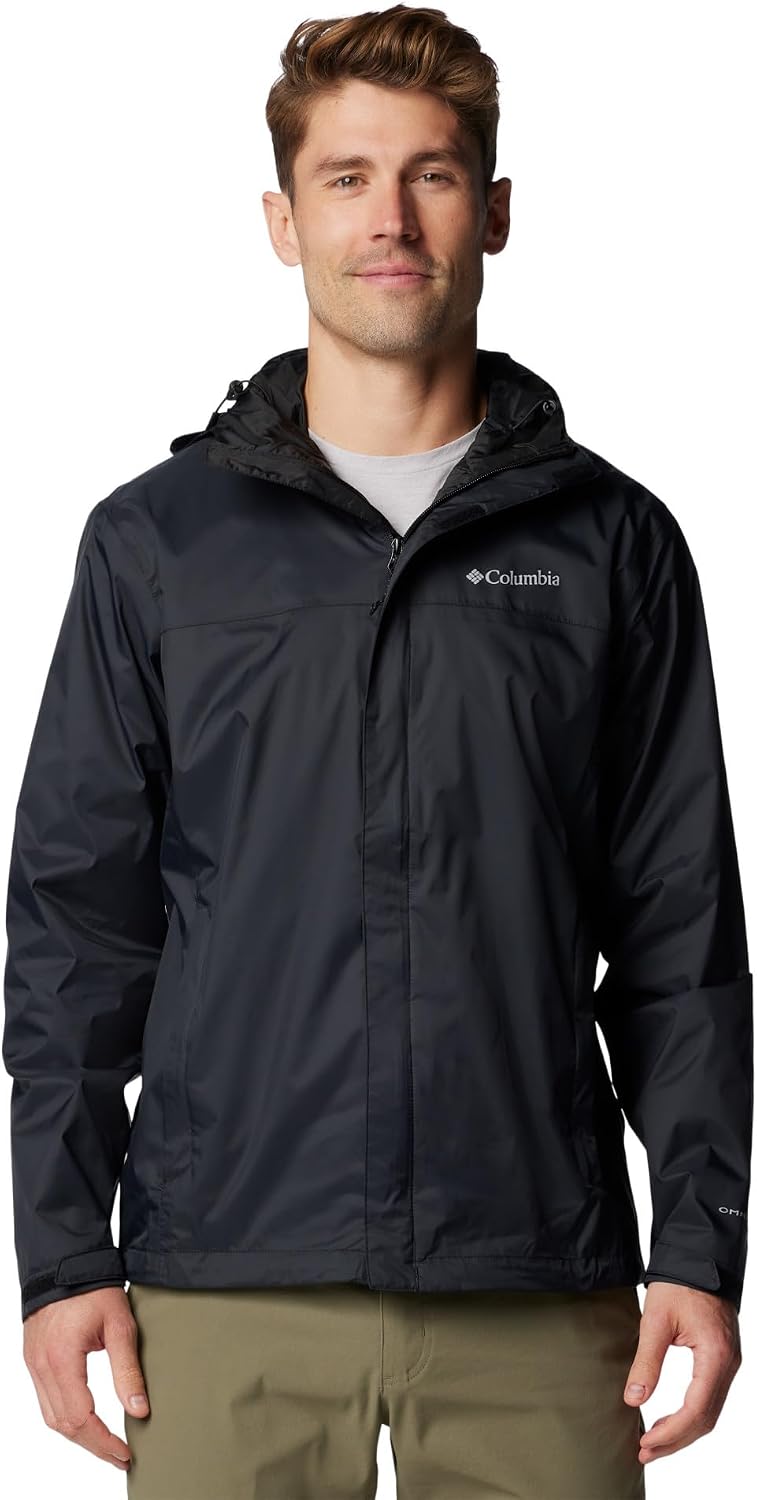
- A lightweight waterproof jacket or poncho
- Quick-drying clothing
- Shoes with good wet-surface traction
- A rain cover or waterproof liner for luggage and electronics
- Insect repellent for humid lowland and forest areas
- Extra itinerary time in case road conditions or storms delay travel
Note: Rain does not necessarily mean an entire day will be lost. In many places, travelers can still get useful morning weather. However, multi-day storms and severe rainfall do occur, so forecasts and local road conditions matter more than a generic seasonal rule.
Check Current Safety Conditions
Seasonal planning should be combined with up-to-date safety information. As of the U.S. Department of State update dated June 11, 2026, Guatemala was listed at Level 3: Reconsider Travel, with specific areas carrying stronger warnings. The advisory also notes risks from crime, active volcanoes, heavy rainfall, flooding, landslides, hurricanes, and tropical storms.
Conditions and advisories can change, so travelers should check the latest official guidance shortly before departure rather than relying on a status quoted months earlier.
Frequently Asked Questions
What is the best time to travel to Guatemala?
For most travelers, November through April is the best time to visit Guatemala because rainfall is generally lower and outdoor plans are easier. November and February are especially attractive for travelers seeking good weather without concentrating their trip around Christmas, New Year, or Holy Week.
What is Guatemala like during the dry season?
The dry season usually brings lower rainfall, clearer skies, and easier trail and road conditions. Highlands can have cool mornings and nights, while Petén, the Pacific coast, and eastern lowlands may remain hot.
When is the rainy season in Guatemala?
May through October is a useful general range, but Guatemala’s rainy season does not begin or end on the same date everywhere. Regional conditions and yearly climate patterns can move the start of sustained rainfall into April or later into May.
Is Guatemala worth visiting during the rainy season?
Yes. Rainy-season travelers often get greener scenery and fewer crowds, and mornings may still provide good sightseeing conditions. The tradeoff is a greater chance of muddy trails, transport delays, flooding, landslides, and weather-related itinerary changes.
What are the most popular tourist attractions in Guatemala?
Major attractions include Tikal National Park, Antigua Guatemala, Lake Atitlán, Yaxhá, Chichicastenango, Semuc Champey, Guatemala City museums and historic sites, and the country’s volcanic highlands.
Which cultural festivals are worth planning a Guatemala trip around?
Semana Santa is particularly famous in Antigua. All Saints’ Day on November 1 brings cemetery traditions, fiambre, and the giant kites of Santiago Sacatepéquez and Sumpango. Rab’in Ajaw in Cobán and September’s Independence celebrations are also important cultural events.
What is the best time to hike Acatenango or Pacaya?
The drier months from roughly November through April usually provide better trail conditions, but there is no season when an active volcano is automatically safe. Check current INSIVUMEH and CONRED bulletins, follow local restrictions, and use an experienced guide.
Sources
- INSIVUMEH — Start of Guatemala’s 2026 rainy season — regional rainfall timing and yearly variability.
- UNESCO — Holy Week in Guatemala — cultural traditions and 2022 intangible-heritage inscription.
- UNESCO — Giant kites of Santiago Sacatepéquez and Sumpango — locations and 2024 intangible-heritage recognition.
- UNESCO World Heritage Centre — Tikal National Park — archaeology, ecosystems, and wildlife.
- CONRED — Volcano hiking safety recommendations — weather checks, guides, equipment, active-volcano monitoring, and local precautions.
- U.S. Department of State — Guatemala Travel Advisory — current security, weather, volcano, flooding, landslide, and tropical-storm information.