
Last Updated on July 27, 2026 by Daniel Globe
Greenland is the world’s largest island that is not a continent, and about 80% of it is covered by the Greenland Ice Sheet. Its towns sit along an ice-free coastline shaped by fjords, mountains, and sea ice. Statistics Greenland counted 56,740 residents on January 1, 2026. The best time to visit depends less on one “perfect” month and more on whether you want hiking, sailing, wildlife, dog sledding, or the northern lights.
Quick Answer
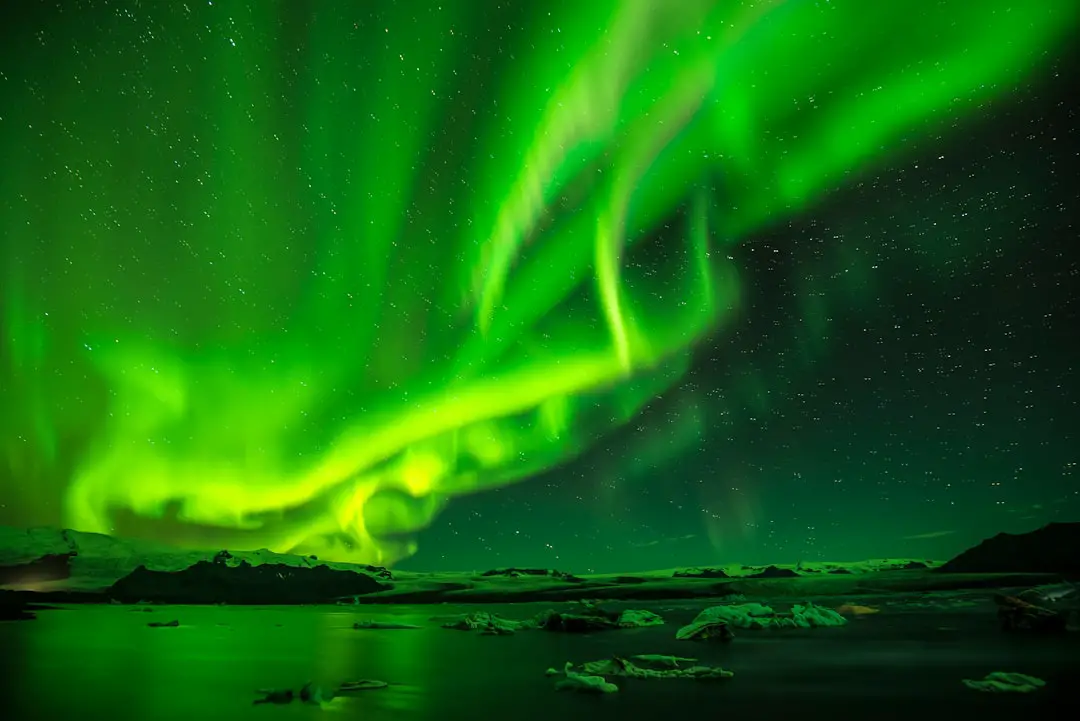
For hiking, kayaking, boat trips, and long daylight, visit Greenland from June through August. For dog sledding, snow activities, and northern lights, choose February through April. Late August and September offer a useful middle ground, with darker nights, fewer insects, autumn color, and some remaining summer excursions.
Key Takeaways
- June to August is the easiest season for first-time visitors who want hiking, fjord cruises, kayaking, and long days.
- Late August through April is the main northern-lights season, although darkness and cloud cover vary by region.
- February to April often gives the best mix of snow, improving daylight, and winter activities.
- Greenland’s weather changes quickly, so allow buffer days and pack warm, waterproof layers in every season.
- There are no roads connecting Greenland’s towns. Most regional travel is by plane, helicopter, or boat.
Disclosure: As an Amazon Associate I earn from qualifying purchases. Some links on this page are affiliate links, at no extra cost to you.
Weather and Climate in Greenland
Greenland has an Arctic climate, but conditions vary sharply by region. Coastal towns are influenced by the ocean, while inland valleys can be drier and feel warmer in summer. Northern Greenland generally has longer periods of winter darkness and colder winter temperatures than South Greenland.
Summer weather is cool and changeable. Many popular towns have average summer temperatures well below 15°C (59°F), although sheltered areas in South Greenland and inner fjords can occasionally rise above 20°C (68°F). Rain, fog, wind, and sudden temperature drops are possible even during the brightest months.
Winter conditions are more demanding. Snow, ice, strong winds, and limited daylight can affect flights, boats, roads within towns, and outdoor tours. The same week may bring clear, calm weather followed by delays, whiteout conditions, or rapidly changing wind.
Note: Published temperature averages are useful for planning, but they do not predict the conditions you will experience. Check the regional forecast and follow local advice before every outdoor trip.
Greenland Seasons at a Glance
| Season | Typical Experience | Best For |
| June to August | Cool summer weather, long daylight, open-water travel, and the widest choice of hiking and boat tours | First visits, hiking, kayaking, fjords, culture, and wildlife trips |
| Late August to September | Returning darkness, cooler evenings, fewer insects, autumn colors, and possible aurora | Hiking plus northern lights, photography, and quieter travel |
| October to January | Long nights, developing snow cover, colder weather, and fewer daylight hours | Aurora, winter atmosphere, and cultural stays |
| February to April | Reliable winter scenery in many regions with increasing daylight | Dog sledding, skiing, snowmobiling, winter races, and northern lights |
| May | A transition month with melting snow, longer days, and region-specific access | Travelers who can stay flexible and plan activities locally |
Best Time to Visit for Outdoor Adventures
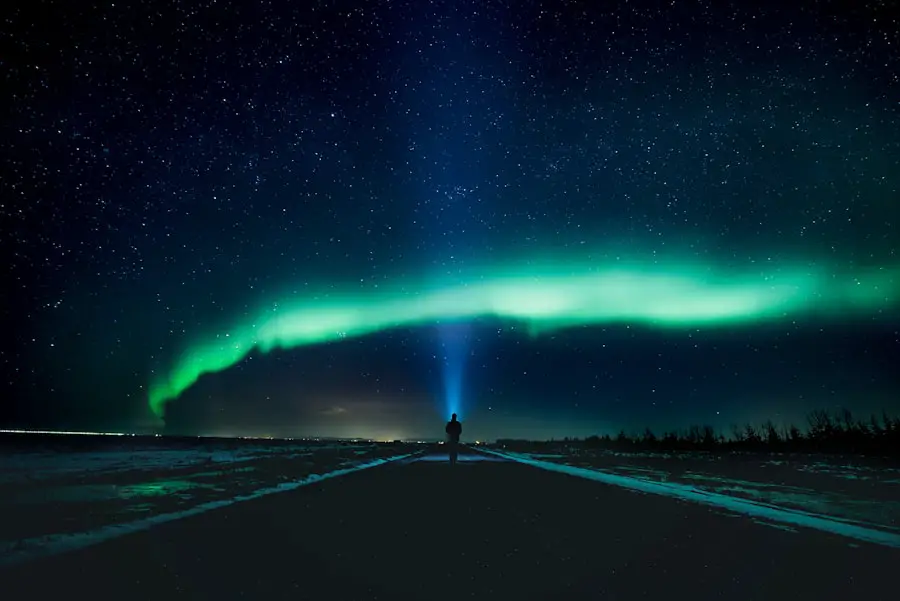
June through August is the most practical time for hiking, kayaking, sailing, and visiting multiple coastal destinations. Summer brings the longest days, more open water, and the broadest tour schedule. North of the Arctic Circle, the midnight sun creates extremely long periods of daylight, although exact dates depend on latitude.
Winter offers a different trip rather than a lesser one. From February through April, many destinations have snow for dog sledding, skiing, snowmobiling, and winter excursions while daylight is returning. Earlier winter can provide deeper darkness for aurora viewing, but shorter days and unsettled weather may reduce the time available for outdoor activities.
Best Months by Activity
- Hiking: June to August for the widest access; September can also work in some regions.
- Kayaking and fjord cruises: June to September, depending on sea ice, weather, and local operators.
- Whale watching: Mainly summer, with species and timing varying by region.
- Northern lights: Late August to April when skies are dark enough.
- Dog sledding: Usually winter into spring, often strongest from February to April, but local snow and sea-ice conditions decide what is possible.
- Skiing and snowmobiling: Winter and early spring, with the longest useful daylight later in the season.
- Photography: Summer for the midnight sun and open fjords; late August to April for aurora and snowy landscapes.
Pro Tip: Do not build a tight connection between a domestic Greenland flight and an international departure. Add at least one flexible day when a missed connection would seriously affect your trip.
Spectacular Adventures in Greenland
| Adventure | Planning Notes |
| Arctic Circle Trail | A remote 160-kilometer backcountry route between Kangerlussuaq and Sisimiut. It requires wilderness experience, navigation skills, suitable equipment, and enough food for a multiday trek. |
| Ilulissat Icefjord | View the UNESCO-listed icefjord from marked trails or licensed boat tours. Keep a safe distance from calving ice and unstable shorelines. |
| Kayaking | Choose a guided trip unless you have strong cold-water and Arctic paddling experience. Wind, waves, ice, and water temperature create serious risks. |
| Dog sledding | Available only in dog-sled regions and when snow or sea-ice conditions allow. Book with a local operator and dress for wind exposure. |
| Fishing | Arctic char and cod are popular targets. Check local licensing, seasons, and guide requirements before fishing. |
Greenland’s hiking ranges from short marked walks near towns to exposed wilderness routes with no services. The Arctic Circle Trail is the best-known long route, but its huts are basic and space is not guaranteed. Trekkers should carry a tent, navigation tools, extra food, warm layers, and an emergency communication device.
Kayaking offers a close view of fjords and icebergs, but the water remains dangerously cold. A calm morning can change quickly when wind moves down a fjord. Guided trips are the safest choice for most visitors because local leaders understand landing points, currents, ice movement, and weather patterns.
Ilulissat is one of Greenland’s most accessible places to experience large icebergs. The Ilulissat Icefjord is the sea mouth of Sermeq Kujalleq, an active glacier that sends ice into Disko Bay. Visitors can use designated walking routes or join boat trips that follow local safety rules.
Warning: Never approach a glacier front, climb onto an iceberg, or paddle close to floating ice. Calving and rolling ice can create waves, falling debris, and sudden changes in the water.
Wildlife and Nature in Greenland
Greenland supports musk oxen, reindeer, Arctic foxes, Arctic hares, seals, whales, and many seabirds. Sightings depend on location, season, weather, and luck. A wildlife tour should be presented as an opportunity to observe animals, not a guarantee.
Polar bears live mainly in North and Northeast Greenland and along the east coast. They are extremely rare in many well-used tourism areas on the southwest and central west coast. Travelers heading into remote northern or eastern wilderness should get current local advice and use qualified guides where bear risk exists.
Summer visitors may see whales from coastal boats, while birdwatchers can look for puffins, guillemots, and other seabirds in suitable habitats. Keep a respectful distance, follow guide instructions, and never pressure a boat operator to approach animals more closely.
Greenland’s most memorable wildlife encounters come from patience, distance, and respect for an environment where animals are never staged for visitors.
Cultural Experiences in Greenland
Greenlandic culture is living and modern, with deep Inuit roots. Museums, art centers, food experiences, music, and conversations with local residents can add as much value to a trip as the scenery. Avoid treating communities as displays of a frozen past.
The Greenland National Museum and Archives in Nuuk covers about 4,500 years of history, including early Arctic cultures, Norse settlement, Thule culture, traditional boats, clothing, art, and the Qilakitsoq mummies. Nuuk also has the Katuaq Cultural Centre, art museums, local design, and restaurants using Greenlandic ingredients.
A kaffemik, a social gathering with coffee, cakes, and conversation, can provide a warm introduction to everyday hospitality when offered through a host or local operator. Ask before photographing people, homes, graves, hunting equipment, or private activities. Buy crafts from recognized local makers and follow restrictions on products made from protected wildlife materials.
Planning Your Greenland Trip
Getting There and Traveling Between Towns
Greenland is reached by air from Denmark, Iceland, North America, and other seasonal gateways. Air Greenland operates direct service between Copenhagen and Nuuk, along with domestic connections. Route schedules change by season, and new airport openings can change the best connection for a particular destination.
There are no roads connecting Greenland’s towns and settlements. Longer journeys are made by plane, helicopter, coastal ship, or local boat. This makes travel part of the experience, but it also means weather delays can affect an entire itinerary.
How Many Days Do You Need?
Allow at least five to seven days for one main region. Ten to fourteen days is more realistic for two regions because domestic travel can consume a full day and schedules may not operate daily. A rushed three-day trip can work for Nuuk or another single base, but it leaves little protection against weather disruption.
Booking and Budget Planning
Greenland is a remote destination with limited flight seats, hotel rooms, and tour capacity. Reserve key transport, accommodation, and must-do excursions early, especially for June through August and major winter events. Keep part of the itinerary flexible rather than booking every hour.
Expect transport and guided activities to take a large share of the budget. Compare packages by what they include, such as airport transfers, clothing, meals, safety equipment, and cancellation terms. Travel insurance should cover delays, medical evacuation, search and rescue where applicable, and the outdoor activities you plan to do.
Entry Documents
Passport and visa rules depend on nationality, residence status, and transit route. Greenland is not part of the Schengen Area, so travelers who need a visa should confirm that their documents are valid specifically for Greenland as well as any transit country. Check official requirements before buying nonrefundable tickets.
What to Pack for Greenland
- Layering system: moisture-wicking base layers, warm mid-layers, and a windproof, waterproof outer shell.
- Footwear: waterproof hiking boots with good grip; insulated boots or traction aids for winter.
- Warm accessories: hat, gloves, neck protection, and spare dry socks.
- Sun protection: sunglasses and sunscreen because glare can be strong around snow, water, and ice.
- Summer insect protection: repellent and a head net for areas with mosquitoes or small biting flies.
- Day-trip essentials: water, snacks, extra insulation, basic first aid supplies, and a charged phone or camera battery.
- Remote-trip equipment: map, GPS, emergency communicator, shelter, and backup food when traveling beyond settled areas.
Note: Pack for the activity and region, not just the calendar month. A summer boat trip can feel much colder than a sheltered walk in town on the same day.
Tips for Traveling to Greenland
Book important flights and rooms early, but keep enough flexibility to absorb delays. Confirm tour meeting points and equipment before arrival. Some winter operators provide insulated clothing, while others expect guests to bring their own.
When hiking outside town, follow official Greenland travel-safety guidance: tell a trusted person or tourism office where you are going and when you expect to return. Carry navigation tools and an emergency communication device. Do not rely on continuous mobile coverage in remote areas.
Join guided tours for glacier travel, unfamiliar wilderness, cold-water kayaking, and remote wildlife areas. Local guides improve safety and can explain the landscape, place names, community history, and changing conditions in a way a map cannot.
Travel respectfully. Stay on marked routes where requested, carry out waste, do not disturb archaeological or cultural sites, and ask permission before photographing people. Support locally owned accommodation, guides, restaurants, and craft makers when possible.
Warning: Greenland’s wilderness is not a casual extension of town. Rapid weather changes, cold water, steep terrain, limited rescue access, and long distances can turn a small mistake into an emergency.
Conclusion and Final Thoughts
For most first-time visitors, June through August offers the easiest combination of access, daylight, hiking, boating, wildlife trips, and cultural experiences. Travelers who dream of snow, dog sledding, and aurora should look at February through April. Late August and September can combine quieter trails with darker nights and early northern-lights opportunities.
The best Greenland trip is built around one or two priorities, a realistic region, and enough flexibility for Arctic weather. Plan carefully, use local expertise, and leave room for the unexpected. Greenland’s ice, fjords, wildlife, and communities are most rewarding when experienced slowly and responsibly.
Frequently Asked Questions
What is the best time to travel to Greenland?
June through August is best for hiking, kayaking, fjord cruises, and long daylight. February through April is better for dog sledding, snow activities, and northern lights with improving daylight. The right month depends on your main activity and chosen region.
What is Greenland’s summer weather like?
Summer is usually cool, bright, and changeable. Many towns have average temperatures below 15°C (59°F), although sheltered southern and inland locations can occasionally become warmer. Rain, fog, wind, and sudden cold spells remain possible.
What are the most popular summer activities?
Popular summer activities include hiking, kayaking, boat tours, iceberg viewing, fishing, whale watching, museum visits, and cultural experiences. Availability depends on the destination, sea ice, and local weather.
Can you see the northern lights in Greenland during summer?
Not during the brightest part of summer because the sky does not become dark enough in many regions. Darkness begins returning in late August, making early aurora sightings possible. The main viewing season continues through winter into April.
Which festivals take place in Greenland?
Greenland’s National Day is celebrated on June 21. Arctic Sounds is a spring music festival in Sisimiut rather than a July event. Other races, cultural festivals, and community celebrations change from year to year, so check the current official event calendar before booking.
How many days should I spend in Greenland?
Five to seven days is a useful minimum for one region. Plan ten to fourteen days for two regions, especially when domestic flights or boats are required. Include a buffer day before an important international connection.
Are polar bears commonly seen on Greenland tours?
No. Polar bears are most associated with North and Northeast Greenland and the east coast, and sightings are rare in many popular west-coast destinations. Use local guides and current safety advice when entering remote areas where bears may occur.
Sources
- Statistics Greenland: Population Estimates 2026: current national population data.
- Visit Greenland: Best Time to Visit: seasonal temperatures, daylight, activities, and events.
- Visit Greenland: Weather and Climate: regional climate differences and temperature normals.
- Visit Greenland: How to Travel Safely: wilderness, boating, weather, and emergency guidance.
- Air Greenland Route Map: current international and domestic route information.
- UNESCO: Ilulissat Icefjord: World Heritage status and glacier information.
