

Last Updated on August 26, 2026 by Daniel Globe
England is a year-round destination, but the best time to visit depends on what matters most to you. Summer brings the warmest average temperatures, long daylight hours, festivals, and lively coastal towns, while late spring and September can offer an easier balance of pleasant weather and smaller crowds. Winter is colder and darker but works well for museums, theatre, Christmas trips, and quieter city breaks.
Quick Answer
For most travelers, late May through June and September are among the best times to visit England because they balance comfortable sightseeing weather with fewer peak-summer crowds. Choose July or August for the liveliest summer atmosphere, winter for quieter city trips, and spring for gardens, countryside walks, and fresh green scenery.
Key Takeaways
- Best overall balance: Late May, June, and September generally combine useful daylight, comfortable conditions, and easier crowd levels than the height of summer.
- Warmest period: June through August, although rain and cooler days remain possible.
- Peak crowds: July and August, especially at beaches, national parks, historic cities, and major events.
- Best for countryside: Late spring and early autumn are excellent for walking, cycling, gardens, and scenic drives.
- Best for quieter city trips: January, February, March, and November can work well if you are comfortable with shorter days and cooler weather.
- Pack for changeable conditions: Layers and a waterproof outer layer are useful in every season.
Disclosure: As an Amazon Associate I earn from qualifying purchases. Some links on this page are affiliate links, at no extra cost to you.
England Weather and Climate by Season
England has a temperate climate rather than a reliably hot or dry one. Conditions can change quickly, and rainfall is possible throughout the year. According to Met Office 1991–2020 climate averages, England’s average daily maximum temperature rises from about 7°C to 8°C in midwinter to roughly 19°C to 21°C during June, July, and August.
| Season | Typical England Daytime Highs | Best For | Main Tradeoff |
| Spring March–May |
About 10°C to 16°C | Gardens, walking, historic towns, moderate crowds | Variable temperatures and showers |
| Summer June–August |
About 19°C to 21°C nationally | Festivals, beaches, long sightseeing days, outdoor dining | Peak crowds and stronger accommodation demand |
| Autumn September–November |
About 18°C in September, falling to around 10°C in November | Autumn color, cities, hiking, smaller post-summer crowds | Shorter days and increasingly unsettled weather |
| Winter December–February |
About 7°C to 8°C | Museums, theatre, festive trips, quieter cities | Short daylight, cold rain, frost, and occasional snow |
England’s 1991–2020 average July daily maximum is about 21.2°C (70.1°F), so visitors should expect generally mild-to-warm summer weather rather than guaranteed heat.
Spring: March to May
Spring is one of the most attractive periods for travelers who want a mix of sightseeing and outdoor time. March can still feel chilly, but April and May bring longer days, spring flowers, greener countryside, and increasingly comfortable conditions for walking through cities and rural areas.
May is especially useful for travelers who want to explore places such as London, Bath, Oxford, York, the Cotswolds, or the South Downs before the busiest summer weeks. However, Easter and May bank-holiday weekends can temporarily increase domestic travel and accommodation demand.
Summer: June to August
Summer gives travelers England’s warmest average weather and longest usable sightseeing days. It is a strong choice for coastal trips in Cornwall or Devon, walking holidays, festivals, gardens, sporting events, and evenings outdoors.
The tradeoff is demand. Popular parts of London, Bath, Oxford, Cambridge, York, the Lake District, Cornwall, and other holiday areas can become much busier during July and August. Attractions, trains, restaurants, and accommodation are worth reserving early when your dates overlap major events or school-holiday periods.
Autumn: September to November
September is one of England’s most useful travel months. Summer conditions can linger, but visitor numbers often become easier after the main holiday period. It is well suited to combining cities with countryside walks or heritage attractions.
October brings richer autumn colors and a more seasonal atmosphere, although daylight shortens and wet or windy spells become more likely. November suits travelers who prioritize museums, historic interiors, pubs, theatre, and quieter city streets over long outdoor days.
Winter: December to February
Winter is colder and darker, but England remains very visitable. London and major cities have extensive indoor attractions, while December brings Christmas lights, seasonal markets, theatre, and festive events. January and February can feel much quieter after the holiday period.
Rural attractions may operate shorter winter hours, and frost, snow, strong winds, or heavy rain can occasionally affect travel. Check attraction opening schedules and weather forecasts before long countryside day trips.
Best Time to Visit England by Trip Style
- First-time sightseeing trip: May, June, or September.
- Warm weather and long days: June through August.
- Gardens and spring countryside: April through June.
- Walking and cycling: May, June, September, and early October are strong choices when conditions cooperate.
- Beach and seaside trips: July and August provide the best chance of warmer conditions, but coastal towns can be busy.
- Lower-crowd city break: January, February, March, or November outside major holidays and events.
- Autumn scenery: October is a good target, although the timing of leaf color varies with weather.
- Christmas atmosphere: Late November through December.
Pro Tip: If your dates are flexible, compare late May, early June, and September before automatically booking July or August. You can still get good outdoor sightseeing conditions while avoiding some of the strongest peak-summer pressure.
Crowds and Tourism
England’s visitor levels vary sharply by destination and date. Summer is particularly busy in well-known cities, national parks, coastal areas, and heritage destinations. London attracts visitors throughout the year, while seaside towns and rural holiday regions experience a more obvious summer peak.
School holidays, Easter, Christmas, major sporting events, festivals, and bank-holiday weekends can create short periods of heavy demand. The official GOV.UK bank-holiday calendar is useful when checking dates. In 2026, for example, the summer bank holiday in England and Wales falls on Monday, August 31.
Traveling in late spring or September can provide a more relaxed experience at museums, historic houses, walking destinations, and smaller towns. Winter can be even quieter outside the Christmas and New Year period, although shorter daylight and reduced seasonal opening hours are the compromise.
Outdoor Activities

England offers excellent opportunities for hiking, cycling, coastal walks, boating, and countryside exploration. Instead of needing true mountain weather, many visitors choose landscapes such as the Lake District, Peak District, Yorkshire Dales, Northumberland, New Forest, and South Downs.
National Parks UK recommends carrying suitable footwear, water, food, navigation equipment, warm layers, and waterproof clothing when walking. It also warns that weather can change quickly, especially in upland and coastal areas.
Late spring and early autumn are particularly appealing for active trips because daytime conditions can be comfortable without the strongest midsummer crowds. Summer gives the longest days, but popular trailheads, car parks, lakes, and coastal paths can become busy.
Warning: Do not treat a mild city forecast as proof that conditions will be equally calm in the hills or on the coast. Check a local forecast before setting out, carry waterproof and warm layers, and avoid relying only on a phone for navigation in remote areas.
Products Worth Considering

OFFICIALLY LICENSED BY THE NFL - Decorated with your favorite team Logo in it’s vibrant colors, our Rain Poncho, makes a great choice for the real NFL fan! Bring it along to a rainy day game and show some support for your team! No need to get wet! No need to hold an umbrella! Stay Dry with our new, lightweight Rain Poncho.


Events and Festivals
Major events can be a reason to choose a particular month, but they can also increase accommodation demand and crowd levels. Always confirm annual dates with the organizer before booking a trip around a festival or sporting event.
| Event | Current Date Information | Location | Planning Note |
| Wimbledon Championships | June 29–July 12, 2026 | London | A major summer sporting event; check official Wimbledon dates for future years. |
| Notting Hill Carnival | August 30–31, 2026, with Panorama on August 29 | London | Expect very large crowds and transport changes around west London. See the official Carnival information. |
| Glastonbury Festival | No festival in 2026; next scheduled for June 23–27, 2027 | Worthy Farm, Somerset | 2026 is a fallow year. Verify future dates through Glastonbury Festival. |
| Summer Bank Holiday | August 31, 2026 | England and Wales | A long weekend that can increase domestic travel and accommodation demand. |
Note: Glastonbury Festival is not taking place in 2026. The official festival site lists June 23–27, 2027 as the next festival dates, so older travel guides that simply list Glastonbury as a 2026 June event are outdated.
Scenic Beauty
The best season for England’s scenery depends on the landscape you want to see. Spring brings blossoms, bluebells, bright green fields, and fresh garden growth. Summer creates long evenings for coastal viewpoints and lake walks. Autumn adds warm foliage colors to woodland, parks, and country estates, while winter can create atmospheric city streets and occasional snow or frost in higher areas.
The Lake District is one of England’s best-known scenic regions, but travelers can also explore the Peak District, Yorkshire Dales, North York Moors, New Forest, South Downs, Northumberland, the Cotswolds, and coastal landscapes in Cornwall, Devon, Dorset, and Northumberland.
Photography conditions are often especially pleasant in spring and autumn because softer light, changing foliage, and fewer peak-season visitors can make popular viewpoints easier to enjoy.
Accommodation Costs

Accommodation prices in England depend heavily on destination, event dates, day of the week, and demand. July and August can be expensive in popular coastal areas, historic cities, and national-park gateways. London has year-round demand, with additional price pressure around major events and holidays.
Late spring and early autumn can offer a better balance between weather and accommodation availability. January and February may provide attractive city-break rates after New Year, although the cheapest date varies by property and destination.
Compare hotels, guesthouses, hostels, serviced apartments, and vacation rentals rather than assuming one accommodation type will always be cheaper. Check the total price, including cleaning fees, parking, breakfast, and cancellation terms.
Products Worth Considering

【Packing List】You will receive 24 exquisite London-themed ballpoint pens, designed in 6 different styles, sufficient quantity and diverse styles can help you experience the spirit of London during the writing process, very suitable for school, home, office, work or other activity scenes.

Material Properties:This womens shirts is made of 60% polyester, 35% rayon and 5% spandex. Enjoy a smooth soft touch

Food and Dining
Food is available year-round, but the season can shape the experience. Summer is suited to pub gardens, picnics, food festivals, seafood stops, and outdoor dining. Autumn works well for traditional pub meals and seasonal produce, while winter makes historic pubs, afternoon tea, restaurants, and indoor markets especially appealing.
England’s regional food traditions add variety to a trip. Depending on where you travel, you might encounter Cornish pasties, regional cheeses, fish and chips, Yorkshire pudding, afternoon tea, local seafood, pies, Sunday roasts, and modern dishes influenced by England’s multicultural cities.
Popular restaurants in London and other major destinations can fill quickly on Friday and Saturday evenings and around major events. Reserving ahead is useful when a particular restaurant is important to your itinerary.
Local Culture and Traditions
England’s culture is not limited to famous London landmarks. Historic towns, village pubs, football grounds, markets, theatres, music venues, gardens, stately homes, cathedrals, industrial heritage sites, and local festivals all offer different views of English life.
Summer provides the fullest outdoor event calendar, while autumn and winter are strong seasons for theatre, museums, galleries, concerts, and historic interiors. Spring works particularly well for combining heritage attractions with parks and gardens.
Places such as Bath, York, Oxford, Cambridge, Canterbury, Durham, Liverpool, Manchester, Bristol, and London can all support culture-focused itineraries, while smaller towns and villages provide a slower contrast to major cities.
What to Pack for England
England’s changeable weather makes flexible clothing more useful than packing for a single forecast. Bring layers that can be added or removed, a waterproof outer layer, comfortable walking shoes, and a compact umbrella when practical. Sunscreen is also useful during long summer days.
- A light waterproof jacket or shell
- Comfortable walking shoes or water-resistant footwear
- Layering pieces such as a sweater or fleece
- A compact umbrella for city sightseeing
- Sunscreen and sunglasses in spring and summer
- A refillable water bottle
- A portable phone charger for long sightseeing days
For more packing ideas, you can also review these guides to travel skirts for spring trips, portable phone chargers, and waterproof travel sneakers.
Products Worth Considering

TRUE ALUMINUM & FIBERGLASS - ENGINEERED LIGHTER, BUILT STRONGER: Factory-direct from our 17-year in-house manufacturer, this compact travel umbrella weighs just 0.68 lb (under 11 oz). Many cheap folding umbrellas advertise "Aluminum" but hide an iron & fiberglass hybrid frame (typically over 12 oz). Ours eliminates the rust stains that silently damage clothes, bags, and hands. GRS-certified recycled materials. A thoughtful, lasting gift for anyone tired of flimsy umbrellas.

VERIFIED COMPACT DESIGN: 10.3" folded length (customer-confirmed) fits handbags, briefcases, car glove compartments, and desk drawers - ideal for office commuters and daily carry.
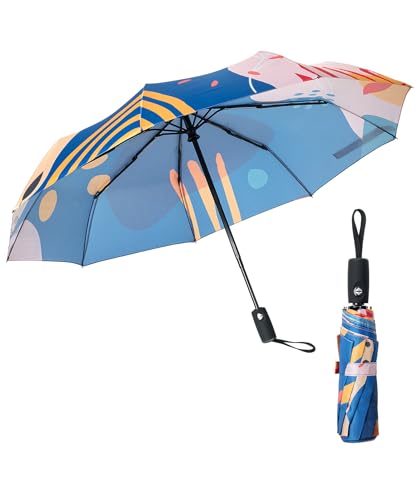
Mr. Pen windproof umbrella is expertly crafted to withstand strong winds with its durable, reinforced frame, ensuring it won’t flip in harsh conditions.
Frequently Asked Questions
What is the best time to travel to England?
For many travelers, late May through June and September provide the best balance of comfortable weather, usable daylight, and manageable crowds. July and August are better if your priority is peak summer atmosphere, festivals, beaches, and the longest sightseeing days.
What is the weather like in England during the summer?
Summer is generally mild to warm rather than consistently hot. Met Office 1991–2020 averages show England-wide daily maximum temperatures of about 19°C in June, 21.2°C in July, and 20.9°C in August. Rain and cooler spells are still possible, so a light waterproof layer is useful.
Are there events or festivals to consider when planning a trip to England?
Yes. Wimbledon, Notting Hill Carnival, music festivals, sporting events, and local celebrations can affect crowds and accommodation demand. For 2026, Wimbledon ran from June 29 to July 12 and Notting Hill Carnival takes place August 30–31. Glastonbury is taking a fallow year in 2026 and returns in June 2027.
Is England more crowded during the summer?
Generally, yes. July and August bring strong demand in London, historic cities, coastal resorts, and national parks. School holidays, festivals, and bank-holiday weekends can make individual dates even busier.
Which activities are best enjoyed during summer in England?
Summer works especially well for coastal trips, picnics, outdoor festivals, gardens, boating, hiking, cycling, and long sightseeing days. It is also an excellent season for visiting historic sites with extensive outdoor grounds, although popular locations can be crowded.
Does it rain all year in England?
Rain is possible in every month. There is no season when travelers can assume completely dry weather. Carrying a light waterproof layer is sensible even in summer, particularly for countryside and coastal trips.
When is a good time to visit England on a smaller budget?
Winter outside Christmas and New Year can offer good value for city breaks, while spring and autumn can provide a useful compromise between price, weather, and crowds. Rates vary widely by destination and event date, so compare your exact travel dates before booking.
Sources
- Met Office — Location-specific long-term averages — England’s 1991–2020 temperature, rainfall, and sunshine averages.
- The Championships, Wimbledon — Future Championship dates — official Wimbledon dates, including the 2026 Championships.
- Glastonbury Festival — Official information — confirms the 2026 fallow year and June 2027 return.
- Notting Hill Carnival — 2026 official information — current Carnival dates and schedule information.
- National Parks UK — Walking in National Parks — outdoor preparation and weather-safety advice.
- GOV.UK — Bank holidays — official England and Wales bank-holiday dates.
