

Last Updated on July 28, 2026 by Daniel Globe
England can be rewarding in every season, but the best time to travel depends on what matters most to you. For the strongest mix of comfortable weather, long daylight, gardens, sightseeing, and manageable crowds, late May through June and September are especially good choices. July and August are warmer but busier, while winter works well for festive cities, museums, and quieter off-holiday trips.
Quick Answer
The best time to travel to England for pleasant weather, long daylight, and manageable crowds is late May through June or September. July and August are warmest but busiest. Spring suits gardens and countryside trips, autumn brings changing leaves, and November through February is best for festive cities and lower off-holiday crowds.
Key Takeaways
- Best overall: Late May, June, and September balance comfortable weather with fewer peak-summer pressures.
- Warmest period: July and August usually provide England’s highest average temperatures, but they are also popular travel months.
- Best for gardens: April through June brings spring flowers, fresh greenery, and major horticultural events.
- Best for value and quieter sightseeing: March, parts of autumn, and winter outside the Christmas/New Year period can be calmer.
- Pack for change: Rain and sudden shifts in temperature are possible in every season, so layers and a lightweight waterproof are useful year-round.
Disclosure: As an Amazon Associate I earn from qualifying purchases. Some links on this page are affiliate links, at no extra cost to you.
Best Months to Visit England by Travel Style
| Travel Goal | Best Time | Why |
| Best overall balance | Late May–June, September | Comfortable temperatures, useful daylight, and generally less peak pressure than the height of summer. |
| Warmest weather | July–August | England normally reaches its highest average temperatures in midsummer. |
| Gardens and spring flowers | April–May | Daffodils, bluebells, flowering gardens, and major horticultural events make spring especially colorful. |
| Hiking and countryside trips | May–September | Longer days and generally milder conditions make walking more comfortable, although rain remains possible. |
| Autumn scenery | Late September–October | Woodlands and parks begin showing autumn color as temperatures cool. |
| Christmas atmosphere | Late November–December | Cities add lights, seasonal markets, theater, concerts, and festive events. |
Met Office 1991–2020 averages for England put the average daily maximum at about 16.2°C (61°F) in May, 21.2°C (70°F) in July, and 18.1°C (65°F) in September.
Spring in England: Gardens, Flowers, and Fresh Green Countryside
Spring is one of the most attractive times to visit England. Daffodils, tulips, magnolias, and later bluebells bring color to parks, gardens, country estates, and woodland. March can still feel chilly, but April and May usually bring longer days and steadily milder temperatures.
According to the Met Office’s long-term climate data, England’s average daily maximum rises from about 10.1°C (50°F) in March to 13.1°C (55°F) in April and 16.2°C (61°F) in May. Those are national averages, so southern England often feels warmer while northern and upland areas can remain cooler.
Spring is particularly rewarding for garden-focused trips. London, Kent, the Cotswolds, and many historic estates become increasingly colorful as the season advances. The RHS Chelsea Flower Show is one of the best-known spring events; the Royal Horticultural Society has confirmed the 2027 show for May 18–22.
The countryside also becomes livelier in spring. Walking routes that were muddy or exposed during winter often become more comfortable, birds are active, and longer daylight makes it easier to combine villages, gardens, and outdoor attractions in one day.
Pro Tip: Late April through May is an excellent window for travelers who care more about gardens, countryside walks, and moderate crowds than about having the year’s warmest weather.
Summer: The Warmest and Busiest Travel Season
June through August brings England’s warmest average weather and longest summer days. It is a popular period for London sightseeing, coastal trips, festivals, outdoor dining, castle visits, and walking holidays.
England-wide Met Office averages for 1991–2020 put the daily maximum at about 19.0°C (66°F) in June, 21.2°C (70°F) in July, and 20.9°C (70°F) in August. Southern England is generally warmer: the Met Office’s southern regional averages rise to roughly 22°C (72°F) in July. Hotter spells can push temperatures far above those averages, so travelers should not assume England is always cool in summer.
Summer also brings greater demand at major attractions and popular holiday areas. London, Cornwall, the Cotswolds, the Lake District, York, Bath, and well-known seaside towns can feel especially busy during holiday periods and major events. Advance booking becomes more valuable for popular attractions, rail journeys, and accommodations.
One of England’s signature summer events is Wimbledon. The All England Lawn Tennis Club has confirmed the 2027 Championships for June 28 through July 11.
Warning: Do not pack only for mild weather. England can experience summer heatwaves as well as cool, wet spells. Check the Met Office forecast shortly before each outdoor day and carry water and sun protection during hot weather.
Autumn: Foliage, Harvest, and Shoulder-Season Travel
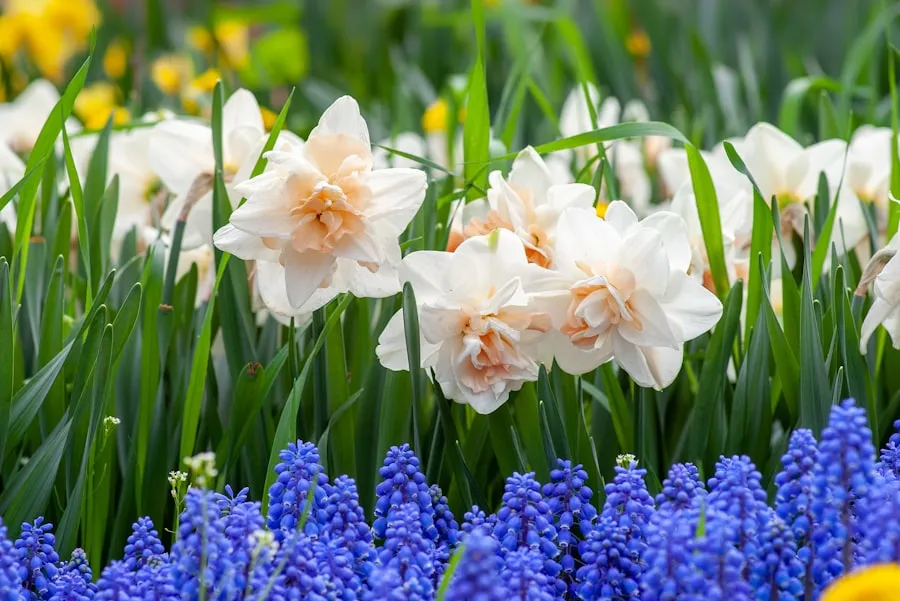
Seasonal note: The flowers pictured above are spring blooms. England’s autumn scenery is instead characterized by changing leaf color, berries, seed heads, and later-season landscapes.
September is one of England’s strongest all-around travel months. Summer warmth often lingers, but the busiest part of the school-holiday period has usually passed. England’s long-term September average daily maximum is about 18.1°C (65°F), making city walking, country drives, and hiking comfortable on many days.
Autumn color develops gradually rather than on one nationwide date. The timing depends on temperature, rainfall, tree species, elevation, and location. Late September into October is a useful general window for parks, woodland, country estates, and destinations such as the Cotswolds, Lake District, New Forest, Yorkshire, and rural southern England.
October tends to become cooler and wetter, but it can still be rewarding for travelers who value atmosphere and seasonal scenery over long days. Country pubs, harvest menus, historic towns, and woodland walks suit the season especially well.
Autumn is also a good time to watch for local harvest events, food festivals, and Bonfire Night celebrations around early November. Because individual events change each year, verify dates with the organizer before building flights or hotel bookings around them.
Winter: Festive Cities, Museums, and Shorter Days
Winter changes the type of trip that works best in England. Rather than expecting guaranteed snow, plan around museums, theaters, historic interiors, restaurants, Christmas lights, seasonal markets, and shorter outdoor excursions. Snow does occur, particularly in upland and northern areas, but it is not dependable across lowland England.
The table below uses Met Office 1991–2020 long-term averages for England instead of year-specific, unsourced snowfall figures.
| Typical England Winter Climate | December | January | February |
| Average daily maximum | 7.6°C / 46°F | 7.2°C / 45°F | 7.8°C / 46°F |
| Average daily minimum | 1.9°C / 35°F | 1.6°C / 35°F | 1.5°C / 35°F |
| Average days with at least 1 mm rain | 13.5 days | 13.1 days | 11.1 days |
Late November and December are attractive for travelers who enjoy festive atmosphere. London and many regional cities add Christmas lights, seasonal performances, shopping events, and markets. The tradeoff is limited daylight and strong demand around Christmas and New Year.
January and February can be quieter outside special events and school-holiday periods. They suit travelers who prioritize museums, restaurants, theater, and historic cities over gardens or long countryside days.
Off-Peak Travel: When to Avoid the Biggest Crowds
Traveling outside the height of summer can make England easier to explore. March, parts of April, September, October, and winter outside major holiday periods often provide a calmer experience than July and August.
September is particularly appealing because it combines relatively mild weather with a gradual reduction in peak-season pressure. March can be quieter still, but temperatures are lower and the weather is less predictable.
Off-peak does not mean everywhere will be quiet. Major exhibitions, football matches, concerts, school breaks, university events, and local festivals can fill hotels in individual cities regardless of season. Bank-holiday weekends can also increase domestic travel. Check the official GOV.UK bank-holiday calendar when choosing dates.
Travel costs also fluctuate by destination and demand rather than season alone. Instead of assuming that every shoulder-season trip will be cheap, compare accommodation and transport prices for your actual dates before booking.
Note: September is often a better compromise than simply choosing the lowest season. You give up some summer warmth and daylight, but many outdoor attractions remain practical while peak holiday pressure begins to ease.
Weather Considerations: What to Expect in England
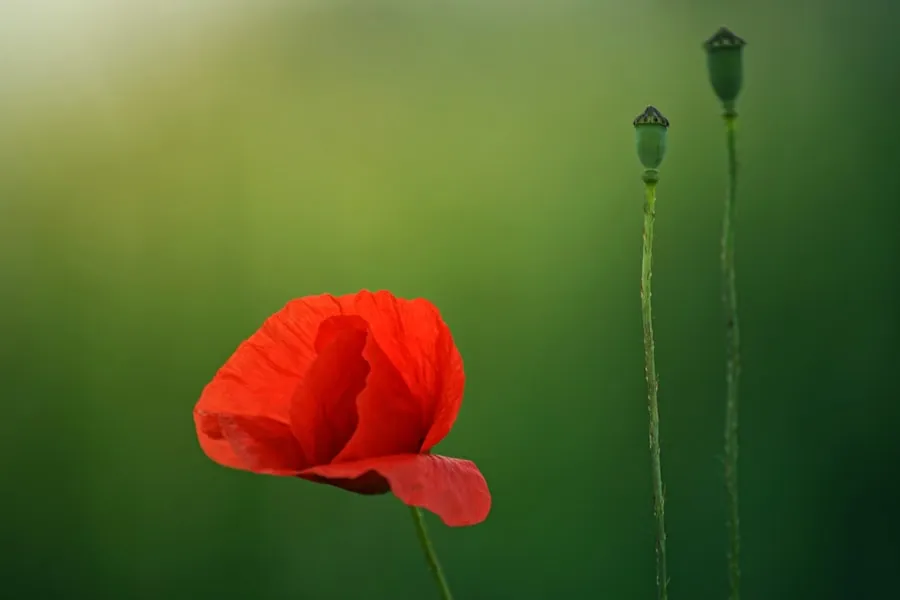
Seasonal note: Poppies are a warm-season sight in parts of England, and flowering times can shift with local weather conditions.
England’s weather varies by region and can change quickly. A bright morning does not guarantee a dry afternoon, and rainy days can still include long dry periods. That variability is why layers are usually more useful than packing for one fixed temperature.
Southern England and London
Southern England tends to be warmer than northern England. Met Office regional averages for the south put July’s average daily maximum at about 21.8°C (71°F), compared with lower averages farther north. London and inland areas can also become much hotter during heatwaves.
Northern England and Upland Areas
Northern England generally runs cooler, while upland areas such as parts of the Lake District, Yorkshire Dales, and Pennines can feel colder and wetter than nearby lowlands. Outdoor plans in these areas should be based on the local forecast rather than a national forecast alone.
Western and Coastal Areas
Atlantic-facing areas can experience more wind and unsettled weather. Coastal conditions can also feel cooler than inland temperatures suggest, especially outside midsummer.
A compact umbrella can be useful in cities, but a lightweight waterproof jacket is often more practical for countryside walks. Comfortable footwear with reasonable wet-weather grip is valuable in every season.
Special Events and Festivals: Plan Around Confirmed Dates
Events can turn an ordinary trip into a memorable one, but they can also increase accommodation demand. Verify important dates through the organizer rather than relying on an old annual-events list.
Several major English events already have confirmed 2027 dates:
- RHS Chelsea Flower Show: May 18–22, 2027 in London, according to the Royal Horticultural Society.
- Glastonbury Festival: June 23–27, 2027 at Worthy Farm in Somerset. The official Glastonbury site confirms that 2026 is a fallow year with no festival.
- Wimbledon: June 28–July 11, 2027 in London, according to the official Championships calendar.
Beyond these major events, England has food festivals, literary festivals, Pride celebrations, sporting fixtures, agricultural shows, Christmas programs, and local cultural events throughout the year. If an event is central to your trip, reserve accommodation early and check transport arrangements before paying for a non-refundable booking.
Best Time for Outdoor Activities: Hiking, Gardens, Beaches, and Sightseeing
Hiking and Countryside Walking
May through September is generally the most convenient period for long walking days because temperatures are milder and daylight is longer. That does not mean conditions will always be dry. Mud, rain, wind, and rapid changes in upland weather are possible even in summer.
The Lake District, Yorkshire Dales, Peak District, South Downs, and coastal paths can all be enjoyable in spring and autumn as well. Experienced walkers may enjoy winter routes, but shorter daylight and colder, wetter conditions require more careful planning.
Gardens and Flower Displays
April through June is a particularly strong period for travelers interested in gardens. Early spring brings daffodils and magnolias, while later spring produces broader displays in formal gardens, woodland, and country estates. Summer remains colorful, but spring generally offers the clearest concentration of classic seasonal blooms.
Beaches and Coastal Trips
July and August give you the best chance of warm conditions for seaside days in Cornwall, Devon, Dorset, Sussex, Kent, and other coastal areas. Even then, sea temperatures remain cool compared with many Mediterranean destinations, and windy or overcast days are possible.
City Sightseeing
May, June, and September are excellent for exploring London, Bath, York, Oxford, Cambridge, Canterbury, and other historic cities on foot. The weather is often comfortable enough for long walking days without the greatest likelihood of midsummer heat.
When Is the Best Time to Visit England for Lower Prices?
There is no single cheapest month for every part of England, but lower-demand periods can produce better accommodation choices than peak summer and major-event dates. January and February often work well for city breaks after the New Year period, while March and parts of autumn can offer useful shoulder-season opportunities.
Price patterns are less predictable in destinations driven by conferences, football, concerts, university calendars, or weekend tourism. Always compare your exact dates rather than relying on a general “low season” label.
What to Pack for England in Any Season
England rewards flexible packing. Even in summer, a cool evening or rainy day is possible, while spring and autumn can move between sunshine, showers, and chilly wind in a matter of hours.
- Year-round: lightweight waterproof jacket, comfortable walking shoes, and clothing that can be layered.
- Spring: sweater or fleece plus rain protection, especially in March and April.
- Summer: light clothing, sunscreen, sunglasses, water bottle, and one warmer layer for evenings.
- Autumn: waterproof outer layer and shoes suited to damp paths.
- Winter: warm coat, insulating layers, gloves, and weather-resistant footwear.
Check the local forecast shortly before departure and again before countryside or coastal excursions. The forecast for London may not reflect conditions in the Lake District, Cornwall, or another region several hours away.
Frequently Asked Questions
What is the best time to travel to England?
Late May through June and September are the best all-around choices for many travelers. They combine relatively mild weather, useful daylight, outdoor sightseeing, and less peak-season pressure than July and August. Choose midsummer instead if your main priority is England’s warmest average weather.
What is the weather like in England during summer?
England’s 1991–2020 average daily maximum is about 19.0°C (66°F) in June, 21.2°C (70°F) in July, and 20.9°C (70°F) in August. Southern England is warmer on average. Rain, cool spells, thunderstorms, and occasional heatwaves are all possible.
What major events should I consider when planning a trip to England?
Major examples include the RHS Chelsea Flower Show in spring, Glastonbury Festival in Somerset, and Wimbledon in London. For 2027, Chelsea is scheduled for May 18–22, Glastonbury for June 23–27, and Wimbledon for June 28–July 11. Glastonbury has no 2026 edition because the festival is taking a fallow year.
What are tourist crowds like during summer in England?
July and August are popular travel months, and major attractions, coastal destinations, and famous historic towns can be busy. Event dates, school-holiday periods, and bank-holiday weekends can add extra demand. Reserving important attractions and accommodations ahead of time is sensible.
Which activities are best enjoyed during summer in England?
Summer suits coastal trips, picnics, long sightseeing days, outdoor performances, countryside walks, gardens, and festivals. The long daylight also makes it easier to fit several outdoor stops into one day. Carry rain protection even when the forecast looks favorable.
Is May or September better for visiting England?
Choose May for spring flowers, gardens, fresh countryside, and longer days as summer approaches. Choose September for somewhat warmer average temperatures, lingering summer conditions, and the start of autumn atmosphere. Both are strong alternatives to peak midsummer.
Is winter a good time to visit England?
Yes, especially for museums, theater, restaurants, historic cities, Christmas lights, and seasonal events. Expect shorter days and cool, wet weather. Snow can occur but is not reliable in lowland England, so do not plan a winter trip around guaranteed snowy scenery.
Sources
- Met Office — UK climate and long-term averages — supports England’s seasonal temperature, rainfall, and regional weather guidance.
- VisitBritain — Spring events and seasonal travel — supports spring travel and seasonal activity guidance.
- GOV.UK — Bank holidays — official England and Wales bank-holiday calendar for trip planning.
- Royal Horticultural Society — RHS Chelsea Flower Show — official Chelsea Flower Show schedule.
- The Championships, Wimbledon — Future dates — official Wimbledon dates.
- Glastonbury Festival — Official information — confirms the 2026 fallow year and the 2027 festival dates.