

Last Updated on July 28, 2026 by Daniel Globe
El Salvador is small enough to combine Pacific beaches, volcano hikes, colonial towns, archaeological sites, and coffee-growing highlands in one trip, but the best time to visit depends on what you want to do. The country has a tropical climate with a drier period that generally runs from November through April and a wetter season from May through October. Elevation also matters: the coast stays hot and humid, while mountain areas can feel noticeably cooler.
Quick Answer
The best time to visit El Salvador for dry weather is generally November through April, with January and February especially reliable for hiking, beaches, and sightseeing. Surfers seeking larger South Pacific swells should look to March through October or November. Rainy-season travelers can find lush scenery and lighter crowds, but should plan around storms.
Key Takeaways
- November through April is generally the easiest period for hiking, sightseeing, road trips, and dependable beach weather.
- Serious surfers should not automatically choose the dry season: larger South Pacific swells commonly arrive from March through October or November.
- December and major holiday periods can be busy. Official tourism data shows December was El Salvador’s busiest month for international arrivals in 2024.
- Major cultural celebrations are not limited to the dry season. Fiestas Agostinas take place August 1–6, while Independence Day is September 15.
- May through October brings greener scenery and potentially fewer visitors, but heavy rain, landslides, and changing road conditions require more flexibility.
Disclosure: As an Amazon Associate I earn from qualifying purchases. Some links on this page are affiliate links, at no extra cost to you.
Best Time to Visit El Salvador by Travel Style
There is no single perfect month for every traveler. Dry-season visitors get easier hiking and road conditions, while surfers may prefer the wetter months because that is when stronger Southern Hemisphere swells reach the Pacific coast.
Best Time at a Glance
| Dry weather and sightseeing | November through April |
| Hiking and volcano trips | December through March |
| Larger surf | March through October or November |
| Gentler surf for newer surfers | Often December through February, depending on the break |
| Green scenery and possible lower-season deals | May through October, outside major holiday periods |
| Major cultural events | Semana Santa in March or April, Fiestas Agostinas August 1–6, and Independence Day September 15 |
The Best Time to Visit for Outdoor Activities
For travelers focused on hiking, volcanoes, road trips, and sightseeing, the dry season from roughly November through April is usually the easiest period to visit. Lower rainfall generally means firmer trails, fewer weather interruptions, and better visibility from mountain viewpoints.
January and February are particularly convenient for trips that combine the coast with highland destinations such as Ruta de las Flores, Cerro Verde, Santa Ana, and Suchitoto. March and April remain comparatively dry but can become hotter, especially at lower elevations and along the Pacific coast.
Volcano hikes require more planning than an ordinary walk. Santa Ana Volcano, also called Ilamatepec, rises to 2,381 meters and remains an active volcano. The Ministry of Environment and Natural Resources states that visitors climbing to the crater must be accompanied by an authorized guide.
Pro Tip: Start mountain activities early. Clouds, heat, and rain can increase later in the day, and managed volcano routes may have set entry times or limited capacity. Check current park rules before leaving your hotel.
The dry season is also good for ordinary beach trips, swimming, and exploring coastal towns. However, it is not automatically the best period for advanced surfing. El Salvador’s largest South Pacific swells usually arrive later, from about March through October or November.
The Ideal Time for Cultural Festivals and Events
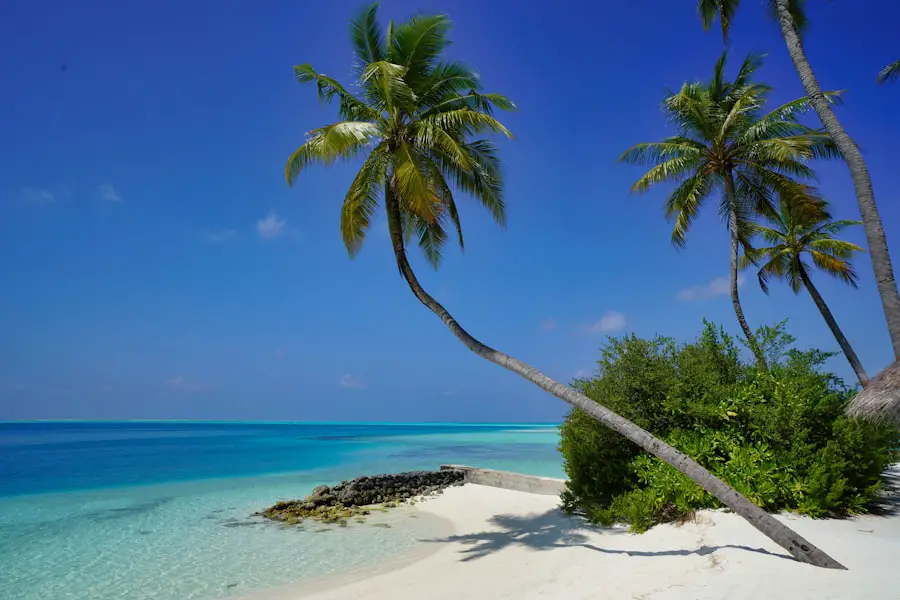
El Salvador’s major cultural celebrations take place in both the dry and rainy seasons, so festival travelers should choose their dates based on the event rather than weather alone.
Semana Santa, or Holy Week, falls in March or April depending on the year. Religious processions, church ceremonies, cultural programs, and holiday travel make this one of the country’s most important annual periods.
San Salvador’s Fiestas Agostinas take place annually from August 1–6 in honor of the Divino Salvador del Mundo. Celebrations include religious events, parades, entertainment, food, and public festivities. Because August is within the rainy season, visitors should plan for showers while also expecting holiday crowds.
El Salvador celebrates Independence Day on September 15, often with civic ceremonies, parades, flags, music, and school activities. September is normally one of the wetter parts of the year, so travelers attending outdoor events should carry rain protection.
December brings Christmas celebrations and seasonal activities in towns and cities, including programming around San Salvador’s historic center. Event schedules can change each year, so confirm dates through official tourism or municipal calendars before booking a trip specifically around a festival.
The Peak Tourist Season in El Salvador
The dry season overlaps with some of El Salvador’s busiest travel periods, but demand is not evenly distributed across every month. Christmas, New Year’s, Semana Santa, and other major holidays can produce particularly heavy domestic and international travel.
| Period | What to Expect |
| December–early January | Dry weather plus Christmas and New Year travel. MITUR reported 431,674 international visitors in December 2024, the highest monthly figure that year. |
| January–February | Popular dry-season months for beaches, hiking, sightseeing, and winter escapes. |
| Semana Santa | High demand at beaches, cultural sites, parks, roads, and accommodations during the movable March-or-April holiday period. |
| August 1–6 | Fiestas Agostinas create another busy domestic holiday period even though August is within the rainy season. |
Travelers visiting during Christmas, New Year’s, Semana Santa, or the August holidays should reserve popular hotels, guided volcano hikes, and transportation earlier than they would during ordinary weeks.
El Salvador received 3.9 million international visitors in 2024, and December was the year’s busiest month with 431,674 international arrivals, according to the Ministry of Tourism.
The Off-Peak Season for Budget Travelers
May through October can work well for travelers who value green landscapes, a more flexible schedule, and the possibility of finding lower-season accommodation rates. Prices vary by hotel and destination, however, so the rainy season should not be treated as a guaranteed discount period.
There are also important exceptions. Fiestas Agostinas in early August and Independence Day activities in September can increase demand in certain places even during the wetter half of the year.
Rainy-season visits can be especially rewarding around lakes, coffee country, forests, and mountain scenery. Joya de Cerén is also worth adding to a cultural itinerary. It is El Salvador’s only property currently inscribed on the UNESCO World Heritage List and preserves the remains of a pre-Hispanic farming community buried by a volcanic eruption.
Lake Coatepeque is another popular stop, but it is not a UNESCO World Heritage Site. It is a volcanic lake near Santa Ana known for panoramic views and water activities.
Month-by-Month Guide to El Salvador
January and February: Among the easiest months for hiking, sightseeing, beaches, and road trips. Expect dry conditions in most areas and cooler mornings at elevation.
March and April: Still mainly dry, but temperatures rise. Larger Pacific swells begin becoming more common. Semana Santa can make beaches, parks, roads, and hotels extremely busy.
May and June: The rainy season becomes established. Landscapes turn greener, humidity rises, and thunderstorms become more frequent. Surf conditions strengthen as Southern Hemisphere swells arrive.
July and August: Rain continues, although El Salvador often experiences a midyear canícula, a period when rainfall temporarily decreases. Conditions vary from year to year. August also brings the major Fiestas Agostinas holiday period.
September and October: Typically among the wetter months, with a greater chance of periods of heavy rainfall. These months can still deliver excellent surf but require the most flexibility for road trips and hiking.
November: A transition toward drier weather. It can be an attractive shoulder period for travelers who want greener scenery without the peak Christmas-season demand.
December: Dry-season weather combines with Christmas and New Year travel. It is a good time for outdoor activities but can also be one of the busiest periods of the year.
Weather Considerations for Traveling to El Salvador
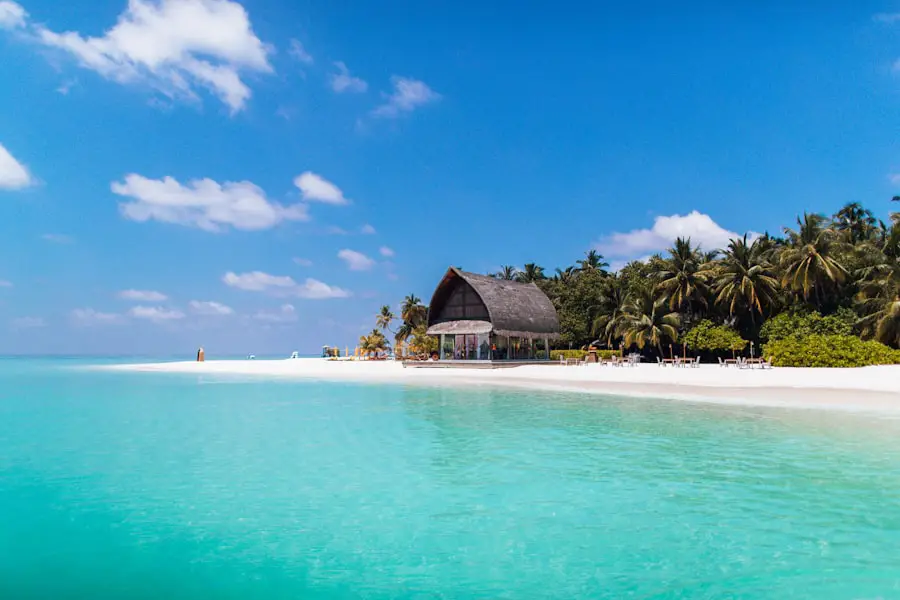
El Salvador is tropical, but temperatures vary considerably with elevation. Coastal destinations such as La Libertad, El Tunco, and Costa del Sol are generally hot and humid. Higher places around Santa Ana, Apaneca, Cerro Verde, and northern mountain areas can feel cooler, especially early in the morning and at night.
The rainy season normally begins during May and extends into October, but it does not follow an identical pattern every year. The Ministry of Environment and Natural Resources’ 2026 climate outlook, for example, projected an early canícula and periods of reduced rainfall linked to developing El Niño conditions.
September and October often bring some of the highest rainfall totals. Heavy rain can affect mountain trails, river levels, visibility, and roads, particularly in hilly terrain.
Warning: Heavy rainy-season storms can trigger landslides and make roads more difficult to navigate. Check official weather and road information before mountain trips, avoid crossing flooded roads or streams, and allow extra travel time after prolonged rain.
Products Worth Considering

Polyester Fabric with Sun Protection: This Sun Protection Hoodie uses polyester, a lightweight and breathable material. The thin weave blocks UV rays while allowing airflow,...
Coast vs. Highlands
The Pacific coast stays warm year-round, so travelers normally need lightweight clothing even during the dry season. Highland destinations can be noticeably cooler and windier. A light layer is useful for early-morning volcano outings, while sun protection remains important at altitude.
Tips for Traveling During the Rainy Season
A rainy-season trip does not necessarily mean losing entire days to bad weather. The better strategy is to build flexibility into the itinerary and check the local forecast each morning.
Schedule weather-sensitive activities such as volcano hikes, viewpoints, and long drives for periods when conditions are stable. Keep one or two indoor alternatives available, such as museums, historic buildings, markets, restaurants, or archaeological attractions.
Pack a lightweight rain jacket, fast-drying clothes, a dry bag or waterproof pouch for electronics, insect repellent, and footwear with reliable grip. For city walking and lighter excursions, a pair of waterproof sneakers for travel can be useful, while steeper or muddy mountain trails call for more supportive hiking footwear.
Do not assume that a sunny morning guarantees dry conditions later in the day. Conversely, a wet forecast does not always mean continuous rain. Use current local forecasts instead of planning around a fixed daily rain schedule.
Note: July and August can include a canícula, a temporary reduction in rainfall during the wet season. Its timing and intensity vary, so it should not be treated as a guaranteed dry-weather window.
Products Worth Considering


High quality special waterproof and windproof fabric offers a breathable and comfortable wear experience in any kinds of weather condition

MATERIAL: 100% Polyester Waterproof Material With Striped Cotton Lined, Breathable, Soft Touch, Windproof, Easy To Package.
Special Considerations for Surfing and Beach Activities
El Salvador’s Pacific coast produces surf throughout the year, but wave size changes with the season. According to El Salvador’s official tourism guidance, larger waves generated by Southern Hemisphere storms arrive regularly from roughly March through November. December through February still have waves, but conditions are generally smaller.
El Sunzal is particularly consistent and can break throughout the year. Official tourism information notes that waves of about 8 to 15 feet can occur there during the stronger March-to-October swell period. That does not mean every day reaches those heights, and individual breaks respond differently to swell direction, tide, and local conditions.
For advanced surfers seeking powerful waves, the wetter part of the year can therefore be more attractive than the dry season. Breaks such as Punta Roca, El Sunzal, El Zonte, Las Flores, and Punta Mango can receive strong South Pacific energy.
Beginners have different priorities. Official tourism guidance for Las Flores, for example, describes December and January as a period of gentler waves suited to beginner and intermediate surfers, while March through October produces much larger surf.
Note: The “best surf season” depends on skill level. Large-swell months may be ideal for experienced surfers but unsuitable for beginners. Ask a reputable local surf school about the day’s break, tide, currents, and swell before entering unfamiliar water.
Beach visitors who are not surfing should also pay attention to currents and changing conditions, particularly after storms. Choose beaches appropriate for your swimming ability and follow local warnings.
Products Worth Considering

Perfect for Cool/Cold Waters: Designed for surf wax water needs, working best in Water temperatures 69°F / 20°C and Below—apply with a surfboard wax for optimal texture.

Perfect for Warm-Tropical Waters: Designed for warm water surf wax needs, working best in temperatures 69°F/20°C and above—apply with a surfboard wax for optimal texture.

Country Of Origin : United States
Travel Safety and Volcano Precautions
Travel conditions in El Salvador have changed substantially in recent years, so older travel articles may give an outdated picture. As of June 25, 2026, the U.S. Department of State rates El Salvador Level 1: Exercise Normal Precautions.
The advisory still highlights practical transportation risks. Road conditions, mountainous terrain, rainy-season landslides, and limited street lighting can make travel more difficult. U.S. government employees are prohibited from intercity or interdepartmental travel at night, which is a useful reminder for visitors to plan longer road journeys during daylight when possible.
Volcanic activity is another consideration. Santa Ana and San Miguel are active volcanoes. Follow official closures and instructions from park rangers, guides, and the Ministry of Environment rather than relying on an old itinerary or blog post.
At Santa Ana Volcano, the Ministry of Environment states that an authorized guide is required for the climb to the crater. Officials also advise limiting time at the summit because volcanic gases may affect people with respiratory sensitivities.
Frequently Asked Questions
What is the best time to travel to El Salvador?
November through April is generally the best period for travelers who want drier weather, easier hiking, beach days, and sightseeing. January and February are especially convenient. Surfers looking for larger waves may prefer March through October or November instead.
What is the weather like during the dry season?
The dry season is usually warm with much less rain than the May-to-October wet season. Coastal areas remain hot, while highland locations can be cooler, especially at night and early in the morning. March and April tend to feel hotter as the rainy season approaches.
Does it rain all day during El Salvador’s rainy season?
Not necessarily. Rainfall timing and intensity vary by day and region. Some periods have isolated storms, while larger weather systems can produce prolonged heavy rain. September and October are often particularly wet, so travelers should keep itineraries flexible and check current forecasts.
When is the best time to surf in El Salvador?
For larger, more powerful waves, the main South Pacific swell season generally runs from March through October or November. December through February often brings smaller conditions that may suit less-experienced surfers at appropriate breaks.
Which festivals should travelers consider?
Important periods include Semana Santa in March or April, Fiestas Agostinas in San Salvador from August 1–6, Independence Day on September 15, and Christmas-season celebrations in December. Exact event schedules should be confirmed before travel.
What attractions are good during the dry season?
Popular options include Ruta de las Flores, El Tunco and the La Libertad coast, Joya de Cerén Archaeological Site, Lake Coatepeque, Suchitoto, Cerro Verde, and guided hikes around Santa Ana Volcano. The dry season generally makes mountain trails and road trips easier.
Is El Salvador safe for travelers?
As of June 25, 2026, the U.S. Department of State rates El Salvador Level 1: Exercise Normal Precautions. Travelers should still follow current official guidance, use normal personal-security measures, plan intercity road travel carefully, and pay extra attention to landslide and road risks during heavy rain.
Sources
- El Salvador Ministry of Environment and Natural Resources — 2026 rainy-season outlook — current seasonal rainfall, canícula, temperature, and El Niño guidance.
- El Salvador Ministry of Environment and Natural Resources — Santa Ana Volcano guidance — authorized-guide requirement, volcanic activity, hiking precautions, and elevation.
- El Salvador Travel — surfing season — timing of larger South Pacific swells and year-round surfing conditions.
- El Salvador Ministry of Tourism — 2024 tourism statistics — annual international visitor volume and December peak.
- UNESCO World Heritage Centre — Joya de Cerén Archaeological Site — World Heritage status and archaeological background.
- U.S. Department of State — El Salvador Travel Advisory — current advisory level and transportation, weather, and volcano guidance.
