

Last Updated on July 28, 2026 by Daniel Globe
Copenhagen changes dramatically with the seasons, so the best time to visit depends on what matters most to you. Summer brings the warmest weather, longest days, outdoor dining, and major festivals, while spring and autumn offer a calmer atmosphere and comfortable sightseeing. Winter is colder and darker but stands out for Christmas markets, lights, cafés, and Danish hygge.
Quick Answer
For most travelers, the best time to visit Copenhagen is from May through August for mild weather, long days, outdoor dining, and festivals. Choose April, May, September, or October for a quieter city, and visit from mid-November through December if Christmas markets, lights, and cozy winter experiences are your priority.
Key Takeaways
- May through August is the easiest period for outdoor sightseeing, long days, harbor activities, and festivals.
- Spring and early autumn balance pleasant sightseeing conditions with a generally calmer atmosphere than midsummer.
- November and December are best for Christmas markets, Tivoli’s festive season, lights, gløgg, and hygge.
- Winter can be cold, wet, windy, or snowy, so do not plan a trip around guaranteed snow.
- Major festivals change dates each year, so confirm schedules before booking flights around a specific event.
Disclosure: As an Amazon Associate I earn from qualifying purchases. Some links on this page are affiliate links, at no extra cost to you.
When Is the Best Time to Visit Copenhagen?
There is no single perfect month for every visitor. Summer is the safest choice if you want mild weather and maximum time outdoors, but it also brings more visitors to central attractions such as Nyhavn and Tivoli. Spring and autumn suit travelers who prefer cooler sightseeing weather, while late November and December are ideal for Copenhagen’s festive side.
| Season | Best For | Main Tradeoff |
| Spring March-May |
Flowers, parks, cycling, outdoor cafés, fewer peak-summer crowds | Temperatures can change quickly, especially in March and April |
| Summer June-August |
Warm weather, long days, harbor life, festivals, outdoor dining | Popular attractions and accommodations can be busier |
| Autumn September-November |
Fall colors, museums, Culture Night, cooler sightseeing | Increasing rain, wind, and shorter days |
| Winter December-February |
Christmas atmosphere, cafés, museums, hygge, fewer visitors after the holidays | Cold weather and short daylight hours |
According to VisitCopenhagen’s seasonal weather guide, average monthly temperatures rise from about 2.4°C (36.6°F) in January to around 18°C (64.4°F) in July. Actual daily conditions can be warmer or colder, so layers and rain protection are useful in every season.
Copenhagen’s average monthly temperature is about 18°C (64.4°F) in July, compared with roughly 2.4°C (36.6°F) in January, so the experience changes substantially by season.
Winter in Copenhagen: Christmas Lights, Hygge, and Quieter Streets
Copenhagen in winter can be beautiful, but travelers should expect cold, variable weather rather than guaranteed snow. Snowfall is possible, while rain, wind, damp streets, and temperatures close to freezing are also normal parts of a Copenhagen winter. VisitCopenhagen describes typical winter temperatures as roughly 0–5°C (32–41°F).
Nyhavn remains one of the city’s most atmospheric areas in winter. Its colorful facades, canal, cafés, and holiday lights create a very different experience from the crowded summer waterfront. During the Christmas period, decorated stalls and the scent of gløgg add to the festive atmosphere.
Winter is also a good season for slower sightseeing. Museums, shops, restaurants, bakeries, and cafés remain useful options when the weather becomes uncomfortable, and visitors may encounter fewer tourists after the Christmas and New Year period.
Christmas at Tivoli Gardens
Tivoli Gardens, which officially opened on August 15, 1843, is one of Copenhagen’s most recognizable attractions. Its Christmas season adds thousands of lights, decorated trees, festive stalls, rides, seasonal food, and entertainment.
Tivoli is not continuously open throughout the entire winter, however. Its official seasonal calendar lists Christmas in Tivoli from November 13 through January 3 for the current 2026–27 season. Travelers visiting later in winter should verify operating dates before building a day around the park.
Note: Come for Copenhagen’s Christmas atmosphere rather than guaranteed snow. A waterproof outer layer, warm shoes, gloves, and clothing that can handle wind are more useful than planning specifically for a snowy cityscape.
Springtime Splendor: Embracing the Blooming Beauty of Copenhagen
Spring brings longer days, greener parks, blooming trees, sidewalk cafés, and more outdoor activity. March can still feel wintry, but April and May gradually make walking, cycling, picnics, and canal-side sightseeing more comfortable.
Springtime in the City’s Parks and Gardens
King’s Garden beside Rosenborg Castle becomes a popular place for picnics and leisurely walks as the weather improves. Copenhagen’s other gardens and parks also begin filling with residents enjoying the first warmer days of the year.
Spring flowers are especially photogenic around the city. Cherry blossoms are a seasonal highlight at places such as Bispebjerg Cemetery and Langelinie Park, although bloom timing varies with the weather.
Celebrating Spring with Cultural Events
A better spring event to plan around than the Copenhagen Jazz Festival is the Copenhagen Sakura Festival. The event is associated with the cherry trees at Langelinie Park and normally takes place around the end of April, bringing Japanese cultural performances and activities to the park.
The Copenhagen Jazz Festival belongs to summer rather than spring. Its official 2026 programme ran from July 3 through July 12.
A Season of Joy and Renewal
Spring works particularly well for travelers who enjoy parks, architecture, museums, cycling, and outdoor cafés but do not need peak-summer temperatures. May is especially attractive because the city is greener and days are much longer than in early spring.
Pro Tip: For a balance of outdoor weather and fewer peak-summer visitors, consider May or September. Bring layers and a light waterproof jacket because Copenhagen weather can change quickly.
Summer Fun: Making the Most of the Long Days in Copenhagen

Summer in Copenhagen is characterized by long days, outdoor dining, active parks, waterfront life, and a packed cultural calendar. VisitCopenhagen describes typical summer conditions around 20–25°C (68–77°F), while its published monthly averages are approximately 16°C in June, 18°C in July, and 17.9°C in August.
Nyhavn becomes particularly lively as visitors and residents gather at waterfront cafés while boats move through the canal. Copenhagen’s parks, harborfront, urban beaches, and outdoor restaurants also make summer an easy season for travelers who prefer spending most of their day outside. You can explore more seasonal ideas in VisitCopenhagen’s guide to sunshine in Copenhagen.
Major Summer Festivals
The Copenhagen Jazz Festival is one of the city’s major summer events. The official 2026 festival schedule ran from July 3 through July 12, with performances across central Copenhagen and surrounding neighborhoods.
Copenhagen Pride is another important August event. In 2026, Copenhagen Pride Week runs from August 8 through August 16, with the parade scheduled for August 15.
Food-focused travelers can also look at Copenhagen Cooking. The official 2026 Copenhagen Cooking programme runs from August 21 through August 30 and includes dining events, workshops, tastings, food markets, and other culinary experiences.
Distortion adds street parties, music, and nightlife to Copenhagen’s early-summer calendar. Festival dates and formats can change from year to year, so check the official programme before arranging a trip around a particular event.
Summer’s main drawback is demand. Central attractions can be busy, and travelers targeting a major festival weekend should book accommodation earlier than they would for a flexible shoulder-season trip.
Fall Foliage: Enjoying the Autumn Colors in Copenhagen
| Location | Best Time to Visit | Popular Spots |
| Copenhagen, Denmark | Late September through October for autumn atmosphere; foliage timing varies with the weather | Tivoli Gardens, Frederiksberg Gardens, King’s Garden, Ørstedsparken, Dyrehaven |
As summer fades, Copenhagen’s parks and gardens shift from green toward yellow, orange, and brown. Frederiksberg Gardens, King’s Garden, Ørstedsparken, and Dyrehaven are good choices for an autumn walk, although the timing and intensity of fall color varies each year.
Autumn is cooler and increasingly changeable. VisitCopenhagen describes typical autumn temperatures around 10–15°C (50–59°F), with a mixture of clear days and wet or windy ones. September is generally milder than November, so travelers focused on outdoor sightseeing may prefer the earlier part of the season.
Culture Night and Autumn Events
Instead of relying on an unverified Copenhagen Literature Festival, travelers can plan around Copenhagen’s established Culture Night. In 2026, Culture Night takes place October 9, when more than 200 cultural institutions are expected to participate in a citywide evening of events and special access.
Late October also brings Halloween decorations and seasonal activities, including Tivoli’s Halloween season. This gives autumn visitors a mix of fall colors, museum weather, cultural events, and seasonal entertainment.
Festive Season: Experiencing the Christmas Magic in Copenhagen
From mid-November into December, Copenhagen becomes one of its most atmospheric versions of itself. Christmas lights brighten the short days, markets appear around the city, and cafés serve seasonal drinks and food.
Nyhavn is particularly festive at this time of year, with decorated stalls along its historic waterfront. Christmas markets elsewhere in central Copenhagen offer crafts, gifts, food, æbleskiver, and gløgg.
Tivoli Gardens takes center stage during the festive season with decorated trees, illuminated gardens, stalls, rides, and entertainment. Its exact opening calendar should always be checked before booking because Tivoli operates in defined seasons rather than staying open continuously throughout winter.
Christmas is one of the most appealing times to experience Danish hygge, but it is not necessarily a low-demand period. Travelers who specifically want December weekends, Tivoli, and central Christmas markets should reserve accommodation ahead of time.
Outdoor Adventures: Exploring Copenhagen’s Parks and Gardens

Products Worth Considering
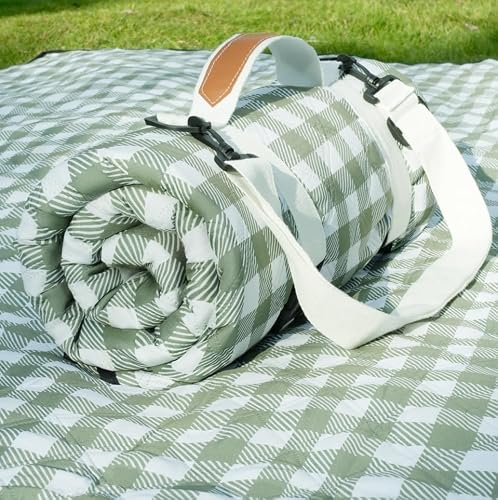
【Oversized for 4-8 adults】The size of this picnic blanket is 80"x80", making picnic blankets perfect for family picnic blankets or outdoor blankets. This large blanket comfortably accommodates 4-8 people or let 4 lie down, making it a good choice for camping blanket

80*80 Oversized for 4-8 Adults: ZAZE Picnic blankets unfolded size is 80''x 80'', it’s large enough to fit for 6-8 adults for siting or 4 adults of lying, giving your family and pets a large area to play

COMFORTABLE LARGE HANDLE STRAPS - The handle strap with double ring buckle is convenient to carry, and can easily fold and fix the picnic mat,saving a lot of space on the travel
Expansive Green Spaces
Copenhagen’s parks offer room for picnics, walking, running, cycling, play, and simple breaks from the busier city center. Fælledparken is one of the city’s large public parks and includes lawns, sports areas, playgrounds, and space for community activities.
Spring through early autumn provides the most comfortable conditions for spending long periods outdoors, although Copenhageners use the city’s green spaces throughout the year.
A Botanical Oasis
The Botanical Garden in central Copenhagen provides a quieter alternative to the city’s busy sightseeing corridors. Visitors can explore outdoor plant collections as well as historic glasshouses containing species suited to warmer climates.
Something for Everyone
Travelers looking for a relaxed outdoor day can combine parks and waterfront walks, while more active visitors can explore Copenhagen by bicycle or follow paths through the city’s larger green spaces. Conditions are most inviting in late spring and summer, while autumn adds colorful foliage and cooler walking weather.
Cultural Delights: Attending Festivals and Events in Copenhagen
Copenhagen’s cultural calendar includes music, food, design, street events, exhibitions, and celebrations throughout the year. The strongest festival period is summer, but there are worthwhile events in every season.
The Copenhagen Jazz Festival fills venues and outdoor spaces with music in July. Distortion brings street culture and music to city neighborhoods in early summer. Copenhagen Pride follows in August, while Copenhagen Cooking adds a major food programme later that month.
Autumn visitors can look to Culture Night, while Christmas markets and Tivoli’s festive programme dominate late November and December. Because dates can shift annually, travelers planning a trip around one particular festival should verify the organizer’s current programme before purchasing nonrefundable travel.
Note: The event dates in this guide that specify 2026 are current as of July 28, 2026. Recurring festivals do not necessarily use the same dates every year.
Budget-Friendly Tips: Navigating Copenhagen’s Seasons on a Budget
Exploring Copenhagen does not require paying for every attraction. Walking Nyhavn, visiting public parks, exploring neighborhoods, seeing the exterior of Amalienborg, and enjoying much of the harborfront can all be done without an admission charge.
Be careful with old advice claiming Copenhagen’s major museums are generally free on certain days. For example, SMK – the National Gallery of Denmark currently lists regular admission of DKK 140 for adults and DKK 95 for visitors under 27, while guests under 18 enter free. SMK does hold selected free events, including scheduled SMK Fridays, so check the current programme rather than assuming general admission will be free.
Public transportation can also help control costs. Copenhagen’s integrated ticket system covers metro, buses, trains, and harbor buses within the zones purchased. A City Pass can make sense when you expect to take several rides over one or more days, while travelers who mainly explore central Copenhagen on foot may spend less using individual tickets.
Food halls, bakeries, casual eateries, supermarkets, and picnics can cost less than relying on full-service restaurants for every meal. Copenhagen also has many parks and waterfront spaces where travelers can eat outdoors in pleasant weather.
Season matters too. Summer and the Christmas period can create heavier demand in popular areas, while less crowded periods give travelers more flexibility. Compare accommodation prices across several dates rather than assuming one season will always be cheapest.
For broader trip preparation, this TakeTravelInfo travel adapter guide can help with packing electronics, but seasonal Copenhagen decisions should be based on current local weather and event information.
What to Pack for Copenhagen by Season
Products Worth Considering

WATERPROOF jackets for men built with unique Helly Tech breathable waterproof membrane to keep you dry and comfortable while you work

WATERPROOF jackets for men built with unique Helly Tech breathable waterproof membrane to keep you dry and comfortable while you work
Spring
Pack layers, comfortable walking shoes, a light waterproof jacket, and something warmer for mornings and evenings. March requires noticeably warmer clothing than late May.
Summer
Bring light layers, comfortable walking shoes, sunglasses, and rain protection. Even during summer, a light sweater or jacket can be useful in the evening or near the water.
Autumn
Pack a warmer layer, wind-resistant outerwear, rain protection, and shoes suited to wet pavement. Conditions become progressively cooler from September into November.
Winter
Bring an insulated coat, warm layers, gloves, a hat, and shoes that handle cold and wet streets. Waterproofing and wind protection can matter as much as insulation.
Frequently Asked Questions
What is the best time to travel to Copenhagen?
May through August is best for most first-time visitors because the weather is milder, days are long, parks and waterfront areas are active, and major festivals take place. May and September are particularly appealing for travelers who want good sightseeing conditions without focusing on peak summer.
What is the weather like in Copenhagen during summer?
Copenhagen summers are generally mild rather than extremely hot. VisitCopenhagen describes typical summer weather around 20–25°C (68–77°F), while monthly mean temperatures are approximately 16–18°C from June through August. Rain and cooler days can still occur.
Which festivals take place during Copenhagen’s summer?
Major summer events include the Copenhagen Jazz Festival, Copenhagen Pride, Copenhagen Cooking, and Distortion. In 2026, the Jazz Festival ran July 3–12, Pride Week runs August 8–16, and Copenhagen Cooking runs August 21–30. Dates change each year.
Is Copenhagen crowded in summer?
Summer is one of Copenhagen’s busiest visitor periods, especially around Nyhavn, Tivoli, major attractions, and festival dates. Booking accommodation and high-priority attractions ahead is sensible if you are traveling in July, August, or during a major event.
What are the best outdoor activities in Copenhagen?
Popular outdoor options include walking along Nyhavn and the harbor, exploring King’s Garden and Frederiksberg Gardens, cycling through the city, taking a canal tour, picnicking in parks, and spending time around Copenhagen’s waterfront and urban beaches. Late spring through early autumn offers the easiest weather for these activities.
Sources
- VisitCopenhagen — Copenhagen Weather: A Guide to All Seasons — seasonal temperatures and weather guidance.
- Tivoli Gardens — Opening Hours and Seasons — current Tivoli seasonal opening periods and Christmas schedule.
- Copenhagen Jazz Festival — 2026 Schedule — verifies the July 3–12, 2026 festival dates.
- Copenhagen Pride — Pride 2026 — verifies Copenhagen Pride Week and parade dates.
- Copenhagen Cooking — 2026 Programme — verifies the August 21–30, 2026 food festival.
- SMK — National Gallery of Denmark — current admission information and visitor details.
