
Last Updated on August 26, 2026 by Daniel Globe
China is so large that there is no single perfect travel season for every destination. A cool, dry week in Beijing can coincide with warmer, wetter conditions much farther south. For most first-time visitors, however, spring and autumn provide the easiest balance of comfortable sightseeing weather, attractive scenery, and manageable travel conditions outside major public holidays.
Quick Answer
For most first-time trips to China, the best times are April to May and September to October, when many major sightseeing cities have milder weather. Avoid the busiest national-holiday periods, especially Spring Festival, May Day, and National Day. Regional climate matters: southern China is wetter, while northern China has colder winters and hotter summers.
Key Takeaways
- Best overall: April to May and September to October suit many classic China itineraries.
- Best for fewer crowds: Travel between major public holidays rather than during Spring Festival, Labor Day, or National Day.
- Summer: Expect heat and increased rainfall across many regions, with tropical-cyclone risk affecting parts of southern and coastal China.
- Winter: Northern China can be very cold, while far-southern destinations offer much milder conditions.
- Most important: Match your dates to your exact route because Beijing, Xi’an, Chengdu, Shanghai, Guangzhou, and western China do not share the same climate.
Disclosure: As an Amazon Associate I earn from qualifying purchases. Some links on this page are affiliate links, at no extra cost to you.
Spring: One of the Best Times to Visit China
Spring brings fresh greenery, flowering parks, and increasingly mild sightseeing weather across much of China. April and May are particularly popular for itineraries combining major historical cities and outdoor attractions because daytime conditions are often more comfortable than in midsummer.
Conditions are not identical nationwide. Beijing has a relatively short spring that can be dry, windy, and changeable, while southern China becomes warmer and wetter much earlier. Travelers heading through several regions should therefore pack light layers and prepare for both sunshine and rain rather than relying on one nationwide forecast.
Spring is particularly appealing for city walks, the Great Wall, temple complexes, gardens, and outdoor archaeological sites. Xi’an warms quickly during spring but can remain dry and windy, while Chengdu generally has a useful travel window from spring into early summer.
Pro Tip: If you want spring weather with fewer domestic holiday crowds, avoid scheduling your most important sightseeing days during China’s Labor Day holiday. In 2026, the official Labor Day break ran from May 1 through May 5.
Summer: Heat, Rain, Festivals, and Longer Days
Hotter and Wetter Weather
June through August is one of the busiest periods for family travel, but it is also the season when heat, humidity, thunderstorms, and heavy rain can affect many popular routes. Beijing’s climate is hot and rainy in summer, and roughly 70% of its annual precipitation falls during that season. Southern cities can have an even longer wet period.
Guangzhou, for example, has a rainy season that generally extends from April through September. May and June are especially wet, while tropical cyclones become an additional concern during parts of summer and early autumn along southern and southeastern coastal areas.
Where Summer Can Still Work
Summer is not automatically a bad time to visit China. It may work well for travelers tied to school holidays, people heading to higher-elevation areas, or visitors who are willing to structure sightseeing around early mornings, indoor attractions, and afternoon weather. The trade-off is that flexible scheduling becomes more important.
In major cities, start exposed outdoor attractions early, carry drinking water, and leave room in the itinerary for weather delays. Museums, historic interiors, shopping areas, and evening activities can provide useful alternatives during the hottest part of the day.
Summer Festivals and Cultural Experiences
China’s traditional calendar adds another reason to travel in warmer months. The Dragon Boat Festival, or Duanwu Festival, is associated with dragon-boat racing, traditional foods, and local celebrations. Because traditional festivals follow the lunar calendar, their Gregorian dates change from year to year.
Warning: Summer storms can disrupt mountain roads, ferries, flights, and outdoor attractions. Check local forecasts shortly before each travel day instead of relying only on historical monthly averages.
Autumn: Excellent Weather for Many Classic Routes
September and October are among the strongest months for a first trip to China. Summer heat begins to ease in many regions, skies can become clearer in northern destinations, and walking conditions are often more comfortable for long sightseeing days.
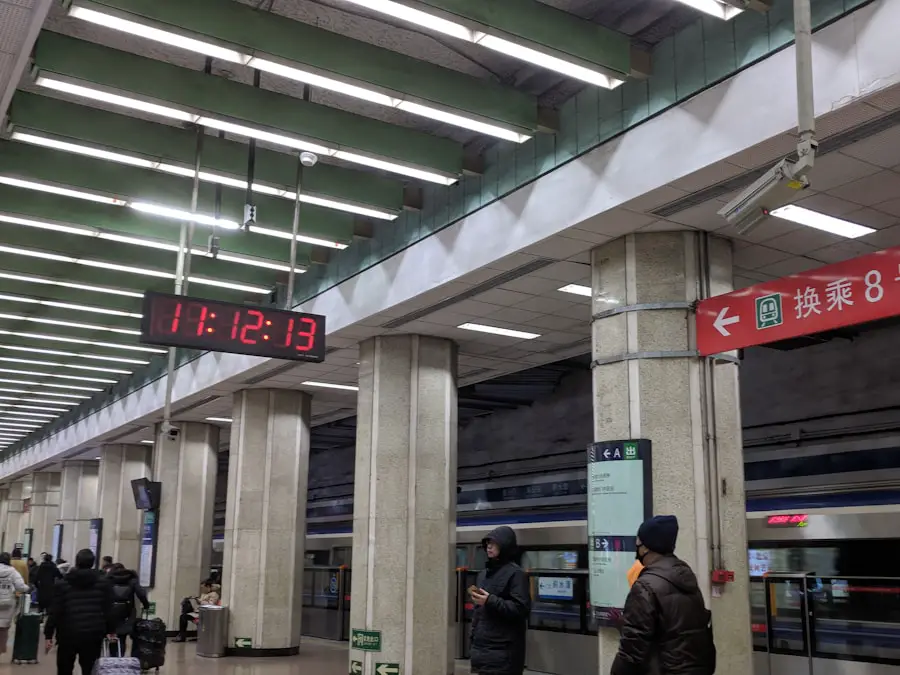
Beijing is a particularly good example. China Weather describes autumn there as clear, crisp, sunny, and generally comfortable. These conditions suit long outdoor days at places such as the Great Wall, imperial parks, and historic neighborhoods.
Xi’an also cools noticeably in autumn after its hot summer. Travelers combining Beijing and Xi’an therefore often find September and October easier for extensive walking than July or August.
Autumn scenery can add another dimension to rural and mountain trips as vegetation changes color. However, the most pleasant weather of the year does not automatically mean the easiest travel dates because China’s National Day holiday creates one of the country’s major annual tourism surges.
Note: In 2026, China’s National Day holiday runs from October 1 through October 7. If lower crowds matter more than celebrating the holiday atmosphere, plan important attractions before or after that period.
Winter: Snowy Northern Cities and Mild Southern Escapes
| Destination or Region | Winter Character | Why Visit | Main Consideration |
| Harbin and Northeast China | Very cold, snowy conditions | Ice-and-snow experiences and winter scenery | Serious cold-weather clothing is essential |
| Beijing | Cold and dry | Historic sights with fewer fair-weather visitors | Wind, dry air, and freezing temperatures |
| Chengdu | Milder than northern China but cloudy and damp-feeling | Urban sightseeing and food-focused trips | Cloudy weather and limited winter sunshine |
| Far Southern China | Generally milder than the north | A warmer alternative to northern winter routes | Conditions still vary significantly by city and elevation |
Winter can be an excellent season for travelers who choose destinations deliberately. Northern China offers snow, frozen landscapes, and winter festivals, while the country’s far south provides a much milder escape.
Beijing winters are cold and dry, with mean monthly temperatures below freezing during the coldest part of the season. Chengdu is warmer but can feel chilly because of its cloudy, humid winter climate.
Winter can also bring lower demand at some ordinary sightseeing destinations, although Spring Festival changes the picture dramatically when hundreds of millions of people travel for family reunions and holidays.
Chinese New Year: A Cultural Highlight and a Major Travel Rush
Spring Festival, commonly called Chinese New Year, is China’s most important traditional holiday. Families reunite, homes and public spaces are decorated, special meals are prepared, red envelopes are exchanged, and communities hold a wide range of cultural activities.
The dates change each year according to the traditional calendar. In 2026, Chinese New Year fell on February 17, while the official Spring Festival holiday lasted from February 15 through February 23.
Traveling during the festival can be memorable, but transportation demand is extremely high. Rail, road, and air networks carry enormous numbers of passengers before, during, and after the holiday as people travel home or take vacations.
China recorded 9.41 billion inter-regional passenger trips during the 40-day 2026 Spring Festival travel rush, according to official Ministry of Transport data.
If Spring Festival itself is the reason for your trip, book transport and accommodation well ahead and expect busy stations and attractions. If your priority is easy movement between multiple cities, traveling outside the holiday rush is usually simpler.
Shoulder Seasons: Comfortable Weather With Fewer Crowds
Choosing the Quieter Parts of Spring and Autumn
The best shoulder-season window depends on the region, but the basic strategy is straightforward: choose pleasant spring or autumn weather while staying outside China’s major public-holiday periods.
April can be excellent for classic northern and central routes. In autumn, traveling after the National Day rush can provide a better balance of comfortable temperatures and lower visitor pressure in many destinations.
2026 Public Holidays to Consider
| Holiday | 2026 Official Holiday Period | Travel Impact |
| Spring Festival | February 15–23 | Very heavy nationwide transport demand |
| Labor Day | May 1–5 | Strong domestic leisure-travel demand |
| Mid-Autumn Festival | September 25–27 | Short holiday with increased regional travel |
| National Day | October 1–7 | One of the busiest tourism periods of the year |
China’s government publishes specific holiday arrangements annually, so travelers planning for later years should confirm the official calendar before buying nonrefundable transport or accommodation.
Cost and Availability
Traveling between major holiday periods can make it easier to find accommodation and transport that fit your schedule. Prices vary by destination and demand, so compare dates rather than assuming every spring or autumn week costs the same.
Rainy Season: China Does Not Have One Nationwide Monsoon Calendar
It is misleading to describe all of China as having one June-to-September monsoon season. Rainfall timing differs substantially by region.
Beijing receives most of its precipitation in summer, often through heavy downpours. Guangzhou has a much longer rainy period running roughly from April through September, with particularly wet conditions in May and June. July and August also bring an increased tropical-cyclone influence to parts of southern China.
Other eastern and central destinations can experience seasonal rain at different times, so travelers should look at the forecast for each city on a multi-stop itinerary rather than checking a single “China weather” forecast.
Pro Tip: During wetter months, keep at least one flexible indoor activity for each destination. Museums, temples with substantial indoor areas, cultural centers, and food-focused activities make it easier to adapt when heavy rain interrupts outdoor plans.
Peak Tourist Season: How to Handle Popular Attractions
Peak travel periods in China are shaped by both weather and the national calendar. Summer school holidays create sustained family-travel demand, while Spring Festival, Labor Day, and National Day produce much sharper surges.
When visiting during a busy period, reserve major transport as early as your booking window allows and check whether important attractions require timed entry or advance reservations. Requirements vary by site and can change.
For outdoor landmarks and historic districts, early-morning visits can also provide cooler temperatures and a quieter experience than the middle of the day. Avoid building a schedule that depends on immediately transferring between a long-distance train or flight and a fixed attraction reservation because delays can leave little recovery time.
Best Time to Visit China by Region
| Region / Destination | Good General Window | What to Know |
| Beijing & Great Wall | April–May and September–October | Spring can be windy; summer is hot and rainy; autumn is especially comfortable. Avoid National Day if crowds are a concern. |
| Xi’an | April–May and September–October | Spring is warming but variable; summer is hot and rainy; autumn turns cooler. |
| Chengdu | March–June and September–November | July and August are rainy; winter is relatively mild but often cloudy. |
| Guangzhou & South China | Autumn through the cooler part of winter | April–September is the main rainy season; May–June are particularly wet. |
| Multi-city Classic Route | April–May or September–October | These months generally give the broadest balance of comfortable conditions, but route-specific forecasts still matter. |
Best Time to Visit China by Travel Style
- First trip with Beijing and Xi’an: April, later May after the Labor Day rush, September, or later October after National Day.
- Outdoor sightseeing and hiking: Spring and autumn generally provide the easiest temperatures in many regions.
- Winter scenery: Northern and northeastern China are the natural choice if snow and ice are priorities.
- Warmer winter vacation: Consider southern China rather than the colder north.
- Festival-focused trip: Spring Festival, Dragon Boat Festival, Mid-Autumn Festival, and National Day offer distinctive cultural experiences, but crowds and transport demand need extra planning.
- Lowest crowd priority: Target ordinary weekdays between national holiday periods rather than assuming an entire month will be quiet.
What to Pack for China in Different Seasons
Spring calls for layers because temperatures can change quickly, especially in northern cities. A compact rain layer is useful if your route includes southern or eastern destinations.
For summer, prioritize breathable clothing, sun protection, water, and rain protection. A sturdy umbrella or lightweight waterproof shell can be valuable during sudden downpours.
Autumn generally rewards light layering. Days may remain pleasant while mornings and evenings become noticeably cooler, particularly in northern China.
Winter packing depends heavily on your route. Northern destinations require serious insulation, while southern cities usually need lighter cold-weather clothing.
If you use positive-airway-pressure therapy when sleeping, plan around electrical compatibility, airline rules, and access to distilled or suitable water where required. This guide to travel CPAP machines can help with equipment planning.
For luggage organization, you can also review these hardside carry-on luggage options and travel pants with hidden pockets before deciding what suits your trip.
Frequently Asked Questions
What is the best time to travel to China?
For many first-time travelers, April to May and September to October offer the best overall balance of weather and sightseeing conditions. Avoid major public-holiday periods if minimizing crowds is important.
What is the weather like in China during the best travel months?
Spring and autumn are generally milder than midsummer or midwinter across many popular sightseeing cities. However, rainfall and temperature differ considerably by region, so check each destination rather than relying on a nationwide average.
Is October a good month to visit China?
Yes, October can offer excellent autumn weather, especially in northern China. The major exception is the National Day holiday at the beginning of the month. In 2026, the official holiday runs from October 1 through October 7, when tourism demand is much higher.
Are there any times to avoid traveling to China?
There is no season that everyone must avoid, but Spring Festival, Labor Day, and National Day can bring very heavy travel demand. July and August can also be challenging for heat, humidity, rain, and school-holiday crowds in many destinations.
Is Chinese New Year a good time to visit China?
It can be an excellent cultural experience, but it is also one of the country’s busiest transport periods. Travelers visiting specifically for Spring Festival should book carefully and expect crowded transportation networks. Those prioritizing easy multi-city travel may prefer another period.
When is the rainy season in China?
There is no single nationwide rainy season. Beijing receives much of its rainfall in summer, while Guangzhou’s main rainy season extends roughly from April through September. Always check regional forecasts for the cities on your itinerary.
What are popular destinations during the best travel periods?
Beijing, Xi’an, Chengdu, Shanghai, Guangzhou, and many scenic areas can work well in spring or autumn, but the ideal dates differ by region. Beijing and Xi’an are especially comfortable outside peak summer heat, while southern China often benefits from later-autumn travel.
When should I book a China trip around national holidays?
Book as early as practical when your trip overlaps a major national holiday, especially Spring Festival or National Day. Transportation and accommodation demand can rise sharply, and some attractions may use advance or timed-entry reservations.
Sources
- General Office of the State Council — 2026 Public Holiday Arrangements — official 2026 Spring Festival, Labor Day, Mid-Autumn, and National Day dates.
- China Weather Network — Beijing Climate — seasonal temperature, rainfall, and weather characteristics in Beijing.
- China Weather Network — Xi’an Climate — seasonal conditions and precipitation patterns in Xi’an.
- China Weather Network — Chengdu Climate — Chengdu seasonal climate and recommended tourism periods.
- China Weather Network — Guangzhou Climate — southern China’s rainy-season and tropical-cyclone context.
- State Council of the People’s Republic of China — 2026 Spring Festival Travel Rush — official inter-regional passenger-trip data.
