
Last Updated on July 27, 2026 by Daniel Globe
Belize, a small Central American nation nestled between Mexico and Guatemala, is renowned for its stunning natural beauty, rich cultural heritage, and diverse ecosystems. With a coastline along the Caribbean Sea, Belize boasts breathtaking beaches and the second-largest barrier reef globally—a UNESCO World Heritage site that attracts snorkelers and divers from around the world. From ancient Mayan ruins hidden within lush jungles to a vibrant tapestry of Mestizo, Creole, Garifuna, and Maya cultures, Belize offers an unmatched destination for travelers seeking both adventure and relaxation.
Quick Answer
The best time to travel to Belize is during the dry season, from late November through April. During these months, you will experience warm, sunny days averaging 75°F to 85°F (24°C to 29°C), minimal rainfall, and exceptional water clarity—making it ideal for scuba diving, exploring Mayan ruins, and relaxing on Caribbean beaches.
Key Takeaways
- Peak Dry Season (Dec–April): Best overall weather with warm temperatures, low humidity, and blue skies, ideal for outdoor tours and beach stays.
- Shoulder Season (May & November): The best balance of discounted resort rates, fewer crowds, and pleasant weather conditions.
- Off-Peak Rainy Season (June–October): Budget-friendly prices and lush green landscapes, but carries increased precipitation and hurricane risks.
- Top Cultural Events: Highlighted by Lobster Fest (June/July), Independence Day (September 21), and Garifuna Settlement Day (November 19).
Disclosure: As an Amazon Associate I earn from qualifying purchases. Some links on this page are affiliate links, at no extra cost to you.
Weather and Climate in Belize
Belize experiences a tropical climate characterized by two main seasons: the dry season and the rainy (or wet) season. Official climate data from the Belize Tourism Board indicates that daytime temperatures along the coast consistently average between 75°F (24°C) and 85°F (29°C) year-round, while inland jungle areas in the Cayo District can feel warmer during the day and cooler at night.
The dry season runs from late November through mid-April, bringing lower humidity, light easterly trade winds, and sparse rainfall. In contrast, the rainy season spans from May through November, reaching its peak precipitation between June and October. Rainfall often comes in afternoon or overnight tropical showers that clear up quickly, allowing for sunny morning excursions.
Pro Tip: Regional microclimates vary across Belize. Northern destinations like Ambergris Caye receive roughly half the annual rainfall of southern districts like Toledo (Punta Gorda), making the northern cayes drier even during rainy months.
Peak Season: When to Visit for Ideal Weather

The peak tourist season in Belize coincides with the driest months, running from mid-December through mid-April. Travelers fleeing winter in North America and Europe flock to coastal hubs like Ambergris Caye, Caye Caulker, and Placencia to enjoy clear skies, calm turquoise seas, and excellent offshore visibility.
During peak months, condition parameters for outdoor exploration are optimal. Hiking trails in inland wildlife reserves remain firm, water visibility at diving sites often exceeds 80 feet, and humidity levels remain comfortable. However, high demand drives up accommodation prices by 30% to 50%, and popular attractions such as the cave tubing sites in Nohoch Che’en or the Mayan ruins at Xunantunich see higher visitor density. Booking lodging and tours 3 to 6 months in advance is strongly recommended.
Off-Peak Season: Pros and Cons of Visiting During the Low Season
The off-peak season occurs during the rainy months from June through November. While heavy rainfall and tropical storms deter some travelers, visiting during this window offers distinct financial and cultural advantages for flexible travelers.
| Pros | Cons |
| Significant discounts on luxury resorts, eco-lodges, and flights | Higher humidity and frequent rain showers |
| Uncrowded ruins, national parks, and snorkeling sites | Risk of tropical storms and hurricane weather (Aug–Oct) |
| Authentic local cultural experiences without tourist queues | Some seasonal tour operators and restaurants close temporarily |
| Lush, vibrant jungle landscapes and active wildlife | Muddy inland hiking trails and reduced underwater visibility |
Warning: The official Atlantic hurricane season runs from June 1 to November 30, with peak storm activity occurring between August and October. If traveling during these months, purchase comprehensive travel insurance that includes trip cancellation coverage for tropical storms.
The Shoulder Season Sweet Spot: May and November
Travelers looking for the ultimate combination of good weather and discounted rates should target the shoulder months of May and November. In May, rainfall remains relatively low, water temperatures are ideal, and tourist crowds dwindle significantly. In November, rains begin tapering off, temperatures remain warm, and hotels offer attractive pre-holiday promotional pricing.
Special Events and Festivals Throughout the Year
Belize boasts a vibrant cultural calendar that offers memorable experiences across every season:
- Lobster Festivals (June/July): Celebrating the opening of the spiny lobster season, San Pedro, Caye Caulker, and Placencia host massive beach parties with live music, culinary competitions, and fresh seafood feasts.
- Costa Maya Festival (August): Held in San Pedro on Ambergris Caye, this multi-day festival brings together performers, dancers, and musical acts from across Central America.
- Independence Day (September 21): Marking Belize’s independence from Great Britain in 1981, September features month-long carnivals, vibrant street parades, and live Soca and Punta concerts nation-wide.
- Garifuna Settlement Day (November 19): Honoring the 1802 arrival of the Garifuna people in Belize, towns like Dangriga and Hopkins host traditional drumming ceremonies, dance performances, and reenactments.
- Holiday Boat Parade (December): San Pedro celebrates the festive season with decorated, glowing boat parades along the Caribbean shoreline.
Activities and Attractions During Different Seasons
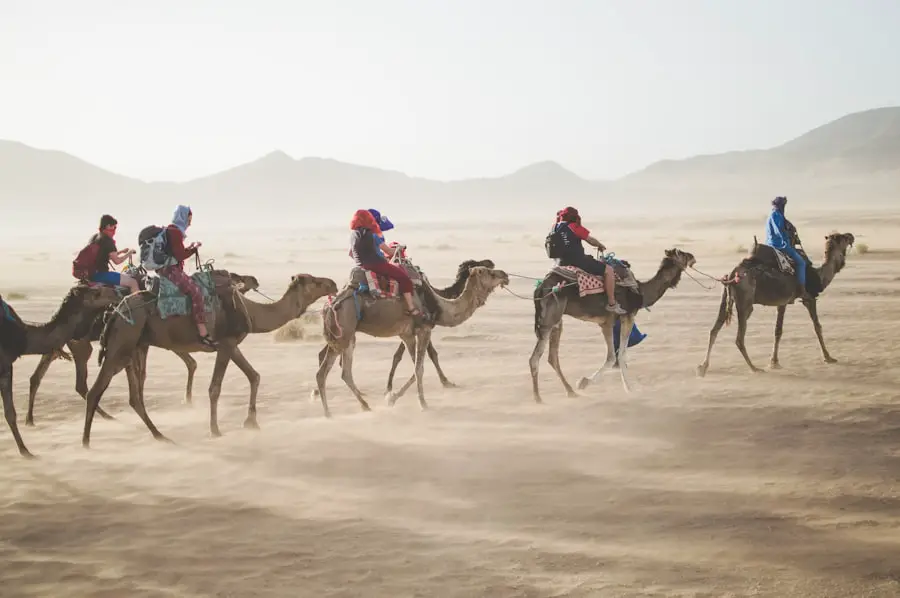
Belize’s diverse natural ecosystems provide world-class outdoor activities that shift with the seasons:
- Diving & Snorkeling (Dec–May): Calm sea surface conditions ensure crystal-clear visibility at Hol Chan Marine Reserve, Shark Ray Alley, and the Great Blue Hole.
- Whale Shark Encounters (March–June): During full moon cycles from March to June, gentle whale sharks migrate to Gladden Spit off the coast of Placencia to feed on spawning snapper eggs.
- Rainforest & Waterfall Hiking (June–November): Rainy season precipitation causes waterfalls in the Mountain Pine Ridge Forest Reserve (like Big Rock Falls and Rio On Pools) to surge in full force, while rainforest vegetation reaches peak vibrancy.
- Mayan Ruins Exploration (Year-Round): Major sites like Caracol, Xunantunich, and Lamanai are accessible year-round, though dry season visits offer much easier driving conditions on dirt access roads.
Tips for Traveling to Belize During Each Season
Planning ahead according to seasonal conditions ensures a seamless and enjoyable vacation:
- Peak Season Preparation: Secure flight reservations, golf cart rentals on the cayes, and guided tour slots at least 3 to 4 months prior to arrival.
- Off-Peak Packing Essentials: Pack lightweight, breathable rain jackets, dry bags for phone and camera electronics, and eco-friendly insect repellent for inland forest treks.
- Fishing Gear Considerations: Belize offers world-class saltwater fly fishing for bonefish, permit, and tarpon year-round. If you plan to fish from shore or on private charters, bring a lightweight travel rod or consult TakeTravelInfo’s travel fishing pole guide for compact options.
- Flexible Itineraries: Allow buffer time when traveling during rainy months, as sudden afternoon downpours can temporarily delay boat transfers or jungle cave tubing tours.
Choosing the Best Time to Travel to Belize
Selecting the optimal time for your trip ultimately depends on your vacation priorities:
- For Perfect Weather: Visit between January and April for warm sunshine, low humidity, and calm seas.
- For Budget Travelers: Visit between May and October to unlock discounted luxury accommodations and lower airfares.
- For Marine Life & Diving: Target March through June for clear waters and whale shark aggregations at Gladden Spit.
- For Cultural Festivals: Book in September for Independence Day celebrations or November for Garifuna Settlement Day.
Frequently Asked Questions
What is the overall best month to visit Belize?
March and April are generally considered the best months to visit Belize. They offer sunny days, low rainfall, warm sea temperatures, and comfortable humidity before the rainy season begins in late May.
What is the weather like in Belize during the dry season?
During the dry season (late November to April), Belize experiences warm weather with daytime temperatures averaging 75°F to 85°F (24°C to 29°C), minimal rainfall, low humidity, and gentle ocean breezes.
When is hurricane season in Belize?
The official Atlantic hurricane season runs from June 1 to November 30, with peak storm activity in Belize occurring between August and October. Purchasing travel insurance is recommended during these months.
What are the best seasonal events to attend in Belize?
Top cultural events include the Lobster Festivals in June/July, the Costa Maya Festival in August, national Independence Day celebrations on September 21, and Garifuna Settlement Day on November 19.
How can I avoid crowds while visiting Belize?
To avoid crowds, travel during the shoulder months of May or November, explore quiet southern regions like the Toledo District, or schedule visits to popular Mayan ruins on mid-week mornings.
Sources
- Belize Tourism Board — Official weather patterns, climate statistics, and travel guidelines
- UNESCO World Heritage Centre — Belize Barrier Reef Reserve System documentation
- National Oceanic and Atmospheric Administration (NOAA) — Atlantic basin tropical storm and hurricane seasonal data
- Belize National Institute of Culture and History (NICH) — Cultural event dates, historical archives, and national heritage information
