
Last Updated on August 26, 2026 by Daniel Globe
Bangkok is hot and humid throughout the year, but the experience changes noticeably by season. For most travelers, November through February offers the easiest combination of lower rainfall, somewhat cooler mornings and evenings, and comfortable conditions for temples, markets, parks, and day trips. Travelers who prioritize lower prices or lighter crowds may prefer the wetter months instead.
Quick Answer
The best time to visit Bangkok for most travelers is November through February. These months are generally drier and less oppressive than the hot and rainy seasons, although daytime temperatures still commonly reach the low 30s Celsius. For lower prices and fewer crowds, consider May through October and plan around occasional heavy rain.
Key Takeaways
- Best overall weather: November through February, especially December and January.
- Hottest period: March through early May, with April typically the most uncomfortable month for long midday walks.
- Rainier period: Roughly May through October, with September and October historically among the wettest months.
- Best for outdoor sightseeing: Cooler-season mornings from November through February.
- Best for value and fewer crowds: Much of the rainy season, provided you can keep your schedule flexible.
- Major festivals: Songkran is centered on April 13–15, while Loy Krathong usually falls in November on a date determined by the lunar calendar.
- Air quality: Bangkok can experience elevated PM2.5 during parts of the cooler, drier season, so check local air-quality information before long outdoor days.
Disclosure: As an Amazon Associate I earn from qualifying purchases. Some links on this page are affiliate links, at no extra cost to you.
Bangkok Weather by Season
Bangkok is part of Thailand’s central region and has a tropical climate influenced by seasonal monsoon patterns. In practical travel terms, it is easiest to think of the year as a cooler and drier period, a hot period, and a rainy period. The boundaries are not exact, and conditions can shift from year to year.
| Season | Typical Months | What to Expect | Best For |
| Cooler and drier | November–February | Lower rainfall, warm days, and more comfortable mornings and evenings. February begins warming toward the hot season. | First-time visits, temples, walking, parks, markets, day trips |
| Hot | March–early May | Hot afternoons, strong sun, high heat stress, and occasional thunderstorms. | Songkran, indoor attractions, early-morning sightseeing |
| Rainy | Mid-May–October | Humid conditions with showers and thunderstorms. Heavy rain can temporarily flood some streets. | Budget-conscious trips, fewer crowds, museums, malls, food-focused travel |
The Thai Meteorological Department’s Bangkok climate normals show why the seasonal labels are relative. Even in January, the historical normal maximum is about 32.5°C (90.5°F), while December’s historical normal maximum is about 31.7°C (89.1°F). Bangkok’s “cool” season is therefore still warm compared with many destinations.
Peak Tourist Season in Bangkok
Bangkok’s busiest tourism period generally overlaps with its more comfortable weather from November through February. Visitors are drawn by lower rainfall, major year-end holidays, festivals, and better conditions for spending long periods outside.
Weather Conditions
November, December, and January are usually the easiest months for outdoor sightseeing. Historical Bangkok climate normals show substantially less rain in these months than during the wettest part of the year. February is still relatively dry, but temperatures begin climbing as the city moves toward the hot season.
Do not expect genuinely cool daytime weather. Typical daytime highs during this period remain around the low 30s Celsius, while nights and early mornings can be noticeably more comfortable.
Festivals and Celebrations
The cooler part of the year also overlaps with several celebrations. Loy Krathong usually falls in November, when people float decorated krathongs on rivers, canals, and other waterways as part of the traditional observance. The exact date changes each year because it follows the Thai lunar calendar.
December and the New Year period can also bring large visitor numbers, busy shopping areas, hotel demand, and special events around the city.
A Prime Time for Cultural Exploration
For travelers who want to spend full days exploring temples, riverfront neighborhoods, outdoor markets, historic districts, and parks, the cooler and drier period provides the most forgiving conditions. The trade-off is heavier demand at major attractions and generally less flexibility with last-minute accommodation.
Pro Tip: During the November–February high season, visit major outdoor attractions early in the morning. Temperatures are more comfortable, and popular sites are often easier to enjoy before tour groups build later in the day.
Best Time to Visit Bangkok for Outdoor Activities
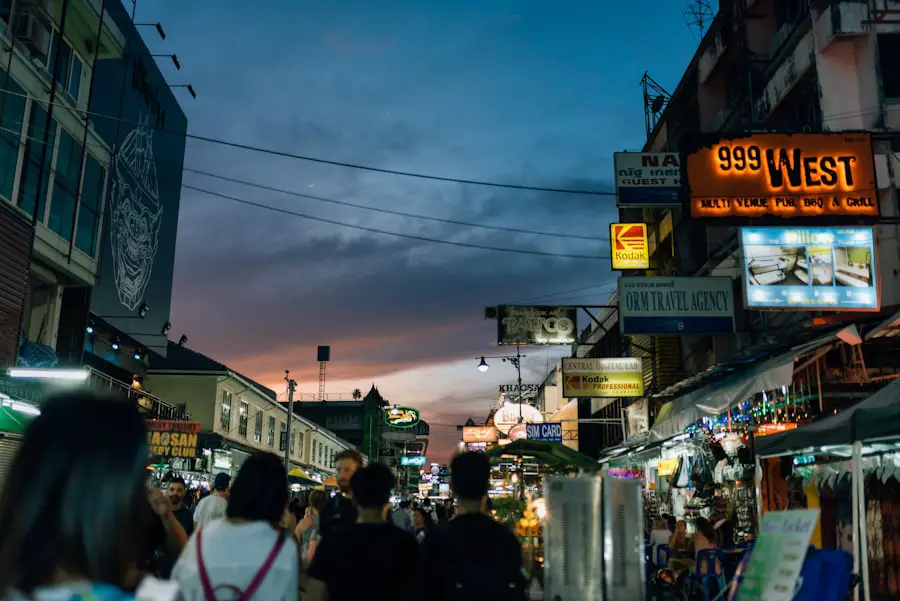
For outdoor-heavy itineraries, November through February is generally the strongest choice. Lower rainfall and relatively cooler mornings make walking tours, parks, markets, temples, river trips, and neighborhood exploration easier than during the hottest months.
Lumpini Park is especially pleasant early in the day or toward evening, when visitors can walk, relax, exercise, or simply take a break from Bangkok’s traffic and dense urban environment.
This period is also well suited to day trips beyond the city. Ayutthaya’s historic ruins and attractions around Kanchanaburi are easier to explore when the heat is less intense. Cycling tours, Chao Phraya River activities, and floating-market visits can also be more comfortable during the drier months.
If you visit in March or April, schedule strenuous outdoor activities early in the morning, take frequent shade breaks, and move museums, shopping centers, spas, and other air-conditioned attractions into the hottest part of the afternoon.
Off-Peak Season in Bangkok
The quieter travel period broadly overlaps with the hotter and wetter months. May through October is often less appealing to travelers who want consistently dry weather, but it can be a good choice for visitors who value flexibility, lighter crowds, and potential accommodation deals.
| Factor | What to Expect in the May–October Period |
| Rain | Frequent showers and thunderstorms; September and October are historically among the wettest months. |
| Temperature | Hot and humid, with daytime highs commonly above 30°C. |
| Crowds | Often lighter than during the November–February peak, although holidays and events can create local spikes. |
| Prices | Some hotels and travel products may be cheaper than during peak periods, but discounts vary by property and date. |
| Best strategy | Keep outdoor plans flexible and have an indoor alternative for heavy-rain periods. |
Rainy-season travel does not automatically mean an entire trip will be washed out. Conditions can change quickly, and rain may arrive as a heavy shower or thunderstorm rather than continuous rain all day. However, prolonged or intense storms do occur, and temporary street flooding can slow road transport.
Fewer visitors can make museums, markets, temples, restaurants, and other attractions feel more relaxed. Travelers who are willing to adjust their daily schedule around the weather may find this period rewarding.
Bangkok Month-by-Month Weather and Travel Planner
The figures below use historical 30-year Bangkok climate normals published by the Thai Meteorological Department. They are useful for comparing months, but they are not a forecast and individual years can be hotter, cooler, wetter, or drier.
| Month | Historical High / Low | Historical Rainfall | Travel Take |
| January | 32.5 / 22.6°C | 13.3 mm | Excellent for sightseeing; high-season demand. |
| February | 33.3 / 24.4°C | 20.0 mm | Still relatively dry, but warming noticeably. |
| March | 34.3 / 25.9°C | 42.1 mm | Hot; favor early-morning outdoor plans. |
| April | 35.4 / 26.9°C | 91.4 mm | Very hot, but ideal for travelers specifically coming for Songkran. |
| May | 34.4 / 26.3°C | 247.7 mm | Hot with a major increase in rainfall. |
| June | 33.6 / 26.1°C | 157.1 mm | Rainy-season value if you can stay flexible. |
| July | 33.2 / 25.7°C | 175.1 mm | Humid with regular showers; lighter tourist demand can be a benefit. |
| August | 32.9 / 25.5°C | 219.3 mm | Wet and humid; build indoor options into the itinerary. |
| September | 32.8 / 25.0°C | 334.3 mm | Historically the wettest month in this TMD data set. |
| October | 32.6 / 24.8°C | 292.1 mm | Still very wet historically, with conditions improving toward month-end in some years. |
| November | 32.4 / 23.9°C | 49.5 mm | Strong balance of weather and cultural events. |
| December | 31.7 / 22.0°C | 6.3 mm | One of the best months for weather, with peak-season demand. |
Weather Considerations for Traveling to Bangkok
Bangkok’s heat deserves attention in every season. From March into May, long periods outdoors around midday can become exhausting, particularly when humidity is high. Lightweight clothing, sunscreen, shade breaks, and regular water intake make sightseeing more manageable.
During the rainy season, carry a compact umbrella or light rain jacket and choose footwear that can handle wet sidewalks. Heavy showers can slow taxis and buses because road traffic and temporary flooding may worsen during storms.
What to Pack by Season
- November–February: Lightweight breathable clothing, sunscreen, hat, comfortable walking shoes, and a thin extra layer only if you prefer one for cooler evenings or strong indoor air conditioning.
- March–early May: Very breathable clothing, sun protection, refillable water bottle, hat, and a schedule that minimizes long walks in the hottest afternoon hours.
- Mid-May–October: Quick-drying clothes, umbrella or packable rain jacket, water-resistant footwear, and a waterproof pouch for electronics and important documents.
If secure storage is useful while navigating busy markets or transit, you can also review our guide to best travel pants with hidden pockets.
Note: Cooler, drier weather does not always mean ideal air quality. Bangkok can experience elevated PM2.5 during parts of the dry season, including January and February. Check Bangkok or Thai government air-quality information before planning strenuous outdoor activities, especially if you are sensitive to air pollution.
Special Events and Festivals in Bangkok
Songkran: The Thai New Year Festival
Songkran, Thailand’s traditional New Year celebration, is centered on April 13–15 each year, although events in Bangkok and elsewhere can begin earlier or continue longer. Alongside temple visits, family traditions, and merit-making, public water celebrations have become one of the festival’s most recognizable features.
April is also one of Bangkok’s hottest periods, so Songkran is best for travelers who specifically want the festival experience and are comfortable with intense heat, crowds, wet streets, and busy transportation.
The Thai government’s Songkran information confirms April 13–15 as the central annual celebration period.
A Festival of Lights: Loy Krathong
Loy Krathong takes place on the full moon of the 12th month of the Thai lunar calendar, which usually falls in November. People float decorated krathongs, traditionally made from natural materials such as banana leaves, on rivers and canals as part of the celebration.
It is more accurate to distinguish these floating krathongs from the sky lanterns associated with Yi Peng celebrations in northern Thailand. Bangkok hosts Loy Krathong activities at numerous waterside locations, but exact venues and event programs change from year to year.
Immersing in Thai Culture
Festivals can make a Bangkok visit especially memorable because they add traditional ceremonies, performances, decorations, food, and community gatherings to an already lively city. They can also create larger crowds and transportation delays, so travelers should check official event details shortly before their trip.
The best month for Bangkok is not automatically the driest or cheapest month; it is the month whose trade-offs match your priorities.
Tips for Traveling During the Different Seasons in Bangkok
November Through February
- Book popular hotels earlier than you would in the wet season.
- Start temple and walking-tour days early to take advantage of cooler mornings.
- Expect heavy visitor traffic around year-end holidays.
- Check PM2.5 levels if you plan prolonged outdoor activity.
March Through Early May
- Schedule outdoor sightseeing early in the morning or near sunset.
- Use museums, shopping centers, cafés, spas, and other indoor attractions during the hottest hours.
- Carry water and sun protection.
- If visiting for Songkran, protect phones, passports, cameras, and other items from water.
Mid-May Through October
- Keep at least one indoor alternative for each day.
- Allow extra transport time during heavy rain.
- Use weather forecasts to decide when to schedule markets, parks, temples, and river activities.
- Choose quick-drying clothing and footwear suited to wet streets.
Rain does not necessarily ruin a Bangkok trip. Museums, malls, food halls, cafés, spas, temples, markets, and cultural attractions provide plenty of alternatives when a storm interrupts outdoor plans.
Choosing the Best Time to Travel to Bangkok
For a first visit focused on temples, markets, river trips, parks, and walking, November through February is the safest overall choice. December and January provide an especially strong combination of lower historical rainfall and relatively comfortable temperatures, although they also bring high-season demand.
If budget and fewer crowds matter more than perfect weather, the rainy months can work well. Travelers who can shift activities around storms may enjoy a less crowded side of the city while still experiencing Bangkok’s food, culture, shopping, and indoor attractions.
April deserves separate consideration. It is hot, but Songkran can make it one of the most exciting times of the year for visitors who want a major cultural celebration. Ultimately, Bangkok is a year-round destination; the best month depends on whether you value comfortable weather, lower prices, lighter crowds, or specific festivals most.
Frequently Asked Questions
What is the best time to travel to Bangkok?
For most travelers, November through February is the best overall period because Bangkok is generally drier and somewhat cooler than during the hot and rainy seasons. December and January are particularly comfortable for outdoor sightseeing.
What is the weather like in Bangkok during the best time to travel?
Bangkok remains warm even in its cooler season. Thai Meteorological Department historical normals show daytime highs around 32–33°C and nighttime lows around 22–24°C during much of November through February. Rainfall is generally much lower than during the wettest months, but occasional rain is still possible.
Are there festivals during the best time to travel to Bangkok?
Yes. Loy Krathong usually falls in November, and Bangkok also has significant celebrations around New Year. Festival dates and specific venues can change, so check the Tourism Authority of Thailand’s current event listings before your trip.
What are tourist crowds like from November to February?
This is one of Bangkok’s most popular travel periods, so major attractions, shopping districts, tours, and well-located hotels can be busy. Booking accommodation earlier and visiting major sights in the morning can make the experience easier.
Are there downsides to visiting Bangkok during the best-weather months?
Yes. Higher visitor demand can mean busier attractions and less hotel availability, particularly around year-end holidays. Parts of the cooler, drier season can also coincide with elevated PM2.5, so checking air quality is worthwhile before long outdoor days.
Is Bangkok’s rainy season a bad time to visit?
Not necessarily. May through October is hotter, wetter, and more humid, but travelers may encounter fewer crowds and attractive accommodation rates. The best strategy is to keep outdoor plans flexible, carry rain protection, and have indoor alternatives ready when storms develop.
Sources
- Thai Meteorological Department — Bangkok 30-Year Climate Normals — historical monthly maximum and minimum temperatures and rainfall.
- Tourism Authority of Thailand — Thailand Climate & Weather — official overview of Thailand’s seasonal weather patterns.
- Tourism Authority of Thailand — Thailand in November — cooler-season and Loy Krathong information.
- Government of Thailand — Songkran Festival — annual April 13–15 Songkran timing and cultural context.
- Thailand Department of Health — Bangkok PM2.5 Guidance — dry-season air-quality considerations and traveler health precautions.
