Last Updated on July 28, 2026 by Daniel Globe
Bali stays warm throughout the year, but rainfall, crowd levels, room rates, sea conditions, and cultural events can change the feel of a trip. The best month therefore depends on whether you care most about dry weather, quieter attractions, lower prices, green scenery, or a particular festival.
Quick Answer
For most travelers, the best time to visit Bali is May, June, or September. These months usually offer dry-season weather with fewer crowds than July and August. Choose June through September for outdoor-heavy trips, or November through March for lower rates and greener scenery if you can accept rain and flexible plans.
Key Takeaways
- Best overall months: May, June, and September usually balance dry weather, manageable crowds, and better availability.
- Best for beaches and hiking: June through September normally brings the most dependable dry-season conditions.
- Best for lower prices: November through March can be less expensive outside Christmas, New Year, and major event periods.
- Wettest period: December through February often brings the greatest chance of heavy rain, although timing varies by year and location.
- Important event: Nyepi closes normal transport and commercial airport operations for 24 hours, and visitors must remain within their accommodation.
- Plan for variation: Bali has several climate zones, so coastal, inland, mountain, and offshore-island conditions may differ on the same day.
At a Glance
| Best Overall | May, June, and September |
| Most Dependable Dry Weather | June through September |
| Fewer Crowds and Lower Rates | November through March, excluding Christmas, New Year, and major events |
| Rainiest Period | Usually December through February |
| Peak Demand | July and August, plus late December and early January |
| Transitional Months | April and October, when either season may influence the weather |
Disclosure: As an Amazon Associate I earn from qualifying purchases. Some links on this page are affiliate links, at no extra cost to you.
Traveling to Bali in the Dry Season
Bali’s broad dry-season pattern runs from April through October, although April and October are transitional months. May through September usually provides the most dependable weather for beach days, hiking, temple visits, scenic drives, and outdoor dining.
Bali remains warm year-round. According to Indonesia’s Ministry of Tourism, coastal plains average about 28°C (82°F), while inland and mountain areas are cooler. Midday temperatures can be higher, especially in exposed coastal areas, but the often-repeated claim that the entire island averages 30°C to 32°C is too broad.
Drier conditions normally make snorkeling, diving, sunrise hikes, waterfalls, and long road trips easier to schedule. Popular coastal areas such as Kuta, Seminyak, Canggu, Sanur, Nusa Dua, and Uluwatu also receive strong demand during this period.
July and August combine dry weather with international school holidays. Hotels, beach clubs, restaurants, drivers, and tours may sell out or raise rates. Travelers who want similar weather with less pressure on availability should first consider May, June, or September.
Pro Tip: Schedule temples, rice terraces, waterfalls, and scenic viewpoints early in the morning. Temperatures are more comfortable, traffic is lighter, and large tour groups are less likely to have arrived.
Exploring Bali During the Wet Season

Bali’s wetter season generally runs from November through March, with December through February often carrying the highest rain risk. The exact start, peak, and intensity change from year to year. Bali’s BMKG climate station issues seasonal outlooks because rainfall patterns differ across the island’s climate zones.
Rain is not limited to short afternoon showers. Some days bring brief downpours and later sunshine, while others bring repeated storms, long periods of rain, or intense localized weather. Travelers should avoid building an itinerary that depends on uninterrupted outdoor conditions every day.
The advantages are greener hills, fuller waterfalls, fewer visitors at some attractions, and lower accommodation rates outside holiday periods. Ubud, Sidemen, Munduk, and Bali’s rice-growing regions can look especially lush, although the appearance of individual fields also depends on planting and harvest cycles.
Wet-season trips work well for travelers interested in cooking classes, spas, cafés, museums, galleries, yoga, craft workshops, and cultural performances. Keep one or two indoor alternatives available for every major outdoor day.
Warning: Heavy rain can cause flooded roads, slippery steps, rough seas, landslides, and stronger waterfall or river currents. Never enter floodwater, follow closure notices, and confirm boat, hiking, rafting, and waterfall conditions with a reputable operator before leaving.
Enjoying Bali’s Festivals and Events
Bali’s religious calendar and annual arts events can be as important as the weather when choosing travel dates. Exact dates may change each year, so verify them through the organizer, Bali provincial government, airline, or accommodation before buying nonrefundable tickets.
| Festival or Event | Location | Typical Timing | What Travelers Should Know |
|---|---|---|---|
| Galungan and Kuningan | Throughout Bali | Every 210 days; dates move through the Gregorian calendar | Streets are decorated with penjor, temples are active, and some local businesses may change their hours. |
| Nyepi | Throughout Bali | March or April; exact date changes annually | Normal travel stops for 24 hours. Visitors remain inside their accommodation and keep light and noise low. |
| Ubud Food Festival | Ubud | Usually around May or early June; May 28–31 in 2026 | Programs may include food markets, talks, cooking demonstrations, workshops, and special dining events. |
| Bali Arts Festival | Denpasar | Usually June and July; June 13–July 11 in 2026 | A major celebration of Balinese dance, music, visual art, crafts, parades, and cultural traditions. |
Galungan celebrates the victory of dharma over adharma and follows Bali’s 210-day Pawukon calendar. Because it does not stay within one Gregorian month, travelers should consult a current Balinese calendar rather than relying on an old blog post.
Nyepi is different from a public festival built around entertainment. It is a sacred Day of Silence during which normal movement, work, recreation, and bright lighting stop. The evening before Nyepi may include ogoh-ogoh processions and traffic diversions, while the following day is quiet.
Warning: Do not book a flight, ferry, airport transfer, tour, or intercity journey during Nyepi. Official Nyepi guidance states that visitors must stay inside, and Ngurah Rai Airport suspends normal commercial operations for 24 hours. Buy food, water, medicine, and other essentials beforehand.
Navigating Bali’s Peak Tourist Season
Bali’s busiest travel periods commonly include July and August, when dry weather overlaps with international school holidays, and late December through early January, when Christmas and New Year demand rises despite the wetter weather.
During these periods, popular hotels, private villas, restaurants, beach clubs, drivers, ferries, and tours may have limited availability. Book important parts of the trip as soon as your dates are firm, especially when traveling with a family or needing a particular room type.
Visit major temples, rice terraces, waterfalls, and viewpoints early in the day. At Tanah Lot, early visits can reduce crowd pressure, but the temple’s signature view is sunset. Travelers who want sunset should arrive well before the busiest viewing period rather than expecting an empty site.
Allow more road time than a map estimate suggests. Traffic can be slow around Canggu, Seminyak, Kuta, Uluwatu, Ubud, and the airport, especially near sunset, during rain, or around ceremonies.
Quieter alternatives can include north, west, or east Bali, but “less visited” does not mean empty. Local ceremonies, road work, weather, and holiday travel can still affect access. A knowledgeable local driver can help sequence stops and avoid unnecessary backtracking.
Making the Most of Bali’s Shoulder Seasons
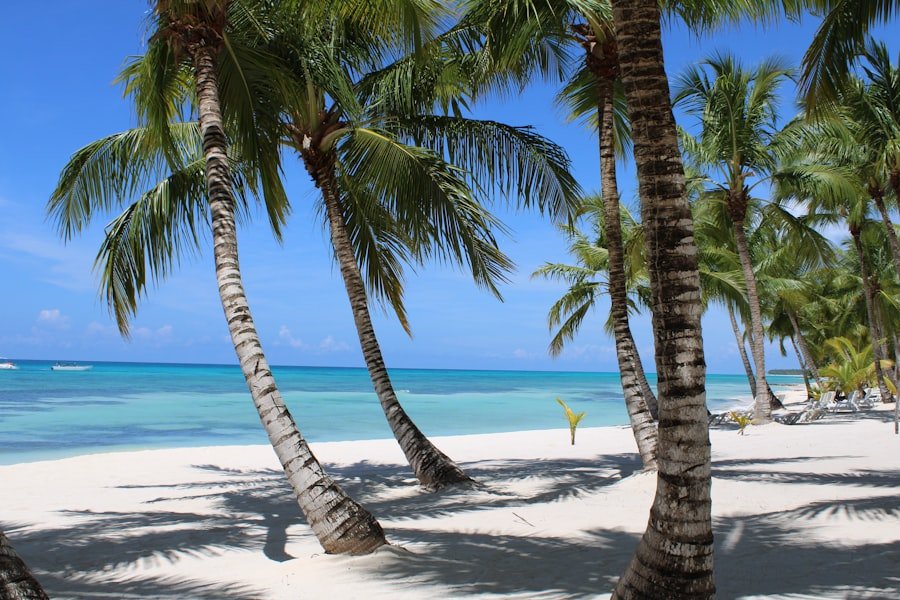
Bali’s most useful shoulder-season windows are April through June and September through October. April and October sit near seasonal transitions, while May, June, and September usually deliver the strongest combination of dry weather and manageable visitor levels.
May and June work well for travelers who want outdoor activities before the July and August rush. September often retains dry-season conditions after many school-holiday visitors have left. October can offer better value, but humidity and rain risk generally begin to increase.
Hotels and tour companies may run promotions during quieter weeks, but discounts are not guaranteed. Prices still depend on the property, booking date, local events, weekends, and demand from major visitor markets.
For the best balance of weather, crowds, and value, start by checking May, June, and September.
Tips for Traveling to Bali in the Off-Season
A wet-season trip can be rewarding when the itinerary is flexible. Avoid scheduling every major outdoor activity on consecutive days. Place weather-sensitive hikes, boat trips, waterfalls, and viewpoints early in the trip so they can be moved if conditions deteriorate.
Pack breathable clothing, a lightweight rain jacket, quick-drying footwear, sun protection, insect repellent, and a waterproof pouch or dry bag for electronics. A compact umbrella is useful in towns, but a rain jacket is more practical on windy coastlines or during longer walks.
A private driver may be safer and more comfortable than riding through heavy rain. Scooters offer flexibility, but they should not be treated as a beginner-friendly solution. Ride only when legally licensed, experienced in local traffic, wearing a proper helmet, and covered by suitable travel insurance.
Note: Christmas and New Year are not quiet simply because they fall in the wet season. Flights, hotels, restaurants, and southern Bali roads can be extremely busy during the holiday period.
Best Time to Visit Bali by Activity
| Travel Goal | Best Time | Why |
|---|---|---|
| Beaches and Sun | May through September | Generally lower rain risk and more dependable outdoor conditions. |
| Hiking and Viewpoints | May through September | Trails are more likely to be dry, but local forecasts and closures still need to be checked. |
| Diving and Snorkeling | Often May through October | Dry-season conditions can improve visibility and boat reliability, but conditions vary by site, current, and coast. |
| Surfing | Year-round | The preferred coast and break change with monsoon winds, swell, and skill level. Ask a reputable local surf school. |
| Cultural Events | Year-round | Temple anniversaries and Balinese calendar events occur throughout the year. |
| Lower Prices | November through March, excluding holidays | Demand may be lower, but rain risk and weather disruptions are higher. |
| Lush Scenery and Photography | Wet season and early dry season | Vegetation is greener, although cloud, rain, planting, and harvest cycles affect individual locations. |
How Weather Varies Across Bali
A single “Bali forecast” does not describe the whole island. Coastal areas are generally warmer, while higher places such as Kintamani, Munduk, and parts of central Bali can be noticeably cooler and wetter. A sunny morning in southern Bali does not guarantee the same weather in Ubud or the mountains.
The north, east, west, central highlands, Bukit Peninsula, and Nusa islands can experience different wind, rain, and sea conditions. Check a location-specific BMKG weather forecast rather than relying only on the forecast shown for Denpasar.
Elevation also affects clothing. Light tropical clothing is suitable for the coast, but an early Mount Batur departure, a rainy day in Munduk, or an evening in the highlands may call for an extra layer.
Bali Month-by-Month Guide
The following table shows Bali’s typical travel pattern rather than a guaranteed forecast. Seasonal onset, rainfall, ceremonies, and visitor demand change from year to year.
| Month | Typical Conditions | Crowd Pattern | Best For |
|---|---|---|---|
| January | Wet, humid, and prone to heavy rain | Busy around New Year, quieter later | Spas, food, culture, and flexible itineraries |
| February | Usually wet with high humidity | Often lower outside holiday dates | Lower rates and green scenery |
| March | Wet to transitional | Usually moderate; Nyepi affects travel when it falls in March | Culture and flexible sightseeing |
| April | Transitional, with improving dry spells | Moderate | Shoulder-season value |
| May | Drier and generally comfortable | Moderate | Best overall balance |
| June | Dry-season conditions | Rising but below the main peak | Outdoor trips and arts events |
| July | Usually dry | Peak season | Beaches and hiking if booked early |
| August | Usually dry and breezy | Peak season | Outdoor activities and events |
| September | Generally dry | Crowds begin to ease | Best overall balance |
| October | Transitional, warmer and more humid | Moderate | Value with weather flexibility |
| November | Increasing rain risk | Often lower before the holidays | Budget travel and indoor activities |
| December | Wet and humid | High around Christmas and New Year | Festive trips planned well in advance |
What to Check Before Booking
- Seasonal outlook: Review BMKG’s current rainy- or dry-season forecast rather than relying only on historical averages.
- Short-range weather: Check the location-specific forecast again during the week before each outdoor activity.
- Nyepi: Confirm the date before selecting flights, ferries, airport transfers, and hotel check-in or checkout times.
- Festival dates: Use the organizer’s current website because annual dates and venues may change.
- Holiday demand: Reserve important accommodations and activities early for July, August, Christmas, and New Year.
- Transport time: Leave extra time for traffic, ceremonies, rain, and road diversions.
- Packing: Bring sun protection and rain protection in every season. Bali’s tropical climate makes a power bank and waterproof electronics pouch more useful than cold-weather accessories.
Choosing the Right Time to Visit Bali
Choose May, June, or September when you want the best overall balance. Choose July or August when dry weather matters more than price or crowd levels. Choose November through March when lower rates and lush scenery matter more than a dependable outdoor schedule, but avoid assuming the entire wet season will be quiet.
For a beach, hiking, or island-hopping itinerary, favor the drier months and keep checking local conditions. For food, culture, wellness, and a slower trip, Bali can work in any season. Travelers planning around Nyepi, Galungan, Kuningan, or a major arts event should let the event calendar guide the dates before booking flights.
No month guarantees perfect weather across the whole island. The strongest plan combines realistic seasonal expectations, location-specific forecasts, flexible outdoor days, and enough time to enjoy Bali without rushing between distant regions.
Frequently Asked Questions
What is the best time to travel to Bali?
May, June, and September are the best overall months for many travelers. They usually combine dry-season weather with fewer crowds than July and August. June through September is especially suitable for outdoor-heavy itineraries.
When is the rainy season in Bali?
Bali’s broad wet-season pattern runs from November through March. December through February often has the highest rain risk, but the onset, peak, and intensity vary by year and location. October and April are transitional months.
What are Bali’s peak tourist seasons?
July and August are major peak months because dry weather overlaps with international holidays. Late December and early January are also busy despite being within the wet season. Expect higher rates, heavier traffic, and limited availability during these periods.
Which cultural events should I consider when planning a Bali trip?
Nyepi, Galungan, Kuningan, the Bali Arts Festival, and the Ubud Food Festival can shape a trip. Nyepi has the greatest effect on logistics because visitors stay indoors and normal commercial transport, including flights, stops for 24 hours. Always verify current-year dates.
What are Bali’s average temperatures throughout the year?
Bali is warm throughout the year. Coastal plains average about 28°C (82°F), while inland and mountain areas are cooler. Daytime temperatures can rise above the average, and upland mornings or evenings may feel noticeably cooler than the coast.
What is the cheapest time to visit Bali?
Lower rates are often easier to find from November through March outside Christmas, New Year, and major events. Savings come with a higher chance of rain and possible disruption to boats, hikes, beaches, and road travel.
Is October a good month to visit Bali?
October can be a good value month, especially early in the month, but it is transitional. Heat, humidity, and rain risk generally rise as the wet season approaches. Keep weather-sensitive plans flexible and check the current BMKG outlook.
Sources
- Indonesia Ministry of Tourism: Weather, Climate and Seasons — Bali’s broad dry- and wet-season pattern, tropical temperatures, humidity, and elevation differences.
- BMKG Bali Rainy-Season Outlook 2025–2026 — regional climate zones, variable rainy-season onset, and peak-rainfall timing.
- Indonesia Ministry of Tourism: Nyepi Visitor Guidance — rules concerning movement, lighting, noise, supplies, and transport.
- I Gusti Ngurah Rai International Airport: Nyepi Closure — confirmation of the annual 24-hour suspension of normal commercial flight operations.
- Bali Provincial Government: Bali Arts Festival 2026 — verified 2026 dates and event scope.
- BPS-Statistics Indonesia, Bali Province: December 2025 Tourism Overview — holiday-period visitor arrivals and hotel occupancy.