
Last Updated on July 27, 2026 by Daniel Globe
The best time to visit Azerbaijan depends on what you want to do, but late April through May and late September through October offer the best balance for most travelers. These periods usually provide comfortable conditions for exploring Baku, visiting historic sites, walking in the foothills, and taking scenic day trips without the strongest summer heat or coldest winter winds.
Quick Answer
The best time to visit Azerbaijan for comfortable sightseeing is late April through May or late September through October. Spring offers Novruz celebrations and greener landscapes, while autumn brings cooler hiking weather and the grape harvest. Choose summer for Caspian beaches and December through March for mountain skiing.
Key Takeaways
- Best overall weather: Late April through May and late September through October.
- Best for Novruz: Visit in March, particularly around the main holiday period, but expect stronger demand for transportation and accommodation.
- Best for beaches: June through August on the Absheron Peninsula and Caspian coast.
- Best for hiking and autumn scenery: September through early November, depending on elevation.
- Best for skiing: Usually December through March at Shahdag, Tufandag, and other mountain facilities, subject to snow and resort schedules.
Note: Azerbaijan has coastal lowlands, semi-desert terrain, forested foothills, and high Caucasus peaks. Weather in Baku can be very different from conditions at mountain lakes or ski resorts on the same day.
Disclosure: As an Amazon Associate I earn from qualifying purchases. Some links on this page are affiliate links, at no extra cost to you.
Best Time to Visit Azerbaijan by Travel Style
| Travel goal | Best period | What to expect |
| Baku sightseeing | Late April–May or late September–October | Comfortable walking conditions, longer sightseeing days in spring, and fewer heat-related limits than midsummer. |
| Novruz culture | March | Public celebrations, traditional sweets, family customs, performances, and spring symbolism. |
| Caspian beaches | June–August | Hot, sunny weather and the fullest range of coastal recreation around the Absheron Peninsula. |
| Mountain hiking | May–June or September–October | Milder daytime conditions, although snow, rain, and trail access still depend on elevation. |
| Wine and harvest travel | September–October | Grape harvest activity and winery visits in regions such as Shamakhi, Ismayilli, Gabala, and Goygol. |
| Skiing and snow activities | December–March | The main snow season at mountain resorts, with exact opening dates controlled by weather and resort operations. |
Spring: Novruz, Mild Weather, and Outdoor Sightseeing
Spring is one of the most rewarding times to explore Azerbaijan. Parks and gardens begin to brighten, the days become more comfortable for walking, and many countryside destinations reopen fully after winter. April and May are especially practical for combining Baku with day trips, cultural sites, foothill towns, and nature reserves.
Baku’s waterfront promenade is pleasant on calmer spring days, although the city can remain windy. Pack a light jacket even when the daytime forecast looks mild. Spring temperatures and conditions can also change quickly when traveling from the Caspian coast toward higher elevations.
Gobustan and Historic Sites
Spring is a comfortable season for visiting the UNESCO-listed Gobustan Rock Art Cultural Landscape. Gobustan is not a lush national park. It is a rocky, semi-desert cultural landscape containing more than 6,000 documented rock engravings, along with evidence of settlements and human activity extending across thousands of years.
Visitors can also explore Baku’s UNESCO-listed Walled City, including the Palace of the Shirvanshahs and Maiden Tower. Spring and autumn are generally more comfortable for walking through its narrow lanes than the hottest part of summer.
Novruz Celebrations
Novruz is Azerbaijan’s major spring celebration and part of a multinational tradition recognized by UNESCO Intangible Cultural Heritage. Preparations include the four pre-holiday Tuesdays associated with water, fire, wind, and earth.
Homes and public displays may feature samani, sprouted wheat that symbolizes renewal. Popular holiday foods include pakhlava, shekerbura, and shor gogal. Public programs can include music, dancing, games, and fire-related traditions.
Pro Tip: Reserve transport and accommodation early for the main Novruz period. Public holidays, family travel, and special events can affect availability and opening hours.
Summer: Sun-soaked Adventures
Early June through late August is generally Azerbaijan’s hottest and sunniest period. Summer works well for travelers who want Caspian beach time, long daylight hours, outdoor dining, or high-mountain escapes. It is less comfortable for extended midday walking in Baku and other low-elevation areas.
Coastal Delights
Baku becomes lively during summer, with outdoor cafes, evening walks, concerts, and a busy waterfront. For swimming and beach facilities, travelers usually head beyond central Baku to beaches and resorts around the Absheron Peninsula.
Available coastal activities vary by beach and operator but may include swimming, sailing, windsurfing, personal watercraft, and other water sports. Check water conditions, lifeguard coverage, equipment standards, and local rules before participating.
Exploring Azerbaijan’s Diverse Landscapes
Travelers who find Baku too hot can move toward the Caucasus foothills and mountain resorts. Gabala, Gusar, Shaki, Lahij, and other northern or northwestern destinations provide access to forests, viewpoints, cable cars, hiking routes, and cooler evenings.
Summer activities around Gabala and Shahdag may include hiking, cycling, horseback riding, paragliding, zip-lining, jeep tours, and resort attractions. Availability, weight limits, age restrictions, and operating schedules vary, so confirm details directly with the operator.
A Celebration of Creativity and Cultural Expression
Summer evenings are often more comfortable than afternoons for outdoor dining and cultural programs. Baku and regional cities host concerts, exhibitions, performances, and festivals, but dates and venues change from year to year. Check the current tourism and venue calendars before building a trip around one event.
Warning: Avoid strenuous lowland hikes during the hottest part of the day. Carry water, use sun protection, and move mountain activities to the morning when thunderstorms and heat are less likely to disrupt plans.
Autumn: A Tapestry of Colors

Autumn is another excellent time to visit Azerbaijan. September often retains some summer warmth, while October usually offers more comfortable sightseeing and hiking conditions. By November, higher and northern areas can become noticeably colder, particularly in the mornings and evenings.
Forested destinations near Shaki, Goygol, Gabala, Gusar, and other Caucasus foothill areas can display yellow, orange, and red foliage. The exact timing depends on elevation and the year’s weather, so visitors should not expect every region to reach peak color at the same time.
Wine Regions and Harvest Experiences
Autumn coincides with grape-harvest activity in several Azerbaijani wine regions. The country’s official seasonal guide highlights areas such as Gabala, Ismayilli, Shamakhi, and Goygol. Winery visits may include cellar tours, tastings, vineyard walks, or harvest experiences, but advance booking is recommended.
Wine travelers should arrange a driver or organized tour rather than attempting to combine tastings with self-driving. Some wineries operate on limited schedules or require reservations outside large group visits.
Hiking and Scenic Drives
Cooler autumn conditions are suitable for walking around Baku, visiting national parks, and taking road trips into the foothills. Mountain weather can change quickly, and daylight becomes shorter later in the season. Carry a warm layer, begin hikes early, and confirm road and trail access before traveling to remote areas.
Autumn is also a good season for Azerbaijani comfort foods, including plov, dolma, soups, grilled meats, and regional dishes made with seasonal fruit, nuts, or vegetables.
Winter: Baku City Breaks and Mountain Snow
| Area | Typical winter pattern |
| Baku and the Absheron Peninsula | Cool and often windy. Snow can occur, but lasting snow cover is uncommon and should not be expected. |
| Caucasus foothills | Colder than Baku, with a greater chance of frost, snow, icy roads, and weather-related travel delays. |
| Mountain resorts | The most dependable setting for skiing, snowboarding, snowshoeing, tubing, and other organized snow activities. |
Winter offers two very different Azerbaijan experiences. Baku provides a quieter city break with museums, restaurants, historic streets, seasonal decorations, and cool Caspian weather. The Caucasus resorts provide the snow sports and mountain scenery that many winter visitors expect.
Snow is a rarity in Baku according to Azerbaijan’s official tourism guidance. Travelers should expect wind and cold rain more often than deep urban snow. A waterproof outer layer, warm hat, and wind-resistant clothing can be more useful than heavy snow gear in the capital.
Where to Ski in Azerbaijan
Shahdag Mountain Resort is in the Gusar region and offers skiing, snowboarding, lifts, equipment services, accommodation, restaurants, and activities for nonskiers. Tufandag Mountain Resort is near Gabala and provides a mix of beginner and more advanced terrain.
Resort opening dates, lift operations, snow conditions, and available activities vary each winter. Check the resort’s current report before leaving Baku or booking a nonrefundable mountain stay.
Winter Food and City Life
Cold weather is a good time to try hearty Azerbaijani dishes such as piti, dushbara, plov, dolma, and warming soups. Tea is central to Azerbaijani hospitality and is commonly served with sweets, preserves, dried fruit, or nuts.
New Year celebrations and winter programs may bring lights, markets, concerts, and family activities to central Baku. Programs and dates change annually, so confirm the current schedule with official venues or the tourism board.
Festivals and Events: Cultural Celebrations Year-round
Azerbaijan’s cultural calendar includes traditional holidays, music, cinema, visual arts, and regional food or craft events. The strongest reason to plan around a fixed cultural period is Novruz in March. Other festivals should be confirmed for the specific year because names, dates, venues, and formats can change.
Novruz
Novruz marks spring, renewal, and the beginning of a new year in a tradition shared across several countries. In Azerbaijan, the season includes family gatherings, decorated holiday trays, sprouted wheat, sweets, music, games, and customs connected with the four pre-holiday Tuesdays.
Mugham and Azerbaijani Music
Azerbaijani mugham is recognized by UNESCO as Intangible Cultural Heritage. Travelers may encounter mugham at formal concerts, cultural centers, restaurants, festivals, and special programs.
Baku and regional cities also host classical, jazz, folk, and contemporary performances. Rather than assuming an event occurs on the same dates every year, check official venue calendars after confirming your travel month.
For culture-focused travelers, March offers the clearest seasonal event experience through Novruz, while the rest of the year requires checking current festival and performance calendars.
Outdoor Activities: Seasonal Adventures for Every Traveler
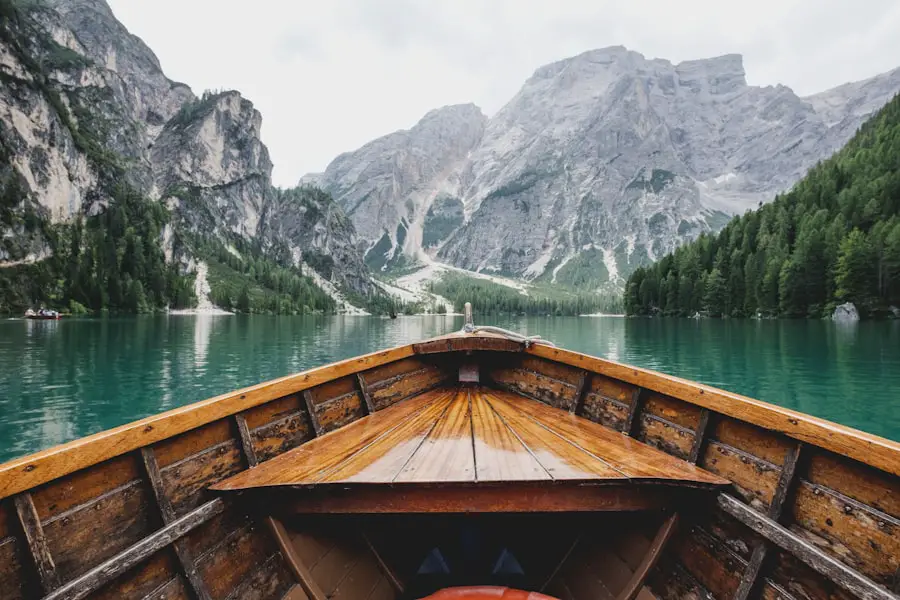
Azerbaijan’s landscapes support outdoor activities throughout the year, but conditions change sharply by season and elevation.
- Spring: Walk in Baku, explore Gobustan, visit foothill villages, watch birds in protected wetland areas, and hike lower routes after checking trail conditions.
- Summer: Swim or relax on the Absheron coast, move to higher elevations for hiking, and use mountain resorts for cycling, paragliding, cable-car rides, or organized adventure activities.
- Autumn: Hike in cooler weather, visit forested lakes, take scenic drives, and arrange winery or harvest experiences.
- Winter: Ski, snowboard, snowshoe, tube, or use other organized snow facilities at mountain resorts.
Choosing Safe Outdoor Routes
Use marked routes, local guides, and recognized operators when traveling in remote mountain or border-adjacent areas. Mobile coverage can be unreliable, weather can change rapidly, and some regions contain landmines or unexploded ordnance.
Do not leave approved roads or paths in restricted or formerly conflict-affected territories. Obtain any required permits and follow current government instructions.
Local Cuisine: Seasonal Delights to Savor
Azerbaijani cuisine uses fresh herbs, vegetables, fruit, rice, meat, dairy products, nuts, and spices. Many dishes are eaten throughout the year, but markets and home cooking change with the agricultural season.
Spring Foods
Fresh herbs become especially prominent in spring. Travelers may find herb-filled qutab, herb-based omelets, dolma, salads, and yogurt dishes. Novruz brings samani displays and sweets such as pakhlava, shekerbura, and shor gogal.
Summer Foods
Summer markets are rich in tomatoes, cucumbers, peppers, cherries, melons, apricots, and other produce. Kebabs, grilled vegetables, cold drinks, fruit compotes, and outdoor meals are well suited to warm evenings.
Piti is a traditional specialty strongly associated with Shaki and can be enjoyed throughout the year. It is a substantial dish rather than a specifically light summer meal.
Autumn and Winter Foods
Autumn brings grapes, pomegranates, persimmons, chestnuts, walnuts, and other harvest ingredients. Plov may be served with meat, dried fruit, chestnuts, herbs, or vegetables, depending on the recipe.
Winter favors soups, dumplings, stews, plov, and tea. Regional menus vary, so ask restaurant staff about local specialties instead of limiting the trip to dishes commonly promoted in tourist areas.
How Long to Spend in Azerbaijan
A five- to seven-day trip can cover Baku, Gobustan, the Absheron Peninsula, and one regional destination. Travelers who want both the northwestern and northern routes should allow eight to twelve days.
- 3–4 days: Baku, the Old City, the waterfront, Gobustan, and an Absheron day trip.
- 5–7 days: Add one destination such as Shaki, Gabala, Gusar, or a mountain resort.
- 8–12 days: Combine Baku with several regional stops, hiking, wineries, or an extended mountain stay.
Winter road conditions and summer heat can reduce how much ground is practical to cover in one day. Avoid planning a route based only on driving distance.
Tips for Traveling in Each Season
Spring Packing
Bring layers, a light waterproof jacket, comfortable walking shoes, and wind protection for Baku. Mountain evenings can remain cold even when the capital feels warm.
Summer Packing
Carry sunscreen, a hat, reusable water bottle, breathable clothing, and a light layer for air-conditioned spaces or cooler mountain evenings. Schedule exposed sightseeing for morning or late afternoon.
Autumn Packing
Pack layers and rain protection. By late autumn, add warmer clothing for mountain towns and early starts. Daylight becomes shorter, so begin rural excursions earlier.
Winter Packing
For Baku, prioritize a wind-resistant coat and waterproof shoes. For ski resorts, bring insulated clothing, gloves, eye protection, and suitable footwear. Rental equipment may be available, but confirm sizes and inclusions before arrival.
Visa, Border, and Safety Information
Entry requirements depend on nationality. Eligible travelers can apply through the official ASAN Visa portal. As of July 27, 2026, the standard electronic visa is normally processed within three working days, while an urgent service is available. The e-visa is generally single entry, valid within a 90-day period, and permits a stay of up to 30 days.
The passport or travel document used for the application must remain valid for at least three months beyond the e-visa’s expiry date. Travelers staying in Azerbaijan for more than 15 days must arrange registration at their place of stay through the State Migration Service process. Hotels commonly handle this, but the visitor remains responsible for confirming that registration was completed.
Warning: Entry and security conditions can change. Standard unrestricted tourist entry is generally by air, while entry through land or sea borders remains restricted or permission-based. Check the Azerbaijan Ministry of Foreign Affairs entry rules and your own government’s travel advice immediately before departure.
Some border and formerly conflict-affected areas contain landmines or unexploded ordnance. Current government advisories may recommend avoiding specific regions, the Armenia border, or other sensitive areas. Review a current advisory such as the U.S. Department of State Azerbaijan Travel Advisory, while following guidance issued for your own nationality.
Purchase insurance that covers your planned activities, including skiing, paragliding, hiking, or remote-area travel. An ordinary policy may exclude adventure sports or travel in areas covered by an official warning.
Frequently Asked Questions
What is the best time to travel to Azerbaijan?
Late April through May and late September through October are the best periods for most sightseeing trips. The weather is generally more comfortable than midsummer or midwinter, although conditions still vary between Baku, the foothills, and high mountains.
What is the weather like during the best months?
Spring and autumn usually provide mild to warm sightseeing conditions in Baku, with cooler temperatures at higher elevations. Wind, rain, and day-to-night temperature changes are still possible, so travelers should pack layers.
Is summer too hot for Azerbaijan?
Summer can be very hot for extended midday sightseeing in Baku and lowland regions. It remains a good season for Caspian beaches, evening activities, and mountain trips. Plan exposed attractions for morning or late afternoon.
When is Novruz celebrated in Azerbaijan?
Novruz is celebrated in March, with customs and events building through the pre-holiday Tuesdays and the main holiday period around the spring equinox. Exact public programs and closure dates should be checked for the travel year.
What attractions are best in spring and autumn?
Good choices include Baku’s Old City, the waterfront, Gobustan, Shaki, Gabala, Goygol, Lahij, wineries, forested foothills, and lower-elevation hiking routes. Always check weather and road conditions before mountain travel.
Does it snow in Baku?
Snow can fall in Baku, but it is uncommon and may not remain on the ground for long. Travelers seeking dependable snow should choose mountain resorts such as Shahdag or Tufandag.
Can tourists enter Azerbaijan by land?
Unrestricted tourist entry is generally by air as of July 27, 2026. Land and sea entry remains restricted or subject to specific permissions and exceptions. Check the Azerbaijan Ministry of Foreign Affairs immediately before travel.
Do I need a visa to visit Azerbaijan?
Visa requirements depend on nationality. Many travelers are eligible for the ASAN electronic visa, while some nationalities have visa-free arrangements or different procedures. Use only the official evisa.gov.az portal or an Azerbaijani embassy for current rules.
Are there travel restrictions to consider?
Yes. Border-entry restrictions, permit requirements, landmine hazards, regional tensions, and government travel advisories can affect routes. Check current official entry rules and your government’s destination advice before booking and again before departure.
Sources
- Azerbaijan Tourism Board: Azerbaijan Through the Seasons — seasonal activities, Baku winter conditions, beach travel, hiking, and grape-harvest regions.
- UNESCO World Heritage Centre: Gobustan Rock Art Cultural Landscape — Gobustan’s semi-desert setting, protected area, and rock engravings.
- UNESCO Intangible Cultural Heritage: Novruz — cultural status and multinational spring tradition.
- Republic of Azerbaijan ASAN Visa: E-visa Conditions — processing periods, passport rules, permitted stay, and registration requirements.
- Azerbaijan Ministry of Foreign Affairs: Current Entry Rules — restrictions and exceptions affecting land-border entry.
- U.S. Department of State: Azerbaijan Travel Advisory — current border, conflict, and landmine risk information.

