

Last Updated on July 28, 2026 by Daniel Globe
The best time to visit Austin depends on whether you care most about pleasant weather, major festivals, outdoor recreation, or smaller crowds. Late March through April and late October through November usually offer the best balance. However, SXSW in March and Austin City Limits Music Festival in October can bring crowded streets, limited hotel availability, and higher room rates.
Quick Answer
The best time to visit Austin is usually late March through April or late October through November. These periods offer comfortable weather for parks, patios, and sightseeing. Visit during SXSW in March or ACL Festival in October for major events, or choose January and February for a quieter trip.
Key Takeaways
- Late March through April and late October through November usually provide the best combination of comfortable weather and outdoor activities.
- SXSW in March and Austin City Limits Music Festival in October are exciting but can sharply increase crowds, traffic, and hotel demand.
- June through September can be intensely hot, with normal highs reaching the 90s and occasional temperatures above 100°F.
- Spring and fall are not always dry. May and October are among Austin’s wetter months, and strong thunderstorms can cause flash flooding.
- January and February often feel quieter, but cold fronts, freezing temperatures, and occasional winter precipitation remain possible.
Disclosure: As an Amazon Associate I earn from qualifying purchases. Some links on this page are affiliate links, at no extra cost to you.
Best Time to Visit Austin at a Glance
At a Glance
| Best Overall Weather | Late March through April and late October through November |
| Best for Major Festivals | March for SXSW and October for Austin City Limits Music Festival |
| Best for Wildflowers | Usually late March through early April, although bloom timing changes with winter rain and temperatures |
| Best for Bat Watching | Late spring through early fall, with larger emergences often seen later in summer |
| Best for Lower Crowds | January and February, especially Sunday through Thursday and outside major event weekends |
| Best for Swimming | Late spring through summer, with early morning visits more comfortable during hot weather |
| Main Weather Tradeoffs | Spring storms, summer heat, possible heavy rain in May and October, and occasional winter freezes |
Austin Weather by Month
Austin has long, hot summers, short winters, and warm transitional seasons. The figures below are 1991–2020 climate normals for Austin Camp Mabry, the official climate station near central Austin. Conditions at Austin-Bergstrom International Airport and outlying areas can differ, especially overnight.
| Month | Normal High | Normal Low | Normal Rainfall |
|---|---|---|---|
| January | 62.5°F | 41.8°F | 2.64 inches |
| February | 66.5°F | 45.8°F | 1.89 inches |
| March | 73.3°F | 52.2°F | 2.88 inches |
| April | 80.3°F | 58.9°F | 2.42 inches |
| May | 86.9°F | 66.8°F | 5.04 inches |
| June | 93.2°F | 72.9°F | 3.68 inches |
| July | 96.6°F | 75.0°F | 1.96 inches |
| August | 97.8°F | 75.1°F | 2.74 inches |
| September | 91.4°F | 70.1°F | 3.45 inches |
| October | 82.5°F | 60.8°F | 3.91 inches |
| November | 71.5°F | 50.5°F | 2.92 inches |
| December | 63.9°F | 43.4°F | 2.72 inches |
National Weather Service climate normals describe averages rather than a forecast. Check the local forecast shortly before your trip because fronts and thunderstorms can produce large temperature changes.
Spring in Austin: Wildflowers, Outdoor Activities and SXSW
Spring brings blooming wildflowers, active patios, and comfortable days for exploring Austin. Normal highs rise from about 73°F in March to 87°F in May, while normal lows rise from about 52°F to 67°F. March and April are generally more comfortable for long walks than late May, when heat and humidity become more noticeable.
Bluebonnets and other Texas wildflowers usually appear around Austin and the Hill Country from March into April. The exact bloom period depends on winter rain, soil conditions, and temperature. Visitors can see flowers along roadsides, in parks, and near the Lady Bird Johnson Wildflower Center.
Pro Tip: Never stop in a traffic lane or park on soft roadside shoulders for a wildflower photo. Use a legal parking area, stay off private property, and avoid stepping on the flowers so later visitors can enjoy them.
Zilker Park, the Barton Creek Greenbelt, and the Ann and Roy Butler Hike-and-Bike Trail are popular for walking, cycling, and picnics. South Congress and East Austin also become lively in pleasant weather, with local shops, patios, restaurants, music venues, and food trucks attracting both residents and visitors.
South by Southwest takes place in March and includes conferences, music, film and television, comedy, exhibitions, and other events. Much of the official programming is indoors, but downtown streets, patios, music venues, and temporary event spaces can remain busy throughout the festival.
Travelers attending SXSW should reserve lodging early and check event maps before choosing a hotel. Travelers who are not attending may prefer dates outside the festival period because downtown traffic, restaurant demand, and room prices can increase.
Warning: March through May is Austin’s primary severe-weather season. Thunderstorms can bring lightning, hail, strong winds, tornadoes, and rapid flash flooding. Check alerts before hiking or driving, leave low-water crossings immediately, and never enter a flooded roadway.
Summer in Austin: Heat, Swimming and Bat Watching
Summer in Austin is hot. Normal highs reach about 93°F in June, 97°F in July, and 98°F in August. Temperatures above 100°F are possible, and warm overnight lows provide limited relief. Visitors who are sensitive to heat may find July and August difficult for long periods of sightseeing on foot.
Plan outdoor activities for the morning, take an indoor break during the hottest part of the afternoon, and return outside later in the evening. Lightweight clothing, sunscreen, a hat, and a refillable water bottle are useful throughout the season.
Warning: Do not rely on thirst alone during hot weather. Drink water regularly, rest in shade or air conditioning, and stop activity if you develop dizziness, nausea, unusual weakness, confusion, or a severe headache. Never leave a child or pet inside a parked vehicle.
Swimming holes and waterways provide relief from the heat. Barton Springs Pool, a three-acre spring-fed pool in Zilker Park, maintains an average water temperature of about 68–70°F throughout the year. Rules, cleaning closures, admission hours, parking fees, and capacity can change, so check the City of Austin page before leaving.
Lady Bird Lake is popular for kayaking, canoeing, and paddleboarding. Rental operators may limit service during storms, high water, extreme heat, or other unsafe conditions. Wear a properly fitted life jacket and check weather and waterway notices before launching.
Summer is also a strong season for watching the Mexican free-tailed bats at the Ann W. Richards Congress Avenue Bridge. Texas Parks and Wildlife estimates that the seasonal colony can reach about 1.5 million bats. The bats generally arrive during spring and migrate south in fall.
An emergence is never guaranteed. Temperature, rain, wind, food availability, and the bats’ natural behavior affect when and how many appear. Arrive before sunset, remain quiet, and avoid touching a grounded or injured bat.
Note: Austin City Limits Music Festival is not a summer event. It is held in October and belongs in fall travel plans.
Fall in Austin: Music, Patios and Cooler Weather
Fall is one of Austin’s best travel seasons, but September can still feel like summer. The normal September high is above 90°F. October is more comfortable, with a normal high near 83°F, while November brings normal highs in the low 70s and cooler evenings.
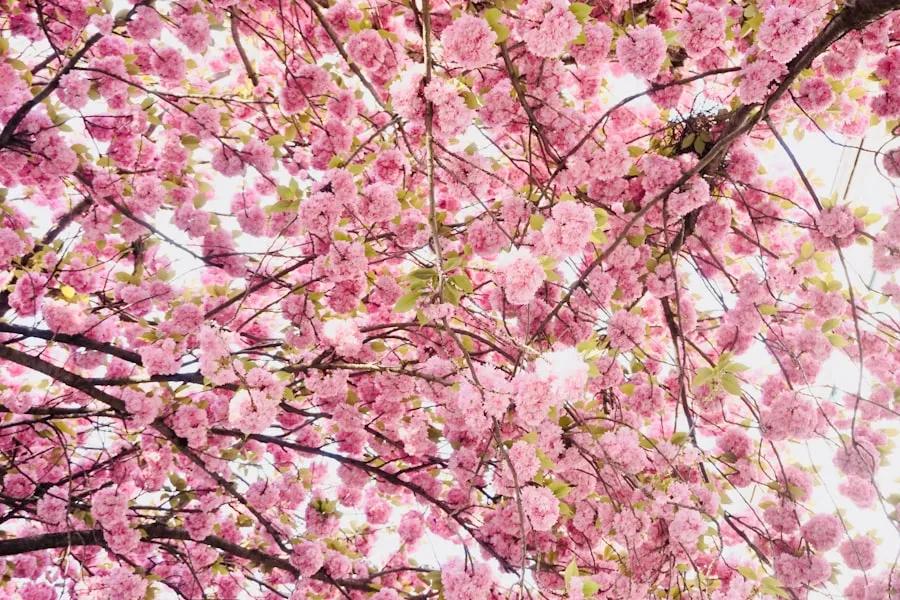
The Barton Creek Greenbelt, Mount Bonnell, Zilker Park, and trails near Lady Bird Lake are easier to explore after summer heat begins to fade. Austin does develop seasonal color, but the display is usually more subtle and less predictable than fall foliage in colder parts of the United States. The best color may not appear until November or early December.
Austin City Limits Music Festival takes place over two weekends in October at Zilker Park. The event attracts large crowds and affects lodging, traffic, park access, rideshare pickup areas, and nearby restaurants. Travelers attending the festival should buy tickets only through authorized sources and review the current bag, entry, transportation, and weather policies.
Austin’s music scene continues beyond ACL. Smaller venues such as The Continental Club and Mohawk host concerts throughout the year, offering a more intimate alternative to a large outdoor festival. Local breweries and restaurants may also offer seasonal drinks and menus during fall.
October can still bring heavy rain. A pleasant temperature does not guarantee dry conditions, so carry a compact umbrella or light rain shell and check the forecast before an outdoor concert or trail visit.
Winter in Austin: Mild Days and Occasional Cold Fronts
Winter is often mild enough for sightseeing, patios, and outdoor walks. Normal daytime highs range from about 63°F to 67°F between December and February, while normal lows range from about 42°F to 46°F. Sunny afternoons may feel warm, but strong cold fronts can produce sharp temperature drops.
| Winter Month | Normal High/Low | Normal Rainfall | Seasonal Events to Check |
|---|---|---|---|
| December | 63.9°F / 43.4°F | 2.72 inches | Trail of Lights and Armadillo Christmas Bazaar |
| January | 62.5°F / 41.8°F | 2.64 inches | Free Week and the Austin Modern Home Tour when scheduled |
| February | 66.5°F / 45.8°F | 1.89 inches | Austin Marathon and Carnaval Brasileiro when scheduled |
Austin’s holiday season may include the Trail of Lights in Zilker Park, markets, concerts, restaurant specials, and local shopping events. The Armadillo Christmas Bazaar, Free Week, Austin Modern Home Tour, Carnaval Brasileiro, and Austin Marathon have appeared on winter calendars, but dates and annual scheduling can change. Confirm each event before booking a trip around it.
Snow is uncommon, but freezing rain, sleet, or ice can disrupt roads and flights. Austin drivers and infrastructure are less accustomed to winter precipitation than communities in colder climates. Check the forecast before arrival and avoid unnecessary driving if officials warn of icy conditions.
Note: Pack layers in winter. A mild afternoon can follow a chilly morning, and a passing cold front may lower the temperature quickly.
Best Time to Avoid Crowds in Austin
January and February often have less festival-related pressure than March or October. Weekdays are usually quieter than Friday and Saturday nights, especially at popular restaurants, entertainment districts, museums, and outdoor attractions.
Late August and early September may have fewer major festivals, but the lower crowd level comes with a major tradeoff: extreme heat. This period is better for travelers focused on indoor attractions, swimming, dining, or evening activities than for visitors planning long daytime hikes.
For shorter lines, visit the Texas State Capitol, Bullock Texas State History Museum, Zilker Park, and Lady Bird Lake early in the day. Popular brunch restaurants and barbecue locations may still have waits even during a generally quiet month.
Pro Tip: Search the citywide event calendar before booking. A convention, university event, race, concert, or sports weekend can create localized crowds even during an otherwise quiet month.
Peak Tourist Times in Austin
Austin’s busiest periods commonly include SXSW in March and Austin City Limits Music Festival in October. These events can fill hotels, increase rates, close streets, alter park access, and place heavy demand on restaurants and rideshare services.
Book accommodations as soon as your event dates are firm. A hotel within walking distance of your primary venues may save time and reduce transportation costs, even when its nightly rate is higher than a property farther away.
Driving and parking near a major event can be difficult. Use the CapMetro trip planner to review bus and rail options, and check official event transportation pages for shuttles, bicycle routes, street closures, and rideshare zones. Service routes and schedules can change during large events.
Travelers using rideshare services should expect longer waits and surge pricing immediately after a headline performance or major session. Walking several blocks away from the busiest exit area may make pickup easier, provided the route is safe and permitted.
Best Time for Outdoor Recreation in Austin
March, April, late October, and November are usually the most comfortable months for hiking, biking, paddling, and park visits. Temperatures are generally milder than summer, although thunderstorms and heavy rain can temporarily close trails or create dangerous creek conditions.
The Barton Creek Greenbelt offers hiking, mountain biking, limestone cliffs, and seasonal swimming areas. Water levels vary greatly, so do not assume the creek will be flowing. Stay out of closed areas and avoid creek beds, low-water crossings, and drainage channels during or after heavy rain.
Lady Bird Lake provides skyline views and opportunities for kayaking and paddleboarding. The Butler Trail around the lake is also popular for walking and running. Zilker Park offers open lawns, picnic areas, Barton Springs Pool, gardens, and connections to nearby trails.
During summer, schedule strenuous activities soon after sunrise and shorten the route. During winter, check for icy surfaces after a freeze. In every season, carry water, use sun protection, and tell someone where you are going when exploring a less-traveled trail.
Austin’s most comfortable outdoor weather often occurs in spring and late fall, but May and October can still bring heavy rain. Always plan around the forecast rather than the calendar alone.
How to Plan an Austin Trip for Each Season
| Season | Best For | Main Tradeoff | What to Pack |
|---|---|---|---|
| Spring | Wildflowers, patios, hiking, SXSW and neighborhood exploration | Festival crowds, thunderstorms, hail and flash flooding | Light layers, walking shoes, sunscreen and a rain layer |
| Summer | Swimming, paddling, bats, indoor attractions and evening music | Extreme heat and warm nights | Breathable clothing, hat, sunscreen, water bottle and light indoor layer |
| Fall | ACL Festival, hiking, patios, breweries and live music | September heat, October crowds and possible heavy rain | Light clothing, comfortable shoes, rain protection and a layer for November evenings |
| Winter | Lower festival pressure, museums, food, shopping and holiday events | Cold fronts and occasional ice or freezing rain | Layers, a medium jacket and closed-toe walking shoes |
Reserve early when traveling for SXSW, ACL Festival, a major race, or a holiday weekend. For ordinary dates, compare several neighborhoods and consider refundable rates so you can adjust the trip if the forecast becomes unfavorable.
For spring trips, footwear that handles wet pavement can be useful after a storm. See our guide to waterproof sneakers for spring travel for additional ideas.
Frequently Asked Questions
What is the best time to travel to Austin?
Late March through April and late October through November usually offer Austin’s best balance of comfortable temperatures and outdoor activities. Choose dates outside SXSW and ACL Festival if you want the seasonal weather without the largest event crowds.
What is Austin’s weather like during the best travel months?
March and April normally bring highs from the low 70s to around 80°F. October and November normally bring highs from the low 80s to the low 70s. Nights are cooler, so a light layer is helpful. Rain and thunderstorms remain possible in both seasons.
Are spring and fall dry in Austin?
Not always. May and October are among Austin’s wetter months, and thunderstorms can produce heavy rain in a short period. Spring also has a higher risk of severe thunderstorms, hail, strong winds, and flash flooding.
Which major festivals take place in Austin?
South by Southwest takes place in March, while Austin City Limits Music Festival is held in October. Austin also hosts food, film, comedy, cultural, racing, and holiday events throughout the year. Confirm dates through the official organizer before booking.
What outdoor activities are best in spring and fall?
Popular options include walking or cycling the Butler Trail, hiking the Barton Creek Greenbelt, visiting Zilker Park, swimming at Barton Springs Pool, and paddling on Lady Bird Lake. Check trail, waterway, and weather conditions before beginning an activity.
Is Austin too hot to visit during summer?
Summer can still be enjoyable if you plan around the heat. Schedule outdoor activities early, swim or paddle during safe conditions, spend the afternoon indoors, and return outside in the evening. July and August are less suitable for travelers who dislike temperatures in the upper 90s.
When is Austin least crowded?
January and February often have fewer festival-related crowds, particularly on weekdays. Late August may also have less event pressure, but extreme heat makes it a poor choice for many outdoor-focused visitors. Always check the citywide event calendar before reserving a hotel.
What should I pack for Austin?
Bring comfortable walking shoes, sunscreen, a refillable water bottle, and clothing that can be layered. Add rain protection in spring and fall, highly breathable clothing in summer, and a warmer jacket for winter cold fronts.
Sources
- National Weather Service: Austin Camp Mabry Monthly Normals — monthly normal highs, lows, rainfall, and seasonal comparisons.
- National Weather Service: Austin Climate Summary — summer heat, winter conditions, rainfall patterns, flash flooding, and severe-weather season.
- Ready Central Texas: Severe Weather — local thunderstorm, hail, tornado, lightning, and flood-safety guidance.
- City of Austin: Barton Springs Pool — pool temperature, hours, rules, admission, and transportation details.
- Texas Parks and Wildlife: Congress Avenue Bridge — bat-colony size, location, and viewing information.
- SXSW and Austin City Limits Music Festival — official seasonal festival information and current event updates.

