
Last Updated on July 28, 2026 by Daniel Globe
Argentina stretches across several climate zones, so there is no single best month for every trip. Buenos Aires is most comfortable in spring and fall, Patagonia favors the long days of summer, ski areas depend on winter snow, and wildlife seasons follow their own calendar. The right dates depend on where you are going and what you want to do.
Quick Answer
The best time to visit Argentina depends on the region. Choose September to November or March to May for Buenos Aires, December to March for Patagonia hiking, July to September for skiing, and September to October for peak whale activity. Mendoza’s main harvest celebrations usually culminate in early March.
Key Takeaways
- Spring and fall are strong choices for Buenos Aires, but both seasons can bring rain.
- December through March offers Patagonia’s longest days and most practical hiking conditions.
- Argentina’s main ski window is usually July through September, depending on snow and the resort.
- Mendoza’s grape harvest and Fiesta Nacional de la Vendimia belong to late summer and early fall, not spring.
- Wildlife timing is specific: whales visit from June to early December, while Punta Tombo’s penguin season runs from September into April.
Disclosure: As an Amazon Associate I earn from qualifying purchases. Some links on this page are affiliate links, at no extra cost to you.
Best Time to Visit Argentina at a Glance
| Buenos Aires and central Argentina | September–November or March–May |
| Patagonia hiking and road trips | December–March; consider November or April for quieter shoulder-season travel |
| Mendoza wine harvest | Late February–March |
| Atlantic beaches | December–February |
| Skiing and snow activities | July–September; some destinations may operate in June or October |
| Southern right whales | June–early December; September–October usually has the highest concentration |
| Punta Tombo penguins | September–April |
| Iguazú Falls | March–May or September–October for milder walking conditions |
Spring: Blossoms, City Walks, and Patagonian Wildlife
Spring in Argentina runs from September through November in the usual travel-calendar sense. In Buenos Aires, warmer days draw people into parks, plazas, sidewalk cafes, and the green spaces around Bosques de Palermo. Jacaranda blossoms add purple color to many streets and parks, although the exact flowering period changes with the weather.
This is one of the most comfortable seasons for walking through Palermo, Recoleta, San Telmo, and the historic center. Days are generally warmer than winter without the heavy heat and humidity of January or February.
Spring is also valuable for wildlife trips. Southern right whales remain around Península Valdés and Puerto Madryn, and the Magellanic penguins begin returning to nesting areas such as Punta Tombo. September and October can therefore combine city sightseeing with some of Patagonia’s strongest marine-wildlife activity.
Note: Spring is comfortable in Buenos Aires, but it is also one of the city’s rainier seasons. Pack a light rain jacket or compact umbrella rather than assuming every day will be dry.
Summer: Beaches, Patagonia, Barbecues, and Long Days
Summer spans December through February, with warm conditions continuing into March in many destinations. This is the busiest season for the Atlantic coast, where Mar del Plata, Pinamar, Villa Gesell, and nearby beach towns attract vacationers from across Argentina.
Beach clubs, seafood restaurants, empanadas, and asado are central to the coastal experience. Accommodation can fill quickly around Christmas, New Year, and January, so beach travelers should reserve early if they need a specific neighborhood or oceanfront property.
Summer is also the main hiking and sightseeing season in Argentine Patagonia. Longer daylight and milder temperatures make it easier to explore Los Glaciares National Park, Tierra del Fuego, Bariloche, El Chaltén, and the Lake District. The weather can still change quickly, and wind is common, so summer does not mean consistently warm conditions.
Buenos Aires remains culturally active throughout summer, and travelers can attend milongas and tango shows year-round. However, the city’s main Tango BA Festival and World Cup is normally held in August and early September rather than during the summer.
Fall: Wine Harvest and Colorful Landscapes
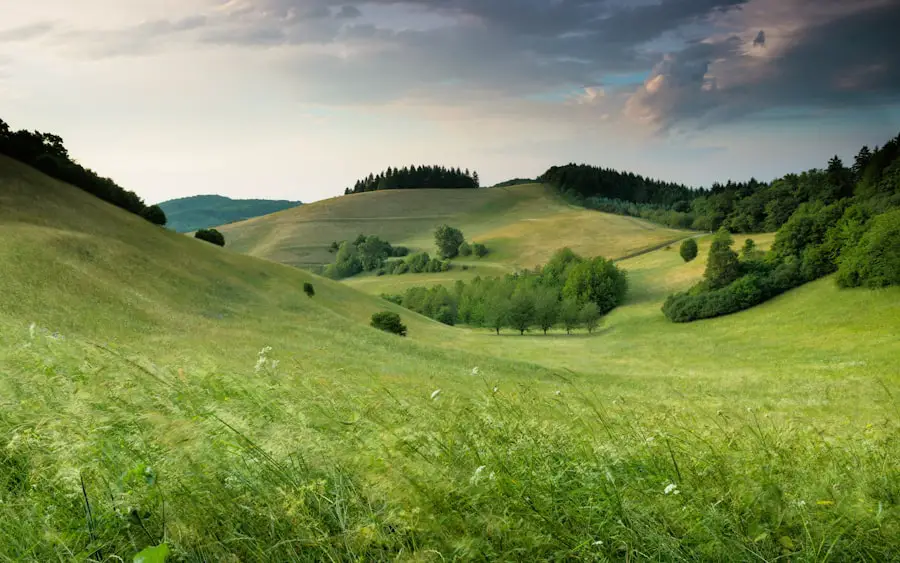
Argentina’s fall runs from March through May. This is the heart of the wine-harvest period in Mendoza, when vineyards collect grapes and wineries host harvest-related tours, meals, and tastings.
The Fiesta Nacional de la Vendimia is the season’s best-known celebration. Its major parades and central performance usually culminate in early March. Exact dates change each year, so travelers should check the Government of Mendoza’s Vendimia updates before booking flights or event tickets.
Fall also suits travelers who want to combine wineries with cooler days and mountain views. Mendoza city, Luján de Cuyo, and the Uco Valley remain active after the main festival, often with a calmer atmosphere than the busiest harvest weekends.
In Buenos Aires, fall mornings and evenings can feel cool while afternoons remain pleasant. Parks gain autumn color, and the city’s theater, art, food, and film calendars continue indoors and outdoors. The Buenos Aires International Festival of Independent Cinema, or BAFICI, is commonly held during this season; the 2026 edition ran from April 15 through April 26.
Pro Tip: Visit Mendoza after the busiest Vendimia weekend if you want harvest-season scenery with easier restaurant and winery reservations.
Winter: Skiing and Snow-Capped Mountains
| Main ski window | July through September at many resorts |
| Possible extended season | June or October at selected destinations when conditions allow |
| Popular bases | Bariloche, San Martín de los Andes, Las Leñas, Esquel, and Ushuaia |
| Check before departure | Snow report, lift status, road conditions, resort opening dates, and equipment availability |
Winter runs from June through August, although the usable snow season can extend beyond those months. The Andes and southern mountain areas become the focus for skiing, snowboarding, snowshoeing, sledding, and other winter activities.
Cerro Catedral near San Carlos de Bariloche is one of Argentina’s best-known ski destinations. It has beginner areas, ski and snowboard schools, and terrain for more experienced visitors. Its official resort guidance places the normal winter season from July through late September, subject to weather and snow conditions.
Ushuaia, Argentina’s southernmost city, offers downhill skiing, cross-country routes, snowshoeing, dog-sled excursions, and winter parks. Short daylight hours and cold conditions create a very different trip from a summer visit to Tierra del Fuego.
Winter cuisine is another part of the experience. Locro, stews, grilled meats, regional lamb, and hot chocolate are popular choices after a day outdoors.
Warning: Never book a ski trip from a historical snowfall table alone. Opening dates, lift operations, road access, and usable terrain can change quickly, so check the resort’s current snow report immediately before travel.
Best Time to Visit Buenos Aires
For most first-time visitors, September through November and March through May offer the best balance of comfortable temperatures, outdoor dining, city walks, and cultural activity. Argentina’s official tourism guidance also recommends fall or spring for traditional Buenos Aires sightseeing.
Spring brings flowering trees and lively parks. Fall offers cooler evenings, changing foliage, and a full indoor cultural calendar. Both can be rainy, so mild weather should not be confused with guaranteed dry weather. The city’s official climate guide describes spring and autumn as its rainier seasons.
Summer can be hot and humid, especially during January and February. Some residents leave for the coast, which can make selected business districts feel quieter. Museums, restaurants, tango venues, and major sights remain available, but midday walking may be tiring.
Winter is cooler but generally manageable with a warm jacket. It is a useful season for theaters, museums, cafes, and the Tango BA Festival. For 2026, the official Tango BA Festival and World Cup is scheduled from August 20 through September 2.
Best Time to Explore Patagonia
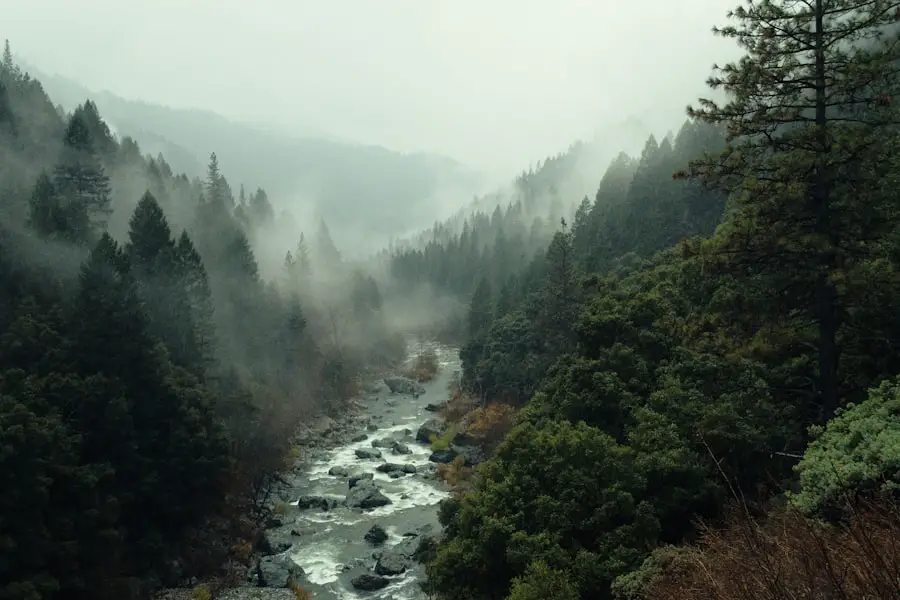
December through March is the most practical period for a broad Patagonia itinerary. Days are longer, many hiking services are operating, and roads and viewpoints are generally easier to reach than in winter. Argentina’s official tourism site recommends December through March for the Patagonia lakes region.
El Chaltén and Los Glaciares National Park are popular for trails, glaciers, and mountain scenery. Bariloche and the Lake District combine hiking, scenic drives, boating, and lakeside towns. Ushuaia offers Beagle Channel trips, Tierra del Fuego National Park, and long summer daylight.
November and April can suit travelers who accept cooler weather and less predictable services in exchange for fewer visitors. September may still feel like winter in southern or high-elevation areas, and some trails or facilities may not be ready for the main trekking season.
Note: Patagonia crosses Argentina and Chile. Torres del Paine National Park is in Chile. For an Argentina-focused trip, consider Los Glaciares, Nahuel Huapi, Lanín, Tierra del Fuego, or Patagonia National Park.
Before starting a long hike, check the relevant park’s official notices, weather forecast, trail status, registration rules, and opening hours. At Los Glaciares, some access hours are shorter during the winter period even when parts of the park remain open.
Best Time to Visit Mendoza and Argentina’s Wine Country
Late February through March is the signature period for Mendoza’s grape harvest. It is the best choice for travelers who want harvest activity, Vendimia celebrations, and a busy wine-country atmosphere.
October and November are also attractive. Vineyards are green, days are often suitable for outdoor tastings, and the region is outside the intense festival period. April can offer autumn color and a quieter pace after the main harvest events.
Summer afternoons can be hot, while winter mornings and nights can be cold. Winery visits operate throughout the year, but reservations remain important because many estates accept limited numbers of guests and require advance bookings for meals or guided tastings.
Best Time to Visit Iguazú and Northern Argentina
Iguazú Falls can be visited all year, but March through May and September through October often provide a better balance of heat, humidity, trail comfort, and vegetation. Argentina’s official Iguazú guidance specifically recommends fall, while its spring guidance highlights September and October for milder conditions and birdwatching.
Summer is hotter and more humid, with a greater chance of heavy rain. Higher water flow can make the falls look dramatic, but rain may also affect walkways, boat trips, visibility, or the amount of time visitors want to spend outside.
In northwestern Argentina, destinations such as Salta and Jujuy are often easier to explore during the drier part of the year. Winter days can be sunny, but high-altitude nights may be very cold. Travelers continuing into the Andes should prepare for strong sun, large temperature swings, and elevation.
Best Time for Wildlife Watching in Argentina
Argentina’s wildlife calendar depends on the species and habitat. A single “best season” does not cover the subtropical forest, wetlands, Atlantic coast, and Patagonian steppe.
- Southern right whales: The official Península Valdés season runs from June to early December. September and October usually have the highest concentration and strong activity around mothers and calves. See the official Argentina whale-season guidance.
- Magellanic penguins at Punta Tombo: The season normally runs from September into April. Nesting, chicks, and molting occur at different points, so the experience changes through the season. Check Chubut’s official Punta Tombo information.
- Iguazú wildlife and birds: March through September can provide more comfortable conditions than the hottest part of summer. September and October are especially useful for combining mild weather, greenery, butterflies, and birds.
- Iberá Wetlands: April through November is a practical period for wildlife viewing, with opportunities to see capybaras, marsh deer, caimans, birds, and reintroduced native species.
Wildlife is never guaranteed. Weather, breeding behavior, sea conditions, protected-area rules, and daily tour operations all affect what visitors can see.
Best Time for Cultural Festivals and Events
Argentina holds festivals throughout the year, but several major events can shape travel dates, accommodation demand, and local transportation.
| Event | Usual period | What to expect |
| Carnival | February or early March | Parades, music, dancing, and major celebrations in places such as Gualeguaychú |
| Fiesta Nacional de la Vendimia | Main events in early March | Mendoza harvest parades, performances, regional celebrations, and wine-related events |
| BAFICI | Usually April | Independent films, premieres, talks, and screenings across Buenos Aires |
| Tango BA Festival and World Cup | August into early September | Competitions, concerts, classes, shows, and milongas in Buenos Aires |
Note: Festival dates can change every year. Confirm the official calendar before buying nonrefundable transport or accommodation, especially for Carnival and Vendimia.
Best Time for Fewer Crowds and Lower Prices
For Buenos Aires and central Argentina, May, late August, September, and parts of November can offer a useful balance between comfortable conditions and moderate demand. Exact hotel prices still depend on trade fairs, concerts, football matches, holidays, and local events.
Patagonia is usually quieter in November and April than during January and February. The tradeoff is less predictable weather and the possibility that some seasonal tours, mountain services, or accommodations are not operating on their full summer schedule.
Ski destinations are busiest during July school holidays and strong snow periods. Atlantic beaches are busiest around Christmas, New Year, January, and summer weekends. Mendoza fills around the main Vendimia program.
Before choosing dates, check Argentina’s official national holiday calendar and the local event calendar for each destination. A quieter month can still include a high-demand holiday weekend.
Weather and Packing Tips by Region
- Buenos Aires: Pack breathable clothing for summer, a warm layer for winter evenings, and rain protection in spring and fall.
- Patagonia: Bring layers, a wind-resistant outer shell, sun protection, and footwear suited to changing trail conditions—even in summer.
- Iguazú: Choose light, quick-drying clothes, comfortable walking shoes, insect repellent, and a waterproof layer.
- Mendoza: Prepare for strong sun and temperature changes between daytime tastings and cooler evenings.
- Ski destinations: Use waterproof outerwear, gloves, eye protection, warm base layers, and suitable footwear. Reserve rental equipment early during holiday periods.
Argentina is large, and a multi-region trip may involve long flights or full travel days. Avoid treating Buenos Aires, Mendoza, Iguazú, and southern Patagonia as nearby stops. Building recovery time into the itinerary makes weather delays and schedule changes easier to handle.
Planning Your Argentina Trip
Choose luggage that works for domestic flights, buses, city streets, and changing climates. The existing guides to hardside carry-on luggage with spinner wheels, the best lightweight laptop for travel, and practical travel gifts for women can help with the equipment side of the trip.
Frequently Asked Questions
What is the best time to travel to Argentina?
For a trip centered on Buenos Aires and central Argentina, September through November and March through May are strong choices. Choose December through March for Patagonia hiking, July through September for skiing, and late February through March for Mendoza’s harvest season.
What is the weather like in Argentina during spring and fall?
Buenos Aires and many central destinations have mild days and cooler mornings or evenings. Spring and fall can also be rainy, so bring a light waterproof layer. Patagonia remains cooler and more changeable than Buenos Aires during the same months.
When is the best time to visit Patagonia?
December through March is the main season for hiking, sightseeing, road trips, and long daylight. November and April can be quieter, but weather and seasonal services are less predictable. Winter is better suited to snow activities than broad trekking itineraries.
When is Argentina’s wine-harvest season?
Mendoza’s grape harvest is concentrated in late summer and early fall, especially late February and March. The main Fiesta Nacional de la Vendimia events usually culminate in early March, although exact dates change annually.
When is the best time for whale watching in Argentina?
Southern right whales are present around Península Valdés and Puerto Madryn from June to early December. September and October usually offer the highest concentration and are strong months for seeing mothers and calves near the coast.
What are Argentina’s busiest travel periods?
Demand is destination-specific. Atlantic beaches and Patagonia are busy during the summer holidays, ski towns fill during July and good snow periods, and Mendoza becomes busy around Vendimia. National holidays and major festivals can also raise demand outside those seasons.
Which Argentine regions are best in spring and fall?
Buenos Aires is especially appealing in both seasons. Spring is also strong for Península Valdés wildlife and the Lake District, while fall suits Mendoza, Córdoba, Buenos Aires, and Iguazú. Patagonia trekking is generally more reliable closer to summer.
Sources
- Argentina Travel: About Argentina — national seasons and destination guidance.
- Buenos Aires Tourism: Climate — city temperatures, rainfall patterns, and seasonal conditions.
- Argentina Travel: Patagonia Lakes — recommended summer and winter travel periods.
- Government of Mendoza: Vendimia — official harvest-festival information and updates.
- Buenos Aires Tourism: Tango BA Festival and World Cup — official festival dates and activities.
- Chubut Tourism: Punta Tombo — official Magellanic penguin season information.
