
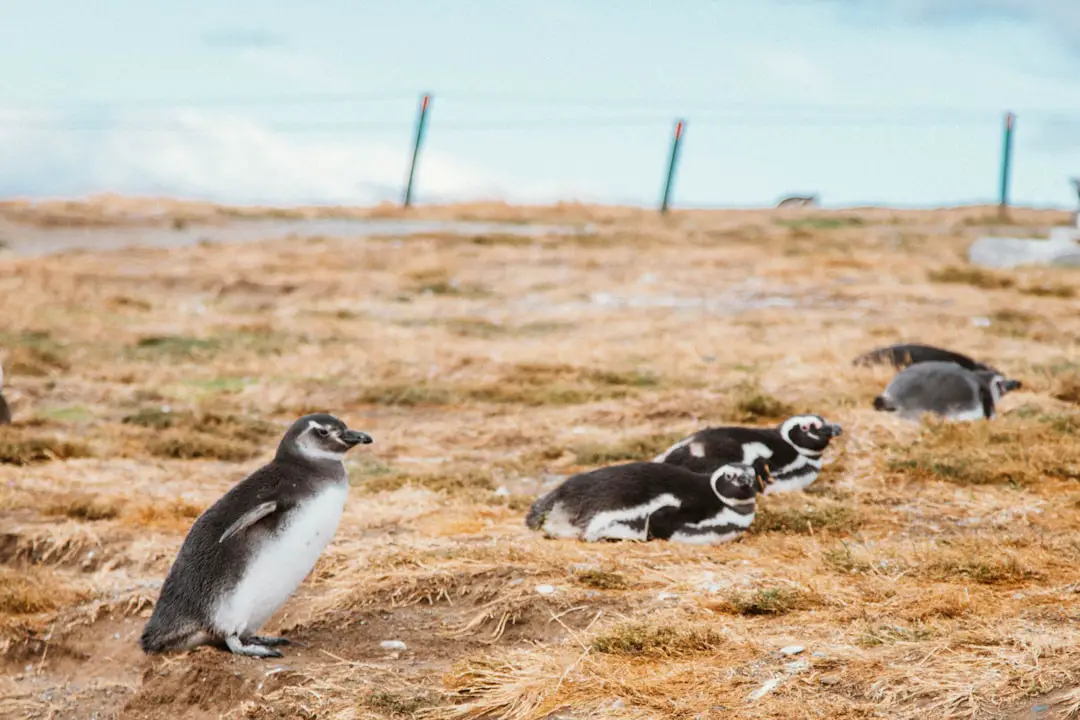
Last Updated on July 28, 2026 by Daniel Globe
The best time to visit Antarctica depends on what you most want to see, but nearly all leisure trips take place during the austral summer. Most expedition cruises operate from late October through March, when sea ice retreats, coastal temperatures become less severe, and long daylight hours make landings and wildlife viewing possible. December and January offer the broadest access, while November and March provide different scenery, wildlife behavior, and pricing.
Quick Answer
The best time to visit Antarctica is from late October through March. December and January offer the longest daylight, active penguin colonies, and generally milder coastal weather. Choose November for snow-covered scenery and nesting birds, or February and March for stronger whale-watching opportunities. Winter is not a normal tourist season.
Key Takeaways
- Best overall months: December and January provide long daylight, relatively mild coastal conditions, and the widest range of landings.
- Best for fresh snow and nesting activity: Travel in November, when sea ice may still be extensive and many penguins are courting or incubating eggs.
- Best for whales: February and March often provide stronger chances of seeing feeding humpback and minke whales.
- Winter is not a budget tourist season: Ordinary expedition cruises generally stop, and access is mainly limited to research and specialist operations.
- Nothing is guaranteed: Weather, sea ice, wildlife, station access, landings, and optional activities can change at short notice.
At a Glance
| Main Expedition Season | Late October through March, with a smaller number of voyages extending into early April |
| Best Overall Time | December through January |
| Best Wildlife Timing | Penguin nesting and hatching from November through January; feeding whales become more prominent later in summer |
| Typical Trip Length | About 10–14 days for a classic Peninsula voyage; longer for South Georgia, the Antarctic Circle, or the Ross Sea |
| Current Planning Cost | Roughly $9,000–$30,000 or more per person for the expedition, before all flights and personal expenses |
Disclosure: As an Amazon Associate I earn from qualifying purchases. Some links on this page are affiliate links, at no extra cost to you.
Best Time to Visit Antarctica by Season
Late October to November: Snow, Sea Ice, and Nesting Penguins
Early-season voyages offer some of the cleanest snow-covered landscapes of the year. Sea ice may remain extensive, icebergs often appear sharp and newly sculpted, and penguin colonies become busy as birds return, court, build nests, and begin incubating eggs.
November can be a good choice for photographers who want white landscapes with fewer muddy paths around penguin colonies. Fares may also be lower than Christmas and New Year departures. The tradeoff is that thicker sea ice can limit access to some channels, bays, and landing sites. Whale numbers are generally lower than they are later in summer.
December to January: Best Overall Conditions
December and January are the most popular months because they combine long daylight hours, improved access, and intense activity at penguin colonies. Eggs hatch at many colonies during this period, and visitors may see adults feeding small chicks.
These months also offer the broadest range of expedition departures and optional activities. Demand is high, especially around Christmas and New Year, so popular cabins and limited-capacity activities such as kayaking can sell out early. Prices are often highest during this central summer period.
February to March: Whales and Late-Summer Light
Later summer is an excellent choice for travelers focused on marine mammals. Humpback, minke, and other whales feed in productive Antarctic waters during summer, and sightings often become more frequent as the season progresses. The Australian Antarctic Program confirms that humpbacks feed on krill in Antarctic waters during this period.
Penguin chicks are larger, more independent, and may be learning to swim. Fur seals can also become more numerous and assertive at some sites. By March, sunsets and darker evening skies return, creating softer photography light and, under suitable conditions, a chance of seeing stars or an aurora.
Temperatures begin to fall, storms can become more disruptive, and some operators finish their schedules during March. Snow at heavily visited colonies may also be less pristine than it was in November.
April to September: Antarctic Winter
Winter is not a normal off-peak tourism season. Sea ice expands, temperatures fall, storms intensify, and prolonged darkness develops at higher latitudes. Standard expedition cruises stop operating, and most people remaining on or near the continent are involved in national research programs or specialist logistics.
Travelers searching for lower prices should compare early-November and March departures rather than planning a winter visit. Antarctic Treaty information indicates that approximately 98% of tourism voyages take place around the Antarctic Peninsula during the seven-month austral-summer period from October through April.
Approximately 98% of Antarctic tourism voyages take place around the Antarctic Peninsula during the austral summer.
Weather and Climate Considerations
Antarctica is the coldest, driest, and windiest continent, but conditions vary greatly between the coast and the elevated interior. According to the British Antarctic Survey, coastal summer temperatures are generally near freezing. The interior remains far colder and rarely exceeds -20°C (-4°F), even in summer.
Ushuaia is often used as a departure port, but it is in Argentina and should not be used as an example of Antarctic coastal weather. Most leisure visitors explore the Antarctic Peninsula and nearby islands, where temperatures may move above or below freezing during summer. Wind chill can make a mild-looking temperature feel much colder.
Weather can change within minutes. Sunshine may give way to fog, snow, freezing spray, or strong wind, and expedition leaders may cancel a landing even after passengers have prepared to go ashore. Flexible itineraries are a normal part of Antarctic travel rather than a sign of poor planning.
Daylight Varies by Latitude
The entire continent does not experience the same period of continuous daylight. The Australian Antarctic Program explains that polar day and polar night become longer closer to the South Pole. Some coastal locations have only a few weeks when the sun does not set, while the South Pole experiences months of continuous summer daylight and winter darkness.
Visitors to the Peninsula can still expect very long days in December and January. Late-season travelers see increasingly distinct sunsets and longer periods of twilight.
Warning: Every landing, Zodiac cruise, flight, and optional activity is subject to weather, sea ice, wildlife protection measures, and the expedition leader’s safety decision. Never book a trip based on a promise that one exact site or activity will occur.
Wildlife Viewing Opportunities
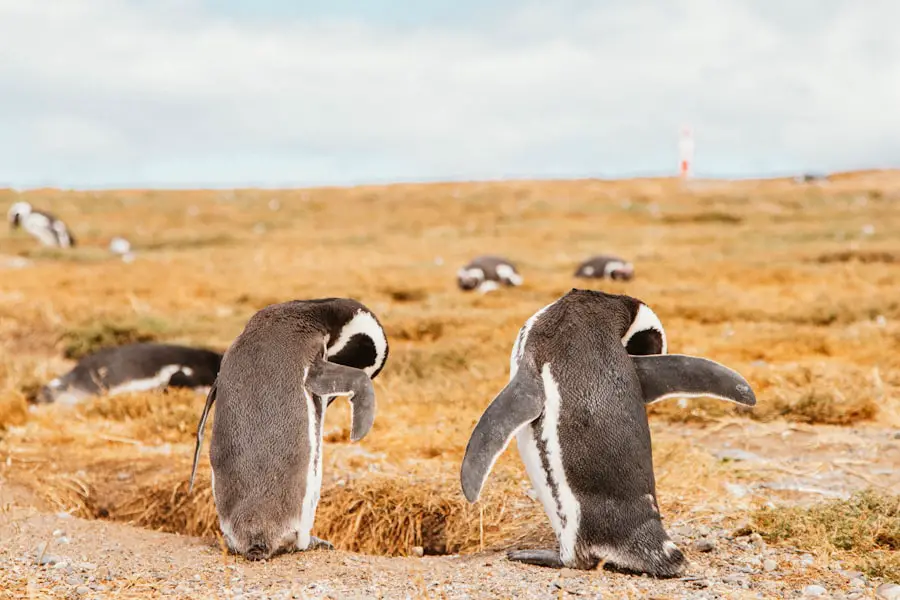
Antarctic wildlife follows natural breeding, feeding, and migration cycles, so the best month depends on the animals you hope to see. No operator can guarantee a particular species, but the austral summer provides the broadest viewing opportunities.
Penguins
Gentoo, chinstrap, and Adélie penguins are among the species most often seen on Antarctic Peninsula voyages. Nesting begins early in the season, chicks hatch at many colonies during December and January, and larger chicks become active around the colony later in summer.
Emperor penguins require special caution in trip planning. They breed on sea ice during the Antarctic winter, and their colonies are remote from the standard Peninsula cruise route. The Australian Antarctic Program’s emperor penguin breeding guide explains that their cycle begins when sea ice reforms in autumn. Seeing emperors usually requires a specialized Weddell Sea, Ross Sea, or air-supported itinerary, and even those trips cannot guarantee access.
Seals
Depending on the route, travelers may see Weddell, crabeater, leopard, Antarctic fur, and southern elephant seals. Seals may rest on ice floes, swim near Zodiacs, or gather on beaches. Fur seals can become territorial later in summer, so visitors must follow guides closely and give them ample space.
Whales
Humpback, Antarctic minke, fin, killer, and other whales may be seen in Southern Ocean waters. Many baleen whales travel south to feed during the austral summer. February and March are often selected by whale-focused travelers because feeding activity can be more noticeable later in the season.
Seabirds
Albatrosses, petrels, skuas, sheathbills, and other seabirds may be seen during sea crossings and near nesting areas. The Drake Passage can be especially rewarding for birdwatchers, although wind and vessel movement can make photography difficult.
Note: Wildlife determines the encounter. Never block an animal’s route, touch or feed it, or move closer after it changes its behavior. Follow the expedition team’s site-specific distance instructions.
Popular Activities and Excursions
| Activity | Typical Availability | What to Know |
|---|---|---|
| Zodiac Cruising | Most expedition voyages | Used to explore ice, coastlines, and wildlife when going ashore is unsafe or unnecessary. |
| Shore Landings and Hiking | Weather and site permitting | Routes may cross snow, rock, mud, or uneven beaches. Walks range from short viewing stops to steeper hikes. |
| Kayaking or Paddling | Selected ships; advance booking often required | May require previous experience, a medical declaration, an added fee, and suitable wind and sea conditions. |
| Antarctic Camping | Limited itineraries | Usually one supervised night with strict environmental rules. Weather can cancel it. |
| Polar Plunge | Some voyages | A brief, supervised entry into cold water. Participation depends on health, conditions, and operator rules. |
| Research Station or Historic Site Visit | Occasional and never guaranteed | Requires permission and may be canceled because of station operations, health controls, or weather. |
Zodiac excursions and shore landings form the core of most expedition itineraries. Guides select sites according to wind, swell, ice, wildlife sensitivity, and the presence of other ships. A canceled landing may be replaced by a Zodiac cruise, wildlife observation from the ship, or another landing elsewhere.
Optional activities vary considerably. Some ships include paddling, while others charge extra for a full kayaking program. Camping, mountaineering, skiing, diving, and helicopter excursions are offered only by selected operators and may require previous experience or specialist equipment.
Snorkeling and scuba diving are not normal walk-up cruise activities. They are specialist programs with strict experience, medical, equipment, and safety requirements. Antarctica has no city tours, and beach volleyball is not a standard visitor activity.
How to Choose the Right Antarctic Expedition
Classic Antarctic Peninsula Cruise
A classic Peninsula voyage is the most common first trip. Most cruises leave Ushuaia, Argentina, cross the Drake Passage, and spend several days exploring the South Shetland Islands and the western Antarctic Peninsula. These trips commonly last about 10 to 14 days.
Fly-Cruise
Fly-cruises usually depart from Punta Arenas, Chile, and fly to King George Island before passengers board an expedition ship. They reduce time spent crossing the Drake Passage but cost more and remain vulnerable to flight delays caused by Antarctic weather.
Falkland Islands and South Georgia
Longer itineraries may combine Antarctica with the Falkland Islands and South Georgia. These voyages can provide exceptional seabird, king penguin, and marine-mammal viewing, but South Georgia and the Falklands are not part of the Antarctic continent. Trips commonly last about three weeks and cost substantially more than a standard Peninsula voyage.
Antarctic Circle and Ross Sea
Antarctic Circle voyages attempt to travel farther south along the Peninsula. Success depends on sea ice and weather. Ross Sea expeditions are much longer, operate from ports such as Hobart or New Zealand, and focus on remote scenery, historic exploration sites, and wildlife not normally reached from Ushuaia.
Ship Size Matters
The International Association of Antarctica Tour Operators groups landing vessels into categories. Ships carrying 13–200 passengers and ships carrying 201–500 passengers may make landings under applicable restrictions. Vessels carrying more than 500 passengers are cruise-only and cannot land passengers in Antarctica.
Pro Tip: A smaller passenger count can mean faster disembarkation and less time waiting for landing rotations. Compare the ship’s total guest capacity, not just its cabin quality or advertised amenities.
Before booking, check the operator’s IAATO membership, vessel capacity, medical facilities, expedition-team experience, included clothing, cancellation terms, activity fees, emergency procedures, and environmental policies. Read the itinerary as a list of intentions rather than guaranteed stops.
Special Events and Research Station Visits
There Is No Public Festival Calendar
Antarctica does not have a conventional calendar of public festivals that tourists can use to select a travel date. Penguin Awareness Day on January 20 is a global conservation observance, not an organized Antarctic festival. World Penguin Day on April 25 also falls after most leisure voyages have ended.
Research Station Visits Are Conditional
Some itineraries may include a visit to a research station, historic hut, post office, or museum. Access depends on advance permission, station workload, health safeguards, weather, and safe landing conditions. The IAATO visitor guidance states that permission is required before visiting scientific facilities and that arrangements should be reconfirmed shortly before arrival.
Educational Programs and Citizen Science
Expedition ships usually offer lectures on wildlife, glaciology, oceanography, exploration history, photography, and the Antarctic Treaty. Some voyages also support citizen-science projects involving seabird surveys, whale identification, cloud observations, or ocean measurements. Programs vary by ship and departure.
Packing and Preparation Tips
Antarctic packing should focus on warmth, waterproofing, sun protection, and safe movement between a ship and a small Zodiac. Many operators lend insulated rubber boots and provide an expedition parka, but policies differ. Confirm exactly what is included before buying bulky gear.
Clothing
- Moisture-wicking thermal base layers
- Fleece, wool, or lightweight insulated mid-layers
- Waterproof and windproof outer trousers
- Expedition parka or waterproof insulated jacket
- Warm hat that covers the ears
- Neck gaiter or buff
- Waterproof outer gloves plus a thinner liner pair
- Warm socks that fit comfortably inside expedition boots
- Comfortable shoes for wearing aboard the ship
Avoid cotton as a primary cold-weather layer because it dries slowly. Pack enough layers to adjust between a warm ship interior, windy deck, open Zodiac, and active shore walk.
Sun, Wildlife, and Photography Gear
- High-SPF sunscreen and lip balm
- UV-protective sunglasses with secure retainers
- Binoculars
- Camera with a weather-resistant cover
- Extra batteries kept warm in an inner pocket
- Memory cards and charging adapters
- A small waterproof daypack or dry bag
- Reusable water bottle
Snow, ice, and water reflect ultraviolet light, so sunburn can occur even when the air feels cold. A long camera lens helps travelers photograph wildlife without moving closer.
Personal Items
- Prescription medicines in the original packaging
- Spare medication for delays
- Personal toiletries and skin moisturizer
- Seasickness medicine approved by your clinician
- Copies of insurance and emergency-assistance details
- Any required medical forms
Health, Safety, and Travel Insurance
Antarctica has no normal public hospital network, emergency road system, or nearby commercial airport. Even a minor injury or illness can require a long wait, a route change, or an extremely expensive evacuation. Expedition operators commonly require a medical declaration and may request physician approval for certain conditions or activities.
The U.S. Department of State’s Antarctica guidance recommends insurance that addresses medical treatment, evacuation assistance, and trip cancellation. Travelers should verify that the policy explicitly covers Antarctica, expedition cruising, their full trip cost, and every planned optional activity.
Warning: Do not assume a credit-card policy or ordinary domestic health plan covers Antarctic evacuation. Obtain written confirmation of the geographic coverage, benefit limit, preauthorization procedure, and emergency contact process.
Drake Passage and Seasickness
The Drake Passage may be calm, rough, or somewhere between the two. Travelers prone to motion sickness should discuss suitable prevention with a qualified clinician before departure. Begin any medication according to professional or manufacturer instructions rather than waiting until severe nausea develops.
Mobility
Passengers may need to climb steep gangways, step between a ship and a moving Zodiac, sit on inflatable boat tubes, and walk over snow, rock, mud, or uneven beaches. Ask the operator for a realistic description of boarding procedures and accessible alternatives before paying a deposit.
Responsible Visitor Rules and Biosecurity
Antarctica is protected under the Antarctic Treaty System and its environmental rules. Visitors must follow expedition-team instructions and the current guidelines for each landing site.
- Do not feed, touch, chase, or surround wildlife.
- Back away if an animal changes direction, posture, or behavior because of your presence.
- Never block a penguin path between a colony and the sea.
- Do not take rocks, feathers, bones, plants, artifacts, or other souvenirs.
- Stay with the group and within marked visitor areas.
- Do not walk onto glaciers or large snowfields without trained guides and appropriate safety equipment.
- Clean mud, seeds, hair, and organic material from boots, pockets, Velcro, bags, tripods, and walking poles.
- Follow all disinfection and avian-influenza procedures provided by the expedition team.
- Do not visit scientific facilities without permission.
IAATO’s expedition-preparation resources include biosecurity, wildlife-watching, and current health-protection materials. Review the latest briefing rather than relying only on an older packing list.
Budgeting and Cost Considerations
Antarctica is a major travel investment because ships require specialized crews, polar equipment, fuel, medical support, permits, and extensive contingency planning. Based on current 2026–27 public expedition listings, shorter Peninsula voyages commonly begin around $9,000–$15,000 per person. Longer Antarctic Circle, South Georgia, fly-cruise, suite, and luxury itineraries can reach $20,000–$30,000 or more.
Prices change with cabin type, departure date, voyage length, ship, route, demand, and promotions. Published “from” prices normally assume shared accommodation and may not represent the cabin or date a traveler wants.
Expenses Beyond the Cruise Fare
- International flights to Argentina, Chile, Australia, or New Zealand
- Hotels before and after the voyage
- Domestic flights and airport transfers
- Travel and medical-evacuation insurance
- Visa or entry costs for departure and transit countries
- Optional kayaking, camping, skiing, or helicopter activities
- Clothing not supplied by the operator
- Gratuities, drinks, internet, laundry, and personal purchases
- Extra accommodation and flights after weather delays
A realistic budget should include a contingency fund. Drake crossings, charter flights, port operations, and Antarctic landings can be delayed by weather. A tightly timed return flight may create unnecessary risk and rebooking expense.
How to Reduce the Cost
- Compare November and March departures with peak holiday dates.
- Choose a shared cabin or a ship that matches solo travelers without a large supplement.
- Compare included parkas, boots, hotels, transfers, gratuities, and activities rather than fare alone.
- Subscribe to reputable operators’ departure alerts.
- Use last-minute offers only when flights, insurance, medical forms, and flexible travel dates can be arranged safely.
A cheap fare is not good value if it excludes essential logistics, uses a cruise-only vessel with no landings, or provides inadequate cancellation protection. Review the total trip cost and operating standards before choosing the lowest advertised price.
How to Get to Antarctica
Most Antarctic Peninsula cruises depart from Ushuaia at the southern end of Argentina. Travelers normally fly through Buenos Aires and then take a domestic flight to Ushuaia. Arriving at least one or two nights before embarkation provides protection against missed connections and delayed luggage.
Fly-cruise passengers commonly begin in Punta Arenas, Chile. Some specialist voyages depart from New Zealand, Hobart in Australia, South Africa, or other ports, depending on the route.
Antarctica itself does not issue a conventional tourist visa, but travelers may need visas or entry authorizations for departure, transit, and return countries. A reputable operator normally manages the required Antarctic activity notifications or permits, but each traveler remains responsible for passport and national entry requirements.
Frequently Asked Questions
What is the best month to visit Antarctica?
December and January are the best all-around months for most first-time visitors. They offer long daylight, active penguin colonies, relatively mild coastal conditions, and broad access. They are also the busiest and often most expensive months.
Is November or March better for Antarctica?
Choose November for fresh snow, more sea ice, dramatic spring scenery, and penguin courtship or nesting. Choose March for a better chance of feeding whales, larger penguin chicks, softer evening light, and possible shoulder-season savings.
What is the weather like during Antarctica’s tourist season?
Coastal summer temperatures are generally near freezing, although milder and colder periods occur. Wind, snow, fog, rain, freezing spray, and rapid changes are possible. The interior is much colder than the Peninsula coast visited by most tourists.
What wildlife can visitors see in Antarctica?
Typical Peninsula voyages may encounter gentoo, chinstrap, and Adélie penguins; Weddell, crabeater, leopard, and fur seals; humpback and minke whales; killer whales; albatrosses; petrels; skuas; and other seabirds. Sightings vary by route, month, ice, and luck.
Can tourists visit Antarctica during winter?
Ordinary expedition tourism generally stops during the Antarctic winter. Darkness, expanding sea ice, severe cold, and limited logistics make April through September unsuitable for normal leisure cruises. Travelers seeking lower fares should consider November or March instead.
How much does a trip to Antarctica cost?
Current ship-based expedition fares commonly start around $9,000–$15,000 per person. Longer, fly-cruise, suite, South Georgia, Ross Sea, and luxury itineraries can cost $20,000–$30,000 or more. Flights, insurance, hotels, activities, gratuities, and delay costs may be additional.
Can visitors see emperor penguins on a normal Antarctica cruise?
Usually not. Emperor penguins breed on remote sea ice, mainly outside the routes used by standard Peninsula cruises. Travelers specifically seeking emperors need a specialist itinerary and must accept that weather and sea ice can prevent access.
Do travelers need a visa and special insurance for Antarctica?
Antarctica does not issue a standard tourist visa, but visas or entry authorizations may be required for departure and transit countries. Travelers should carry insurance that explicitly covers Antarctica, emergency medical treatment, evacuation, trip cancellation, delays, and planned activities.
Sources
- British Antarctic Survey: Antarctica — coastal and interior temperature guidance.
- Australian Antarctic Program: Sunlight Hours in Antarctica — seasonal daylight and latitude differences.
- Antarctic Treaty Secretariat: Tourism and Non-Governmental Activities — tourism season, visitor activity, and environmental framework.
- IAATO: During Your Visit — wildlife, station-access, safety, and environmental conduct rules.
- U.S. Department of State: Antarctica Travel Advisory — insurance, evacuation, emergency planning, and consular limitations.
- Australian Antarctic Program: Emperor Penguin Breeding Cycle — winter breeding behavior and remote sea-ice habitat.

