Last Updated on July 27, 2026 by Daniel Globe
The best time to travel to Alaska on a cruise is generally from May through September, when cruise ships, port tours, and seasonal visitor services are operating. June and July offer the longest days and some of the mildest coastal weather, while May and September suit travelers who prefer a shoulder-season atmosphere. August can be especially appealing for salmon-related wildlife viewing, although rain becomes more likely in many Southeast Alaska ports.
Quick Answer
For the best overall balance of daylight, weather, wildlife activity, and excursion availability, plan an Alaska cruise between mid-June and mid-July. Choose May for a quieter shoulder-season trip, July for the warmest typical conditions, August for salmon-related wildlife opportunities, or September for fall scenery and fewer peak-season families.
Key Takeaways
- Most travelers should compare Alaska cruise departures from May through September rather than assuming June through August is right for everyone.
- June offers the longest daylight, while July usually provides the warmest typical conditions in the Southeast Alaska cruise corridor.
- Rain is possible in every month, and August and September are often wetter than May and June.
- Humpback whales, eagles, seals, sea otters, and bears may be seen, but no wildlife sighting is guaranteed.
- Not every itinerary enters Glacier Bay, so check the day-by-day route before reserving a cruise.
- Many Alaska cruises visit or depart from Canada, making passports, visas, and residency documents an essential part of planning.
- Pack waterproof outerwear, warm layers, comfortable shoes, and binoculars even when traveling in midsummer.
Disclosure: As an Amazon Associate I earn from qualifying purchases. Some links on this page are affiliate links, at no extra cost to you.
Best Time to Travel to Alaska on a Cruise by Month
There is no single best month for every passenger. Weather, wildlife, daylight, fares, family schedules, and excursion availability change across the season. The following comparison shows the usual tradeoffs, but conditions can vary from one sailing to the next.
| Month | Typical Advantages | Possible Drawbacks | Best For |
|---|---|---|---|
| May | Long days, snow on mountain peaks, strong waterfalls, and a shoulder-season feel. May and early June are often among the drier parts of the Southeast Alaska season. | Cooler mornings, fewer fully established salmon runs, and limited availability for some seasonal excursions. | Scenery, waterfalls, cooler hiking, and travelers avoiding the busiest school-holiday period. |
| June | The longest daylight of the season, broad excursion availability, active wildlife, and generally favorable sightseeing conditions. | Demand increases as the month progresses, and weather can still be cool, wet, or foggy. | First-time cruisers, photographers, active excursions, and maximum daylight. |
| July | Usually the warmest typical coastal conditions, mature excursion schedules, seabird activity, and improving bear-viewing opportunities at salmon streams. | Peak family demand, busy ports, and high competition for popular excursions. | Families, warmer-weather seekers, bear-viewing tours, and passengers wanting the widest activity selection. |
| August | Strong salmon activity in many locations, good opportunities for location-specific bear excursions, and productive fishing periods. | Rain becomes more frequent in much of Southeast Alaska, daylight decreases, and fog may affect flights or glacier excursions. | Fishing, salmon-related wildlife viewing, and travelers comfortable with wetter conditions. |
| September | A quieter late-season atmosphere, early fall color in some areas, and more nighttime darkness than midsummer. | Cooler and often wetter weather, shorter days, fewer departures, and a greater chance of seasonal tours ending. | Fall scenery, shoulder-season travelers, and passengers who do not require the longest days or warmest temperatures. |
Note: Cruise schedules now sometimes extend beyond the traditional May–September window. Very early and late departures can offer a different experience, but travelers should expect fewer seasonal services, cooler conditions, and greater weather uncertainty.
Weather Conditions During the Alaska Cruise Season
Coastal Alaska is usually cooler and wetter than many first-time visitors expect. In the main Southeast Alaska cruise ports, daytime temperatures commonly fall in the 50s and 60s Fahrenheit. A warm spell can bring temperatures into the 70s, but that should not be treated as the everyday standard.
Glacier Bay National Park advises summer visitors to prepare for highs around 50°F to 60°F, moisture, and rain. The National Weather Service’s Juneau climate information also shows normal midsummer highs in the low-to-mid 60s and lows near 50°F.
Rain can occur during any cruise month. May and June are often relatively drier in parts of the Inside Passage, while August and September commonly bring more rain. Conditions can change within hours, and one port may be sunny while another is foggy or wet.
The Inside Passage contains many protected waterways, but this does not guarantee calm sailing. Wind, ocean swell, fog, and storms can affect exposed sections, particularly on itineraries crossing the Gulf of Alaska. Passengers who are sensitive to motion should compare routes, cabin locations, and available onboard options before departure.
Pro Tip: Keep a waterproof shell, warm layer, hat, and gloves in your day bag instead of leaving them in the cabin. Glacier-viewing decks can feel much colder than the temperature shown for the nearest port.
Wildlife Sightings During the Summer Months in Alaska

Wildlife is one of the main reasons travelers choose an Alaska cruise, but animals follow food, tides, weather, and migration patterns rather than ship schedules. Treat every sighting as a possibility rather than a promise.
Whales and Marine Mammals
Humpback whales are commonly seen in Alaska’s coastal waters during the warmer feeding season. According to NOAA Fisheries, humpbacks feed on krill and small fish and may display surface behaviors such as breaching, tail-slapping, or coordinated bubble-net feeding.
Orcas, harbor seals, Steller sea lions, porpoises, and sea otters may also appear, depending on the route. A dedicated whale-watching boat usually provides a more focused experience than scanning from a large ship, although no reputable operator should guarantee a sighting or a specific behavior.
Bears, Moose, Eagles, and Other Land Wildlife
Brown and black bears may feed near salmon streams during summer and early fall. The best timing varies by river and salmon species. For example, the Alaska Department of Fish and Game identifies July and August as prime bear-viewing months at Pack Creek near Juneau.
Bear viewing usually requires a specialized boat, floatplane, or guided land excursion. Seeing a bear from the cruise ship is possible but less dependable. Bald eagles are widespread in coastal Alaska, while puffins, mountain goats, deer, and moose are more likely in particular habitats and locations.
Note: Binoculars greatly improve wildlife viewing from a ship. Scan shorelines, river mouths, floating ice, and areas where smaller sightseeing boats have slowed, but never pressure an excursion operator to approach an animal too closely.
Summer Activities and Excursions Available on an Alaska Cruise
Summer cruise itineraries offer activities for a wide range of ages and mobility levels. Availability depends on the port, month, weather, ship schedule, and local operator.
| Activity | What to Expect | Planning Considerations |
|---|---|---|
| Hiking | Forest, coastal, mountain, or glacier-area trails with views of waterfalls, icefields, and wildlife habitat. | Check distance, elevation, trail surface, required footwear, and whether transportation time fits the port call. |
| Kayaking | Paddling in protected coves or fjords with views of mountains, shoreline wildlife, and distant ice. | Routes may change because of wind, tides, wildlife, or ice. Waterproof clothing and operator-provided safety gear are essential. |
| Fishing | Guided trips for salmon, halibut, and other local species where seasons and regulations permit. | Ask what licenses, catch processing, shipping, equipment, and gratuities are included. |
| Whale Watching | A small-boat search for humpbacks, orcas, sea lions, seals, porpoises, and seabirds. | Sightings and behaviors are never guaranteed. Choose an operator that follows federal viewing rules. |
| Helicopter or Floatplane Tours | Aerial views of mountains, glaciers, icefields, and remote wilderness, sometimes with a landing. | These tours are highly weather-dependent and may have weight, mobility, clothing, or baggage restrictions. |
| Glacier Dog Sledding | A flight to a snow-covered glacier camp followed by time with sled dogs and a guided ride. | Flights may be canceled because of clouds, wind, or visibility. Review refund and alternative-excursion policies before booking. |
| Scenic Railway or Coach Tour | A lower-exertion way to see mountain passes, historic routes, waterfalls, and inland scenery. | Confirm border-document requirements if the tour crosses into Canada. |
| Cultural Experience | Museums, carving demonstrations, historic districts, storytelling, performances, or tours led by Alaska Native organizations. | Look for locally led experiences that present living communities rather than treating culture as a historical display only. |
Travelers who prefer a slower pace can choose scenic drives, gardens, museums, food tours, or short waterfront walks. Active travelers may prefer glacier trekking, cycling, rafting, zip-lining, or longer hikes. Match the activity to your actual fitness, balance, and mobility rather than relying only on broad labels such as “easy” or “moderate.”
Warning: Aircraft, glacier, kayak, and small-boat excursions can be delayed, rerouted, or canceled for safety. Read the operator’s cancellation terms and avoid scheduling independent tours so tightly that a delay could cause you to miss the ship.
The Advantages of Longer Daylight Hours
Long daylight is one of the strongest reasons to choose an early- or midsummer Alaska cruise. Around the June solstice, Southeast Alaska cruise ports receive roughly 17 to 18 hours of daylight. That is not the same as 24-hour sun, which occurs much farther north than the standard Inside Passage route.
The extra light gives passengers more time to watch the shoreline, enjoy outdoor decks, photograph scenery, and complete evening activities. It can also make early arrivals and late departures feel less rushed. Sunrise may occur very early, so travelers who are sensitive to light should close the cabin curtains before sleeping.
Photographers should remember that a late sunset does not automatically produce dramatic color. Clouds, rain, fog, direction of travel, and surrounding mountains all influence the light. Keep a camera or phone ready throughout scenic cruising rather than waiting only for sunset.
How to Choose the Right Alaska Cruise Itinerary
The month matters, but the itinerary often has a greater effect on the experience. Before comparing ships or cabins, decide which route and scenic areas matter most.
Round-Trip Inside Passage Cruises
Round-trip cruises commonly begin and end in Seattle or Vancouver and visit ports such as Juneau, Ketchikan, Skagway, Sitka, or Icy Strait Point. These routes are convenient for travelers who want simpler flights and do not plan an inland Alaska extension.
One-Way Gulf of Alaska Cruises
One-way itineraries travel between Vancouver and an Alaska port such as Seward or Whittier. They may include additional glacier viewing and are easier to combine with Anchorage, the Kenai Peninsula, or an inland land tour. Flights and ground transportation require more planning than on a round-trip sailing.
Glacier Bay and Other Glacier Routes
Do not assume that every ship enters Glacier Bay. The National Park Service specifically advises passengers to check individual routes because many Alaska cruises do not visit the park.
Cruise ships that enter Glacier Bay typically spend about nine to ten hours in the park, including time near a major tidewater glacier.
Other itineraries may feature Hubbard Glacier, Tracy Arm, Endicott Arm, College Fjord, or additional tidewater glaciers. Each area offers a different experience. Ice, fog, wind, wildlife protections, and navigation conditions can prevent a ship from reaching the planned viewing point.
Denali and Inland Alaska
Denali National Park is not a cruise port. Visiting it requires a pre- or post-cruise land extension by road, rail, or an organized cruise tour. Check the current Denali conditions before booking because road access and bus destinations can change. During summer 2026, the Denali Park Road remains closed beyond Mile 43 because of the Pretty Rocks landslide project.
Pro Tip: Compare the number of hours in each port, not only the port names. A long Juneau call may allow a whale-watching trip and a second activity, while a short call can force you to choose one.
Tips for Booking a Summer Alaska Cruise

Alaska cruises are popular, particularly during school holidays and the longest days of summer. Booking early can improve access to specific ships, cabins, itineraries, and high-demand excursions, but it does not guarantee the lowest fare.
- Choose the month by priority. Decide whether daylight, warmer weather, wildlife timing, fall scenery, or a shoulder-season atmosphere matters most.
- Verify the scenic route. Confirm whether the itinerary includes Glacier Bay, Hubbard Glacier, Tracy Arm, or another glacier destination.
- Check port hours. Arrival and departure times determine which excursions are realistic.
- Compare ship size and style. Large ships offer more dining and entertainment, while smaller vessels may provide a more expedition-focused experience.
- Review excursion logistics. Look at total duration, physical requirements, transportation time, cancellation terms, and the ship’s all-aboard deadline.
- Check accessibility before paying. Tender boats, aircraft, uneven docks, stairs, beach landings, and older vehicles can create barriers.
- Compare the full trip cost. Include flights, hotels, transfers, gratuities, specialty dining, internet, excursions, insurance, and any land extension.
- Verify travel documents before final payment. Requirements depend on citizenship, residency, departure port, foreign port calls, and whether the cruise is round-trip or one-way.
Should You Book a Balcony Cabin?
A balcony provides private access to the scenery and can be valuable for travelers who want to watch the coast without repeatedly visiting a public deck. However, it is not essential. Ships often rotate or change direction near major scenic areas, and open decks may provide wider views than a cabin on one side.
An interior or ocean-view cabin may leave more money for excursions. If motion is a concern, a cabin lower in the ship and closer to the center may feel steadier than one high up or near the bow or stern.
Warning: Many Alaska cruises depart from, end in, or stop in Canada. U.S. closed-loop cruise rules do not apply to every traveler or itinerary. Review the latest U.S. Customs and Border Protection cruise-document guidance and Canada’s entry requirements. A passport, visitor visa, permanent-resident document, or other authorization may be required even when a passenger does not plan to leave the ship in Canada.
Packing Essentials for a Summer Alaska Cruise
Layering is the most dependable packing strategy. A morning can begin with cold rain, become mild and sunny in the afternoon, and turn windy again during evening scenic cruising.
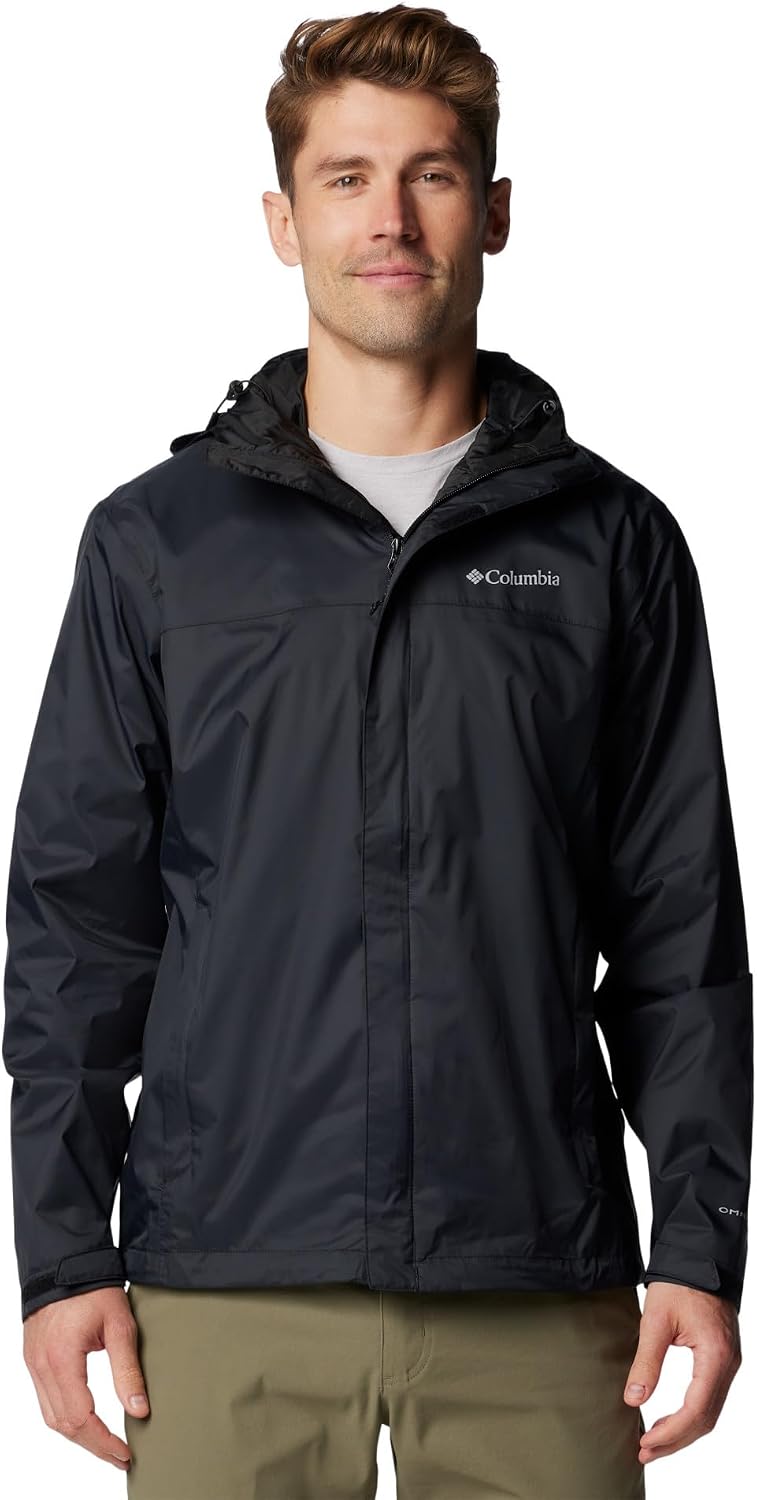
- Waterproof outer shell: Choose a jacket with a hood rather than relying only on an umbrella.
- Warm midlayer: Pack a fleece, sweater, or lightweight insulated jacket for glacier-viewing days.
- Base layers: Bring comfortable shirts that can be added or removed as temperatures change.
- Long pants: Quick-drying options are useful for rainy excursions and active tours.
- Comfortable walking shoes: Select footwear with reliable grip for wet decks, docks, and uneven paths.
- Water-resistant day bag: Protect documents, electronics, medication, and an extra layer.
- Binoculars: An 8x or 10x pair is useful for whales, bears, birds, and glacier details.
- Sun protection: Pack sunglasses and sunscreen because long daylight and reflected light remain significant in cool weather.
- Insect repellent: It may be useful on forest, lake, and inland excursions, especially during warmer periods.
- Hat and light gloves: These take little space and can make exposed viewing decks much more comfortable.
- Reusable water bottle: Confirm the cruise line’s rules before boarding.
- Phone or camera power: Carry a charged power bank where permitted so long excursion days do not leave you without a camera or communication device.
Waterproof boots may be useful for specialized hiking, fishing, or paddling tours, but many visitors can manage ordinary port days with comfortable water-resistant walking shoes. Check what the excursion operator provides before buying equipment solely for one activity.
Why You Should Consider a Summer Alaska Cruise
A summer Alaska cruise combines long daylight, coastal scenery, glacier viewing, wildlife possibilities, historic ports, and a broad selection of excursions. The strongest experience comes from choosing the month and itinerary deliberately rather than assuming every summer sailing is the same.
June and July provide the broadest balance for many first-time visitors. May can suit travelers who prefer cooler shoulder-season conditions, while August may improve the timing for salmon-related wildlife excursions in certain locations. September offers a quieter late-season atmosphere but normally brings shorter days, cooler temperatures, and a greater risk of rain.
Plan for changing weather, verify every major scenic stop, and treat wildlife and flight-based excursions as opportunities rather than guarantees. With those expectations, an Alaska cruise can provide both adventure and relaxation without relying on unrealistic promises about sunshine, calm seas, or animal sightings.
Frequently Asked Questions
What is the best time to travel to Alaska on a cruise?
The main planning window is May through September. Mid-June through mid-July offers a strong balance of long daylight, mild coastal temperatures, wildlife activity, and excursion availability. The best month for you depends on whether you prioritize warmth, salmon-related wildlife viewing, shoulder-season travel, or fall scenery.
What is the weather like during Alaska cruise season?
Expect cool-to-mild coastal weather, commonly with daytime temperatures in the 50s or 60s Fahrenheit. Warmer days occur, but rain, fog, wind, and rapid changes are possible in every month. Pack waterproof outerwear and layers rather than planning around a single forecast.
Which month has the least rain on an Alaska cruise?
May and June are often relatively drier than August and September in parts of Southeast Alaska, but no cruise month is reliably dry. Conditions vary by port and year, so waterproof clothing remains necessary on every departure.
Which month is best for wildlife on an Alaska cruise?
Marine wildlife can be active throughout the season. Humpbacks commonly feed in Alaska during the warmer months, while salmon-related bear viewing often improves in July and August at specific rivers and viewing sites. No month guarantees a particular animal.
What are the main attractions on an Alaska cruise?
Common highlights include Glacier Bay or another glacier-viewing area, the Inside Passage, Juneau, Ketchikan, Skagway, Sitka, Icy Strait Point, whale-watching waters, historic rail routes, and Alaska Native cultural experiences. Denali is an inland destination that requires a separate pre- or post-cruise land extension.
Are there festivals to consider when planning an Alaska cruise?
Summer calendars may include music festivals, Alaska Native cultural events, community celebrations, sporting events, and the Alaska State Fair. Dates change each year, and a ship may be in port for only part of a day, so compare the official event schedule with the exact arrival and departure times before making plans.
Do I need a passport for an Alaska cruise?
It depends on your citizenship, residency status, departure port, itinerary, and whether the cruise begins and ends at the same U.S. port. Because many Alaska cruises visit or depart from Canada, carrying a valid passport is the most broadly useful approach, but some travelers also need a Canadian visitor visa or other documents. Verify the requirements with the cruise line, U.S. Customs and Border Protection, and the Government of Canada.
Is a balcony worth it on an Alaska cruise?
A balcony is convenient for private viewing, early arrivals, and cold or rainy scenic days. It is not essential because public decks often offer wider views and access to both sides of the ship. Travelers may prefer to spend the cabin-price difference on wildlife, glacier, or flightseeing excursions.
What are the advantages of traveling to Alaska by cruise?
A cruise combines transportation, lodging, meals, entertainment, and access to several coastal communities in one trip. It also allows passengers to view remote waterways and glaciers without arranging separate boats or accommodations. The tradeoff is limited time in each port and less flexibility than an independent land journey.
Sources
- National Park Service: Cruise Ships in Glacier Bay — glacier access, weather, wildlife viewing, binoculars, and itinerary limitations.
- National Weather Service: Juneau and Southeast Alaska Climate Information — temperature, precipitation, and daylight context.
- NOAA Fisheries: Humpback Whale Science — humpback feeding and surface behavior.
- Alaska Department of Fish and Game: Wildlife Viewing by Season — seasonal wildlife and salmon-related viewing patterns.
- U.S. Customs and Border Protection: Cruise Travel Documents — U.S. closed-loop and passenger-document guidance.
- Government of Canada: Entry Requirements by Country — passport, visa, eTA, and residency-document requirements.