
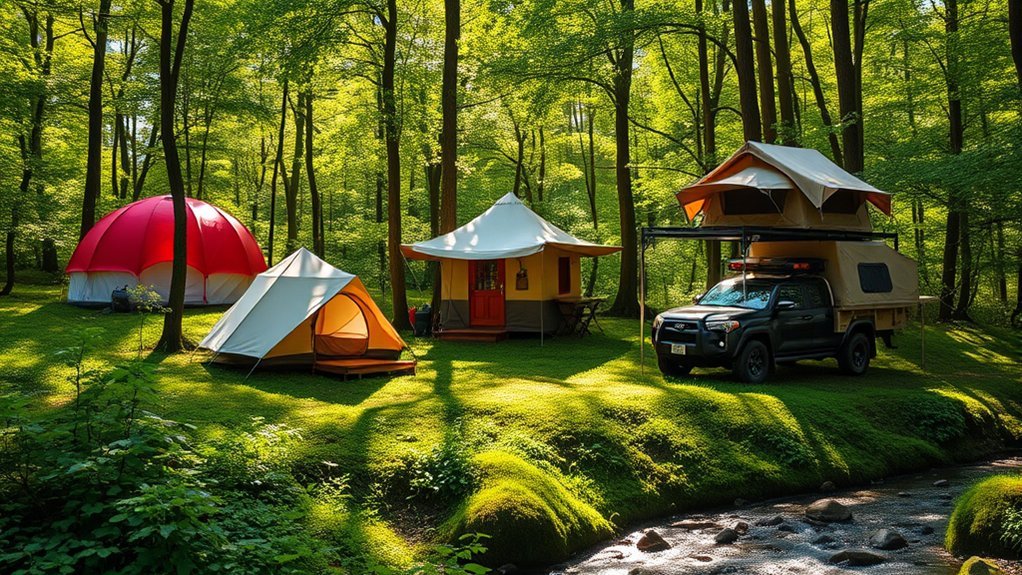
Last Updated on October 29, 2026 by Mason Reed
For extended camping trips, a good tent should offer enough living space, reliable weather protection, and room for your gear. The CAMPROS CP 12-Person Family Tent is a roomy choice for groups, while the MC TOMOUNT Canvas Bell Tent suits a more comfortable, stationary glamping setup. The CAMPROS CP 8-Person Tent works well for smaller families, and the Inflatable Camping Tent for 8–10 offers an air-beam alternative to traditional poles. Below, you can compare the four options and find the best fit for your campsite.
Disclosure: As an Amazon Associate I earn from qualifying purchases. Some links on this page are affiliate links, at no extra cost to you.
Quick Answer: Choose the CAMPROS CP 12-Person if your main concern is group sleeping space. Choose the MC TOMOUNT bell tent for a roomy, furnished base camp. The CAMPROS CP 8-Person is an easier-to-manage family option, while the inflatable tent appeals to campers who prefer air beams instead of pole assembly.
Key Takeaways: Treat advertised person counts as maximums, not comfortable long-stay occupancy. Measure your mattresses and gear before ordering. Check weather ratings, weight, campsite restrictions, and the exact accessories included with your chosen variant.
Safety Note: A stove jack does not make every heater or stove safe to use inside a tent. Never use a portable camp stove, charcoal grill, or unvented fuel-burning heater inside a tent. For a purpose-built, flued wood-stove setup, follow both manufacturers’ instructions, maintain required clearances and ventilation, use a working carbon monoxide alarm, and never leave a burning stove unattended or running while you sleep. Read the CDC’s tent carbon monoxide warning.
Top Tent Picks for Long-Term Camping
| Tent | Product | Best For | Advertised Capacity | Setup | Weather Materials | Amazon | Details |
|---|---|---|---|---|---|---|---|
| CAMPROS CP 12-Person Waterproof Family Tent | Best for Large Groups | Up to 12; 180 sq. ft. | Advertised about 10 minutes with two people | 185T polyester; stated PU1000 mm coating | Check Price on Amazon | Read Our Analysis | |
| Inflatable Camping Tent for 8-10 Persons with Stove Jack | Best Air-Beam Setup | Advertised 8–10; about 129 sq. ft. | Pump inflation; allow extra time for staking | 420D Oxford fabric; stated PU coating | Check Price on Amazon | Read Our Analysis | |
| MC TOMOUNT Canvas Bell Tent with Stove Jack | Best for Stationary Glamping | 16.4-ft diameter; fit depends on furniture | Multiple poles, stakes, and adjustments | Breathable polycotton (TC) canvas | Check Price on Amazon | Read Our Analysis | |
| CAMPROS CP 8 Person Weather Resistant Camping Tent | Best for Smaller Families | Up to 8; about 126 sq. ft. | Advertised about 5 minutes with two people | Coated polyester, rainfly, sealed seams | Check Price on Amazon | Read Our Analysis |
Selection method: These picks are compared using listed dimensions, layout, ventilation, materials, setup design, and suitability for an extended campsite stay. This is a product-specification comparison, not a claim that every tent was personally tested. Specifications, included parts, and color or size variants can change.
More Details on Our Top Picks
-
CAMPROS CP 12-Person Waterproof Family Tent
If you need one large sleeping shelter for a family or group, this CAMPROS CP 12-Person model offers a listed 20 x 9 ft footprint, approximately 180 sq. ft. of floor space, and a 72-inch center height. Two removable dividers can separate sleeping areas or create extra privacy. Its mesh windows and roof help with airflow when the rainfly and weather permit.
Why you’ll like it: A large rectangular layout is easier to organize around mattresses, bags, and shared sleeping spaces than many compact dome tents. The color-coded pole system also simplifies a two-person setup.
Who should buy it: Families or groups with a large, level campsite who prioritize sleeping room and a separated interior.
Who should avoid it: Solo campers, backpackers, and people using small pitches. Twelve people plus luggage will be crowded, and a large tent requires more attention to anchoring and wind exposure.
Important limitation: The advertised PU1000 mm fabric coating is not a guarantee of leak-free performance in prolonged rain. Inspect the rainfly, seams, floor, stakes, and guylines before an extended trip.
- Advertised Capacity: Up to 12 people
- Floor Area: Approximately 180 sq. ft. (20 x 9 ft)
- Center Height: 72 inches
- Material: 185T polyester; stated PU1000 mm water-resistant coating
- Ventilation: Mesh roof, doors, and windows
- Layout: Two removable dividers for up to three spaces
- Setup: Advertised under 10 minutes with two people; actual time varies
-
Inflatable Camping Tent for 8-10 Persons with Stove Jack
This inflatable camping tent uses air beams instead of a traditional pole frame. Its listed floor area is about 129 sq. ft., which may work well for a smaller group with mattresses and gear. The advertised 8–10-person capacity describes a crowded maximum rather than a comfortable long-stay layout. Mesh openings can improve airflow, while a coated Oxford-fabric shell helps resist rain.
Why you’ll like it: Inflating the structure can reduce pole assembly work. Product descriptions suggest several minutes of pumping, but full setup still includes positioning, anchoring, and adjusting the cover.
Who should buy it: Car campers who want an air-beam design and can carry a relatively bulky shelter.
Who should avoid it: Backpackers, campers unable to repair or reinflate a leaking beam, or anyone expecting a tiny packed tent. Check the current package listing to confirm whether a hand pump, electric pump, repair kit, or rain cover is included.
Stove-jack caution: A stove-jack opening is not proof of compatibility with a particular stove. Do not use indoor combustion equipment without the specific manufacturer’s approved, vented setup and all required safety measures.
- Advertised Capacity: 8–10 people; fewer are more practical with furniture and gear
- Floor Area: Approximately 129 sq. ft.
- Material: 420D Oxford fabric with a stated protective coating
- Structure: Inflatable air beams
- Ventilation: Mesh windows and doors
- Setup: Several minutes to inflate, plus staking and adjustment
- Before Ordering: Verify included pump type, repair parts, and fabric specifications for the selected variant
-
MC TOMOUNT Canvas Bell Tent with Stove Jack
If you plan to stay at one campsite and want space for beds, a table, and storage, the MC TOMOUNT Canvas Bell Tent is worth considering. The listed 16.4-ft diameter and approximately 9.2-ft peak height create an open interior, while the polycotton (TC) canvas offers a different feel from lightweight synthetic tents. The zip-off floor and mesh-equipped openings make it flexible for glamping layouts.
Why you’ll like it: A roomy central area, tall roof, and adjustable sidewalls make this model better suited to a furnished stationary camp than to frequent packing and hiking.
Who should buy it: Car campers or glampers who can transport heavier canvas, pitch the tent carefully, and dry it thoroughly after wet weather.
Who should avoid it: People who need a lightweight backpacking shelter or fast daily breakdown. Water-resistant canvas still needs proper maintenance, and the central height does not extend across the entire floor.
Important limitation: Seller capacity descriptions can vary by listing or variant. Measure your intended bed and furniture layout rather than relying on an advertised occupancy number. Its stove jack should only be used with an explicitly compatible, correctly vented system and strict fire and carbon monoxide precautions.
- Footprint: Approximately 16.4-ft diameter
- Peak Height: Approximately 9.2 ft
- Material: TC cotton/polyester canvas
- Ventilation: Multiple mesh-equipped openings
- Floor: Zipped removable floor
- Setup: Multiple stakes, side poles, and tension adjustments
- Special Feature: Stove-jack provision; check exact stove compatibility and safety instructions
-
CAMPROS CP 8 Person Weather Resistant Camping Tent
The CAMPROS CP 8-Person Camping Tent gives smaller groups a traditional family-tent layout without the footprint of the 12-person model. Its listed size is approximately 14 x 9 ft (126 sq. ft.), with a 72-inch center height. Five mesh windows and a divided curtain make the space more useful for sleeping, changing, and organizing gear during a longer trip.
Why you’ll like it: It balances standing room, partitioned sleeping space, and a conventional pole-and-rainfly design. The maker advertises a quick two-person pitch, though actual setup depends on ground and weather.
Who should buy it: Families who want a large, manageable campsite sleeping tent for car camping.
Who should avoid it: Groups expecting eight people to sleep with roomy luggage storage, or campers heading into severe weather without checking the tent’s season rating.
Important limitation: A coated fabric, rainfly, and sealed seams can improve rain resistance, but no tent should be treated as completely weatherproof without site selection, proper pitching, and maintenance.
- Advertised Capacity: Up to 8 people
- Floor Area: Approximately 126 sq. ft. (14 x 9 ft)
- Center Height: 72 inches
- Material: Coated polyester
- Ventilation: Five mesh windows and mesh openings
- Privacy: Room divider
- Setup: Advertised about 5 minutes with two people; actual time varies
Factors to Consider When Choosing a Tent for Long-Term Camping
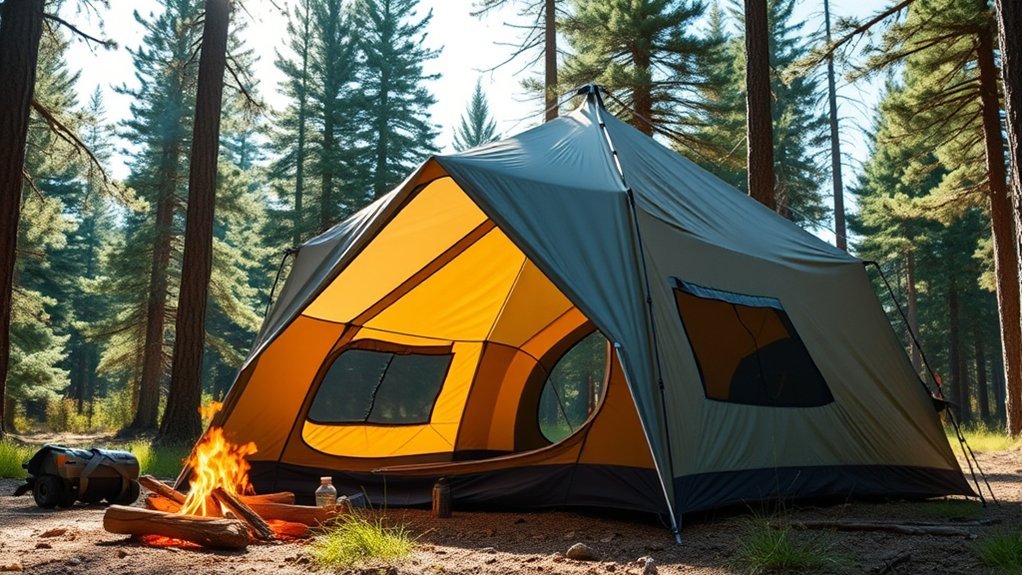
Your tent needs to function as a comfortable shelter over repeated days, not just for one night. Focus on usable room, reliable pitching, weather suitability, and ongoing upkeep.
Size and Capacity
Start with your actual sleeping arrangement, not the advertised person count. Check the floor dimensions against your mattress sizes, then allow room for bags, shoes, and a clear path to the door. A 72-inch center height helps you stand near the middle, but sloped or curved walls reduce usable standing space near the edges. For a comfortable long stay, choosing a tent rated for more people than your group may be helpful.
Weather Resistance Features
Look for a well-fitted rainfly, protected doors, sealed or taped seams, a durable floor, sturdy guyout points, and enough stakes for your campsite. Hydrostatic-head ratings, such as PU1000 mm or PU3000 mm, describe a fabric test rather than guaranteed whole-tent performance. Check forecasts, wind exposure, and any manufacturer’s weather limitations. Never pitch in a drainage channel, low spot, or flood-prone area.
Setup and Convenience
Fast advertised setup times usually assume favorable conditions and may not include staking, guylines, adjustments, or fitting the rainfly. Traditional pole tents need careful assembly; air-beam tents need a compatible pump and may require pressure checks or repairs. Practice pitching the tent at home, verify the contents, and bring the repair materials recommended by the maker.
Ventilation and Airflow
Mesh roofs, doors, and windows can improve comfort and reduce condensation. For a multi-day stay, choose a tent that allows airflow even when the rainfly is attached. Keep vents open when safe, avoid blocking them with gear, and use the correct groundsheet arrangement to manage moisture. Ventilation alone does not make indoor fuel-burning appliances safe.
Material Durability
Polyester and Oxford fabrics can be practical for family camping because they are comparatively easy to handle. Polycotton canvas often feels more breathable but can be heavier and must be dried thoroughly before storage. Evaluate coatings, stitching, pole construction, zippers, and repair options. Long exposure to sunlight can damage tent fabrics, so avoid treating a regular camping tent as a permanent structure. For care guidance, see REI’s tent-care recommendations.
Interior Space Design
Room dividers are useful when family members want privacy, while large openings make it easier to move air mattresses and gear. Consider a separate dry area for shoes and wet items. A zippered floor or removable groundsheet offers flexibility, but the configuration should still block runoff and insects appropriately. For glamping setups, measure the space used by beds and tables before purchasing.
Before You Buy: Long-Term Camping Checklist
- Check the campsite’s maximum tent size and length-of-stay rules.
- Measure the sleeping area and account for storage and walking space.
- Confirm the selected model’s season rating, groundsheet, rainfly, and accessories.
- Consider vehicle space, packed weight, and how many people can pitch the tent.
- Plan for UV exposure, ventilation, drying, minor repairs, and inspection after storms.
- Do not rely on a stove jack alone as evidence that a heating setup is safe.
Frequently Asked Questions
How Do I Maintain a Tent for Long-Term Use?
Brush away debris, keep vents clear, inspect seams and guylines, and repair small damage promptly. After wet conditions, air out the tent whenever possible. Before storage, clean it gently and let every part dry completely. Follow the manufacturer’s care instructions.
What Materials Are Best for Tent Durability?
Durability depends on fabric quality, construction, weather exposure, and care, not just a denier number. Coated polyester is common in family tents; Oxford fabrics offer a heavier woven option; and TC canvas can suit a furnished base camp if you can handle its weight and drying requirements. Reinforced seams and repairability also matter.
Can I Set up a Tent on Uneven Ground?
A slight slope may be manageable, but choose the flattest safe, permitted site available. Clear only loose debris that could damage the floor, and orient your sleeping position for comfort. Do not build an unstable platform with rocks or alter the site to force a large tent onto unsuitable ground. Avoid low spots where rainwater collects.
How Do I Clean My Tent After Camping?
Shake out loose dirt and clean stains by hand with water, a soft sponge, and a cleaner approved by the tent maker. Avoid bleach, harsh detergents, washing machines, and tumble dryers. Rinse as directed and dry the tent fully before packing it away.
Are There Tents Specifically Designed for Winter Camping?
Yes. Some tents are designed for snow loading, strong winds, and winter anchoring. A stove jack or a seller’s “four-season” label alone does not establish winter suitability. Check the manufacturer’s season rating, structural limits, ventilation instructions, and snow-management guidance before camping in severe cold.
Can a Regular Camping Tent Stay Up for Weeks?
Some tents can serve for an extended trip, but many recreational models are not intended to remain pitched continuously for weeks or months. UV light, rain, wind, and abrasion add wear. Confirm the manufacturer’s guidance and your campground’s stay limits, and inspect the tent often.
Conclusion
The best tent for long-term camping is the one that matches your group size, gear, campsite, and expected conditions. Choose the CAMPROS CP 12-Person for maximum group sleeping space, the MC TOMOUNT Canvas Bell Tent for a furnished stationary setup, the CAMPROS CP 8-Person for a more manageable family layout, or the inflatable tent if you prefer air-beam pitching. Before buying, check current specifications, included parts, and site restrictions. Plan for ongoing care, because even a spacious tent needs regular inspection during an extended stay.

