

Last Updated on November 4, 2026 by Mason Reed
If you hate the hassle of camping, an easy-setup tent can make your next trip much more comfortable. The Amazon Basics Instant Camping Tent is a great choice for roomy car camping, thanks to its quick telescoping-frame setup and removable rainfly. The Londtren 4-Person Easy Pop Up Tent is ideal if you want to avoid assembling poles, while the Golabs CT1 2-Person Camping Tent offers a lighter, compact option for couples and solo campers. Below, we’ll compare these three tents to help you choose the right one for your space, comfort, and travel needs.
Disclosure: As an Amazon Associate I earn from qualifying purchases. Some links on this page are affiliate links, at no extra cost to you.
Quick Verdict: Choose the Amazon Basics Instant Camping Tent if you want more room and an easy setup at a drive-up campsite. Pick the Londtren Pop Up Tent if avoiding pole assembly is your top priority. Choose the Golabs CT1 if you need a smaller, lighter tent and don’t mind a few minutes of setup.
Important: Setup times are advertised estimates. Securing stakes, adjusting guylines, and fitting the rainfly can take additional time, especially for beginners.
Key Takeaways
- Best for roomy car camping: Amazon Basics Instant Camping Tent with its advertised 6-person capacity and quick telescoping frame.
- Best for simple pop-up setup: Londtren 4-Person Easy Pop Up Tent with pre-assembled poles and two doors.
- Best compact option: Golabs CT1 2-Person Camping Tent, weighing approximately 4.4 pounds.
- For better comfort: Check floor dimensions, mattress fit, center height, ventilation, and packed size before buying.
- For rainy trips: Look beyond waterproof claims and check the rainfly, seams, floor construction, and weather forecast.
Our Favorite Tents for People Who Hate Camping
| Amazon Basics Instant Camping Tent with Rainfly |  |
Roomy Car Camping | Setup: About 60 seconds advertised | Capacity: 6-person | Weather Protection: Water-resistant with removable rainfly | Check Price on Amazon | Read Our Analysis |
| Londtren 4-Person Easy Pop Up Tent |  |
Simple Pop-Up Setup | Setup: Pops open in seconds | Capacity: 4-person | Weather Protection: Waterproof fabric advertised | Check Price on Amazon | Read Our Analysis |
| Golabs CT1 2-Person Camping Tent | Compact and Lightweight | Setup: About 3 minutes advertised | Capacity: 2-person | Weather Protection: PU-coated fabric; verify variant rating | Check Price on Amazon | Read Our Analysis |
Comparison note: Product specifications come from available listing information. Capacities and setup times are manufacturer or seller claims, not independently measured results. Check the linked product page for current specifications, included accessories, seller terms, and availability.
More Details on Our Top Picks
-
Amazon Basics Instant Camping Tent with Rainfly
If setting up a tent feels like the worst part of camping, the Amazon Basics Instant Camping Tent with Rainfly could make your trip easier. Its pre-attached telescoping frame is designed to unfold quickly, with an advertised setup time of around 60 seconds before allowing for additional securing and adjustments.
This model is listed as a 6-person tent, making it a roomy option for families or campers who prefer extra space for sleeping gear. Its water-resistant construction, sealed seams, and removable rainfly offer practical protection against ordinary camping conditions. Adjustable ground ventilation and mesh sections help fresh air move through the tent.
The included storage pocket, gear loft, and electrical cord port are especially helpful when you want a more organized campsite. These features make it appealing for comfortable weekends at established campgrounds.
Why You’ll Like It: The telescoping frame reduces complicated assembly steps, while the larger interior gives you more flexibility for mattresses and camping gear.
Who Should Buy This: Beginners, families, and car campers who want a quick-pitch tent with room to spread out.
Who Should Avoid This: Hikers who need a particularly lightweight or compact shelter. The cabin-style design is better suited to car camping than long-distance backpacking.
What to Consider: The 6-person rating is a maximum advertised occupancy, not a guarantee of comfortable space for six adults and their luggage. Check the floor dimensions against your sleeping pads or air mattresses. Allow extra time to stake the tent and secure the rainfly.
- Setup Time:Approximately 60 seconds advertised for basic setup
- Capacity:6-person advertised
- Weather Protection:Water-resistant construction with removable rainfly and sealed seams
- Ventilation:Adjustable ground vent, mesh windows and ceiling
- Accessories Included:Carrying bag, steel stakes, gear loft, storage pocket, rainfly
- Materials:Polyester tent fabric, steel frame, polyethylene floor
- Additional Feature:Pre-attached telescoping frame
- Additional Feature:Electrical cord port
- Additional Feature:Pre-attached guylines
-
Londtren 4-Person Easy Pop Up Waterproof Tent for Camping
The Londtren 4-Person Easy Pop Up Tent is a practical choice if you want to avoid dealing with loose poles and complicated assembly instructions. Its pre-assembled frame allows the tent to unfold quickly after removal from the carrying bag.
With an advertised floor area of approximately 9.2 x 6.6 feet and a center height of around 4.3 feet, it can accommodate several sleeping bags. However, two adults with gear will generally have a more comfortable amount of personal space than four adults.
The front and back mesh doors help improve airflow, while the fabric door panels provide privacy when closed. The tent also includes a vestibule area for muddy shoes, storage pockets, tent pegs, and wind ropes.
Its polyester construction is advertised as waterproof, but no independent heavy-rain performance assessment is available here. Proper staking and careful campsite selection remain important.
Why You’ll Like It: You can avoid much of the pole assembly required by traditional tents. The dual-door design also makes entry, exit, and ventilation more convenient.
Who Should Buy This: First-time campers, festival visitors, couples, and casual campers who value simple pitching over compact storage.
Who Should Avoid This: Backpackers who need a narrow packed tent. Pop-up tents commonly fold into large circular bags and can be awkward to transport.
What to Consider: Folding the tent back into its carrying bag may take practice. Watch the model-specific folding instructions and try packing it at home before your first camping trip.
- Setup Time:Pop-up opening in seconds; securing takes longer
- Capacity:4-person advertised
- Weather Protection:Waterproof fabric advertised; specific rain rating not confirmed
- Ventilation:Mesh front and back doors
- Accessories Included:8 tent pegs, 4 wind ropes
- Materials:190T polyester fabric with polyethylene groundsheet
- Additional Feature:Approximately 9.2 x 6.6 feet floor area
- Additional Feature:Approximately 4.3 feet center height
- Additional Feature:Vestibule and interior storage pockets
-
Golabs CT1 2-Person Waterproof Camping Tent
Best Compact and Lightweight Option
If you prefer a smaller tent that is easier to carry and store, the Golabs CT1 2-Person Camping Tent deserves consideration. Weighing approximately 4.4 pounds, it is lighter than many roomy family camping tents and packs into a relatively compact carrying bag.
The CT1 uses a more traditional pole-based setup, with an advertised pitching time of around three minutes. It is not the same type of automatic pop-up tent as the Londtren model, but its simple design may still appeal to beginners who don’t want complicated camping equipment.
The tent features mesh sections in the roof and doorway to support airflow and help keep insects outside. Interior pockets and a hanging hook provide convenient places to organize small accessories and a suitable battery-powered light.
The linked model is advertised with a PU1500mm water-resistant coating. However, Golabs CT1 specifications differ between some versions, so confirm the coating rating and supplied rainfly on the exact listing before purchasing.
Why You’ll Like It: Its lighter weight, manageable packed size, and uncomplicated layout are useful when you have limited space in your vehicle or prefer traveling with less equipment.
Who Should Buy This: Solo campers, couples, and travelers who prioritize compact storage and reasonable portability.
Who Should Avoid This: Families or campers who want room for large air mattresses, several bags, or standing upright inside the tent.
What to Consider: A 2-person capacity can feel tight once sleeping mats and luggage are inside. Compare the usable floor area with the size of your sleeping equipment and practice pitching the tent before traveling.
- Setup Time:Approximately 3 minutes advertised
- Capacity:2-person
- Weather Protection:PU-coated fabric; linked variant advertised as PU1500mm
- Ventilation:Mesh skylight and doorway
- Accessories:Interior hanging hook and 2 storage pockets
- Material:190D polyester taffeta
- Additional Feature:Compact carrying bag
- Additional Feature:Approximately 4.4 pounds
- Additional Feature:Lightweight pole-based construction
Which Easy-Setup Tent Should You Choose?
All three tents are designed to make camping more approachable, but the best choice depends on what you dislike most about camping.
- If you dislike complicated setup: Choose the Londtren 4-Person Pop Up Tent. Its pre-assembled structure removes much of the work involved in putting separate poles together.
- If you dislike cramped sleeping spaces: Choose the Amazon Basics Instant Camping Tent. Its larger capacity gives you more flexibility when arranging sleeping equipment.
- If you dislike carrying bulky equipment: Consider the Golabs CT1. Its compact form and lighter weight are better suited to smaller trips.
- If rain is your biggest concern: Compare rainfly coverage, seam protection, floor construction, and the expected weather before selecting any tent. None should be treated as a guaranteed storm shelter.
Pro Tip: If you are buying your first tent, practice setting it up and packing it away at home. This helps you find missing parts, understand the folding method, and avoid frustration at the campsite.
Factors to Consider When Choosing a Tent for People Who Hate Camping
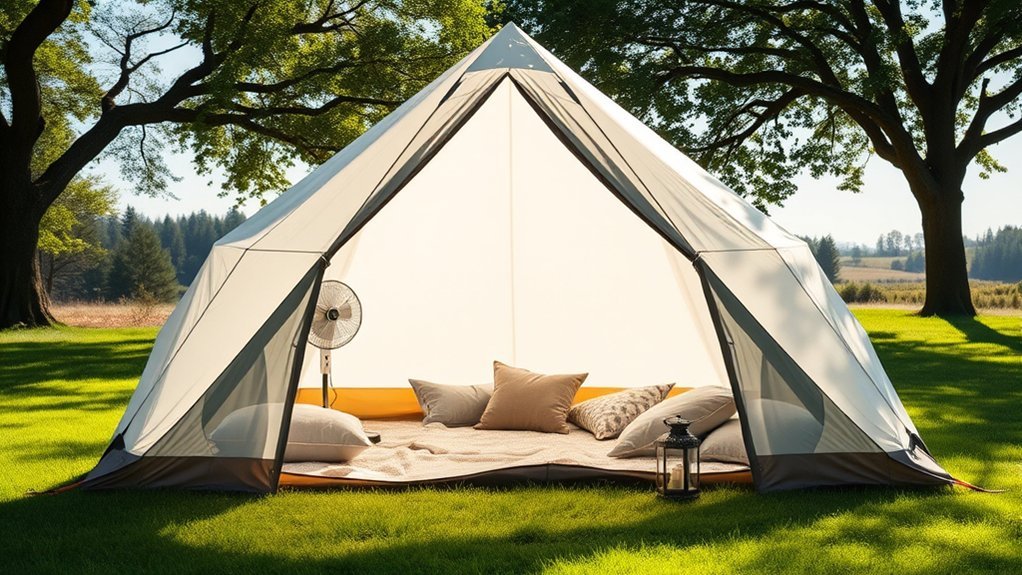
When choosing a tent, focus on the things that make camping easier and more comfortable. Quick setup is useful, but you should also consider space, weather protection, airflow, portability, and how difficult the tent is to pack away.
Quick Setup Time
A tent with a quick setup time can save you effort when you arrive tired or need to pitch camp before dark.
Instant tents with telescoping frames reduce the number of assembly steps. Pop-up tents unfold with minimal pole handling, while compact dome tents usually require you to connect and position their poles.
Remember that advertised setup times often describe the basic pitching process. You still need to secure the tent with stakes, adjust guylines, and position the rainfly when required.
Buying Tip: Choose a setup method you can manage on your own. A slightly slower tent may be a better choice if it is easier to control, secure, and pack away.
Weather Resistance Features
Weather protection matters even more when you already feel uncomfortable camping. A wet sleeping bag or leaking floor can quickly ruin the experience.
Look for tents with water-resistant fabrics, effective rainfly coverage, protected seams, and a durable floor. Polyurethane coatings are often described by a millimeter rating, but this number alone does not tell you how the entire tent will perform.
Construction quality, seam protection, correct setup, and maintenance also affect rain resistance. A removable rainfly can offer flexibility, but it must be positioned and secured correctly.
Choose a campsite that drains well, avoid low areas where water collects, and check the weather forecast before your trip.
Warning: A tent advertised as waterproof is not necessarily suitable for severe storms, prolonged heavy rain, or strong winds. Follow the manufacturer’s weather-use guidance and avoid camping in unsafe conditions.
Space and Capacity
Having enough room to sleep and move around can make camping feel much less restrictive.
Start with the tent’s advertised capacity, but remember that occupancy ratings typically describe sleeping space rather than comfortable living space with extra gear.
A 4-person tent may feel more comfortable for two adults with luggage. A 6-person tent can be appealing to a smaller family that wants more floor space.
Always check the actual floor dimensions and compare them with your sleeping pads or air mattress. Also pay attention to the center height, especially if you want to sit comfortably, change clothes, or move without crouching as much.
Vestibules and storage pockets can help keep bags and shoes away from your sleeping area.
Durability of Materials
Durable materials can reduce the risk of damage and make a tent easier to maintain over repeated trips.
Common tent fabrics include polyester and nylon. Polyester is widely used in casual camping tents, while nylon is common in many lightweight models.
Look beyond the fabric name. Check the material thickness, floor construction, seam quality, zipper design, and pole system.
Fiberglass poles are common in entry-level tents, while steel frames are used in some larger instant models. Each has different trade-offs involving weight, durability, and portability.
Always remove sharp objects from the campsite before pitching your tent. A suitable footprint or groundsheet may provide extra floor protection when used according to the manufacturer’s instructions.
Ventilation and Airflow
A stuffy tent can make camping unpleasant, even when the outdoor temperature feels comfortable.
Choose a tent with mesh doors, windows, roof panels, or adjustable vents to improve airflow. Mesh sections can also help reduce insect entry when they are properly closed.
Ventilation is especially helpful for managing condensation caused by breathing, damp equipment, and changing temperatures.
However, ventilation does not eliminate condensation in every condition. Moisture may still collect inside a tent during humid weather or when outside temperatures drop.
Pro Tip: Keep ventilation openings clear whenever weather conditions allow. Avoid pressing sleeping bags and other equipment directly against wet tent walls.
Storage Options Available
Good storage features help keep your tent organized and make small spaces feel more comfortable.
Look for interior storage pockets for phones, flashlights, and other small belongings. A gear loft or hanging hook can keep suitable lightweight items off the floor.
A vestibule is useful for muddy shoes and some equipment you don’t want inside the main sleeping area.
If you prefer a tidy sleeping space, these details may matter more than an extra decorative feature.
Remember to keep valuable items secure and follow campground guidance for storing food and scented products away from wildlife.
Weight for Portability
The right tent weight depends on how far you need to carry it.
For car camping, extra weight may be acceptable if the tent offers a larger floor area and an easier setup. For walking to a remote campsite, every additional pound matters.
The Golabs CT1 is advertised at approximately 4.4 pounds, making it a more portable choice than many large instant cabin tents.
Do not judge portability by weight alone. A pop-up tent can be relatively manageable in weight but still difficult to carry because of its wide, circular packed shape.
Check both the weight and packed dimensions before buying, especially if you travel by public transport or have limited vehicle storage.
Packed Size and Takedown
Quick setup is helpful, but easy takedown is just as important for people who dislike camping chores.
Some pop-up tents open almost automatically but require a specific folding technique to return them to their carrying bags. This can be frustrating if you have not practiced.
Telescoping-frame tents may fold more predictably, but their packed size can still be substantial. Traditional pole tents take additional assembly steps but can pack into narrower bags.
Before buying, check the folded dimensions and look for the manufacturer’s setup and takedown instructions.
Pro Tip: Practice folding your tent twice before your trip. Avoid forcing poles or folding the frame against its intended direction.
Versatile Usage Scenarios
A versatile tent can be useful beyond a traditional weekend camping trip.
Easy-setup tents work well for backyard camping, casual campground visits, festivals, and some outdoor recreational activities, provided the setting and weather suit the tent.
Compact tents are convenient when storage space is limited. Larger instant tents are often better for drive-up campsites where you can carry more equipment.
For beach use, consider appropriate anchoring, wind exposure, and the manufacturer’s intended uses. Ordinary tent pegs may not hold securely in loose sand.
Choose a tent based on your most common activity rather than assuming one model will perform equally well everywhere.
Before You Buy: A Simple Tent Checklist
- Check the exact product model and advertised capacity.
- Compare floor dimensions with your sleeping pads or mattress.
- Confirm the setup method and whether one person can manage it.
- Check packed dimensions, not just the total weight.
- Review the rainfly, seams, floor material, and coating information.
- Look for enough mesh panels and ventilation openings.
- Confirm which stakes, guylines, rainfly parts, and accessories are included.
- Check the seller’s current warranty and return terms.
- Read the model-specific folding and care instructions.
Easy Ways to Make Camping More Comfortable
Even a well-designed tent cannot solve every camping inconvenience. A few simple preparations can make a major difference.
- Choose a drive-up campsite: You can bring more comfortable bedding and avoid carrying everything over long distances.
- Use a suitable sleeping pad or air mattress: Check the dimensions before packing so the mattress fits inside the tent.
- Bring familiar bedding: A comfortable pillow and appropriate sleeping bag or blankets can help you rest better.
- Keep essential items nearby: Pack a flashlight, water, suitable clothing, and personal supplies where you can reach them easily.
- Choose manageable weather: For your first trip, plan around a mild forecast rather than challenging conditions.
- Pack the tent only when dry: If you must pack it wet for travel, unpack and dry it completely as soon as practical.
Safety Note: Never use fuel-burning camping stoves, charcoal grills, portable heaters, or fuel-burning lanterns inside a tent. They can create dangerous carbon monoxide and fire hazards. See the U.S. Consumer Product Safety Commission’s camping equipment safety guidance.
Frequently Asked Questions
Are There Tents Specifically Designed for Beginners or Non-Campers?
Yes. Many instant and pop-up tents are designed to reduce assembly steps. Pre-attached frames, clear instructions, built-in storage, and manageable pole systems can make them easier for beginners. Look for a tent you can set up, secure, and pack away without complicated tools or procedures.
How Do I Set Up a Tent Quickly and Easily?
Start by choosing level ground and clearing away sharp objects. Unpack the tent and follow the instructions for its specific frame system. A pop-up tent unfolds differently from a telescoping-frame or standard pole tent. Once the tent is standing, stake it down, secure the guylines, and fit or adjust the rainfly as required. Practice at home before your trip.
Can I Use a Camping Tent in My Backyard?
Yes, a backyard is a convenient place to try camping without traveling far. Choose a safe, level area, secure the tent properly, and check for overhead hazards and changing weather. Backyard practice is also a great way to learn how to pitch and pack your tent before a longer trip.
What’s the Best Way to Clean a Camping Tent?
First, follow the manufacturer’s care instructions. In general, shake out loose dirt and gently clean affected areas with a soft cloth, water, and a mild cleaner approved for tent fabric. Avoid harsh detergents, abrasive brushes, and machine washing unless specifically permitted. Rinse away cleaning residue and let the tent dry completely before storage.
How Can I Make Camping More Comfortable and Enjoyable?
Choose a spacious tent, use comfortable sleeping gear, and camp during mild weather. Bring familiar snacks, suitable clothing, lighting, and an easy way to organize your belongings. A campsite with nearby restrooms and water access can also make the experience easier for beginners.
Are Pop-Up Tents Easy to Pack Away?
Not always. Many pop-up tents are extremely quick to open but require practice to fold back into their circular bags. Follow the manufacturer’s folding instructions instead of forcing the frame. Try packing the tent at home so the process feels familiar before your trip.
Is a Four-Person Tent Big Enough for a Family?
A four-person tent may fit four sleeping bags, but it can feel crowded once you add pillows, mattresses, and luggage. For more comfort, consider a larger tent and compare its floor dimensions with your gear. The best size depends on the number of campers, their sleeping arrangements, and how much indoor storage they need.
Are Instant Tents Good for Rainy Weather?
Some instant tents offer useful rain protection, but performance varies by design. Look for good rainfly coverage, protected seams, a durable floor, and secure anchoring points. Even a waterproof-rated tent should not be assumed safe in severe weather. Check the forecast and follow the manufacturer’s limitations.
Conclusion
The best tent for people who hate camping is one that removes the hassles you dislike most.
For a roomy, convenient car-camping setup, the Amazon Basics Instant Camping Tent is a strong choice. If you want to avoid assembling poles, the Londtren 4-Person Easy Pop Up Tent offers a simpler pitching method. If portability and compact storage matter more, consider the Golabs CT1 2-Person Camping Tent.
Before making your decision, check the exact dimensions, packed size, weather-protection features, and setup instructions. The right tent, comfortable bedding, and a little preparation can make outdoor trips far more enjoyable, even if camping has never been your favorite activity.
