

Last Updated on September 27, 2026 by Caleb Warren
Finding the right Outdoor Research winter jacket means balancing warmth, waterproofing, and freedom of movement. For skiing and snowboarding, you also need protection from wind and snow without overheating.
Our featured pick is the Outdoor Research Women’s Snowcrew Jacket. Its waterproof Ventia 2-layer shell, synthetic insulation, and ski-specific features make it a practical choice for cold days at the resort.
Below, we examine its specifications, strengths, limitations, and the features to consider before choosing your next winter jacket.
Outdoor Research Winter Jackets Compared
| Product | Best for | Waterproofing | Insulation |
|---|---|---|---|
| Insulated resort skiing and snowboarding | Waterproof Ventia 2L shell with fully taped seams | VerticalX Eco synthetic insulation |
Outdoor Research Winter Jackets: Our Top Picks
| Outdoor Research Women’s Snowcrew Jacket | Best Performance | Brand Reputation: Established since the 1980s for quality outdoor gear. | Design Philosophy: Function-forward approach prioritizing protection for outdoor activities. | Product Longevity: Designed to withstand the test of time with continuous production. | VIEW LATEST PRICE | Read Our Analysis |
More Details on Our Top Picks
Outdoor Research Women’s Snowcrew Jacket
The Outdoor Research Women’s Snowcrew Jacket is an ideal choice for adventurous women who crave both warmth and functionality during winter activities. With a rich history dating back to the 1980s, Outdoor Research has built a reputation for crafting quality gear that prioritizes safety and innovative design. This jacket embodies their function-forward philosophy, offering exceptional protection against the elements. Its durability guarantees it’ll withstand the test of time, making it a reliable companion for years to come. Plus, the brand’s consistent recognition and awards highlight the Snowcrew Jacket’s quality, proving it’s a top pick for cold weather adventures.
- Brand Reputation:Established since the 1980s for quality outdoor gear.
- Design Philosophy:Function-forward approach prioritizing protection for outdoor activities.
- Product Longevity:Designed to withstand the test of time with continuous production.
- Innovation:Focus on innovative solutions for outdoor exploration and safety.
- Awards:Regularly earns recognition and awards for its products.
- Intended Use:Specifically designed for cold weather outdoor activities.
- Additional Feature:Functional outdoor gear
- Additional Feature:Focus on safety
- Additional Feature:Time-tested durability
Bottom line: The Outdoor Research Women’s Snowcrew Jacket combines a waterproof shell with synthetic insulation and practical resort-skiing features. It suits women who want weather protection and built-in warmth without relying entirely on separate insulating layers.
Key Specifications
- Shell: Ventia 2-layer waterproof polyester fabric.
- Insulation: VerticalX Eco synthetic insulation, designed to provide warmth in cold conditions.
- Insulation weight: 100 g/m² in the body and 80 g/m² in the sleeves and hood on the manufacturer’s standard model.
- Construction: Fully taped seams, helping prevent water entry through stitching.
- Ventilation: Pit zips, allowing excess heat to escape during activity.
The Snowcrew Jacket uses a waterproof, windproof, and breathable Ventia shell. Its fully taped seams provide additional protection where fabric panels join.
VerticalX Eco synthetic insulation adds warmth without requiring a separate insulated jacket for every outing. The helmet-compatible hood, powder skirt, and adjustable cuffs help limit snow and cold-air entry.
Useful ski-specific details include a forearm pass pocket, internal storage, and ventilation zippers. These features make the jacket particularly suited to resort use rather than minimalist backpacking.
- Waterproof Ventia shell with fully taped seams.
- Synthetic insulation provides built-in warmth.
- Pit zips allow ventilation without removing the jacket.
- Helmet-compatible hood and powder skirt suit snow sports.
- Multiple pockets provide practical storage.
- Fixed insulation offers less flexibility than a separate shell-and-layer system.
- Ski-specific features may be unnecessary for casual winter wear.
- Not an uninsulated shell for warm or high-output activities.
Which Outdoor Research Winter Jacket Should You Buy?
- For cold resort skiing: Get the Outdoor Research Women’s Snowcrew Jacket for its insulated, waterproof construction.
- For snowy chairlift days: The Snowcrew’s powder skirt, adjustable hood, and synthetic insulation address common resort-skiing needs.
- For changing activity levels: The Snowcrew’s pit zips help release heat when you become more active.
- For lightweight hiking: Consider whether an uninsulated shell would better suit your layering system before choosing an insulated ski jacket.
How We Chose
We focused on the features that matter when selecting a winter jacket for outdoor activities. These include:
- Weather protection: Waterproof fabrics, seam construction, and protection around the hood and cuffs.
- Warmth: Insulation type, construction, and compatibility with additional layers.
- Comfort: Fit, ventilation, mobility, and practical adjustments.
- Functionality: Pockets, snow protection, and features suited to the intended activity.
- Product information: Manufacturer specifications, published care guidance, and warranty terms.
Product specifications were checked against Outdoor Research’s published information. No independent laboratory testing or hands-on performance testing is claimed.
Factors to Consider When Choosing Outdoor Research Winter Jackets: Top Picks for Cold Weather
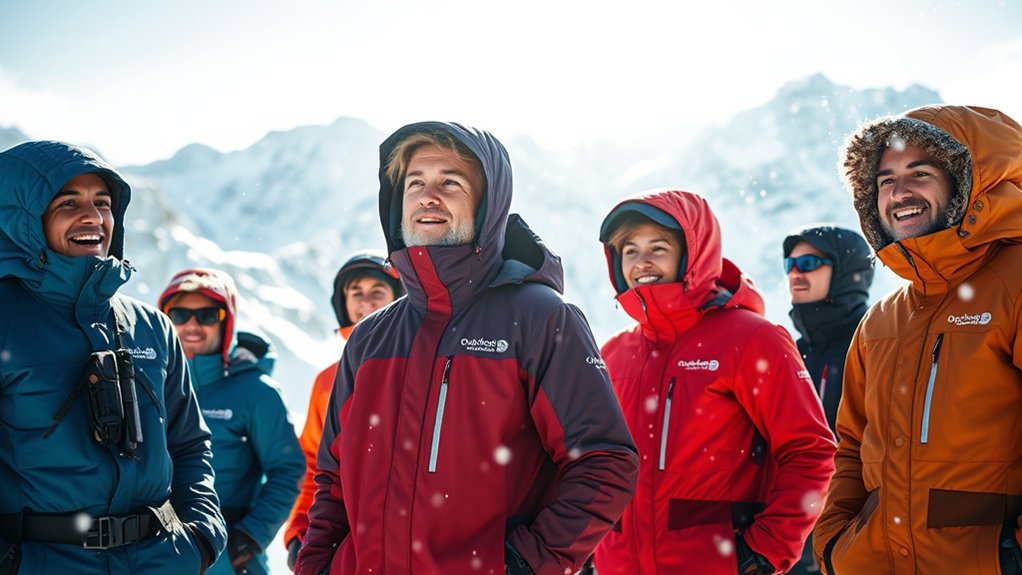
Choosing the right Outdoor Research winter jacket starts with your planned activity and local weather. Insulation, waterproofing, fit, and ventilation all affect comfort. The following factors will help you identify the features you need.
Insulation Types Explained
Winter jackets commonly use down or synthetic insulation. Each works differently, especially when moisture enters the picture.
Down insulation offers a strong warmth-to-weight ratio and compresses well for packing. However, untreated down can lose loft when wet, reducing its insulating performance.
Synthetic insulation generally dries faster and retains more insulating ability in damp conditions. It can be practical for skiing and other activities where snow and moisture are common.
The Outdoor Research Women’s Snowcrew Jacket uses VerticalX Eco synthetic insulation rather than down. Its construction combines warmth with a waterproof outer shell.
When comparing jackets, check the actual insulation type and amount. Fill power applies to down, while synthetic insulation is often described using weight per square meter. These measurements are not directly interchangeable.
Waterproofing Features Importance
A winter jacket needs more than a water-repellent surface when you expect sustained snow or rain.
Waterproof membranes help prevent external moisture from passing through the fabric. Breathable construction also allows some moisture vapor to escape, although ventilation remains important during demanding activities.
Look for taped seams, protected zippers, adjustable cuffs, and a hood that fits your intended use. These details help reduce water entry around vulnerable areas.
The Snowcrew Jacket uses a Ventia 2-layer waterproof shell and fully taped seams. It also includes a helmet-compatible hood and powder skirt for snow sports.
Remember that waterproofing and surface water repellency are different. The outer fabric may eventually absorb water when its durable water-repellent treatment wears down, even if the waterproof membrane remains functional.
Fit and Comfort Considerations
The right fit allows you to move your arms freely while leaving room for necessary winter layers.
Try a jacket over the base and mid-layers you normally wear. Raise your arms, bend forward, and check whether the hem rides up or the shoulders feel restrictive.
Adjustable cuffs and hems help improve the fit and limit cold-air entry. A properly fitted hood should protect your head without interfering with vision.
Longer jackets offer additional coverage around the hips, while shorter designs may feel less restrictive during active movement.
Also check the manufacturer’s size chart rather than relying only on your usual clothing size. The Snowcrew Jacket uses a relaxed fit designed to accommodate winter clothing.
Layering Compatibility Factors
Layering helps you adjust to changing temperatures without replacing your entire outerwear system.
A moisture-managing base layer sits next to your skin. A fleece or other mid-layer adds insulation, while the outer jacket protects against wind and precipitation.
With an insulated jacket such as the Snowcrew, you may need less additional insulation than you would under an uninsulated shell. However, the right combination depends on your activity level and conditions.
Check that the jacket does not compress your layers or restrict shoulder movement.
Adjustable cuffs, hems, and ventilation zippers make it easier to control warmth and comfort as conditions change.
Weight and Packability Analysis
Weight and packability matter most when you plan to carry your jacket for extended periods.
Lightweight shells are often easier to store in a backpack. Insulated ski jackets usually prioritize weather protection and built-in warmth over minimum packed size.
Before buying, check whether the manufacturer describes a jacket as packable and provides its packed dimensions or weight.
The Snowcrew Jacket is designed primarily for resort skiing and snowboarding. Its built-in insulation, powder skirt, and snow-specific features make it different from a minimalist hiking shell.
If you expect to carry your jacket more often than you wear it, compare an uninsulated shell with a separate insulating layer.
Durability and Longevity Insights
Durability depends on fabric construction, stitching, care, and the conditions in which you use your jacket.
Nylon and polyester are common outerwear materials. Fabric weight and construction influence resistance to abrasion, while seam quality affects long-term performance.
Inspect high-wear areas such as cuffs, shoulders, pocket openings, and the lower hem.
Proper cleaning also matters. Dirt, body oils, and detergent residue can reduce the performance of water-repellent treatments.
Outdoor Research offers its Infinite Guarantee for qualifying product issues, but normal wear and tear and user-caused damage are excluded. Review the current terms before assuming a particular problem is covered.
Price vs. Performance Evaluation
A higher price does not automatically mean a jacket will suit your activities better.
Compare the features you will actually use, including insulation, waterproofing, ventilation, adjustable closures, and storage.
For resort skiing, a powder skirt and helmet-compatible hood may be useful. For everyday winter walks, those same features may be less important.
Consider whether you prefer one insulated jacket or a separate shell-and-layer system. The latter offers more flexibility across changing conditions, while an insulated jacket combines warmth and weather protection in one garment.
Check the manufacturer’s warranty, care requirements, and fit guidance alongside the product specifications.
Mistakes to Avoid When Buying Winter Jackets
- Ignoring the intended activity: Choose resort-skiing features for snow sports and lighter equipment when packability is your priority.
- Confusing water resistance with waterproofing: Check the membrane and seam construction rather than relying on marketing descriptions.
- Buying a tight fit: Try the jacket with your regular winter layers before deciding on a size.
- Overlooking ventilation: Consider pit zips or other ventilation features if your activity level changes frequently.
- Neglecting maintenance: Follow the garment’s care label and restore water repellency when necessary.
FAQs
Are Outdoor Research Jackets Waterproof or Water-Resistant?
Outdoor Research makes both waterproof and water-resistant jackets. The level of protection depends on the model and its fabric construction. The Women’s Snowcrew Jacket uses a waterproof Ventia 2-layer shell with fully taped seams. Check each product’s specifications rather than assuming every jacket from the brand offers the same protection.
How Do I Properly Care for My Outdoor Research Winter Jacket?
Follow the garment’s care label and use a cleaner intended for technical outerwear. Empty the pockets and close the zippers before washing. Avoid fabric softeners and conventional detergents that may leave residue. Dry the garment according to its label, and restore the durable water-repellent treatment when cleaning alone no longer restores water beading.
What Is the Warranty Policy for Outdoor Research Jackets?
Outdoor Research provides its Infinite Guarantee, which covers qualifying product defects and failures during the product’s lifetime. Normal wear, fit issues, unauthorized alterations, and user-caused damage are excluded. Warranty eligibility and remedies depend on the current terms. Contact Outdoor Research with your product details if you need to submit a claim.
Can Outdoor Research Jackets Be Used for Hiking in Winter?
Yes, Outdoor Research makes jackets suitable for winter hiking, although you should choose the model according to your activity. The insulated Snowcrew Jacket is designed primarily for resort snow sports. For long or demanding hikes, a lighter shell and adjustable layering system may provide greater flexibility when your body temperature changes.
Do Outdoor Research Jackets Come in Plus Sizes?
Yes, Outdoor Research offers extended sizing on selected jackets, including Snowcrew models. Size ranges can differ between product versions. Review the current manufacturer size chart and confirm the specific size offered through the linked listing before ordering. Checking your measurements while wearing a typical winter layer can also help you choose a comfortable fit.
Is Synthetic Insulation Better Than Down for Wet Snow?
Synthetic insulation can be a practical choice for damp conditions because it generally retains more insulating ability when wet and dries faster than untreated down. Down offers excellent warmth for its weight but needs appropriate moisture protection. The Snowcrew Jacket uses synthetic insulation, making it a relevant option for cold, snowy resort conditions.
Should I Choose an Insulated Jacket or an Uninsulated Shell?
Choose an insulated jacket when you want built-in warmth and weather protection in one garment. An uninsulated shell works well when you prefer adjusting separate layers to match changing temperatures and activity levels. The Snowcrew Jacket suits buyers who prefer an insulated resort-skiing design. A shell may offer more flexibility for high-output hiking.
Does the Outdoor Research Snowcrew Jacket Have Ventilation?
Yes. The Outdoor Research Women’s Snowcrew Jacket includes pit zips that allow you to release excess heat without removing the entire jacket. This is useful when moving between active skiing and less demanding periods on the mountain. Ventilation helps manage comfort, although suitable base layers and adjusting your clothing remain important.
Final Verdict
The Outdoor Research Women’s Snowcrew Jacket is a practical winter jacket for women who want built-in warmth and waterproof protection for resort skiing and snowboarding.
Its Ventia shell, VerticalX Eco synthetic insulation, fully taped seams, and snow-specific features address important needs in cold mountain conditions. Before buying, check the linked variant and confirm that its fit and insulation suit your intended activity.
