
Last Updated on September 27, 2026 by Caleb Warren
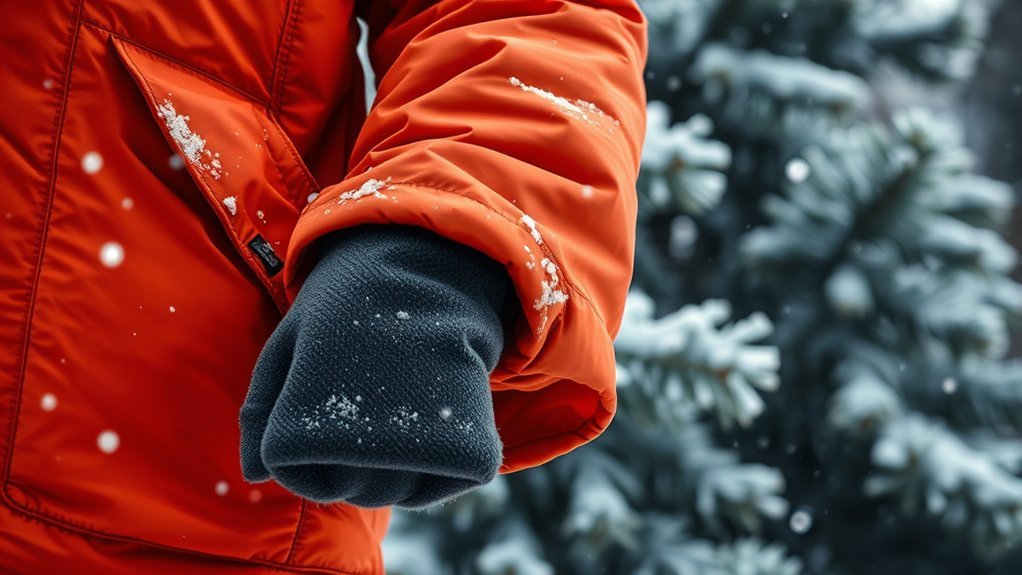
A winter jacket with wrist gaiters helps seal the gap between your sleeves and gloves. That matters when you’re skiing, snowboarding, or spending long days in snowy weather.
The FREE SOLDIER Men’s Waterproof Ski Winter Jacket is the featured insulated option for its fleece lining, water-repellent shell, and inner snow skirt. However, its linked listing does not explicitly confirm built-in wrist gaiters. Check the cuff design before choosing it specifically for that feature.
This guide covers the jacket’s listed features and explains how to compare insulation, waterproofing, wrist seals, and fit.
Winter Jackets With Wrist Gaiters Compared
| Product | Best for | Insulation | Wrist and Snow Protection |
|---|---|---|---|
| Insulated winter wear and snow protection | Fleece lining and cotton padding | Inner snow skirt and adjustable hem; integrated wrist gaiters not confirmed |
| FREE SOLDIER Men’s Waterproof Ski Winter Jacket | Best All-Weather Protection | Material: 100% Polyester; Fuzzy Fleece Lined | Waterproof Capabilities: Teflon triple defense fabric with DWR coating | Weather Protection: Inner snow skirt, adjustable hood, stand collar | VIEW LATEST PRICE | Read Our Analysis |
More Details on Our Top Picks
FREE SOLDIER Men’s Waterproof Ski Winter Jacket
If you’re searching for a winter jacket that combines warmth and weather protection, the FREE SOLDIER Men’s Waterproof Ski Winter Jacket is an excellent choice for outdoor enthusiasts. Made from 100% polyester with a fuzzy fleece lining, it keeps you cozy in cold conditions. The durable, windproof Teflon fabric offers high heat retention and features like an adjustable hood and inner snow skirt prevent wind and snow entry. With 11 pockets, you can easily store essentials while on the go. Whether you’re hiking, camping, or just enjoying the outdoors, this jacket has you covered in rain, snow, and chilly weather.
- Material:100% Polyester; Fuzzy Fleece Lined
- Waterproof Capabilities:Teflon triple defense fabric with DWR coating
- Weather Protection:Inner snow skirt, adjustable hood, stand collar
- Pockets:11 total pockets (various types)
- Insulation:Soft & warm cotton padding
- Versatile Use:Suitable for outdoor activities in cold weather
- Additional Feature:Fuzzy fleece lining
- Additional Feature:Detachable hood feature
- Additional Feature:Adjustable drawstring hem
Bottom line: This insulated jacket combines a fleece lining, water-repellent shell, and snow-blocking features for cold-weather activities. It suits buyers who want a warm winter coat with practical storage, but its integrated wrist-gaiter design needs confirmation.
Key Specs
- Shell: 100% polyester with Teflon fabric and TPU film, helping resist wind and moisture.
- Insulation: Fuzzy fleece lining and cotton padding, adding warmth for cold days.
- Weather protection: DWR coating, inner snow skirt, and adjustable hem, helping limit snow entry.
- Hood: Adjustable and detachable, allowing you to change head coverage.
- Storage: Multiple exterior and interior pockets, keeping small essentials organized.
The fleece lining and cotton padding provide insulation, while the outer fabric helps shield you from wind and wet weather. This combination makes the jacket useful for skiing, hiking, camping, and everyday winter wear.
The inner snow skirt and drawstring hem help reduce drafts around your waist. The detachable hood, stand collar, and front closure provide additional coverage when conditions change.
For this article’s main feature, check the cuffs carefully. A regular adjustable cuff is not the same as a separate, stretchy inner wrist gaiter with a thumbhole.
- Fleece lining and cotton padding provide insulation.
- DWR-treated outer fabric helps shed moisture.
- Inner snow skirt and adjustable hem help block drafts.
- Detachable hood allows flexible coverage.
- Multiple pockets provide storage for winter essentials.
- The linked listing does not confirm integrated wrist gaiters.
- No specific breathability rating is provided in the verified listing details.
- The insulated design may provide more warmth than needed during strenuous activity.
Which Winter Jacket Should You Buy?
Choose your jacket based on how you spend time outdoors, not just how warm it looks.
- For insulated winter wear: Consider the FREE SOLDIER Men’s Waterproof Ski Winter Jacket for its fleece lining and cotton padding.
- For snow protection around the waist: Its inner snow skirt and adjustable hem provide additional coverage.
- For carrying essentials: Its multiple pockets offer space for small items during outdoor activities.
- For built-in wrist gaiters: Confirm a separate inner cuff with thumbholes before choosing any jacket. Adjustable outer cuffs alone do not establish that feature.
How We Chose
This article evaluates the supplied jacket using its listed construction and winter-use features. It does not claim independent product testing.
- Wrist coverage: Whether the jacket provides an integrated inner cuff rather than only an adjustable sleeve opening.
- Warmth: Insulation materials and lining designed for cold conditions.
- Weather resistance: Shell construction, DWR treatment, and features that help limit snow entry.
- Usability: Hood adjustments, pocket access, layering room, and glove compatibility.
- Product verification: Manufacturer information, the linked product listing, and relevant product-safety records.
Factors to Consider When Choosing a Winter Jacket With Wrist Gaiters: Top Picks for Cold Weather

Start with the wrist design, then compare insulation, waterproofing, fit, and storage. A good winter jacket should work with your gloves and allow comfortable movement without leaving gaps around your wrists.
Insulation Material Quality
Insulation helps your jacket retain body heat. Down offers an excellent warmth-to-weight ratio, while synthetic insulation generally performs better when exposed to moisture. Consider both the insulation type and the amount used.
For active winter sports, avoid choosing insulation based on thickness alone. Your base layers, activity level, and local conditions also affect comfort. The featured FREE SOLDIER jacket combines fleece lining with cotton padding for added warmth.
Waterproofing Features
A Durable Water-Repellent (DWR) treatment helps water bead on the fabric surface. However, DWR alone does not make a jacket fully waterproof. A waterproof membrane or coating and sealed seams provide additional protection.
Check the manufacturer’s waterproof rating when available. Also consider seam construction, zippers, and how the jacket performs around exposed openings. The featured jacket lists Teflon fabric, TPU film, and DWR treatment.
Weather Protection Design
Look for features that close the gaps where cold air and snow can enter. An inner snow skirt helps protect the waist, while a well-fitting hood and high collar improve coverage around your head and neck.
At the wrists, integrated gaiters create another barrier. Thumbhole cuffs can help keep an inner sleeve in place beneath your gloves. Adjustable outer cuffs are useful, but they do not automatically provide the same protection.
Adjustable Fit Options
A jacket should leave enough room for layers without feeling excessively loose. Check the shoulder width, chest measurements, and sleeve length before choosing a size.
For wrist gaiters, the inner fabric should reach comfortably over your hand without pulling when you extend your arms. Test the fit with your usual gloves. Adjustable cuffs and hems can help fine-tune the outer jacket’s fit.
Pocket Functionality
Choose pockets based on what you carry. Zippered hand pockets help secure small items, while internal compartments can protect essentials from direct exposure to snow.
Ski-pass pockets and accessible sleeve storage are useful for winter sports. Also check whether backpack straps interfere with pocket openings. More pockets are not always better if they are difficult to reach while wearing gloves.
Breathability Ratings
Breathability describes how readily moisture vapor can escape through a jacket’s fabric. It matters when skiing, hiking, or doing other activities that produce sweat.
Manufacturers may report a Moisture Vapor Transmission Rate (MVTR) in grams per square meter over 24 hours. Compare ratings only when the testing methods are comparable. Ventilation features and appropriate layering can also help you manage heat.
Weight and Packability
A lightweight jacket is easier to carry, but low weight does not guarantee warmth. Consider the balance between insulation, shell protection, and the amount of space available in your bag.
Packable shells work well when you need flexible layers. A more insulated winter jacket may be better when you expect prolonged exposure to cold conditions and do not need to pack it away frequently.
Style and Aesthetics
Choose a jacket that fits your usual clothing and outdoor activities. Neutral colors work well for everyday wear, while brighter colors may improve visibility against snowy surroundings.
Prioritize a comfortable cut and useful features over appearance alone. The sleeve design, hood shape, hem length, and pocket placement can affect both how the jacket looks and how well it performs.
Mistakes to Avoid When Buying Winter Jackets
- Confusing cuffs with gaiters: Check for a separate inner wrist sleeve if built-in gaiters are essential.
- Ignoring sleeve length: Make sure your wrists remain covered when you reach forward.
- Relying on DWR alone: Check the complete waterproof construction when planning for prolonged wet weather.
- Overlooking glove compatibility: Test whether your gloves fit comfortably over or under the jacket cuffs.
- Choosing insulation without considering activity: Match your layers to the weather and how much you expect to move.
Frequently Asked Questions
Can Wrist Gaiters Be Removed From the Jacket?
Most built-in wrist gaiters are sewn into the jacket’s sleeves and are not designed to be removed. Some jackets use different cuff constructions, so check the manufacturer’s description before buying. If you want removable wrist protection, separate glove liners or compatible base layers may offer more flexibility than permanently attached gaiters.
Are Wrist Gaiters Adjustable for a Better Fit?
Some wrist gaiters use stretchy fabric that fits closely around your hands, while others have thumbholes to hold them in position. The outer jacket cuff may also feature hook-and-loop adjustments. Check both parts separately, since an adjustable outer cuff does not necessarily mean the inner gaiter itself is adjustable.
How Do I Clean Jackets With Wrist Gaiters?
Follow the care label for your specific jacket. Close zippers and fasteners before washing, and use a detergent suitable for the fabric and waterproof treatment. Avoid fabric softener unless the manufacturer permits it. Pay attention to drying instructions, since excessive heat may damage synthetic fabrics, coatings, or elastic gaiter materials.
Do Wrist Gaiters Provide Additional Insulation?
Wrist gaiters can help retain warmth by reducing the amount of cold air entering your sleeves. Their main benefit is sealing the wrist area rather than replacing the jacket’s insulation. The amount of added warmth depends on the fabric, fit, and how well the gaiters work with your gloves.
Are Wrist Gaiters Effective in Heavy Snowfall?
Yes, properly fitted wrist gaiters can reduce snow entry around your sleeves. They are particularly useful when you fall or reach into deep snow. For better coverage, combine them with suitable waterproof gloves and correctly adjusted outer cuffs. Gaiters help protect the wrist opening but cannot make an otherwise unsuitable jacket fully waterproof.
What Is the Difference Between Adjustable Cuffs and Wrist Gaiters?
Adjustable cuffs tighten the outer sleeve opening, usually with a hook-and-loop strap or elastic. Wrist gaiters are separate inner extensions that fit around the wrist or hand, often with thumbholes. Both can reduce drafts, but integrated gaiters provide additional coverage between the jacket sleeve and your gloves.
Should Gloves Go Over or Under Wrist Gaiters?
Built-in wrist gaiters generally sit beneath your gloves. Put the gaiters over your hands first, then pull on the gloves and adjust the outer jacket cuffs. Long gauntlet gloves may cover the jacket sleeve instead. The goal is to create a comfortable overlap without gaps or fabric bunching around your wrists.
Can a Base Layer With Thumbholes Replace Jacket Wrist Gaiters?
A base layer with thumbholes can provide extra wrist coverage when your jacket lacks built-in gaiters. However, it may not offer the same protection against wet snow, especially if the fabric absorbs moisture. Pair it with suitable gloves and adjustable outer cuffs. For frequent skiing or snowboarding, dedicated jacket gaiters may provide more complete coverage.
Final Verdict
A winter jacket with wrist gaiters should provide a comfortable seal between your sleeves and gloves while offering the warmth and weather protection you need. Insulation, waterproofing, breathability, and fit all matter, but the wrist design should be confirmed rather than assumed.
The FREE SOLDIER Men’s Waterproof Ski Winter Jacket offers fleece-lined insulation, a protective outer fabric, an inner snow skirt, and practical storage. It remains a useful insulated winter option, but verify its integrated cuff design before buying it specifically for wrist gaiters.
