
Last Updated on September 27, 2026 by Caleb Warren
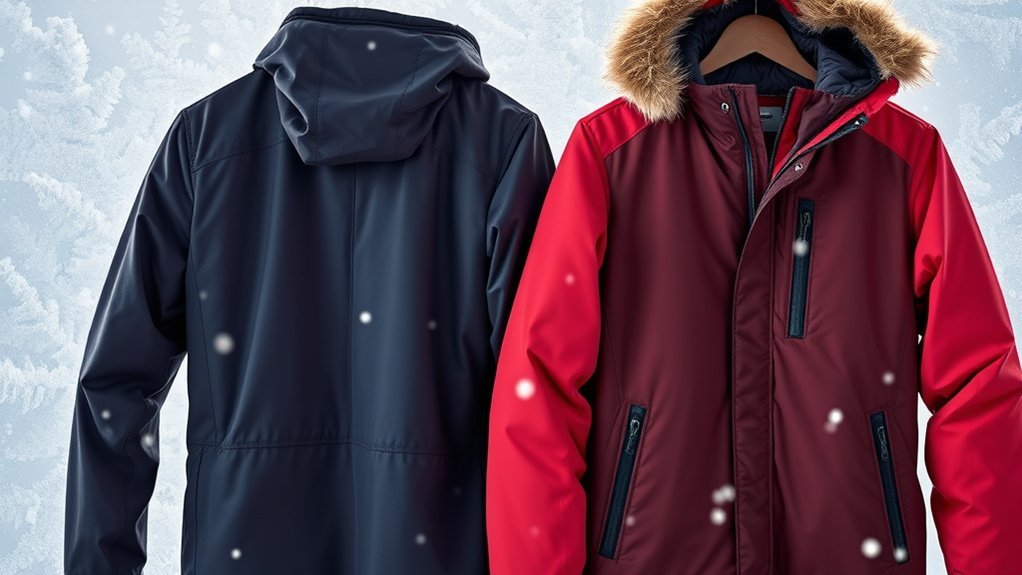
Shopping for winter jackets with ripstop fabric? A reinforced weave can help stop small tears from spreading. However, you also need enough insulation, weather protection, and room for layers.
The TACVASEN Men’s Tactical Soft Shell Winter Jacket offers a fleece-lined design for outdoor activities. The JKSafety Hi-Vis Winter Safety Bomber Jacket focuses on insulation, weather protection, and reflective visibility.
Both jackets use durable synthetic shells, but their exact listings do not confirm a ripstop weave. We compared their listed materials, warmth features, weather protection, and intended uses so you can choose with that limitation in mind.
Winter Jackets With Ripstop Fabric Compared
| Product | Best for | Shell | Warmth | Weather protection |
|---|---|---|---|---|
| Tactical-style outdoor use | Polyester softshell; ripstop weave unconfirmed | Soft fleece lining | Protective hood and weather-resistant construction | |
| Cold-weather outdoor work | PU-coated Oxford fabric; ripstop weave unconfirmed | 160g quilted thermal insulation | Waterproof coating and sealed seams |
| TACVASEN Men’s Tactical Soft Shell Winter Jacket | Best Tactical Option | Material: 100% polyester, soft fleece inner | Insulation: Fleece lining for warmth | Waterproofing: Water-resistant (not explicitly stated) | VIEW LATEST PRICE | Read Our Analysis | |
| JKSafety Hi-Vis Winter Safety Bomber Jacket | Top Safety Choice | Material: High-resistance Oxford fabric with PU coating | Insulation: 160g quilted thermal materials | Waterproofing: Waterproof with PU coating | VIEW LATEST PRICE | Read Our Analysis |
More Details on Our Top Picks
TACVASEN Men’s Tactical Soft Shell Winter Jacket
If you’re an outdoor enthusiast who loves activities like hiking, climbing, or camping, the TACVASEN Men’s Tactical Soft Shell Winter Jacket is a perfect choice for you. Made from 100% polyester with a soft fleece lining, it offers warmth and comfort during chilly adventures. The jacket features a rain hood to keep you dry, and it’s machine washable for easy care. Available in colors like Black, Army Green, and Navy, you can choose one that suits your style. With sizes ranging from S to 2XL, you’ll find a fit that works for you, making it ideal for all your outdoor escapades.
- Material:100% polyester, soft fleece inner
- Insulation:Fleece lining for warmth
- Waterproofing:Water-resistant (not explicitly stated)
- Hood:Rain hood included
- Size Range:Sizes S-2XL available
- Care Instructions:Machine wash
- Additional Feature:Soft fleece lining
- Additional Feature:Multiple color options
- Additional Feature:Versatile outdoor usage
JKSafety Hi-Vis Winter Safety Bomber Jacket
The JKSafety Hi-Vis Winter Safety Bomber Jacket is an excellent choice for professionals working in demanding outdoor environments, offering both warmth and visibility. Made from durable Oxford fabric with a waterproof coating, this jacket keeps you comfortable in cold weather. Its 160g quilted insulation guarantees you stay warm. You’ll appreciate the five reflective strips for enhanced visibility and safety. With six utility pockets, including an ID pocket and large utility pockets, it offers convenient storage. This jacket is perfect for construction workers, municipal staff, and outdoor enthusiasts alike, boasting a stellar customer rating of 4.6 out of 5 stars.
- Material:High-resistance Oxford fabric with PU coating
- Insulation:160g quilted thermal materials
- Waterproofing:Waterproof with PU coating
- Hood:Retractable hood included
- Size Range:Available in multiple sizes (not explicitly stated)
- Care Instructions:Not specified (assumed similar care)
- Additional Feature:ANSI compliant design
- Additional Feature:Enhanced visibility strips
- Additional Feature:Multiple utility pockets
Product Details and Buying Notes
TACVASEN Men’s Tactical Soft Shell Winter Jacket: Key Specs and Trade-Offs
Bottom line: The TACVASEN Men’s Tactical Soft Shell Winter Jacket suits hikers and outdoor users who want a fleece-lined shell with adjustable weather protection. Its exact ripstop construction is not confirmed.
- Shell material: Polyester softshell, designed for flexible outdoor wear.
- Insulation: Soft fleece lining, providing an additional warmth layer.
- Weather protection: Protective hood and water-resistant construction.
- Fit features: Adjustable hood and cuffs, helping reduce drafts.
- Care: Machine washable, following the garment label.
The fleece lining makes this jacket useful for cool-weather walks, camping, and hiking. Its tactical design also provides practical storage for small outdoor essentials.
It is a softshell rather than a heavily insulated expedition parka. If you expect prolonged exposure to freezing temperatures, plan your base and midlayers around the conditions.
- Soft fleece lining adds warmth.
- Adjustable hood and cuffs help control drafts.
- Polyester softshell supports outdoor movement.
- Practical tactical-style storage.
- The exact listing does not identify a ripstop weave.
- Fleece lining is not a substitute for heavy winter insulation.
- Fit and available features should be checked for the selected variant.
JKSafety Hi-Vis Winter Safety Bomber Jacket: Key Specs and Trade-Offs
Bottom line: The JKSafety Hi-Vis Winter Safety Bomber Jacket offers insulated, waterproof-coated Oxford construction for cold-weather work. It is worth considering for its reflective features, but ripstop construction is not confirmed.
- Shell material: High-resistance Oxford fabric with PU coating.
- Insulation: 160g quilted thermal filling for cold-weather wear.
- Weather protection: Waterproof coating and sealed seams.
- Fit features: Retractable hood and adjustable cuffs and hem.
- Care: Follow the garment’s temperature and drying instructions.
The quilted lining, fleece-lined collar, and adjustable openings help make this jacket practical for outdoor work. Its reflective strips improve visibility when illuminated by a light source.
The jacket also provides multiple utility pockets for work essentials. However, the linked black variant should not automatically be treated as equivalent to a certified fluorescent safety garment.
- 160g quilted insulation supports cold-weather use.
- PU-coated Oxford shell provides waterproof protection.
- Reflective strips enhance visibility under illumination.
- Multiple utility pockets provide practical storage.
- Retractable hood adds flexibility.
- Ripstop construction is not confirmed.
- The linked black variant requires a separate certification check for regulated work.
- The bomber-style fit may limit bulky layering.
TACVASEN vs JKSafety: Which Should You Get?
These jackets serve different needs. TACVASEN focuses on flexible outdoor wear, while JKSafety emphasizes insulated workwear, waterproof construction, and reflective details.
- Outdoor movement: TACVASEN’s fleece-lined softshell suits hiking and other active outdoor tasks.
- Insulation: JKSafety specifies 160g quilted filling, while TACVASEN uses a fleece lining.
- Weather protection: JKSafety lists PU-coated Oxford fabric and sealed seams.
- Visibility: JKSafety includes reflective strips, but the exact certification depends on the variant.
Neither exact listing confirms ripstop fabric, so verify that feature before purchasing specifically for tear-resistant reinforced construction.
Which Winter Jacket Should You Buy?
- For hiking and camping: Consider the TACVASEN Men’s Tactical Soft Shell Winter Jacket.
- For cold-weather outdoor work: Consider the JKSafety Hi-Vis Winter Safety Bomber Jacket.
- For waterproof-coated workwear: The JKSafety Hi-Vis Winter Safety Bomber Jacket specifies a PU-coated Oxford shell and sealed seams.
- For a fleece-lined softshell: The TACVASEN Men’s Tactical Soft Shell Winter Jacket provides a practical alternative to heavily insulated workwear.
- For confirmed ripstop construction: Check the manufacturer’s exact fabric specification before selecting either jacket.
How We Chose
We reviewed the product descriptions, listed construction details, and manufacturer information for the jackets included in this comparison. We did not conduct hands-on testing.
- Material: We considered shell construction and whether a reinforced ripstop weave was documented.
- Warmth: We compared fleece lining and specified thermal insulation.
- Weather protection: We considered coatings, protective hoods, and sealed seams.
- Practical use: We compared mobility, visibility features, pockets, and intended activities.
- Safety: We considered the importance of exact-variant certification for occupational safety clothing.
Factors to Consider When Choosing a Winter Jacket With Ripstop Fabric: Top Picks for Cold Weather
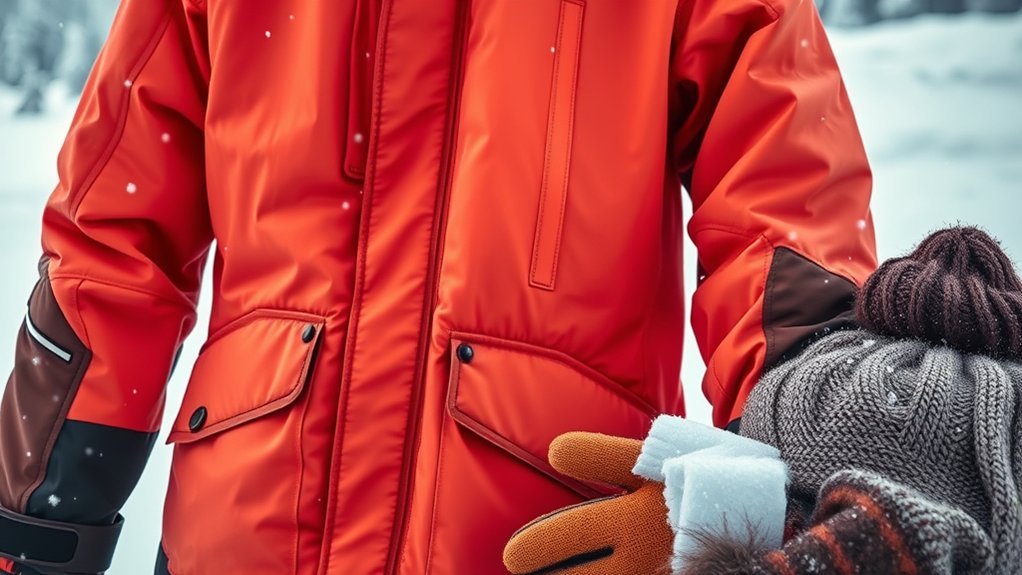
When choosing a winter jacket with ripstop fabric, start with the weave, then compare insulation and weather protection. Ripstop helps limit tear propagation, but it does not automatically make a jacket warm or waterproof.
Your ideal jacket should match your activities, local weather, and layering needs. Workwear buyers may also need certified visibility features.
Material Durability and Resistance
Ripstop fabric uses reinforcing threads in a repeating pattern to help prevent small tears from spreading. It can be made from nylon, polyester, or other fibers.
However, a durable polyester shell is not automatically ripstop. The same applies to Oxford fabric and ordinary softshell materials. Look for an explicit ripstop description or a manufacturer’s technical specification for the exact jacket.
Also consider abrasion resistance, seam construction, and reinforcement at high-wear areas. These factors matter when your jacket rubs against backpack straps, rocks, tools, or work equipment.
Insulation and Warmth Levels
Insulation determines how well a jacket helps retain body heat. Ripstop describes fabric construction rather than an insulation system.
Down offers a strong warmth-to-weight ratio when kept dry. Synthetic insulation can be practical in damp conditions, while fleece provides breathable warmth and works well as part of a layering system.
Insulation weight alone does not establish a jacket’s temperature rating. Fit, wind exposure, activity level, and the complete garment design also matter.
The TACVASEN uses fleece lining, while the JKSafety specifies 160g quilted insulation. Choose based on your activity and the layers you intend to wear underneath.
Weatherproofing and Waterproof Features
Ripstop fabric is not necessarily waterproof. Its performance depends on the fibers, coating, membrane, seams, and overall jacket construction.
A durable water-repellent finish can help light moisture bead on the surface. For prolonged rain or wet snow, look for a waterproof membrane or coating, suitable seam sealing, and a protective front closure.
Adjustable cuffs and hems help reduce drafts and moisture entry. A hood that fits securely is also useful in changing winter weather.
The JKSafety jacket specifies a PU-coated Oxford shell and sealed seams. If dependable wet-weather protection is your priority, check these details rather than relying on the word ripstop alone.
Visibility and Safety Standards
Visibility matters when you work around vehicles, machinery, or moving equipment. Reflective strips return light toward its source, while fluorescent background materials improve daytime visibility.
For regulated work, check the exact garment’s ANSI/ISEA 107 classification and your employer’s requirements. A black jacket with reflective trim should not automatically be treated as equivalent to a certified high-visibility garment.
The JKSafety jacket provides reflective features, but certification must be checked for the specific color and variant.
Storage and Utility Options
Useful pockets make a winter jacket easier to wear throughout the day. Consider where you need to store your phone, keys, work ID, gloves, or other small essentials.
Zippered pockets help keep items secure during hiking and climbing. Workwear may benefit from accessible utility pockets and a dedicated ID holder.
Check whether you can reach the pockets while wearing a backpack, gloves, or safety equipment. Pocket placement can matter as much as pocket count.
Fit and Size Availability
A winter jacket should leave enough space for your usual base and midlayers without creating excessive bulk.
Check the manufacturer’s size chart using your measurements. Do not assume two jackets with the same letter size will fit identically.
Adjustable cuffs, hems, and hoods help manage drafts. Test your range of motion by reaching forward and lifting your arms. A jacket that pulls tightly across the shoulders may limit comfort during outdoor work or hiking.
Maintenance and Care Instructions
Proper care helps preserve the shell, insulation, and protective coatings.
Always follow the garment’s care label. Use a suitable detergent, avoid bleach unless explicitly permitted, and follow the stated wash temperature and drying method.
Do not assume every ripstop jacket can be tumble dried or treated with the same waterproofing product. Coatings, membranes, insulation, and seam treatments have different care requirements.
If water stops beading on a jacket with a durable water-repellent finish, follow the manufacturer’s instructions for cleaning and restoring that finish.
Mistakes to Avoid When Buying Winter Jackets
- Assuming all synthetic shells are ripstop: Check the exact fabric specification for a reinforced weave.
- Confusing water resistance with waterproofing: Review the membrane, coating, and seam construction.
- Choosing insulation by weight alone: Consider activity, weather, fit, and layering.
- Ignoring certification differences: Verify the exact color and safety classification for occupational clothing.
- Buying without checking measurements: Allow enough space for winter layers and movement.
Frequently Asked Questions
What Is Ripstop Fabric and Its Benefits for Winter Jackets?
Ripstop is a fabric construction that uses reinforcing threads to help prevent small tears from spreading. Its benefits include tear resistance and the ability to provide strength without excessive fabric weight. However, ripstop does not automatically mean waterproof, windproof, or insulated. Those properties depend on the jacket’s complete construction and materials.
How Do I Properly Care for a Ripstop Winter Jacket?
Follow the manufacturer’s care label for washing and drying. Use a suitable detergent and avoid bleach or fabric softeners when the instructions prohibit them. Check the care requirements for any coating, membrane, or insulation. Allow the jacket to dry as directed before storing it in a clean, dry place.
Are Ripstop Jackets Waterproof or Water-Resistant?
Ripstop jackets are not necessarily waterproof or water-resistant. The weave helps limit tearing, while moisture protection comes from the fabric treatment, coating, membrane, and seams. Some ripstop jackets resist light rain, while others provide more complete weather protection. Check the exact product specifications rather than assuming ripstop describes its waterproof performance.
Can Ripstop Fabric Withstand Extreme Winter Conditions?
Ripstop fabric can form part of a jacket designed for extreme winter conditions, but the reinforced weave alone does not provide enough protection. The jacket also needs appropriate insulation, wind protection, weatherproofing, and fit. For severe conditions, choose a complete garment designed for the expected environment rather than relying on fabric strength alone.
What Is the Average Lifespan of a Ripstop Winter Jacket?
There is no reliable universal lifespan for every ripstop winter jacket. Durability depends on fabric quality, construction, use, storage, and care. Inspect the shell, stitching, zippers, insulation, and weatherproofing regularly. A jacket used daily for demanding outdoor work may wear differently from one used occasionally for winter walks.
Is Ripstop Better Than Regular Polyester?
Ripstop and polyester describe different material properties. Polyester is a fiber, while ripstop describes a reinforced weave. Polyester itself can be woven into ripstop fabric. A ripstop construction can help limit tear propagation, but overall durability also depends on fabric weight, yarn quality, coatings, stitching, and garment design.
Do You Need a Waterproof Jacket for Snow?
A waterproof jacket is especially useful for wet snow, sleet, and changing temperatures. In dry, cold conditions, wind protection and suitable insulation may be more important than maximum waterproofing. Consider your activity level, expected exposure, and layering system. For prolonged wet conditions, sealed seams and a protective shell are valuable features.
How Should a Winter Jacket Fit Over Layers?
A winter jacket should fit comfortably over your normal base and midlayers without restricting movement. Check the shoulders, chest, sleeves, and hem while reaching and bending. Adjustable cuffs and hems can help reduce drafts. Use the manufacturer’s measurements rather than relying only on your usual letter size, especially when choosing insulated workwear.
Final Verdict
The right winter jacket depends on your activities, weather exposure, and insulation needs. For shoppers specifically seeking winter jackets with ripstop fabric, confirm the reinforced weave before buying.
The TACVASEN offers a fleece-lined tactical-style option, while the JKSafety provides quilted insulation, waterproof-coated Oxford fabric, and reflective workwear features. Neither exact listing establishes ripstop construction.
For insulated outdoor workwear, compare the JKSafety Hi-Vis Winter Safety Bomber Jacket, and verify the certification and material details of the selected variant.
