
Last Updated on July 25, 2026 by Daniel Globe
Balat is one of Istanbul’s most photogenic neighborhoods, but the best images come from knowing exactly where to look. Beyond the famous painted houses, you can photograph steep historic streets, vintage cafés, antique shops, religious landmarks, street art, and Golden Horn views. The key is to treat Balat as a living neighborhood, not just a photo set.
Quick Answer
The best Instagram spots in Balat include the colorful houses around Kiremit Caddesi and Merdivenli Yokuş, vintage cafés and antique-shop streets, Ahrida Synagogue’s exterior, nearby Fener landmarks, and the Golden Horn waterfront. Go early on a weekday for softer light, fewer crowds, and more respectful street photography.
Key Takeaways
- For the classic Balat look, start with the colorful houses around Kiremit Caddesi and the stepped street of Merdivenli Yokuş.
- Do not blur Balat and Fener together: they are neighboring districts, and several famous Orthodox landmarks are in nearby Fener.
- Ahrida Synagogue is the historic synagogue to name in Balat; visitor access should be confirmed in advance rather than assumed.
- The Golden Horn waterfront works best for wide city scenes, ferries, reflections, and sunset light.
- Photograph respectfully: homes are private, worship sites have their own rules, and street art, shopfronts, and access conditions can change.
Disclosure: As an Amazon Associate I earn from qualifying purchases. Some links on this page are affiliate links, at no extra cost to you.
Best Balat Instagram Spots at a Glance
| Spot | Best for | Best time |
|---|---|---|
| Kiremit Caddesi | Rows of colorful historic houses | Weekday morning |
| Merdivenli Yokuş | Steep perspective, steps, colorful façades | Morning or soft overcast light |
| Vodina and nearby side streets | Cafés, antiques, details, street scenes | Late morning |
| Ahrida Synagogue exterior | Jewish heritage and architecture | Daylight; confirm access before an interior visit |
| Golden Horn waterfront | Water, ferries, skyline, reflections | Late afternoon to sunset |
Colorful Houses on Kiremit Caddesi and Merdivenli Yokuş
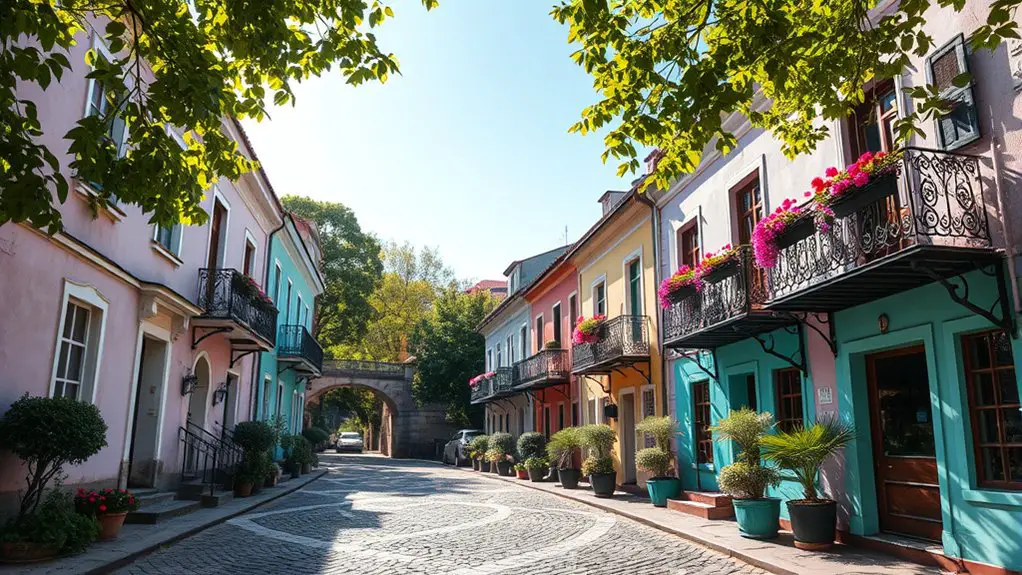
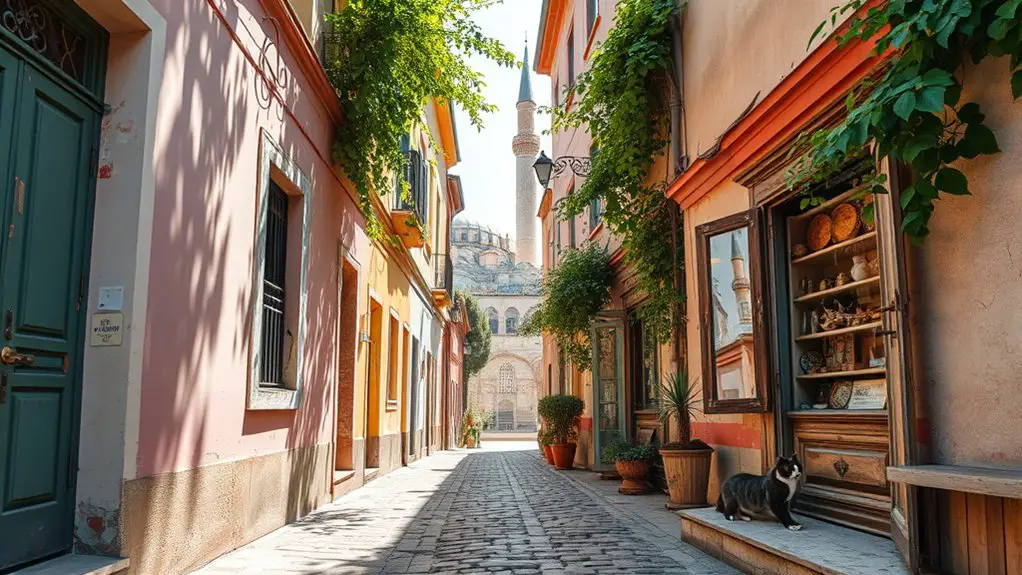
The vibrant, multicolored houses are Balat’s signature photo subject, but “Balat Street” is too vague to help a visitor find them. Two useful names to know are Kiremit Caddesi, known for rows of painted houses, and Merdivenli Yokuş, the steep stepped street highlighted by Türkiye’s official tourism site as a popular social-media photo location.
As you walk uphill, deep blues, reds, yellows, and soft pastels stand out against old masonry, bay windows, stairways, and narrow streets. These façades are part of a real residential neighborhood, so the strongest images often come from wider street compositions rather than posing directly on someone’s doorstep.
Use the slope to create depth. Stand lower on the street and let the repeating façades lead the eye upward. A normal phone lens or moderate wide angle usually looks more natural than an extreme ultrawide, which can stretch buildings at the edges.
For historical context, GoTürkiye’s Fener and Balat guide describes the area’s cobbled streets, historic houses, steep staircases, and surviving “cumba” bay-window architecture.
Pro Tip: Visit on a weekday morning. You are more likely to get clean frames, softer light, and less pressure to hold up foot traffic while composing a shot.
Historic Orthodox Churches in Balat and Nearby Fener
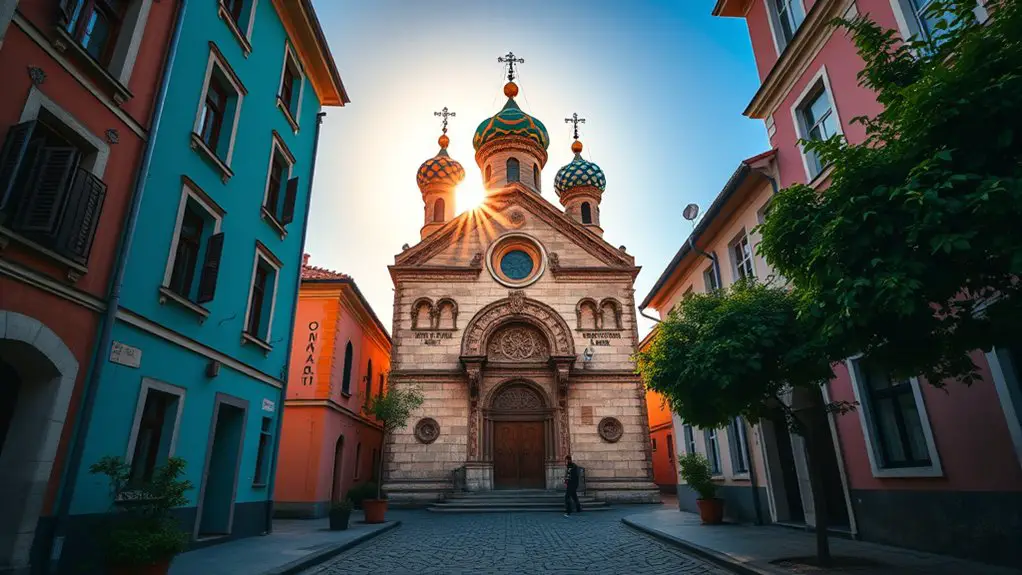
Balat and neighboring Fener are often covered together in travel guides, which can make their landmarks sound as though they all sit in one neighborhood. For accurate captions, keep the distinction clear.
On the Golden Horn edge of the Fener–Balat route, the Bulgarian St. Stephen Church, often called the Iron Church, is one of the most striking religious buildings to photograph. GoTürkiye notes that its metal components were produced in Vienna, transported to Istanbul, assembled by the Golden Horn, and that the church opened for worship in 1898.
Nearby Fener, not Balat proper, is home to the Greek Orthodox Patriarchate and St. George’s Church. These sites add ornate doors, historic façades, religious symbolism, and atmospheric streets to a Balat–Fener photo walk.
Note: Treat churches and synagogues as active or sensitive religious spaces first and photo locations second. Opening hours, services, security rules, and photography permissions can change.
Bulgarian St. Stephen Iron Church
The Iron Church works especially well for architectural photography because its pale exterior, detailed ornament, and waterfront setting contrast with the denser residential streets nearby. Try a wider frame from the promenade to show its relationship with the Golden Horn, then move closer for details around the façade and entrance.
Instead of relying on broad claims about “Byzantine and Ottoman touches,” identify what is actually in front of you: metal ornament, pointed vertical lines, decorative windows, and the church’s unusual prefabricated construction. Accurate visual descriptions make captions more useful than generic history language.
St. George’s Church and the Patriarchate in Fener
Continue into Fener for another layer of Orthodox heritage. The Greek Orthodox Patriarchate and St. George’s Church sit among narrow streets and historic buildings that photograph very differently from Balat’s rainbow-house scenes.
Exterior shots can emphasize gates, façades, street perspective, and the contrast between religious architecture and the surrounding neighborhood. If a site is open, follow posted rules before photographing interiors, worshippers, icons, or services.
Balat’s Vintage Cafes and Murals
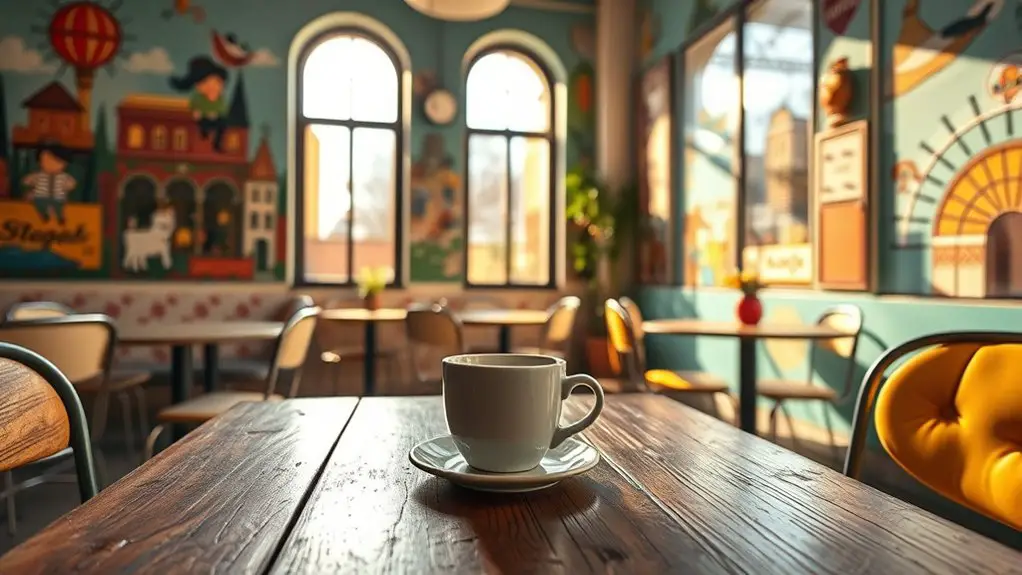
Balat’s vintage-style cafes, antique shops, painted shutters, signs, and changing street art add a different mood from the famous houses. Along streets such as Vodina and the surrounding lanes, you can frame café tables, old objects, cats, textured walls, shop displays, and passing street life.
Look for layers instead of a single bright wall. A doorway in the foreground, a painted façade in the middle, and a steep lane behind it can give a photo more depth. Window reflections are also useful when harsh midday light makes direct façade shots difficult.
Murals and decorative installations are less permanent than historic buildings. A wall seen in an older Instagram post may have been repainted, covered, or replaced, so treat street art as a discovery rather than a guaranteed checklist item.
When photographing inside a café, buy something and ask before staging a long shoot, moving furniture, or including staff and customers prominently in the frame. That small courtesy keeps the experience comfortable for everyone.
The Iconic Balat Rainbow Houses: Best Angles
The Balat rainbow houses look simple to photograph, but composition makes a large difference. Their stacked colors, bay windows, doors, and uphill lines can create strong images without heavy editing.
Try these approaches:
- Shoot from lower on the slope: Let the street climb through the frame so the façades appear layered rather than flat.
- Photograph details: Doors, window frames, balconies, house numbers, and worn textures can be more distinctive than another wide rainbow row.
- Use reflections after rain: Wet stone and windows can add color without relying on oversaturated filters.
- Work with soft light: Morning light or bright overcast conditions often preserve paint color better than harsh midday sun.
- Keep entrances clear: These are homes and businesses, so never block doors or ask residents to wait while you finish a shot.
Warning: Do not treat private homes as props. Avoid leaning on doors, entering stairways or courtyards without permission, blocking residents, or photographing identifiable people at close range without consent.
Scenic Views From the Golden Horn
For a break from tight streets, head toward the Golden Horn. The waterfront gives you room for wider compositions with water, ferries, shoreline architecture, bridges, birds, and distant parts of Istanbul’s skyline.
Late afternoon is especially useful because the lower sun can create reflections and warmer tones across the inlet. GoTürkiye’s Golden Horn guide highlights the area’s historic harbor role, waterfront monuments, and sunset views.
Rather than promising one exact skyline landmark from every Balat viewpoint, compose around what is actually visible that day. Haze, construction, seasonal light, and your position along the shore can change the frame. Ferries and passing boats often make better foreground subjects than forcing a distant landmark into the shot.
A slow shutter can smooth the water in low light if you have stable support, but for quick travel photography, burst mode or a steady two-handed phone grip is usually enough to catch moving ferries sharply.
Balat’s Market Streets, Antique Shops, and Local Stores
Instead of expecting one formal covered attraction called “Balat Market,” look for the neighborhood’s small shops, antique dealers, craft stores, second-hand businesses, and occasional auction activity. Official tourism material specifically highlights Balat and Fener’s antique dealers, second-hand shops, craft shops, and cafés.
These streets are excellent for detail photography: old signs, baskets, ceramics, tools, vintage objects, textiles, produce, shop windows, and hands at work can tell a stronger story than a staged portrait.
Here’s what to look for:
- Shopfront color: Painted doors, awnings, hanging objects, and handwritten signs create natural frames.
- Antiques and second-hand displays: Layered objects make strong close-up and still-life photos.
- Everyday street life: Deliveries, tea glasses, cats, chairs, and conversations show Balat as a working neighborhood.
- Local food details: Bread, fruit, coffee, and small counters can add texture and variety to a photo series.
Ask before photographing a vendor closely or focusing on merchandise inside a small shop. A quick greeting and permission usually lead to better, more relaxed images.
Hidden Alleyways and Local Murals
Balat’s side streets reward slow wandering. Narrow lanes reveal old stone and plaster, painted doors, hanging laundry, cats, stairs, vines, street art, and changing neighborhood details that are easy to miss when you only chase famous pins.
For stronger images, look for contrast: old surfaces beside fresh paint, a quiet doorway beside a busy café, or a bright mural against worn masonry. These combinations show the neighborhood’s mix of history and present-day creative life without turning every wall into the same generic “Instagram backdrop.”
Street art changes, and some alleys are residential dead ends. If a lane feels private, crowded, or uncomfortable to enter, choose another route. Balat offers enough visual variety that you never need to force a shot.
Ahrida Synagogue: Balat’s Historic Jewish Landmark
The article’s original phrase “Old Synagogue of Balat” is better replaced with the site’s proper name: Ahrida Synagogue. The Turkish Jewish Community states that Ahrida was built in the early 15th century and takes its name from Ohrid, the city in today’s North Macedonia from which its founders migrated.
The synagogue is an important part of Balat’s Jewish heritage, but it should not be presented as an always-open tourist attraction. The Turkish Jewish Community publishes separate contact information for Balat synagogue visits, so anyone hoping to see the interior should confirm arrangements before visiting.
Historical Significance and Architecture
Ahrida’s value is not just visual. It connects Balat to the long history of Jewish life in Istanbul and to communities that lived and worshipped around the Golden Horn for centuries.
For an Instagram-focused visit, the responsible approach is to photograph the exterior and surrounding street unless interior access has been arranged. If you do enter, follow all instructions about identification, security screening, dress, photography, and restricted areas.
Visiting Respectfully and Planning Access
Balat’s Jewish heritage is living history, not a themed backdrop. Avoid describing Ahrida as a place that routinely “hosts cultural festivals” unless you are referring to a specific announced event. Occasional tours or cultural programs do happen, but schedules are not permanent.
Use the neighborhood’s mix of synagogues, churches, mosques, old houses, shops, and street life to tell a broader story of Istanbul’s layered communities. Captions are stronger when they name the actual landmark and avoid invented or generalized traditions.
Best Time to Photograph Balat
For photos, early weekday mornings are usually the easiest. Streets are calmer, the light is softer, and you have more room to compose without blocking residents or businesses. Late afternoon can be beautiful too, especially if you plan to finish along the Golden Horn.
Spring and autumn often feel comfortable for walking, but there is no single “correct” season. Summer can work well if you start early before strong midday light and heat. Winter can bring softer crowds, dramatic skies, and wet-street reflections.
Golden hour is useful, but Balat’s steep streets and close buildings create deep shadows. Do not build your whole plan around direct sunset light reaching every colorful façade; morning and overcast conditions can be just as flattering.
A Practical Balat Photo Walk
A simple route keeps you from zigzagging up and down the hills:
- Start near the Golden Horn: Photograph the waterfront and the Bulgarian St. Stephen Church area.
- Move into the Balat/Fener street network: Use Vodina, Yıldırım, and nearby lanes for cafés, details, antique shops, and daily street scenes.
- Climb toward the colorful-house streets: Spend time around Merdivenli Yokuş and Kiremit Caddesi.
- Visit Ahrida Synagogue’s area: Photograph respectfully from public space unless interior access has been arranged.
- Finish back at the waterfront: Use late light for Golden Horn reflections, ferries, and wider skyline compositions.
Allow at least two to three hours if photography is your main goal. Add more time for café stops, religious-site visits, or waiting for cleaner frames.
Photography Etiquette in a Living Neighborhood
Balat is popular online because it looks cinematic, but people live and work in the scenes visitors photograph. A respectful approach protects both your experience and the neighborhood.
- Ask before close portraits. A person being in the distant background of a street scene is different from making them the subject.
- Do not block doors, stairs, roads, or shop entrances.
- Keep tripods and large setups out of narrow pedestrian routes.
- Respect worship spaces. Never assume interior photography is allowed.
- Keep captions accurate. Name Ahrida Synagogue, St. Stephen Church, Fener, or Balat correctly rather than using vague labels.
The best Balat photo is not necessarily the emptiest street or brightest wall—it is the one that captures the neighborhood without disrupting the people who live there.
How to Get to Balat
Public transport makes Balat easier to reach than many older guides suggest. The T5 Eminönü–Alibeyköy tram line includes both Fener and Balat stations. That makes it practical to begin near the waterfront and walk uphill into the photo streets.
You can also arrive by water. Şehir Hatları’ Golden Horn service includes Balat and Fener on its route. Ferry schedules can change, so check the official timetable on the day you travel.
Frequently Asked Questions
What is the best time of year to visit Balat for photos?
Spring and autumn are comfortable for long walks, but Balat photographs well year-round. For the easiest shooting conditions, prioritize time of day over season: a weekday morning usually gives you softer light and fewer people. In summer, start early; in winter, use soft skies and wet-street reflections to your advantage.
Are there guided tours for Balat’s Instagram spots?
Yes. Commercial walking, heritage, and photography-focused tours are available, but operators and schedules change. A tour is most useful if you want historical context, help finding specific streets, or pre-arranged access to sensitive heritage sites. Independent visitors can still reach the main public photo streets on their own.
Can I access Balat’s street art without a tour?
Yes. Most street art visible from public streets can be explored independently. Murals and decorative installations change over time, so do not expect every image from an old blog or Instagram post to still exist. Stay on public routes and respect residential entrances.
What photography tips work best for Balat’s colors?
Use soft morning or overcast light, expose for the brightest painted walls, and avoid pushing saturation too far in editing. Shoot both wide street scenes and small details. On steep streets, position yourself lower and use the slope as a leading line through the frame.
Is it safe to explore Balat at night for photos?
No neighborhood should be described as guaranteed safe. For photography, daylight and early evening are usually more practical because you can see the steep streets clearly and keep better awareness of your surroundings. As of June 9, 2026, the U.S. State Department lists Türkiye at Level 2, “Exercise Increased Caution.” Keep valuables secure, avoid isolated lanes and demonstrations, and check current official travel guidance before your visit.
How long do I need for Balat photography?
Plan about two to three hours for a relaxed photo walk covering the colorful houses, side streets, cafés, heritage exteriors, and waterfront. Allow half a day if you want café breaks, interiors where permitted, or time to wait for better light and fewer crowds.
How do I get to Balat by public transport?
The T5 Eminönü–Alibeyköy tram has Fener and Balat stations, making it one of the simplest options from the Historic Peninsula. Golden Horn ferries also serve Balat and Fener on scheduled routes. Check official transit timetables before leaving because service can change.
Can I photograph inside Ahrida Synagogue or local churches?
Only when the site is open and its rules allow it. Ahrida Synagogue access should be confirmed in advance through the published Balat synagogue visitor contacts. Churches may limit photography during services or in certain areas, so follow signs and staff instructions rather than assuming interior photos are permitted.
Conclusion
Balat earns its reputation as one of Istanbul’s most photogenic neighborhoods, but its best images go beyond the colorful houses. Photograph the steep streets, café details, antique shops, Ahrida Synagogue exterior, nearby Fener landmarks, and the Golden Horn to build a more complete visual story. Go early, name places accurately, and give residents and worship spaces the same respect you would want at home.
Sources
- GoTürkiye — Fener and Balat Neighbourhoods — Balat streets, historic houses, Merdivenli Yokuş, religious landmarks, and Fener location context.
- GoTürkiye — Golden Horn — Golden Horn history, waterfront setting, and sunset context.
- Turkish Jewish Community — Ahrida Synagogue — Ahrida’s early-15th-century history and published visitor-contact information for Balat synagogues.
- Metro Istanbul — T5 Eminönü–Alibeyköy Tram Line — current Fener and Balat tram stations.
- Şehir Hatları — Golden Horn Line — scheduled ferry service serving Balat and Fener.
- U.S. Department of State — Türkiye Travel Advisory — current national safety guidance and advisory level.
