
Last Updated on July 27, 2026 by Daniel Globe
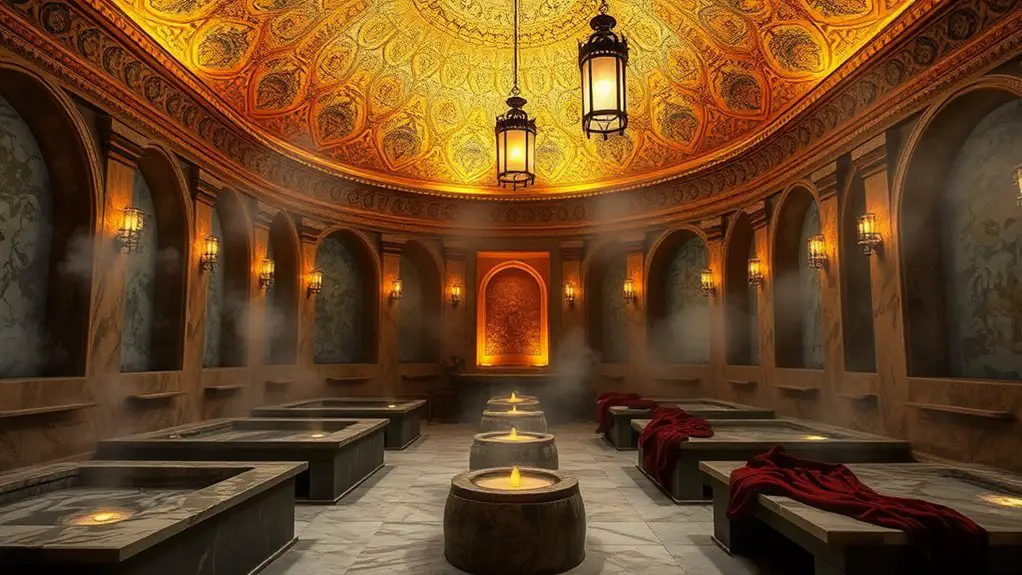
If you’re looking to slow down after sightseeing in Istanbul, a traditional hammam offers something a hotel spa cannot: centuries-old bathing rituals inside some of the city’s most remarkable Ottoman buildings. The best choice depends on whether you want historic architecture, luxury service, separate men’s and women’s areas, or a hammam you can experience with a partner. Here is what to know before you book.
Quick Answer
Five standout Istanbul hammams are Çemberlitaş Hamamı, Ayasofya Hürrem Sultan Hamamı, Kılıç Ali Paşa Hamamı, Galatasaray Hamamı, and Süleymaniye Hamamı. Choose based on location, budget, gender arrangements, age rules, and whether you want a traditional scrub-and-foam ritual or a more elaborate spa-style package.
Key Takeaways
- Çemberlitaş Hamamı is a convenient historic choice near the Grand Bazaar with separate men’s and women’s sections.
- Ayasofya Hürrem Sultan Hamamı is the luxury pick, set between Hagia Sophia and the Blue Mosque.
- Kılıç Ali Paşa Hamamı combines restored Mimar Sinan architecture with separate women’s and men’s operating hours.
- Galatasaray Hamamı dates to 1481 and is a central historic option in Beyoğlu.
- Süleymaniye Hamamı stands out because its main current service welcomes mixed-gender couples and families rather than separating partners.
Disclosure: As an Amazon Associate I earn from qualifying purchases. Some links on this page are affiliate links, at no extra cost to you.
Historical Significance of Hammams in Istanbul
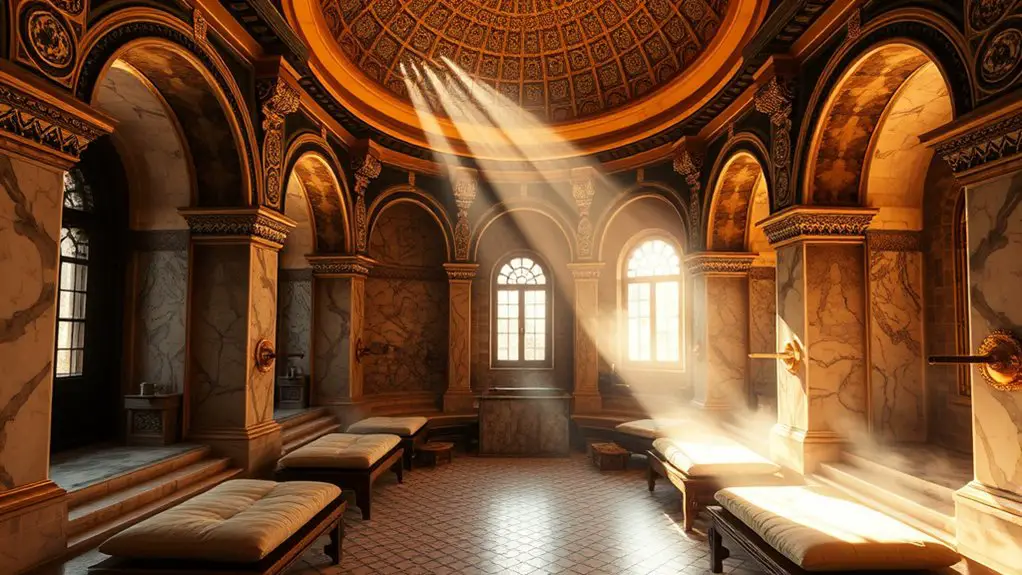
Istanbul’s hammam tradition grew from several layers of bathing culture. Roman and Byzantine Constantinople already had public baths, and those traditions later influenced bathing practices under the Ottomans. Ottoman hammams developed their own architecture, rituals, charitable functions, and social role.
The result can still be seen in buildings with domes, marble basins known as kurna, heated central platforms called göbek taşı, and small openings in the roof that filter daylight into the hot room.
Istanbul’s historic hammams are not simply spas in old buildings; they are surviving parts of an urban bathing culture shaped over centuries.
Hammams also played an important social role. They were places for routine bathing, conversation, celebrations, and community rituals. Some were constructed as part of larger charitable complexes that included mosques, schools, kitchens, and other public buildings.
The architectural importance of this tradition is still visible in Istanbul’s protected historic areas. UNESCO specifically identifies bath buildings within the city’s historic urban ensembles, including the Süleymaniye complex. See the UNESCO Historic Areas of Istanbul listing for broader historical context.
Top 5 Hammams to Visit
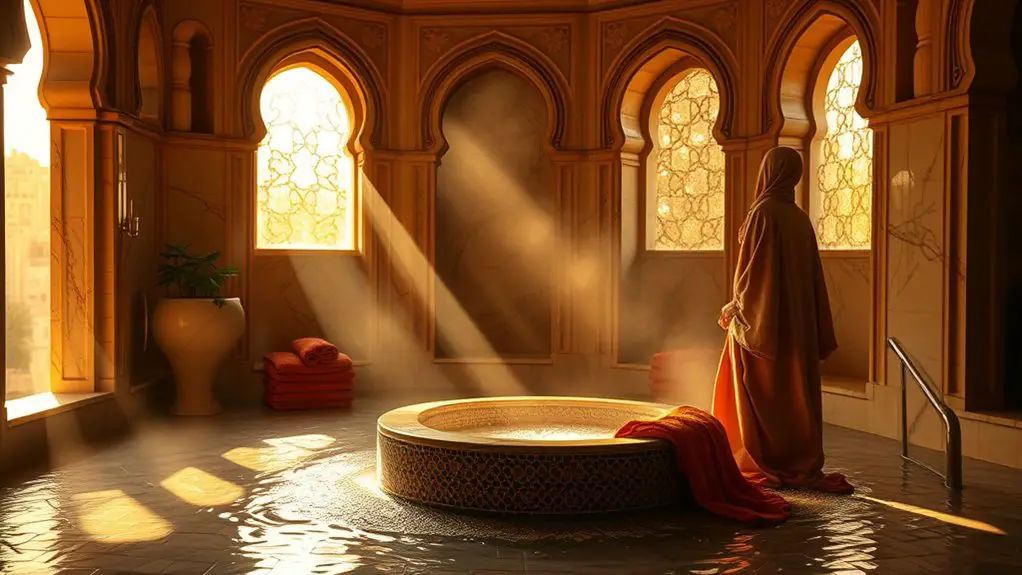
Istanbul’s best-known hammams differ more than their photos suggest. Some have two separate bathing sections, some alternate women’s and men’s hours, and one of the five below is especially useful for couples who want to remain together.
| Hammam | Best For | Gender Setup | Planning Note |
|---|---|---|---|
| Çemberlitaş | Historic setting and central location | Separate men’s and women’s sections | Check current availability before visiting |
| Hürrem Sultan | Luxury and Sultanahmet sightseeing | Separate men’s and women’s services | Advance reservation recommended |
| Kılıç Ali Paşa | Restored Ottoman architecture | Same bath at separate women’s/men’s hours | Book ahead, especially for weekends |
| Galatasaray | Historic Beyoğlu atmosphere | Confirm current arrangement when booking | Reservation recommended |
| Süleymaniye | Couples who want to bathe together | Mixed couples/families during main service | Online reservation required; current minimum age 16 |
- Çemberlitaş Hamamı – Completed in 1584 and associated with the great Ottoman architect Mimar Sinan, Çemberlitaş was endowed by Nurbanu Sultan. Its double-hammam design gives men and women separate sections, and its location close to the T1 tram, Grand Bazaar, and Sultanahmet makes it convenient for a sightseeing day. The official Çemberlitaş Hamamı history and visitor information details the building and current services.
- Ayasofya Hürrem Sultan Hamamı – Built by Mimar Sinan in 1556–1557 for Hürrem Sultan, the hammam sits between Hagia Sophia and the Blue Mosque. It is the strongest fit here for travelers who prioritize a polished luxury experience, elaborate packages, and an exceptional Sultanahmet setting. Men’s and women’s bathing services are separate. See the official Hürrem Sultan Hamam history.
- Kılıç Ali Paşa Hamamı – Mimar Sinan built this hammam in the late 16th century for Ottoman admiral Kılıç Ali Paşa. After a major restoration, it reopened in 2012. Because it has one principal bathing space rather than simultaneous men’s and women’s sections, the hammam operates separate hours for women and men. Its official FAQ also explains treatment duration, reservations, clothing, and child policies.
- Galatasaray Hamamı – Dating to 1481 during the reign of Bayezid II, Galatasaray is one of the oldest choices in this list. Its Beyoğlu location works well if your itinerary includes İstiklal Avenue or central Beyoğlu. Traditional hammam entry, scrub-and-foam service, and a higher package with an oil massage are listed separately on the official Galatasaray Hamamı service page.
- Süleymaniye Hamamı – Built as part of the Süleymaniye complex and associated with Mimar Sinan, this hammam has a very different operating concept from most historic baths. Its principal current service is shared by couples and families, and all treatments are performed by male therapists. Guests under 16 are currently not admitted. Check the official Süleymaniye Hamam FAQ before booking.
Note: Hammam schedules, package prices, age limits, and gender arrangements can change. The policies above were checked against official venue information in July 2026; confirm the current booking page before your visit.
Another option worth considering: Zeyrek Çinili Hamam reopened for bathing in May 2024 after a 13-year restoration. Its restored 16th-century architecture and accompanying museum make it particularly interesting if you want to combine bathing with a deeper look at Ottoman hammam history. Learn more from the official Zeyrek Çinili Hamam reopening announcement.
Signature Treatments Offered
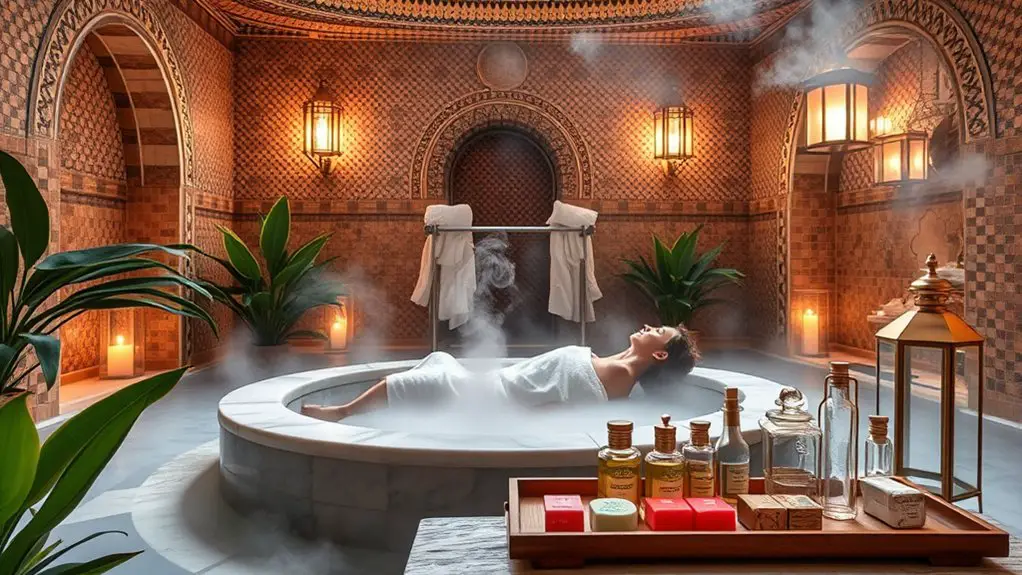
The classic hammam experience is simpler than a modern spa menu. Its core elements are heat, water, exfoliation with a kese, and a rich soap-foam wash. Oil massages and other spa treatments are usually upgrades rather than an automatic part of the traditional ritual.
Traditional Hammam Rituals
After changing, you normally spend time warming up on or near the heated marble göbek taşı. The warmth prepares your skin for the next stage and gives you time to settle into the bath.
An attendant then uses a textured kese mitt to exfoliate the skin. The pressure can feel much stronger than a normal shower scrub, so tell your attendant immediately if you want a gentler touch.
The kese is followed by rinsing and a soap-foam wash. Large amounts of lather are worked over the body before you are rinsed again.
Afterward, you move to a cooler area to dry off, drink water or tea where provided, and rest. This warm-up, scrub, foam wash, rinse, and rest sequence is the heart of the traditional hammam experience.
Pro Tip: A traditional hammam treatment and an oil massage are not necessarily the same purchase. Check the package details before booking so you know whether your price includes only the kese and foam wash or an additional massage.
Unique Spa Experiences
Historic hammams increasingly combine the traditional ritual with optional spa treatments, but the menu differs by property.
- Oil and full-body massage: Offered separately at venues such as Kılıç Ali Paşa and Galatasaray.
- Longer luxury hammam packages: Hürrem Sultan offers several tiers that combine the traditional bath ritual with longer treatment times and additional pampering.
- Deep-tissue and targeted massage: Kılıç Ali Paşa lists separate full-body, deep-tissue, sports, foot, and partial-body massage services.
- Self-service bathing: Some historic hammams offer admission without the full attendant-led treatment, while others structure visits around a set ritual.
Choose the hammam for its bathing experience first, then decide whether an additional massage is worth adding. A modern massage can be relaxing, but it is not required to experience the traditional Turkish bath ritual.
What to Expect During Your Visit
First-time visitors often worry about clothing, nudity, and knowing what to do. In practice, staff at the major historic hammams guide guests through each stage.
- Check in and change. Store valuables and clothes in your assigned locker or changing room.
- Put on the provided bathing clothing. This usually means a peştemal, shorts, disposable garments, swimwear, or a combination set by the venue.
- Warm up. Spend time in the heated bathing area or on the marble platform.
- Receive the kese scrub. An attendant exfoliates your skin and rinses you.
- Enjoy the foam wash. Soap lather is worked over the body before another rinse.
- Add a massage if booked. Oil or spa-style massages may take place separately from the wet bathing area.
- Cool down and rest. Dry off slowly and drink water or another nonalcoholic beverage.
Hammam Etiquette Guidelines
Etiquette varies slightly between establishments, but a few habits work almost everywhere:
- Arrive early: Many major hammams ask guests to arrive about 15 minutes before the booked treatment.
- Follow the clothing rules: Use the provided peştemal, shorts, bikini, or other garments as directed.
- Respect privacy: Photography is often prohibited in bathing and washing areas.
- Keep your voice down: Historic baths are communal spaces, and many venues specifically request quiet conversation.
- Tell the attendant about discomfort: Ask for lighter scrub or massage pressure rather than enduring something painful.
- Follow staff directions: Each hammam has its own bathing flow and house rules.
Treatment Options Available
Rather than assuming every hammam has the same spa menu, think of treatments in three broad levels:
| Treatment Type | What It Usually Includes | Typical Planning |
|---|---|---|
| Bath / self-service | Access to the heated bathing areas so you can wash and relax | Available only at selected hammams |
| Traditional ritual | Warm-up, kese exfoliation, rinsing, and soap-foam wash | Core experience for most first-time visitors |
| Massage / premium package | Traditional ritual plus oil massage or other venue-specific treatments | Often requires a separate booking and higher price |
Atmosphere and Ambiance
A historic hammam feels very different from a modern tiled spa. Instead of treatment cubicles and electronic steam rooms, you may find soaring domes, warm marble, stone or marble water basins, and filtered daylight entering through small roof openings.
You will also hear running water and the repeated sound of bowls being filled and poured. The bathing area itself may be shared, so privacy usually comes from covering yourself appropriately and following the venue’s gender arrangements rather than expecting a private treatment room.
Some high-end establishments have added luxurious changing rooms, restaurants, massage rooms, and lounges, while others preserve a simpler bathhouse feel.
Tips for First-Time Visitors
Your first hammam is easier when you know that you do not need to master the ritual before arriving. Staff will tell you where to change, where to sit, and when your treatment begins.
Bring dry underwear or swimwear unless the venue clearly says everything will be supplied. The major tourist-oriented hammams generally provide towels, peştemals, slippers, and bathing products, but policies differ.
Make your reservation in advance at popular historic baths. Kılıç Ali Paşa recommends booking ahead, Hürrem Sultan encourages reservations before visiting, and Süleymaniye currently requires online booking.
Give yourself time after the treatment instead of scheduling a tightly timed attraction immediately afterward. A complete visit commonly takes around 60 to 120 minutes, depending on the bath and package.
Do not assume that a sauna, swimming pool, or cold plunge is included. Some facilities have extras, but Kılıç Ali Paşa explicitly notes that a sauna and pool are not part of its traditional Ottoman layout.
If your skin is sensitive, sunburned, irritated, or recently treated, tell the attendant before the kese begins. The exfoliation can be vigorous.
Warning: Hammams expose you to significant heat and humidity. Stop and cool down if you feel dizzy, faint, nauseated, or unwell. People with heart or blood-pressure conditions, respiratory problems, pregnancy, heat sensitivity, or other relevant medical concerns should check both the hammam’s rules and appropriate medical advice before visiting. Avoid combining heavy alcohol use with heat exposure because dehydration and low blood pressure can increase risk.
Benefits of Regular Hammam Visits
A hammam can certainly leave you feeling cleaner and more relaxed, but its benefits should not be exaggerated into medical promises.
- Exfoliation: A kese mechanically removes loose surface skin and can leave the skin feeling smoother.
- Cleansing: The combination of water, soap, and assisted washing provides a thorough bath.
- Relaxation: Warm surroundings and an unhurried bathing ritual can provide a welcome break from walking, sightseeing, and everyday stress.
- Temporary heat response: Passive heat affects circulation, heart rate, and blood vessels while you are exposed to it, although that does not mean every hammam visit provides a lasting cardiovascular benefit.
Research into sauna use and other forms of passive heating has found interesting cardiovascular effects, but those studies should not automatically be applied to Turkish hammams. A 2025 systematic review and meta-analysis of passive heating found that many pooled long-term cardiometabolic outcomes were not significantly changed. A 2026 review of thermal bathing research likewise noted that evidence varies substantially by bathing method and study design.
Most importantly, sweating should not be described as a way to “flush toxins” from your body. The practical reasons to visit a hammam are much simpler: bathing, exfoliation, relaxation, cultural experience, and the enjoyment of a historic setting.
How to Choose the Right Hammam for You
Start with the experience you actually want rather than choosing the building with the most dramatic photos.
| Your Priority | What to Look For |
|---|---|
| Historic architecture | Çemberlitaş, Kılıç Ali Paşa, Hürrem Sultan, Süleymaniye, Galatasaray, or restored Zeyrek Çinili |
| Luxury treatment | A premium hammam with longer packages and optional massages, such as Hürrem Sultan |
| Couple bathing together | A mixed-gender arrangement such as Süleymaniye’s current couples/families service |
| Separate women’s and men’s spaces | A double hammam such as Çemberlitaş or Hürrem Sultan |
| Different gender-specific hours | Kılıç Ali Paşa, where women and men use the main bath at different times |
| Visiting with children | Check the exact age policy first; rules differ substantially by hammam |
Location matters too. Çemberlitaş and Hürrem Sultan fit naturally into a Historic Peninsula itinerary, Kılıç Ali Paşa works well around Tophane and Karaköy, while Galatasaray is convenient from Beyoğlu.
Finally, compare what is actually included in the quoted package. A low entry price may cover bathing only, while a higher package can include a kese, foam wash, extended massage, drinks, or other services.
Frequently Asked Questions
What Should I Wear During My Hammam Visit?
A peştemal is the traditional hammam wrap, but exact clothing rules vary. Several major Istanbul hammams allow or recommend swimwear or underwear, and some provide shorts or bikinis themselves. Complete nudity is specifically prohibited at venues such as Kılıç Ali Paşa and Galatasaray. Check the rules of the hammam you booked rather than assuming one custom applies everywhere.
Are Hammams Co-Ed or Gender-Segregated?
Both arrangements exist. Çemberlitaş and Hürrem Sultan have separate men’s and women’s sections. Kılıç Ali Paşa uses the same main hammam at separate women’s and men’s hours. Süleymaniye’s main current service is different: it welcomes mixed-gender couples and families in a shared hammam. Always check the current timetable before booking.
Can I Bring My Own Toiletries?
Usually yes, but you may not need them. Tourist-oriented historic hammams commonly provide a peştemal, towels, slippers, soap, shampoo, or similar basics. Bringing a change of dry underwear or your preferred swimwear is more useful. Confirm what your package supplies before packing extra toiletries.
How Long Does a Typical Hammam Session Last?
Plan roughly 60 to 120 minutes for the overall experience. Kılıç Ali Paşa says a complete visit generally takes about 1.5 to 2 hours, while Süleymaniye structures its standard experience around approximately 90 minutes. Longer massage or luxury packages can extend the visit.
Are Hammams Suitable for Children?
It depends entirely on the establishment. Kılıç Ali Paşa currently has specific child and infant options; Hürrem Sultan does not admit children under 6; and Süleymaniye currently requires guests to be at least 16. Never assume that a hammam is family-friendly without checking its current age policy.
Do I Need to Reserve an Istanbul Hammam in Advance?
For the famous historic hammams, booking ahead is the safest choice. Kılıç Ali Paşa recommends advance reservations, Hürrem Sultan encourages guests to reserve before visiting, and Süleymaniye currently requires an online reservation. Even where walk-ins are possible, popular weekend and evening times can fill up.
Can Couples Use a Hammam Together?
Not at every traditional hammam. Many historic baths separate men and women by section or operating hours. Süleymaniye is a notable exception because its main current service is designed for mixed-gender couples and families. Couples who want to remain together should confirm that arrangement before paying for a reservation.
Conclusion
The best Istanbul hammam is the one whose rules and style match the experience you want. Choose Çemberlitaş for a convenient historic double hammam, Hürrem Sultan for high-end luxury near Hagia Sophia, Kılıç Ali Paşa for carefully restored Ottoman architecture, Galatasaray for a centuries-old Beyoğlu setting, or Süleymaniye when bathing together as a couple is the priority.
Whichever you choose, book with realistic expectations. The traditional experience centers on warming up, a vigorous kese scrub, a soap-foam wash, rinsing, and resting afterward. Follow the venue’s clothing and gender rules, allow enough time to cool down, and treat the hammam as a cultural bathing ritual rather than a medical detox treatment.
Sources
- Çemberlitaş Hamamı — history, architecture, and traditional bath format.
- Ayasofya Hürrem Sultan Hamamı — construction history, Mimar Sinan, and Ottoman bath culture.
- Kılıç Ali Paşa Hamamı — current gender hours, treatment duration, clothing, facilities, and child policies.
- Galatasaray Hamamı — current traditional bath, scrub, foam, and massage services.
- Süleymaniye Hamamı — current reservation, age, mixed-couple, treatment, and visitor policies.
- PubMed: Systematic review of passive heating interventions — evidence and limitations concerning cardiovascular and metabolic effects of repeated passive heat exposure.

