
Last Updated on July 24, 2026 by Daniel Globe
Taking a hands-on cooking class in Rome is one of the most immersive ways to experience Italian culture. Guided by local chefs, you can master traditional egg pasta, stretch authentic Roman pizza dough, or churn creamy gelato. Whether you are seeking a quick two-hour dessert workshop, a family-friendly pizza session, or a comprehensive market-to-table culinary tour, Rome offers experiences tailored to every skill level and dietary preference.
Quick Answer
The best cooking classes in Rome range from 2-hour gelato workshops (€60) to 5-hour market-to-table pasta and pizza masterclasses (€100–$161). Top options are located near Campo de’ Fiori, Piazza Navona, and Trastevere, offering hands-on instruction from local chefs for all skill levels, including gluten-free and family-friendly formats.
Key Takeaways
- Diverse Formats: Options span fresh pasta making (Carbonara, Cacio e Pepe, Ravioli), Roman thin-crust pizza, tiramisu, and gelato.
- Market-to-Table Experiences: 4- to 5-hour comprehensive classes begin with ingredient tours at historic markets like Campo de’ Fiori or Mercato Trionfale.
- Dietary Accommodations: Many Roman cooking schools offer dedicated gluten-free, vegetarian, and vegan adaptations upon request.
- Prime Locations: Central workshops are concentrated in historical hubs like Piazza Navona, the Pantheon area, and Trastevere.
At a Glance
| Time Required | 2 to 5 Hours (depending on class focus) |
| Difficulty | Beginner to Intermediate (No prior experience needed) |
| Tools Provided | Aprons, workstations, rolling pins, pasta cutters, recipe booklets |
| Cost Range | €58 to $161+ per person |
Disclosure: As an Amazon Associate I earn from qualifying purchases. Some links on this page are affiliate links, at no extra cost to you.
Why Take a Cooking Class in Rome?
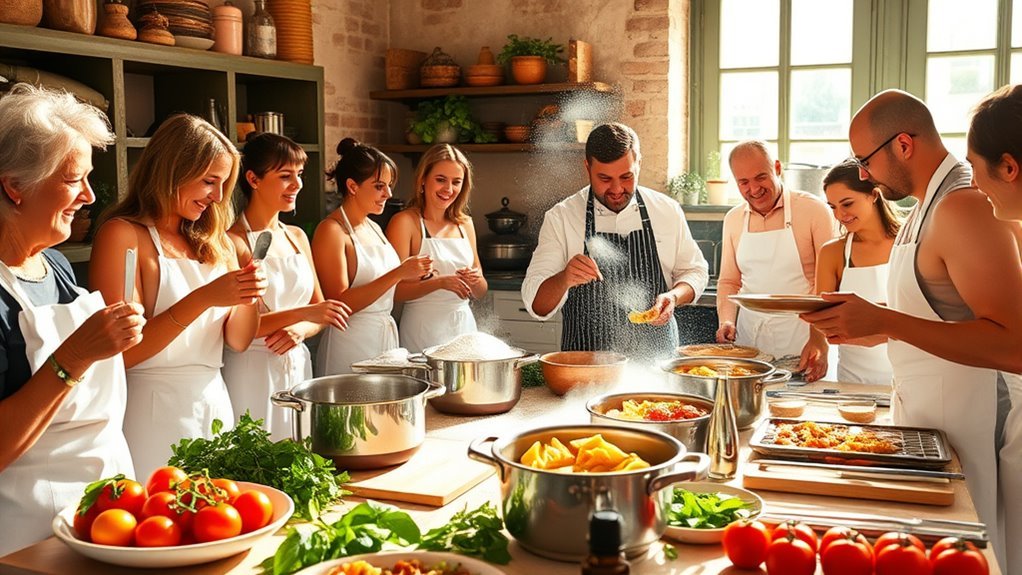
Enrolling in a cooking school in Rome allows you to step inside professional kitchens and historical residential venues. Beyond simply tasting traditional food, you learn the fundamental culinary science behind Italian gastronomy. Professional local chefs walk participants through the mechanics of gluten development, sauce emulsification, and ingredient balance using high-quality local produce.
Most workshops operate in central neighborhoods such as Trastevere, Near Piazza Navona, or the Jewish Ghetto. Duration generally ranges between 3 and 5 hours, fitting easily into a standard sightseeing itinerary. Many sessions include a market visit, allowing you to select fresh produce, regional cheeses, and cured meats directly from local purveyors.
Cooking classes also provide an authentic social environment. Small-group settings allow solo travelers, couples, and families to gather around a communal table to enjoy the multi-course meal they prepared, accompanied by regional Italian wines or prosecco.
Top Picks for Pasta-Making Classes
Pasta making is the flagship culinary experience in Rome. Hands-on classes focus on mixing soft wheat flour (Tipo 00) or semolina with fresh eggs or water to create doughs tailored for specific shapes like tagliatelle, fettuccine, ravioli, and gnocchi.
- Small Group 4-Course Meal Class ($161): A comprehensive culinary experience where participants prepare handmade pasta alongside classic starters, a meat or vegetable main course, and a traditional dessert.
- Gnocchi and Ravioli Class with Tastings ($105): A 4-hour session dedicated strictly to delicate filled pastas and potato gnocchi. You will learn shaping techniques, filling preparation, and sauce emulsification.
- Classic Roman Pasta Masterclass: Focused on mastering the classic “Four Roman Pastas”—Cacio e Pepe, Carbonara, Amatriciana, and Gricia—learning how to achieve smooth emulsion using pasta water, Pecorino Romano, and guanciale without clumping.
Pro Tip: When making traditional Roman pasta like Carbonara, never use cream or butter. The creamy texture comes entirely from the emulsification of egg yolks, rendered guanciale fat, finely grated Pecorino Romano cheese, and starchy pasta cooking water.
Products Worth Considering

【15-Piece Pasta Making Tools Set】This all-in-one pasta making kit includes a 50x40cm red silicone pastry mat, 1 pasta drying rack, 1 wooden gnocchi board, 1 plastic mold, 1 semi-circular dough scraper, and 3 dumpling tools. The homemade pasta tools also feature 3 rolling pins, 1 large square mold, 1 large round mold, 1 heart-shaped mold, and 1 small long cutter—everything you need in one pasta tools and accessories collection.

Pasta Making Tools Set: This Pasta making accessories set includes 1 ravioli maker press, 1 potato ricer, 2 pasta roller, 1 wooden pasta cutter, 1 ravioli rolling pin, 1 gnocchi board, 1 wood stick, 2 dough scraper and 3 pasta stamps, These pasta making tools can meet your needs for making various kinds of pasta

🍝 [ALL-IN-ONE PASTA MAKER KIT FOR HOME COOKING] Enjoy traditional cooking with a complete pasta maker kit designed for homemade meals. This 14-piece pasta making set includes 3 beech wood rolling pins (threaded, classic and thin), pasta drying rack, silicone pastry mat, gnocchi board, ravioli mould, dough whisk, pastry brush, rolling cutter wheel, 2 pasta stamps and 2 scrapers. A practical pasta making starter kit for families, beginners and anyone wanting hands-on pasta making without electric machines.
Must-Try Cooking Classes: Pizza-Making Experiences in Rome
Roman pizza differs significantly from its Neapolitan counterpart. While Neapolitan pizza features a soft, high-hydration crust with raised edges, traditional Roman pizza (Pizza Tonda Romana) is super-thin, crispy, and baked at precise temperatures.
In a Roman pizza-making workshop, local pizzaiolos teach you how to knead the dough, understand fermentation times, roll the base evenly, and apply sauce and toppings without overloading the crust. Many cooking schools feature traditional wood-burning or specialized high-heat stone ovens to replicate professional bakery results.
- Family-Friendly Pizza & Tiramisu Class (from €58): Designed for all ages, teaching participants dough stretching and dessert layering in an accessible format.
- Pizza and Pasta Combo Class (4.5 Hours): Combines dough stretching and baking with fresh pasta assembly for a full culinary deep dive.
Products Worth Considering

Kid-Sized, Real Cooking Tools: Includes everything kids need for authentic pizza-making. Features a pizza silicone mat, rolling pin, pizza cutter, oven mitts, chef hat, and fun stickers, empowering young chefs to create their own pizza masterpieces with safe, real tools.

Authentic Italian Pizza: Create restaurant-quality Italian pizza at home with Gusta’s meal kit, crafted with premium ingredients from Italy for an authentic taste experience.

Artigiani dei Sapori Pizza Gift Set: Create authentic Italian pizzas at home with our Pizza Gift Set, a complete pizza making kit meticulously curated by the renowned brand Artigiani dei Sapori.
Must-Try Gelato-Making Classes
Authentic Italian gelato differs from standard ice cream due to its lower fat content, lower overrun (air content), and warmer serving temperature, which creates a denser, more intense flavor profile. A 2-hour gelato-making workshop demonstrates how to balance sugar, water, milk, and natural fats without artificial stabilizers.
During these sessions, participants work with seasonal fruits, Italian hazelnuts, Bronte pistachios, and high-grade cocoa to craft seasonal gelato and sorbet blends.
| Class Duration | 1.5 to 2 Hours |
| Price Range | Starting at €60 per person |
| Skill Levels | Beginner to Advanced |
| Key Products Made | Fruit Sorbet, Cream-Based Gelato, Layered Tiramisu |
Family-Friendly Cooking Classes for Bonding
Cooking workshops are popular family activities in Rome. Interactive, tactile classes keep children engaged while teaching practical kitchen skills.
Cooking classes in Rome offer interactive, multi-generational experiences that introduce young travelers to fresh ingredients and traditional Italian culinary techniques.
- Interactive Pizza Kneading: Children get individual workstations to measure ingredients, knead dough, and select custom toppings.
- Dessert Assembly: Kid-friendly steps like whipping egg whites, dipping ladyfingers in non-alcoholic or cocoa liquids, and layering fresh tiramisu.
- Shared Family Meal: Concludes with a relaxed sit-down lunch or dinner where families enjoy their handiwork alongside soft drinks or regional wine for adults.
Cooking Classes With Market Tours
For a complete market-to-table culinary journey, select a class that includes a guided morning visit to a historic Roman produce market like Campo de’ Fiori or Mercato Trionfale.
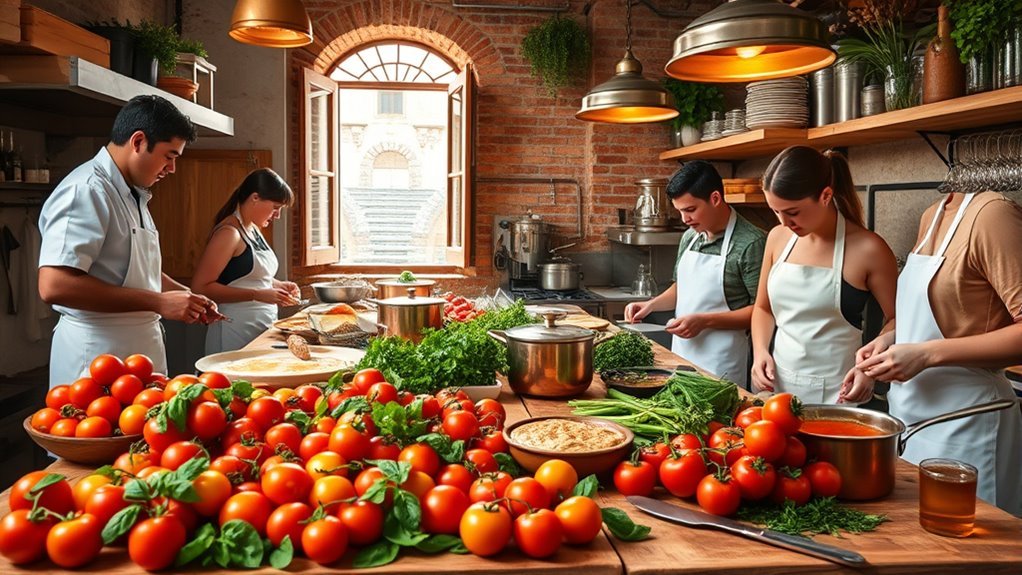
Led by the instructor, you will navigate stalls featuring fresh local produce, artisan cheese mongers, and cured meat butchers. You will learn how to select ripe San Marzano tomatoes, evaluate fresh herbs, and identify seasonal vegetables like Roman artichokes (Carciofi alla Romanesca). After gathering ingredients, the group returns to the kitchen studio to prepare a multi-course meal from scratch.
Seasonal Classes Featuring Local Ingredients
Traditional Roman cuisine is deeply rooted in cucina povera (rustic seasonal cooking). Menus fluctuate significantly throughout the year based on agricultural harvests across the Lazio region:
- Spring: Focuses on fresh broad beans (fave), Pecorino Romano cheese, tender zucchini flowers stuffed with mozzarella and anchovies, and braised globe artichokes (Carciofi alla Romana).
- Summer: Features vine-ripened tomatoes for fresh pomodoro sauce, aromatic basil pesto, caprese salads, and seasonal fruit sorbets like lemon or peach.
- Autumn & Winter: Centered on slow-simmered ragùs, wild mushrooms, pumpkin ravioli, and hearty soups like Pasta e Ceci (pasta and chickpeas).
Accommodating Dietary Restrictions in Rome
Italy has made major strides in accommodating special dietary requirements. Many top cooking schools offer dedicated options for celiac disease, dairy intolerances, and plant-based diets.
Note: If you require strict celiac-safe gluten-free preparations, confirm that the school operates a dedicated, cross-contamination-free secondary workstation or facility. Many top schools readily provide high-quality gluten-free flour blends made from rice and cornstarch.
Private Cooking Classes for Personalized Experiences
If you prefer an individualized pace or are celebrating a special occasion, private cooking classes provide dedicated access to a personal chef. Settings range from private apartments and historic 17th-century palazzos to rooftop terraces overlooking the Roman skyline.
Private sessions allow you to customize your menu completely—whether focusing strictly on advanced hand-shaped pasta like tortellini and agnolotti, learning regional fish preparation, or building a 100% plant-based Roman menu.
How to Choose the Right Class for You
When selecting a cooking workshop in Rome, consider your schedule, budget, skill level, and personal food interests.
Matching Your Interest
Identify whether you want to focus on a single specialty (such as pizza stretching or gelato churning) or prepare a multi-course meal that covers antipasti, pasta, main courses, and dessert.
Group Size Considerations
Class sizes vary from large interactive groups (15+ participants) down to intimate small-group workshops capped at 8 to 10 guests. Smaller groups ensure greater one-on-one instructional time with the chef and more hands-on access to equipment.
Matching Your Skill Level to the Right Workshop
Most introductory courses require no prior cooking experience. However, intermediate and advanced cooks should look for specialized courses that emphasize advanced techniques, such as laminated egg pasta dough, emulsion mechanics, or sourdough bread fermentation.
Where to Find the Best Cooking Class Resources
Selecting a verified platform ensures transparent reviews, secure booking, and clear cancellation policies.
Online Class Platforms
- EatWith: Connects travelers directly with local hosts and private chefs for intimate dining and home-based cooking experiences.
- Cookly: A global culinary travel portal offering detailed comparisons of cooking classes, market tours, and masterclasses across Rome.
- Cozymeal: Features vetted local culinary experiences, private chefs, and small-group cooking classes in central Rome.
Local Cooking Schools
Established local schools near Piazza Navona, Campo de’ Fiori, and the Pantheon offer specialized classroom facilities equipped with professional workstations, pasta machines, and high-heat pizza ovens.
Frequently Asked Questions
Is it worth doing a cooking class in Rome?
Yes. A cooking class provides practical skills you can use at home, offers an authentic look into Italian culinary tradition, and includes a full meal paired with wine, making it a valuable cultural and dining experience.
What are the best cooking classes in Rome for beginners?
Introductory hands-on pasta and tiramisu classes or 2-hour pizza-making workshops are ideal for beginners. Chefs guide you step-by-step through dough preparation and simple, delicious sauce making.
What is the average cost of a cooking class in Rome?
Prices generally range between €60 and $160 per person depending on duration, class size, included market tours, and whether the session is public or private.
How far in advance should I book a cooking class in Rome?
During peak travel seasons (April through October), top-rated small-group classes often sell out 3 to 6 weeks in advance. Early booking is strongly recommended.
Conclusion
Whether you choose to hand-shape egg pasta, stretch thin-crust Roman pizza, or tour historical markets like Campo de’ Fiori with a chef, a cooking class in Rome provides lasting memories and practical techniques you can bring back to your own kitchen. By choosing the right group size, menu focus, and location, you will enjoy an unforgettable taste of Italy’s vibrant food culture.
Sources
- Turismo Roma Official Tourism Portal — Information on municipal markets, food heritage, and historical districts.
- Italia.it Official Italian Tourism Board — Authentic regional culinary standards and Italian gastronomy travel guides.
- EatWith Community Listings — Culinary host profiles, group size data, and class options in Rome.
- Cookly Travel Portal — Pricing benchmarks, workshop formats, and market tour descriptions for Roman cooking schools.
