

Last Updated on September 11, 2026 by Logan Reeves
A bow sight should help you aim more consistently without making your setup harder to use. The best choice depends on whether you hunt, shoot 3D targets, practice at known distances, or want an electronic rangefinder built into the sight. This guide compares five popular options by aiming system, adjustability, durability, setup needs, and practical trade-offs.
Quick Answer
The Garmin Xero A1i is the strongest technology-focused choice, while the HHA Optimizer Tetra Tour suits shooters who want a precise mechanical slider. The Trophy Ridge Pursuit offers a simpler single-pin design, the AXCEL AccuTouch favors repeatable yardage stops, and the Spot Hogg Grinder MRT is built around rugged fixed pins.
Key Takeaways
- Choose a digital sight for integrated ranging, but check hunting regulations before using one in the field.
- Choose a movable single-pin sight for a clean sight picture and precise yardage changes.
- Choose a fixed multi-pin sight when fast shots at familiar distances matter more than a clean, single-pin view.
- Confirm right- or left-hand orientation, mount type, pin size, included accessories, and warranty terms before ordering.
Warning: Electronic bow sights are regulated or prohibited for hunting in some jurisdictions. Garmin specifically tells hunters to check the rules for the state or region where they plan to hunt. Always verify current regulations before buying or using the Xero in the field.
Disclosure: As an Amazon Associate I earn from qualifying purchases. Some links on this page are affiliate links, at no extra cost to you.
Top Picks
|
Category |
Product |
Best For |
|---|---|---|
|
🏆 Best Tech |
Integrated rangefinding and LED aiming |
|
|
🎯 Best Micro-Adjust |
Mechanical precision and slider control |
|
|
💰 Best Simple Single Pin |
Basic yardage adjustment and bright aiming |
|
|
⭐ Best Yardage Stops |
Repeatable mechanical distance settings |
|
|
🔰 Best Rugged Fixed Pin |
Hard hunting and familiar fixed yardages |
How We Chose
We compared the design and documented features of each sight rather than assigning unsupported laboratory scores. The main factors were aiming system, windage and elevation control, axis adjustment, sight-picture clarity, mounting needs, handedness, durability, battery dependence, warranty coverage, and the type of shooting each model suits.
We also checked official manufacturer pages and manuals where available. Exact bundles can vary by listing, especially for older or model-specific sights, so you should confirm pin size, pin count, scope, mount, dexterity, and included hardware on the current product page before ordering.
What to Look for in a Bow Sight
Aiming System
A digital auto-ranging sight can calculate distance and display an aiming point, but it adds electronics, batteries, setup steps, and possible legal limits. A movable single-pin sight gives you one clean aiming point that you dial to a chosen yardage. A fixed multi-pin sight keeps several common distances ready at once.
Windage, Elevation, and Axis Adjustment
Micro-adjust controls make small corrections easier and more repeatable. Second-axis adjustment helps level the sight when the bow is held upright, while third-axis adjustment becomes more important on steep uphill or downhill shots. A simple sight may be enough for level-range practice, but careful axis setup gives advanced shooters more control.
Pin Size and Brightness
A larger fiber-optic pin is easier to see in dim light, but it covers more of the target at longer distances. A smaller pin covers less of the target and can support precise aiming, but it may be harder to see at dawn, dusk, or against a dark background. Adjustable sight lights can help, though hunting rules may restrict electronic illumination in some places.
Mount, Handedness, and Clearance
Do not assume every sight fits every bow. Confirm whether the sight is right-handed or left-handed, whether it uses standard side-mount holes, a dovetail, Picatinny, or another system, and whether it clears your quiver, arrow rest, and bow case.
Pro Tip: If you are unsure about mounting, peep alignment, or second- and third-axis setup, use an experienced archery pro shop. Correct installation protects your equipment and gives you a better starting point for zeroing.
Garmin Xero A1i

The Garmin Xero A1i combines a laser rangefinder with an LED aiming system. After the sight is mounted and calibrated for your bow and arrow setup, it measures the target distance and projects an aiming point. Garmin lists dual-color LED pins, multiple arrow profiles, and Laser Locate functionality for the A1i model. Laser Locate works with compatible Garmin equipment to record a ranged location.
This is the most feature-rich option in the group, but it also requires the most careful buying decision. You need to confirm local hunting rules, choose the correct right- or left-hand model, learn the calibration process, and maintain battery power. It is best for a hunter who values fast integrated ranging more than the simplicity of a fully mechanical sight.
Common Review Themes
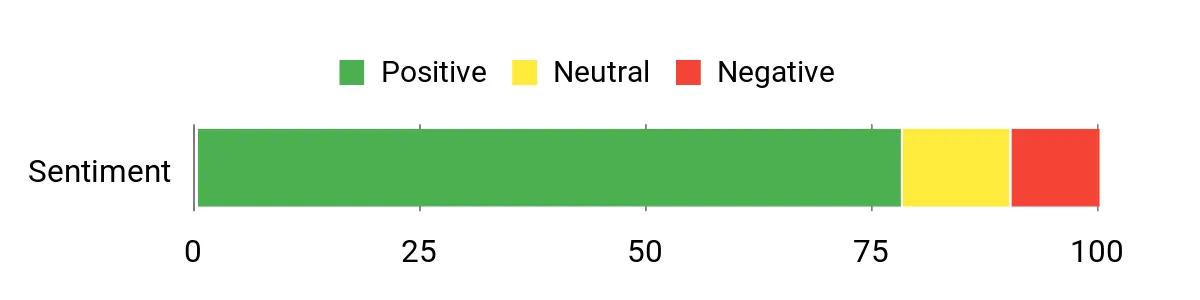
Common positive themes include the clear sight picture, fast ranging workflow, and reduced need to estimate distance separately. Critical themes often focus on cost, extra setup, battery dependence, added bulk, and the need to keep attention on the target while using the projected aiming point.
Overall Sentiment: Positive, with clear trade-offs
Versatility
The Xero A1i supports practice and hunting use, with manual range options available when you want a fixed distance. It is not the default choice for every competition format because equipment rules vary, and it is not designed for crossbows. Check the rules for your event or hunting area before relying on it.
Durability and Power
Garmin lists an IPX7 water rating, an operating range from -4°F to 140°F, and up to 25,000 laser ranges with replaceable AAA lithium batteries. Those ratings support outdoor use, but the sight is still a precision electronic device. Protect it during transport, inspect the mount after a hard impact, and carry fresh batteries on important trips.
Garmin rates the Xero A1 and A1i for up to 25,000 laser ranges, but battery condition, temperature, and use patterns can affect real-world performance.
Key Benefits
- Integrated laser ranging and projected LED aiming point
- Dual-color LED pins on the A1i model
- Multiple arrow profiles for different calibrated setups
- Laser Locate support with compatible Garmin devices
- Manual range mode for a selected known distance
Best For: Hunters who want integrated ranging and are allowed to use an electronic sight where they hunt.
HHA Optimizer Tetra Tour

The linked HHA Optimizer Tetra Tour is described as a mechanical movable sight built around fine windage control, smooth elevation travel, sight tapes, and second- and third-axis adjustment. It suits shooters who prefer a tactile slider and want to dial a single aiming point to a known distance.
Compared with the Garmin, it avoids an electronic ranging system and its legal or battery concerns. The trade-off is that you must know or measure the distance, set the pointer correctly, and build a reliable sight tape for your bow and arrow combination.
Common Review Themes
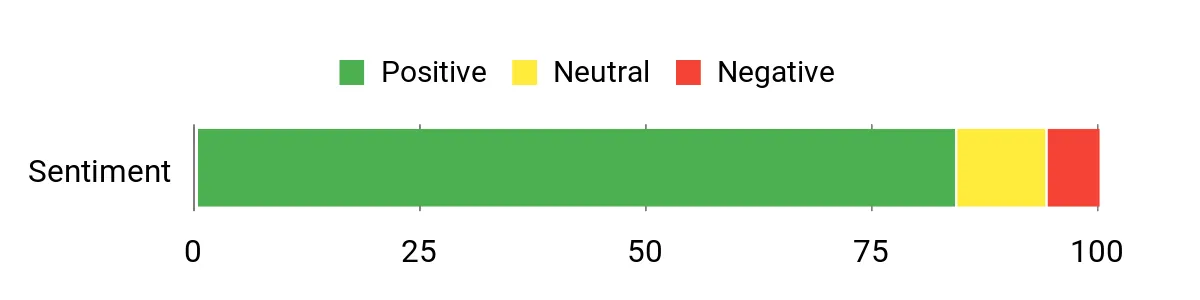
Positive themes usually focus on solid construction, smooth movement, repeatable adjustment, and a clean single-pin view. The main learning curve is setting up the correct sight tape and becoming comfortable moving the sight without losing track of the current yardage.
Overall Sentiment: Positive
Versatility
This sight can work for hunting, 3D practice, and range sessions when a movable single pin is allowed. Its accessory support gives experienced shooters room to change scopes, lights, or other setup details, but you should confirm exactly what the linked package includes.
Durability and Warranty
HHA publishes instructions for the Tetra family and states that its products carry a 100% lifetime warranty for the life of the original owner. The company also warns that modification or disassembly can void coverage, so follow the official instructions and warranty terms.
Key Benefits
- Mechanical single-pin slider with fine windage control
- Second- and third-axis adjustment
- Sight-tape system for repeatable yardage settings
- Accessory support for different shooting setups
- Lifetime warranty for the original owner under HHA terms
Best For: Shooters who want a premium mechanical slider and are willing to build and verify a sight tape.
Trophy Ridge Pursuit
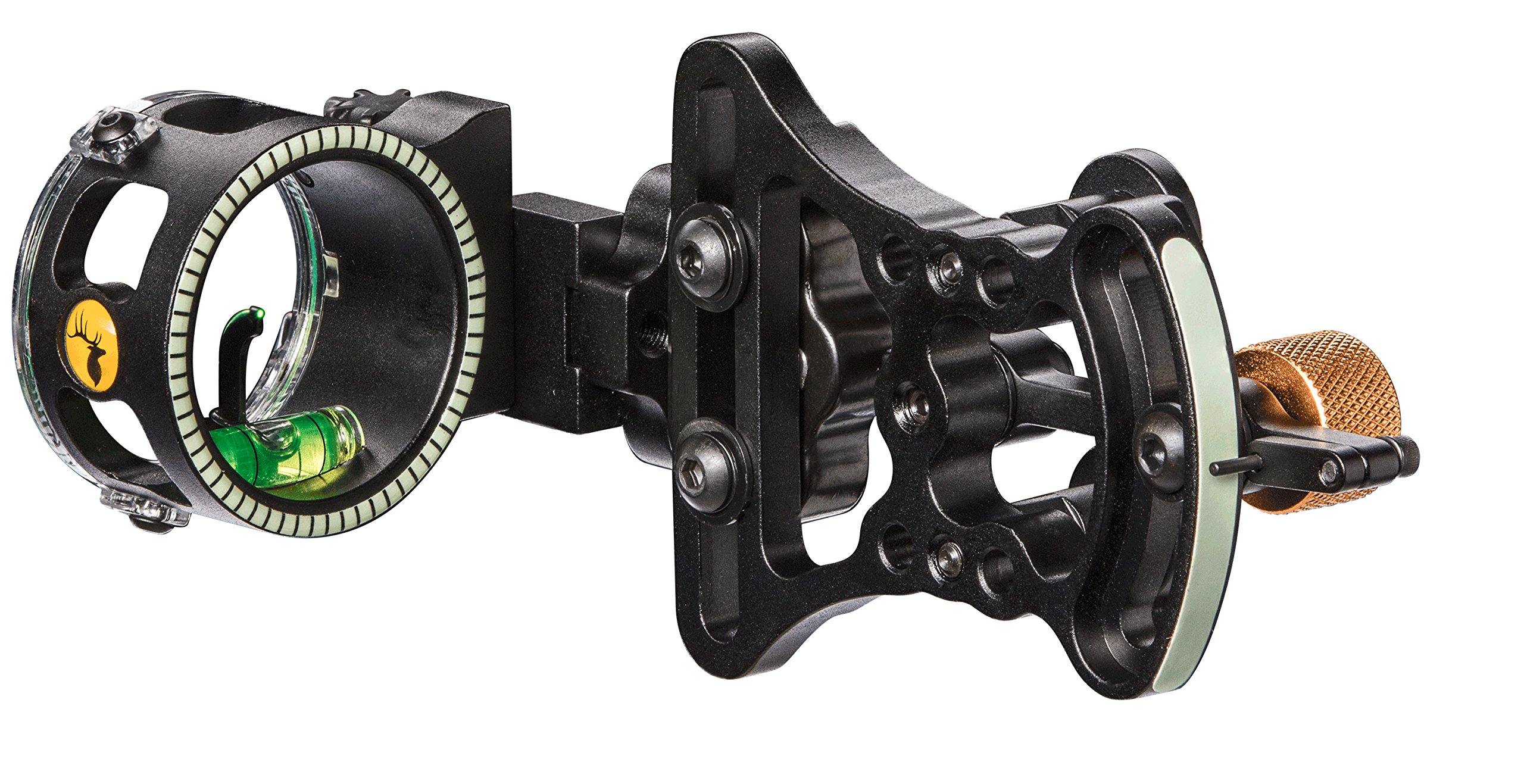
The linked Trophy Ridge Pursuit configuration is described as a simpler movable single-pin sight with a bright .019-inch vertical fiber-optic pin, adjustable sight light, glow ring, and smooth vertical movement. It gives you a clean aiming view without the extra controls found on more expensive slider sights.
This model makes sense for a recreational shooter or hunter who wants a basic single pin and is comfortable marking and checking yardages. It is less suitable for someone who wants tool-free micro-adjust controls, an advanced sight-tape system, or full axis features.
Common Review Themes
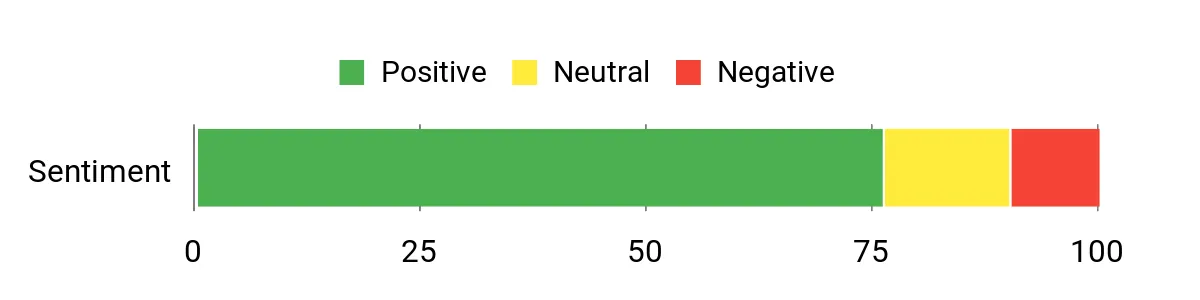
Positive themes focus on visibility, simple operation, and a lighter, less complicated setup. Critical comments usually point to the basic adjustment system and the need to spend time creating accurate yardage marks.
Overall Sentiment: Positive for a basic design
Versatility
The Pursuit is best for known-distance practice and hunting situations where you have time to set the pin. A movable single pin can be slower than fixed pins when the target changes distance quickly, so practice ranging and setting the sight before using it in the field.
Durability and Warranty
The sight uses an aluminum construction, but it is a simpler model rather than a heavy-duty premium system. Trophy Ridge provides a limited lifetime warranty to the original owner for defects in materials and workmanship. Fiber-optic breakage, abuse, alteration, and improper installation are excluded under the published terms.
Key Benefits
- Listed .019-inch vertical fiber-optic pin
- Adjustable rheostat sight light and glow ring
- Clean single-pin sight picture
- Smooth vertical yardage movement
- Straightforward layout for shooters who prefer simplicity
Best For: Buyers who want a simple movable single pin without advanced electronics or premium controls.
AXCEL AccuTouch Carbon Pro

The AXCEL AccuTouch platform is designed for shooters who want a movable sight with repeatable mechanical yardage stops. Its Accu-Click system lets you set selected positions on the elevation slider, while the windage lock helps prevent accidental movement after adjustment.
This design can feel faster than reading a free-moving pointer each time because you can return to familiar stops. The exact AccuTouch package, scope, pin, and mount can vary, so verify the linked configuration instead of assuming every AccuTouch includes the same parts.
Common Review Themes
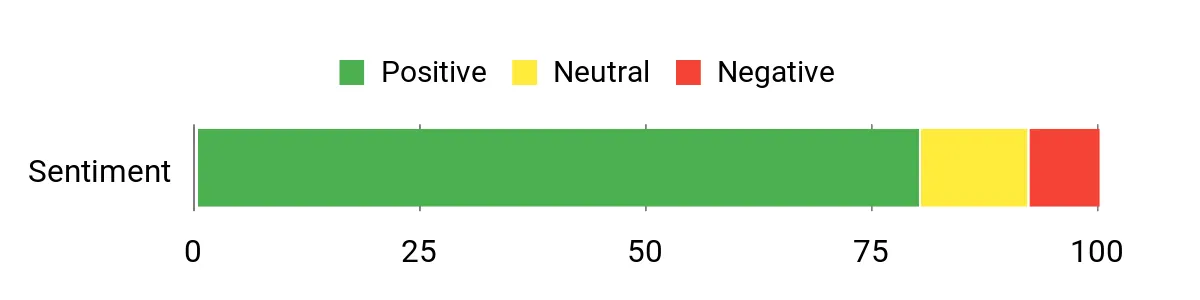
Positive themes center on repeatable clicks, a clear yardage scale, solid controls, and accurate windage adjustment. The main drawback is setup time because each stop must be placed and checked against your actual bow and arrow combination.
Overall Sentiment: Positive
Versatility
The AccuTouch fits shooters who move between hunting practice, 3D courses, and known-distance range work. It gives a single-pin shooter several repeatable reference points without adding a digital rangefinder.
Durability
AXCEL describes the AccuTouch with a windage dovetail designed to reduce backlash, a push-button windage lock, and an elevation system that stays captured at the end of its travel. These are useful mechanical safeguards, but the sight still needs protection from hard impacts and loose mounting hardware.
Key Benefits
- Accu-Click system for repeatable yardage stops
- Angled sight scale for easier reading
- Windage lock to protect the chosen setting
- Micro-adjust windage with low backlash
- Support for different AXCEL scope configurations
Best For: Shooters who want a mechanical slider with preset, repeatable distance stops.
Spot Hogg Grinder MRT
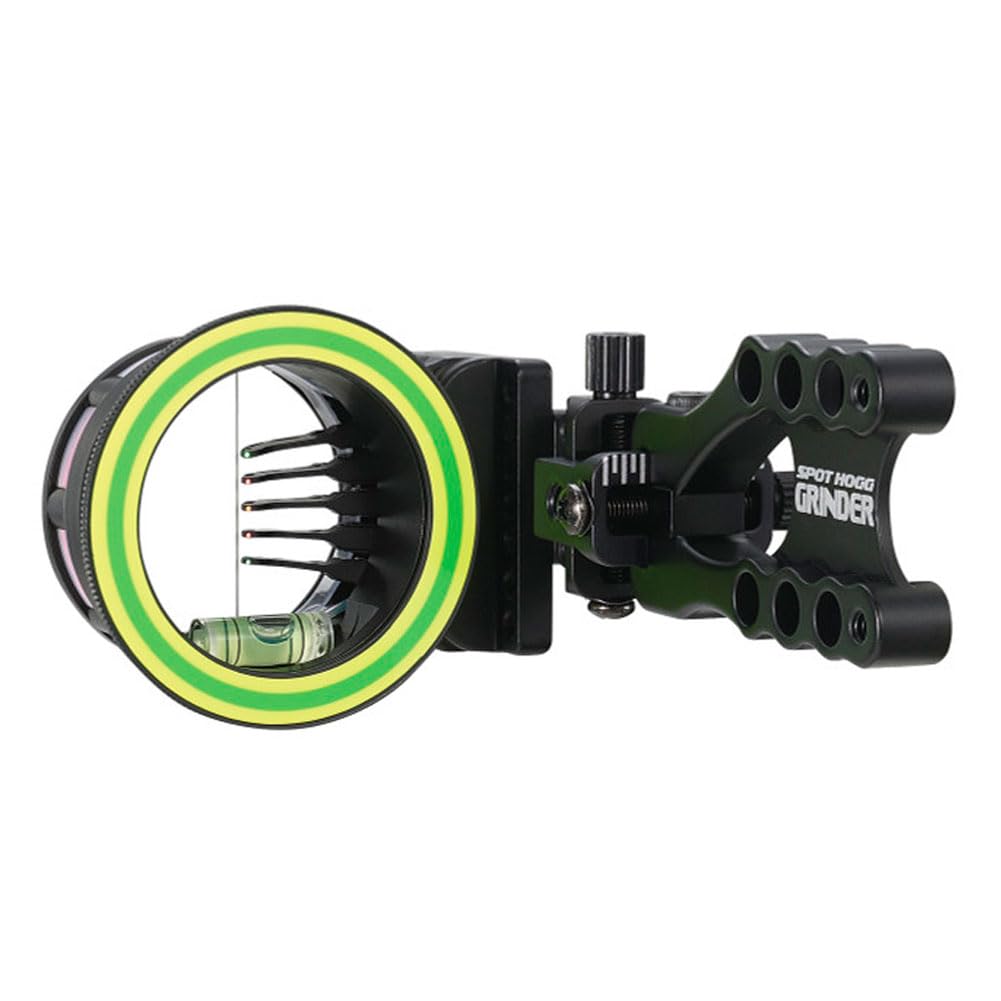
The Spot Hogg Grinder MRT is a compact fixed-pin hunting sight. Spot Hogg describes the line as a set-it-and-forget-it design made from solid 6061 aluminum, with simple gang adjustments and versions offered with or without gang micro-adjustment.
A fixed-pin layout gives you immediate reference points at common yardages, so you do not need to move a slider before a quick shot. The trade-off is a busier sight picture, and the linked listing may use a specific pin count or pin diameter that differs from other Grinder MRT configurations.
Common Review Themes
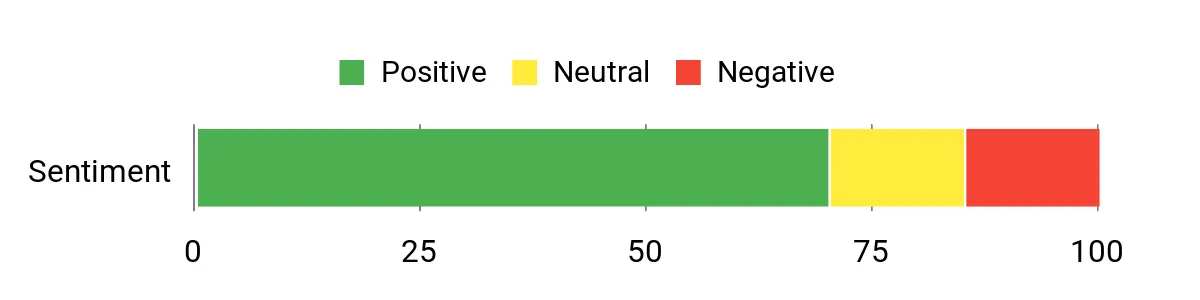
Positive themes focus on solid construction, stable zero, fast access to familiar yardages, and a compact shape. Critical comments tend to describe it as intentionally simple compared with feature-heavy slider or electronic sights.
Overall Sentiment: Positive
Versatility
The Grinder MRT is aimed at hunters who practice with fixed yardages and want quick pin selection. It can also serve for range practice, but target shooters who want a clean single-pin view or frequent distance changes may prefer a slider.
Durability
The official Grinder page lists a rugged compact design, solid 6061 aluminum construction, and simple gang adjustments. Those features reduce complexity and support hard field use. Check the exact model for micro-adjust capability because Spot Hogg sells several Grinder MRT configurations.
Key Benefits
- Solid 6061 aluminum construction
- Fixed pins for immediate common-yardage references
- Compact, hunting-focused design
- Available in several pin counts and pin diameters
- Versions offered with or without gang micro-adjustment
Best For: Hunters who want a rugged fixed-pin sight with fewer moving parts.
How to Match the Sight to Your Shooting Style
- Whitetail or close-range hunting: A fixed multi-pin sight can be fast when game moves between familiar yardages.
- Open-country hunting: A well-practiced slider can give a clean aiming point across a wider range of distances.
- Technology-focused hunting: The Garmin can combine ranging and aiming, but only where legal.
- 3D and varied-distance practice: The HHA or AXCEL gives repeatable mechanical distance control.
- New single-pin user: The Trophy Ridge Pursuit keeps the system simple, but you must practice moving and confirming the yardage.
Mounting, Zeroing, and Maintenance Basics
- Confirm compatibility: Check handedness, mount pattern, riser clearance, quiver clearance, and the included hardware.
- Mount to the specified torque: Follow the sight and bow manufacturer instructions. Do not guess or overtighten.
- Set the first known distance: Start close enough to stay safely on the target, then establish the main reference distance recommended by the sight maker.
- Adjust windage and elevation: Move the sight in the direction of the arrow group, using small changes and several-shot groups.
- Verify more than one distance: A single correct mark does not prove the full tape, pin set, or digital calibration.
- Check axis settings: Confirm second and third axis if the sight provides them, especially before shooting steep angles.
- Inspect before use: Check fasteners, fibers, light, level, batteries, tape pointer, and zero after transport or a hard impact.
Note: Never copy another archer’s sight tape, pin gaps, or digital profile. Arrow speed, draw weight, draw length, peep height, anchor point, and arrow setup can change the correct marks.
Frequently Asked Questions
Are digital bow sights better than mechanical sights?
Digital sights can combine ranging and aiming, which reduces the need to use a separate rangefinder. Mechanical sights avoid battery dependence and can be simpler to maintain. The better choice depends on local rules, your shooting style, and whether you prefer automatic distance support or direct mechanical control.
Is a single-pin or multi-pin bow sight better?
A single pin gives a cleaner sight picture and can be set to many distances, but you may need to move it before the shot. A multi-pin sight gives instant references for common yardages, but several pins can make the sight picture busier. Choose based on how quickly your target distance changes.
Are Garmin Xero bow sights legal for hunting?
They are legal in many places, but some jurisdictions regulate or prohibit electronic bow sights, rangefinding sights, or illuminated aiming systems. Rules can change by state, province, country, season, species, or equipment class. Check the current official hunting regulations for the exact place and season before use.
What pin size should I choose?
A .019-inch pin is easier to see and works well for many hunting setups. A .010-inch pin covers less of the target at longer distances, which can support precise aiming, but it may be harder to see in low light. Consider your eyesight, typical distance, target size, and legal light rules.
Will any bow sight fit my compound bow?
No. Many sights use common side-mount holes, but orientation and mount systems still vary. Confirm right- or left-hand design, standard mount or dovetail type, Picatinny or integrated-riser compatibility, quiver clearance, and whether the sight housing aligns with your peep.
How often should I recheck my bow sight?
Check fasteners, level, pins, pointer, batteries, and zero before the season, after transport, after a hard impact, and whenever arrow or bow setup changes. Verify at several distances instead of checking only the closest pin or mark.
Customer Preferences
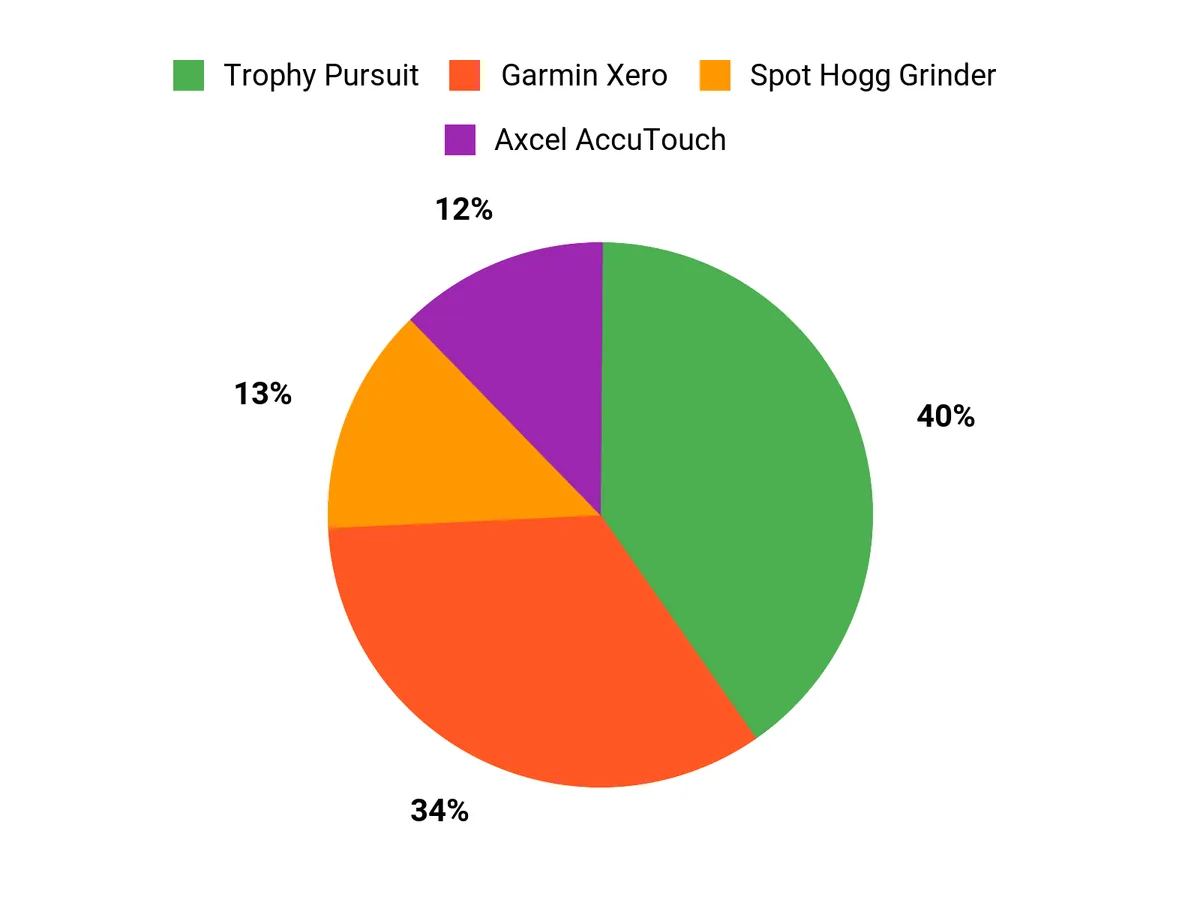
The Garmin Xero A1i appeals to buyers who want technology and integrated ranging. The HHA Optimizer Tetra Tour and AXCEL AccuTouch suit shooters who enjoy precise mechanical setup and repeatable yardage control. The Trophy Ridge Pursuit fits buyers who want a simpler movable pin, while the Spot Hogg Grinder MRT favors hunters who want rugged fixed pins and fast reference points.
Wrapping Up
The best bow sight is the one that matches your normal shot process. Choose the Garmin Xero A1i when legal integrated ranging is the main priority. Choose the HHA Optimizer Tetra Tour for a refined mechanical slider, the Trophy Ridge Pursuit for a simpler single pin, the AXCEL AccuTouch for repeatable click stops, or the Spot Hogg Grinder MRT for rugged fixed pins.
Before ordering, verify the exact model, handedness, mount, pin size, pin count, included accessories, and current warranty terms. After installation, build your own marks or calibration, confirm them at several distances, and recheck zero whenever your bow or arrow setup changes.
| Product Name | Image | Best For | Aiming System | Check Before Buying |
|---|---|---|---|---|
| Garmin Xero A1i Bow Sight |
|
Integrated ranging and LED aiming | Auto-ranging digital pins | Local legality, handedness, battery needs, and mount compatibility |
| HHA Optimizer Tetra Tour 5519 |
|
Mechanical slider precision | Movable single pin with sight tape | Scope size, pin size, handedness, bar type, and included accessories |
| Trophy Ridge Pursuit Single Pin Bow Sight |
|
Simple movable-pin use | Movable .019-inch single pin | Handedness, yardage marking method, light rules, and adjustment range |
| AXCEL AccuTouch Carbon Pro Sight |
|
Repeatable yardage stops | Movable sight with Accu-Clicks | Exact scope, pin, mount, handedness, and package contents |
| Spot Hogg Grinder MRT |
|
Rugged fixed-pin hunting | Fixed multi-pin | Pin count, pin diameter, handedness, and micro-adjust version |
Sources
- Garmin Xero A1i product page: official A1i features, model choices, and hunting-regulation warning.
- Garmin Xero A1/A1i owner’s manual: calibration, use, battery, water rating, operating range, and maintenance.
- HHA Sports: official product support and original-owner lifetime warranty terms.
- Trophy Ridge warranty: official coverage, exclusions, and installation guidance.
- AXCEL AccuTouch product page: official Accu-Click, windage, and scope-system details.
- Spot Hogg Grinder page: official configurations and hunting-focused design information.
This roundup is reader-supported. When you click through affiliate links, we may earn a commission on qualifying purchases at no extra cost to you.
