
Last Updated on July 24, 2026 by Daniel Globe
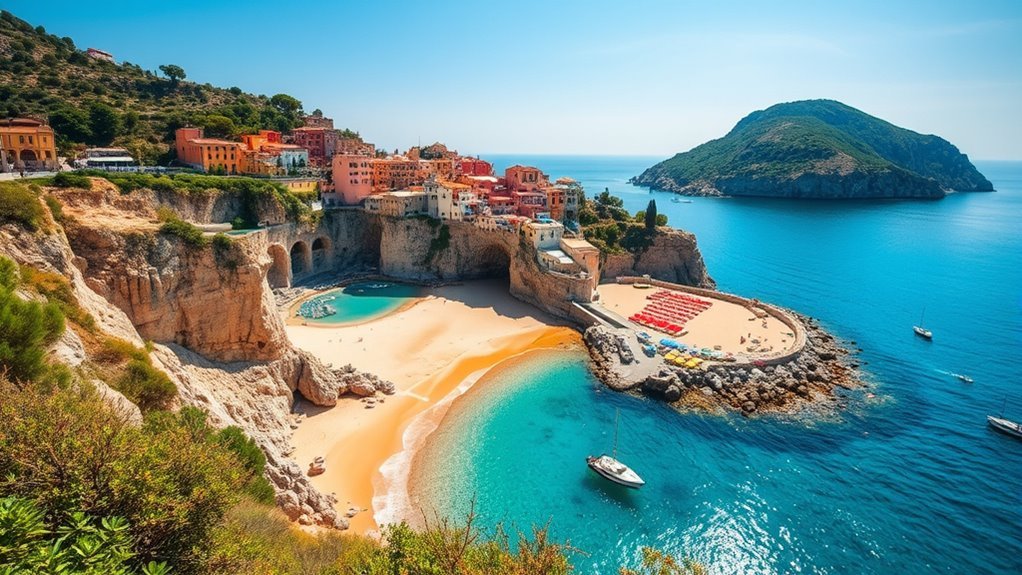
Campania’s coastline includes sandy family beaches, volcanic island shores, tiny pebble coves, rocky swimming spots, and boat-access retreats. The right choice depends on where you are staying, how much walking you can manage, and whether you want facilities or a quieter natural setting. This guide compares the best beaches in Campania across Bacoli, Procida, the Sorrento Peninsula, the Amalfi Coast, and Cilento.
Quick Answer
For sand and easy family swimming, consider Miliscola, Marina di Vico, Chiaiolella, Acciaroli, Marina di Ascea, or Trentova. Choose Furore, Marina di Praia, Cala Bianca, Crapolla, or Punta Licosa for dramatic scenery and a more adventurous approach. Always verify access, weather, and bathing-water notices before leaving.
Key Takeaways
- Campania’s easiest sandy beaches are generally found around Bacoli, Procida, Vico Equense, and Cilento.
- Many Amalfi Coast swimming spots have pebbles, rocks, long staircases, or boat-only access.
- Gaiola requires advance booking during the summer access period, while other beaches may have changing seasonal restrictions.
- Water shoes are useful at Furore, Marina di Praia, Recommone, Punta Licosa, and other rocky or pebble beaches.
- Check current bathing-water results, weather warnings, municipal orders, and transport schedules on the day of your visit.
Disclosure: As an Amazon Associate I earn from qualifying purchases. Some links on this page are affiliate links, at no extra cost to you.
Best Beaches in Campania for a Summer Escape
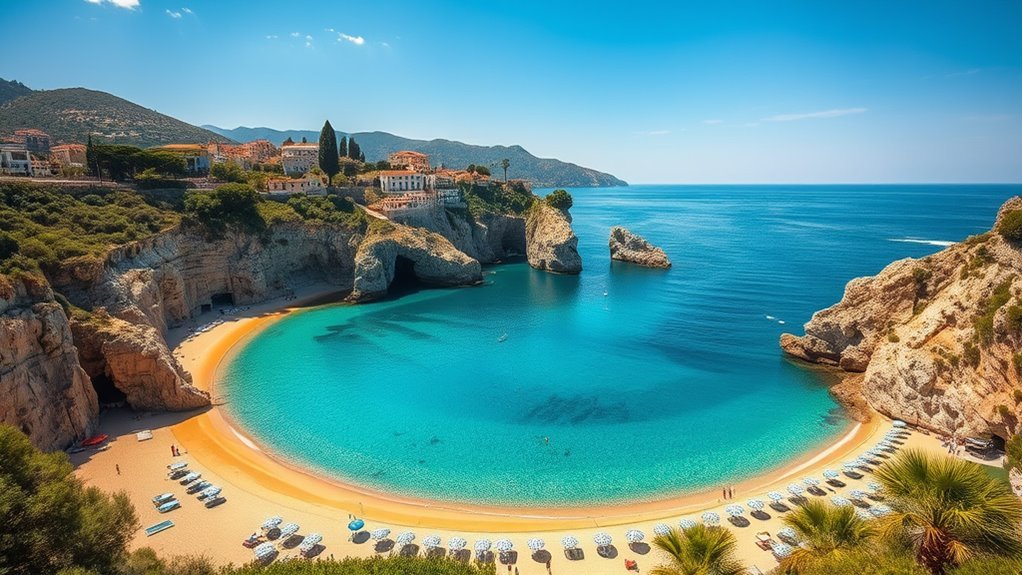
The best beaches in Campania are spread across several distinct coastal areas. Bacoli and Procida are convenient for travelers based near Naples. Vico Equense, Sorrento, and Massa Lubrense combine beaches with easy sightseeing. The Amalfi Coast has the most dramatic cliffs but often requires steps or boat transfers. Cilento offers longer sandy beaches, protected coastal landscapes, and more room than the busiest resort towns.
| Beach | Area | Surface | Best for | Access notes |
|---|---|---|---|---|
| Miliscola | Bacoli | Sand | Families and traditional beach days | Busy roads and parking in summer |
| Marina di Vico | Vico Equense | Sand | Swimming, restaurants, and views | Road and seasonal bus access |
| Chiaiolella | Procida | Sand | Families and island sunsets | Popular and busy in high season |
| Fiordo di Furore | Amalfi Coast | Pebbles and stones | Photography and dramatic scenery | Very small; verify current access |
| Arienzo | Positano | Pebbles | Sun, scenery, and beach clubs | About 300 steps or boat access |
| Acciaroli | Cilento | Sand | Families and longer beach stays | More practical with a car |
| Cala Bianca | Marina di Camerota | White pebbles and rocks | Hiking, boats, and clear water | Reach by trail or sea |
| Bay of Trentova | Agropoli | Sand and mixed sections | Families and snorkeling | Arrive early during summer |
Warning: A beach’s general reputation does not guarantee safe conditions on the day you visit. Check the ARPAC bathing-water map, local weather warnings, posted flags, lifeguard instructions, and municipal closure notices before entering the sea.
Miliscola Beach in Bacoli
Miliscola is one of the most practical sandy beaches west of Naples. Its broad shoreline faces the Gulf of Pozzuoli and offers both free sections and managed lidos. The combination of sand, open views, nearby food, and relatively straightforward road access makes it suitable for a traditional full-day beach visit.
The area becomes crowded on hot weekends, and parking near the waterfront can fill early. Bacoli sometimes operates seasonal shuttle services to Miliscola and Miseno, so check the Comune di Bacoli before driving.
Schiacchetiello is another attractive Bacoli swimming spot, but it is a small rocky cove rather than a Cilento beach. It suits travelers seeking clear water and coastal scenery more than those wanting a wide sandy shore.
Pro Tip: Reach Miliscola early on summer weekends. Use public transport or a municipal shuttle when available instead of depending on waterfront parking.
Marina di Vico Beach in Vico Equense
Marina di Vico combines a sandy beach, restaurants, beach clubs, and views toward Castello Giusso, Mount Vesuvius, and the surrounding coastline. Official Vico Equense tourism information also notes freshwater springs in the beach area and seasonal bus connections from the town center.
Scenic Beachfront Views
The coastal road provides views of Castello Giusso before reaching the old marina. From the shore, you can also see Scoglio della Tartaruga and Scoglio della Margherita. Scoglio della Tartaruga means Turtle Rock; it should not be confused with a separate offshore beach called Turtle Beach.
Facilities and Access
Marina di Vico works well when you want a beach that does not require a long hike or boat transfer. You can swim, rent equipment from a beach club, or use an available free section before eating in the marina village.
| What you will find | Why it matters |
|---|---|
| Sandy beach | More comfortable for lounging than a rocky cove |
| Restaurants and lidos | Useful for a full day by the sea |
| Seasonal bus service | Helps visitors avoid limited parking |
| Castle and rock views | Adds visual interest to the beach setting |
Confirm current bus times and beach services through Vico Equense’s official tourism site.
Chiaiolella Beach on Procida
Chiaiolella is one of Procida’s longest and most popular shorelines. Its sandy beach, gently sloping seabed, nearby establishments, and views toward Vivara and Ischia make it one of the island’s strongest choices for families.
Scenic Island Setting
The beach lies close to Marina Chiaiolella, where restaurants, small boats, and waterfront buildings create a lively island setting. Two distinctive tuff formations separate the Chiaiolella and Ciraccio beach areas, while Vivara appears across the water.
Sand, Shallow Water, and Facilities
The shallow nearshore water can suit children and less-confident swimmers when the sea is calm. However, shallow water does not replace adult supervision or attention to weather and posted warnings. The beach has both serviced areas and places where availability may vary by season.
Atmosphere and Crowds
Chiaiolella has authentic island character, but it is not consistently secluded. It is one of Procida’s busiest beaches during summer. Visit earlier in the morning or outside peak July and August weekends for a calmer experience.
See the official Procida visitor guide for current island information.
Fiordo di Furore on the Amalfi Coast
Fiordo di Furore is a narrow coastal inlet beneath a high road bridge and steep rock walls. Its compact pebble-and-stone beach is visually dramatic, but it is not a broad sandy place for a conventional resort day.
- Photograph the inlet from an authorized viewpoint without stopping on the road.
- Wear water shoes for the stony shore and seabed.
- Expect limited space and periods of shade beneath the cliffs.
- Check local access notices before traveling specifically to swim.
The beach may be affected by maintenance, filming, weather, falling-rock precautions, or other temporary restrictions. Never climb barriers or walk along unsafe sections of the Amalfi Coast road to reach a viewpoint.
Note: Fiordo di Furore is best chosen for its unusual landscape. Marina di Praia, Arienzo, or a larger town beach may be more comfortable when your priority is a full day of swimming and sunbathing.
Santa Maria di Castellabate Beach
Santa Maria di Castellabate has sandy sections, a waterfront village, restaurants, and access to the wider Cilento coast. It is a practical choice for families who want beach time without hiking to a remote cove.
The surrounding marine environment forms part of the Santa Maria di Castellabate Marine Protected Area, established in 2009. The wider Cilento and Vallo di Diano landscape is also recognized by UNESCO, although that designation applies to the broader cultural landscape rather than to one individual beach.
Some parts of the local seabed contain ecologically important Posidonia seagrass. Do not remove marine plants, shells, rocks, or wildlife, and follow any anchoring, fishing, or snorkeling restrictions posted within protected zones.
Best Sorrento Peninsula Beaches
The Sorrento Peninsula has attractive swimming spots, but many are smaller, rockier, or more access-sensitive than the long sandy beaches of Cilento. Choose based on transport, walking ability, and whether you prefer a village waterfront or a natural cove.
On the Sorrento Peninsula, the easiest beach is not always the most scenic, and the most scenic cove is rarely the easiest to reach.
- Marina Grande in Sorrento: Best for a historic fishing-village atmosphere, waterfront restaurants, and easy access from central Sorrento. The shore is compact and can become busy.
- Marina di Puolo: A village beach between Sorrento and Massa Lubrense with mixed sand and pebbles, restaurants, and generally convenient family facilities.
- Bagni della Regina Giovanna: A rocky natural swimming basin beside archaeological remains. Reach it on foot and wear sturdy footwear. It is unsuitable for strollers and difficult for visitors with limited mobility.
- Scrajo: A Vico Equense seaside area known for pebble sections and sulfurous water facilities. Check current opening and access arrangements before visiting.
- Recommone: A pebble beach in Massa Lubrense, not on the Amalfi Coast. It can be approached from Marina del Cantone or by sea, depending on current path and service conditions.
- Crapolla Cove: A remote inlet reached by a demanding descent from Torca or by sea. Bring water, wear suitable shoes, and remember that the climb back is strenuous.
Bagni della Regina Giovanna and Crapolla are natural sites rather than fully serviced beaches. Bring only what you can carry out, and do not leave rubbish beside bins or on the shore.
Hidden Amalfi Coast Beaches
The Amalfi Coast’s quieter beaches are usually small pebble coves beneath steep cliffs. Some require long staircases, while others are easiest or only possible to reach by boat. They can feel peaceful early in the day, but no famous Amalfi Coast beach is guaranteed to remain uncrowded in summer.
Secluded Coastal Coves
- Marina di Praia: A narrow pebble beach between cliffs near Praiano. It is reached from the coastal road by a descending access route and has seasonal restaurants and boat activity.
- Arienzo Beach: A Positano cove known as the beach of roughly 300 steps. You can descend from the road or use an authorized boat service. The beach includes managed facilities and a free section.
- Santa Croce Beach: A small beach west of Amalfi that is reached only by sea. Confirm return-boat arrangements before settling in for the day.
- Fiordo di Furore: A tiny, dramatic inlet that is better for a brief scenic visit than a spacious beach day.
Scenic Beaches Near the Amalfi Coast
Arienzo receives sun later into the afternoon than many cliff-shadowed coves, but the staircase is demanding. Santa Croce offers a stronger sense of separation from the road because it is boat-access only. Marina di Praia has a distinctive fishing and boating atmosphere, though its narrow setting limits beach space.
Spiaggia di Recommone is sometimes grouped loosely with Amalfi Coast recommendations, but it belongs to Massa Lubrense on the Sorrento Peninsula. It has pebbles rather than golden sand and sits within the Punta Campanella coastal environment.
Pro Tip: Confirm the last return boat before visiting a boat-access beach. Private shuttles may be reserved for beach-club or restaurant customers and should not be assumed to operate for every visitor.
Best Beaches in Cilento
Cilento is the strongest part of Campania for travelers seeking longer sandy shores, nature reserves, and less vertical terrain than the Amalfi Coast. The region extends across a large area south of Salerno, so a car is useful unless you stay close to your chosen beach town.
- Acciaroli Grande: A broad sandy beach with generally shallow nearshore water and a village close by. It is well suited to families and longer beach stays.
- Marina di Ascea: A long sandy shore with room to walk, swim, and spread out. Facilities and free sections vary along the waterfront.
- Cala Bianca: A small white-pebble cove in the Costa degli Infreschi e della Masseta Marine Protected Area. Reach it by hiking trail or authorized boat service.
- Punta Licosa: A quiet landscape of rocky beaches, clear seabeds, pine trees, and protected water. Road access is restricted, so most visitors arrive by path or sea.
- Bay of Trentova: A scenic bay near Agropoli with shallow nearshore areas, sandy and mixed sections, and conditions that often suit families and casual snorkeling.
Cala Bianca and Punta Licosa require more preparation than a town beach. Bring water, sun protection, suitable footwear, and a bag for all your rubbish. Mobile coverage and services may be limited in secluded areas.
The wider Cilento and Vallo di Diano National Park is a UNESCO-listed cultural landscape and includes protected terrestrial and marine environments. Respect marked paths and marine-area regulations instead of treating remote coves as unrestricted spaces.
Gaiola Beach and Other Naples-Area Swimming Spots
Gaiola lies inside the Gaiola Underwater Park, where archaeological remains and marine habitats are protected together. During the summer access period, entry to the public bathing area requires an online reservation for a morning or afternoon session. Capacity is limited, and every visitor must follow the park’s environmental rules.
Disposable containers, fishing, removing organisms or archaeological material, and leaving waste are prohibited. Visitors must also leave when their booked session ends. Review the current rules and reserve through the Gaiola Underwater Park.
Gaiola is a strong choice for travelers who want protected scenery and snorkeling interest, but it is less spontaneous than Miliscola because entry is controlled. Schiacchetiello in Bacoli offers another scenic Naples-area option, though its rocky setting and limited space make it different from a sandy family beach.
How to Plan a Campania Beach Day
Products Worth Considering

Recommended 1: CONVENIENCE - Smooth neck design prevents chafing when wearing our water shoes. It is convenient to wear and take off.

All-round Protection: ATHMILE water shoes for women men use thick rubber soles and a toe cap keep your feet completely protected from sharp objects and provide great cushioning. These swim shoes with new non-slip treads provide exceptional grip even in slippery conditions. This barefoot shoes women men makes it a great choice for outdoor sports or camping accessories cruise vacation essentials travle gear must haves, also like beach fashionswimming, hiking, kayaking ect

QUICK-DRYING COMFORT-these water shoes will dry out very fast with great airflow for a cool dry comfort thanks to the quick-drying material.
Choose the Right Season
July and August bring the warmest beach atmosphere but also the largest crowds, highest accommodation demand, and heaviest coastal traffic. Late May, June, September, and early October can provide a more relaxed visit, although sea temperatures, ferry frequency, lifeguard coverage, and beach-club services vary.
Understand Free Beaches and Lidos
A spiaggia libera is a free public beach section where you normally bring your own towel and shade. A lido or stabilimento balneare is a managed concession offering paid sunbeds, umbrellas, changing areas, restaurants, or other facilities. Some beaches contain both types of areas.
Do not assume that a beach-club boat, restroom, shower, or chair is available to the public without payment or a reservation. Ask about the full price and included services before entering a managed area.
Pack for Sand, Pebbles, and Steps
- Bring water shoes for pebble and rocky beaches.
- Use a compact bag when reaching beaches by stairs or trail.
- Carry drinking water, especially for Crapolla, Cala Bianca, and Punta Licosa.
- Use reef-conscious sun protection and avoid leaving any packaging behind.
- Download tickets, maps, and return schedules before leaving reliable mobile coverage.
Check Water and Weather Conditions
Campania’s regional environmental agency publishes classifications and in-season test results for designated bathing waters. A region-wide quality percentage does not tell you whether one specific beach is open after heavy rain, a sewage incident, rough weather, or a municipal safety order.
Check the individual location on the ARPAC bathing-water portal. Also check the relevant municipality because local authorities issue and remove bathing bans and may close paths or beaches for hazards unrelated to water quality.
Which Campania Beach Is Right for You?
| Your priority | Strong choices | What to know |
|---|---|---|
| Sand and family facilities | Miliscola, Chiaiolella, Acciaroli, Marina di Ascea | Arrive early during school holidays |
| Easy sightseeing combination | Marina di Vico, Marina Grande, Chiaiolella | Useful for travelers without a dedicated beach resort stay |
| Iconic cliff scenery | Furore, Marina di Praia, Arienzo | Expect pebbles, steps, shade, and limited space |
| Hiking and remote coves | Crapolla, Cala Bianca, Punta Licosa | Carry water and wear proper shoes |
| Snorkeling and protected nature | Gaiola, Trentova, Punta Licosa, Cala Bianca | Follow marine-park restrictions |
| Boat-access experience | Santa Croce, Arienzo, Cala Bianca | Confirm price and return arrangements |
Choose Acciaroli, Marina di Ascea, or Miliscola when you want a conventional sandy beach day. Chiaiolella combines family-friendly water with an island setting, while Trentova balances scenery and relatively easy access. For adventure, Cala Bianca, Crapolla, and Punta Licosa reward the effort, but they require better footwear and planning.
Products Worth Considering

Comprehensive Snorkeling Set: Experience underwater adventures with the Cressi Palau Snorkel Set, featuring a scuba mask and snorkel for adults. This snorkel set for adults supports high-performance exploration, showcasing Italian craftsmanship and precision engineering

This revolutionary mask is made of High Seal Silicone, a material that offers unprecedented comfort and a perfect seal ideal for scuba diving, snorkeling, and freediving.

Dry Snorkel with Drain Valve:This advanced dry snorkle set has a top-mounted automatic valve that blocks water entry. The valve closes instantly when submerged and reopens on surfacing. A splash guard keeps water out even if waves wash over your head. Unlike jam-prone float-type valves, our valve resists clogging from sand and debris. Plus, the bottom one-way drain valve enables fast water discharge.
Frequently Asked Questions
Are there sandy beaches in Campania?
Yes. Miliscola, Marina di Vico, Chiaiolella, Acciaroli, Marina di Ascea, and several other Cilento beaches have sandy sections. The Amalfi Coast is more strongly associated with pebbles, rocks, bathing platforms, and small coves.
What is the prettiest beach town in Campania?
There is no objective winner. Positano is famous for vertical cliff scenery and colorful buildings, Procida offers an intimate island atmosphere, and Santa Maria di Castellabate combines a traditional Cilento village with sandy beaches. Your preferred town depends on whether you value views, transport, nightlife, sand, or quieter surroundings.
Which is better for beaches, Positano or Sorrento?
Choose Positano for iconic cliff views, pebble beaches, beach clubs, and boat trips. Choose Sorrento as a convenient transport and sightseeing base with access to Marina Grande, Marina Piccola, Puolo, and nearby natural swimming sites. Neither destination is known for long, spacious sandy beaches.
Which Campania beaches are best for children?
Chiaiolella, Miliscola, Acciaroli, Marina di Ascea, and the Bay of Trentova are strong starting points because they have sandy or mixed shores and generally shallow nearshore sections. Conditions change, so children still need close supervision and attention to flags and lifeguard instructions.
Do I need to reserve Campania beaches?
Most public beach sections do not require a general reservation, but managed lidos may require advance booking in summer. Gaiola’s protected public bathing area uses mandatory online reservations during its summer access period. Boat transfers and remote beach clubs may also need advance arrangements.
What is Campania famous for besides beaches?
Campania is known for Naples, Pompeii, Herculaneum, Mount Vesuvius, the Amalfi Coast, the islands of Capri, Ischia, and Procida, Greek temples at Paestum, Cilento’s protected landscapes, pizza, buffalo mozzarella, lemons, and a long tradition of coastal cooking.
Conclusion
Campania has a beach for almost every style of coastal trip. Miliscola, Chiaiolella, Acciaroli, Marina di Ascea, and Trentova are practical choices for sand and family days. Marina di Vico combines swimming with an accessible town setting. Furore, Marina di Praia, Arienzo, Crapolla, Cala Bianca, and Punta Licosa provide more dramatic scenery but demand extra planning.
Before leaving, confirm the surface, walking route, transport, return boats, reservation rules, water quality, and weather. That final check is especially important for small coves and protected areas where conditions and access can change quickly.
Sources
- ARPAC Campania Bathing-Water Portal — current classifications, sampling results, and bathing-water guidance.
- Italia.it: Cilento Beaches and Villages — official national tourism information for Cilento, Trentova, Marina di Camerota, and Punta Licosa.
- Vico Equense Tourism: Marine — Marina di Vico surface, access, transport, facilities, and coastal landmarks.
- Gaiola Underwater Park — reservations, visitor limits, opening sessions, and environmental rules.
- Punta Campanella Marine Protected Area — protected-area information and official routes to Recommone and Crapolla.
- UNESCO: Cilento and Vallo di Diano — World Heritage status and the scope of the protected cultural landscape.
