
Last Updated on July 25, 2026 by Caleb Warren
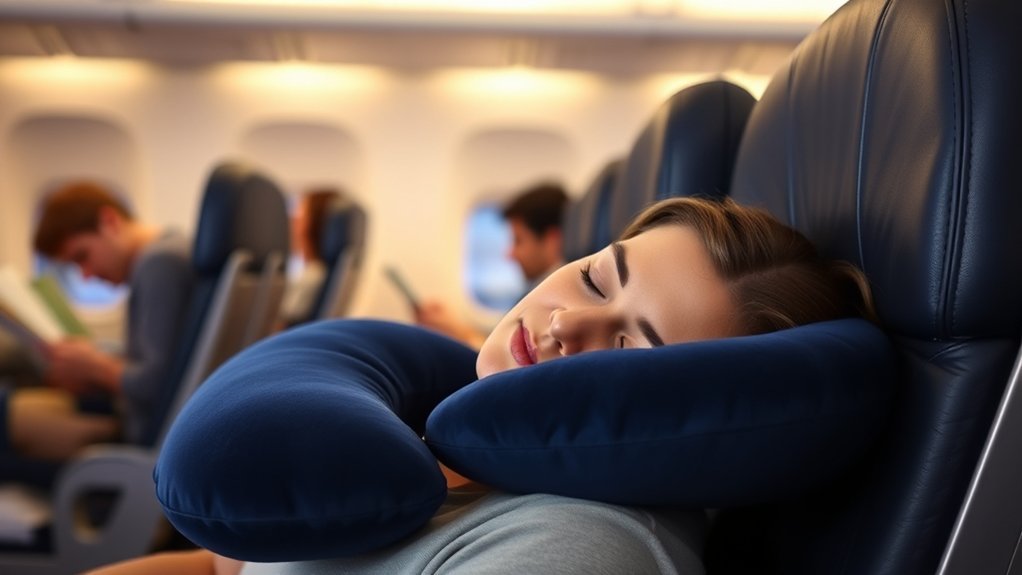
Travel pillows are worth the investment for long-haul flights and extended road trips, provided you choose a model aligned with your sleeping position. By maintaining neutral cervical spine alignment, a proper travel pillow prevents forward head droop, reduces neck muscle strain, and significantly improves sleep quality in upright economy seats.
Quick Answer
Yes, travel pillows are worth it for long journeys. They stabilize the head and upper spine, preventing lateral tilting and forward chin drop. High-density memory foam and ergonomic neck wraps offer the best support, while compact inflatable designs benefit minimalist backpackers seeking maximum packability.
Key Takeaways
- Spinal Alignment: Quality pillows prevent strain on the C1–C7 cervical vertebrae during upright sitting.
- Wear It Right: Wearing traditional U-shaped pillows backwards (opening in the back) prevents forward head drop.
- Material Choice: Memory foam excels in support and pressure relief; inflatable pillows save maximum space.
- Maintenance: Never submerge memory foam cores in water; wash only the removable outer covers.
Disclosure: As an Amazon Associate I earn from qualifying purchases. Some links on this page are affiliate links, at no extra cost to you.
What Are Travel Pillows and How Do They Work?
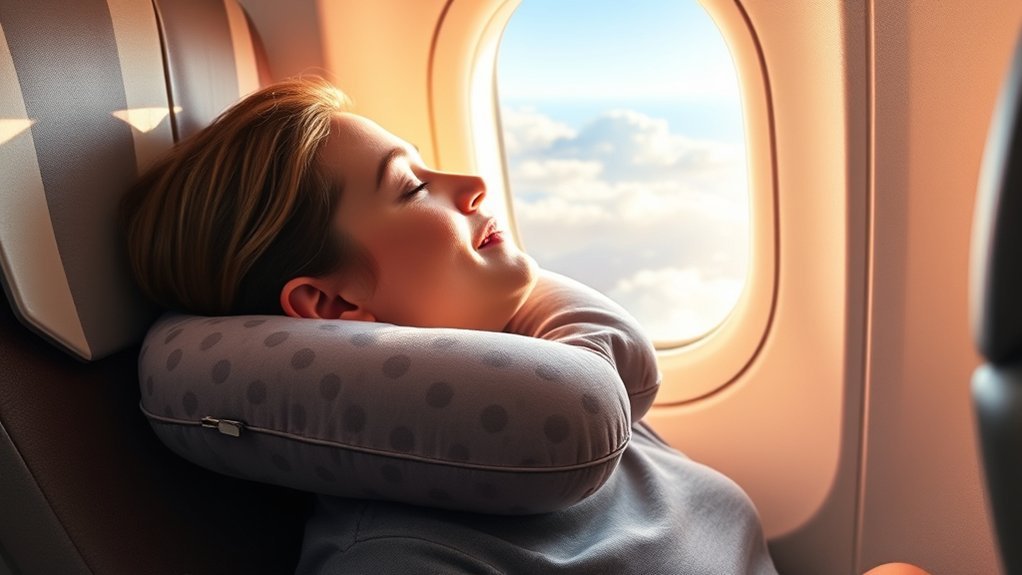
Travel pillows are specialized head and neck supports engineered to stabilize the upper spine when sleeping in an upright or reclined sitting position. While basic travel cushions have existed since the mid-20th century, modern designs draw heavily from ergonomic research and aerospace materials. Viscoelastic memory foam—originally developed by NASA to improve aircraft cushion safety—molds to individual anatomy, distributing pressure evenly across the neck and shoulders.
When sleeping upright in an aircraft or vehicle seat, gravity causes the head—which weighs approximately 10 to 12 pounds—to fall forward or sideways. This strains the muscles along the cervical spine (C1 through C7 vertebrae). A well-designed travel pillow fills the gap between your neck and the seat headrest, maintaining neutral neck alignment and preventing muscle fatigue.
Pro Tip: Try wearing traditional U-shaped pillows backward with the thickest central cushion placed beneath your chin. This supports the jaw directly and eliminates painful forward head drop when sleeping in economy seats.
Comparing Travel Pillow Types
Selecting the right travel pillow requires balancing physical support against luggage space constraints. The major categories differ substantially in fill material, packability, and ergonomic target areas.
At a Glance: Travel Pillow Types Compared
| Pillow Type | Support Level | Portability | Best Used For |
| Memory Foam | High (Custom molding) | Moderate (Compressible) | Long-haul international flights |
| Inflatable Air | Adjustable (Low–Medium) | Maximum (Folds flat) | Backpacking & short trips |
| Ergonomic Wrap | High (Internal rib support) | High (Lightweight scarf format) | Upright economy seat sleepers |
| Microbead | Low–Moderate | Low (Bulky) | Casual road trips & lounging |
Benefits of Using a Travel Pillow During Long Flights
Extended static sitting puts significant physical stress on the body. Clinical sleep data from the Sleep Foundation highlights that proper spinal stabilization reduces micro-awakenings caused by sudden head drop during sleep cycles.
- Enhanced Restorative Sleep: By cradling the head and stabilizing the neck, a travel pillow allows the central nervous system to relax deeper into NREM sleep stages.
- Postural Pain Prevention: Maintains natural cervical curvature, reducing tension in the upper trapezius and levator scapulae muscles.
- Mitigated Travel Fatigue: Better in-flight sleep quality helps synchronize circadian rhythms, easing the severity of jet lag upon arrival.
“Sustaining proper cervical alignment while seated upright decreases neck muscle strain by up to 60%, preventing postural headaches and stiffness during long-haul transit.”
Common Travel Pillow Issues and Solutions
Despite their benefits, improper selection or usage can lead to discomfort. Understanding these common pain points ensures a better travel experience:
- Excessive Bulk in Carry-Ons: High-density memory foam can take up valuable space. Solution: Choose pillows with dedicated compression sacks that reduce total volume by 50% or clip directly to exterior backpack straps.
- Inadequate Chin Support: Standard U-shaped models often allow the jaw to drop forward. Solution: Select wrap-around designs or contoured foam models featuring elevated side bolsters and front security straps.
- Heat Retention and Sweating: Dense memory foam traps body heat. Solution: Look for open-cell memory foam cores combined with breathable moisture-wicking outer covers (such as bamboo rayon or mesh panels).
Warning: When using an inflatable travel pillow on commercial flights, inflate it to only 70–80% capacity before takeoff. As the airplane climbs and cabin pressure drops, air inside the pillow expands, which can cause an over-inflated pillow to burst or feel rock-hard.
Essential Tips for Selecting the Right Travel Pillow
Choosing the ideal travel companion requires evaluating dimensions, physical features, and your primary travel style.
Pillow Type Selection
Align the pillow architecture with your sleeping habits. Side sleepers benefit from higher side bolsters (4 to 5 inches in height), whereas forward-leaning sleepers require integrated chin support straps or wrap-around internal structures.
Material and Comfort
Prioritize viscoelastic memory foam with medium-to-firm density for maximum structural support. Check for machine-washable outer covers featuring hypoallergenic antimicrobial treatments to maintain hygiene across multiple trips.
Size and Portability
Confirm that your packed travel pillow satisfies airline carry-on requirements. According to the Transportation Security Administration (TSA), travel pillows are permitted through security checkpoints and do not count against your carry-on limit when worn or attached to your bag.
Note: To clean memory foam travel pillows, remove the fabric cover and machine wash on a gentle cycle. Spot-clean the foam core using a damp cloth and mild detergent—never submerge memory foam in water or place it in a laundry dryer.
Should Frequent Travelers Invest in Travel Pillows?
For frequent flyers, digital nomads, and long-distance road trippers, a high-quality travel pillow is a essential piece of performance travel gear. According to ergonomic health research published by the National Institutes of Health (NIH), proper neck support while sitting upright significantly reduces spinal fatigue and severe muscle stiffness. Investing in an effective pillow transforms transit time into productive rest, allowing you to arrive at your destination refreshed and ready.
Frequently Asked Questions
Can travel pillows help with snoring during flights?
Yes. By keeping the head elevated and maintaining neutral neck alignment, a travel pillow helps prevent the soft tissues in the throat from collapsing backward into the airway, which is a primary cause of upright snoring.
How do I clean my travel pillow?
Unzip and remove the fabric cover, then machine wash it in cold water on a gentle cycle. Spot-clean memory foam or inflatable cores with a damp cloth and mild soap. Always air-dry foam cores completely before re-covering.
Are inflatable travel pillows comfortable?
Inflatable travel pillows offer adjustable firmness and unmatched packability. While they lack the plush pressure relief of memory foam, adjusting the air pressure to 75–80% capacity delivers comfortable, customized support.
Do travel pillows fit easily in carry-on luggage?
Most modern travel pillows compress down into compact travel sacks (roughly the size of a water bottle) or feature snap straps to attach securely to the outside of backpacks and roller bags.
Can kids use travel pillows effectively?
Yes, provided you purchase child-sized travel pillows. Adult pillows are generally too thick for children, pushing their heads uncomfortably forward and causing neck strain.
Conclusion
Investing in a high-quality travel pillow is one of the most effective ways to protect your neck health and improve sleep quality during long trips. By choosing a design that matches your sleeping posture and adjusting it properly, you can prevent neck stiffness, reduce fatigue, and arrive at your destination ready to explore.
Sources
- NASA Technology Transfer Program — History and development of viscoelastic memory foam.
- Sleep Foundation — Ergonomics of sleeping while traveling and cervical spine support.
- National Institutes of Health (NCBI) — Research on upright posture, head tilt, and cervical spine strain.
- Transportation Security Administration (TSA) — Official carry-on regulations for personal items and travel gear.

