
Last Updated on July 27, 2026 by Daniel Globe
If a guy asks you to go hiking, the invitation could be a date, a friendly hangout, or simply an invitation to share an activity he enjoys. The best clues come from the context: how he asks, whether the plan is one-on-one, how he normally interacts with you, and whether he treats the outing like a date. You do not have to guess, though. It is completely reasonable to ask what he has in mind before you agree.
Quick Answer
If a guy asks you to go hiking, he may be interested romantically, but the invitation alone does not prove it is a date. Look at the context, his behavior, and how he describes the plan. If you are unsure, ask directly. Then choose a trail and safety plan that make you comfortable.
Key Takeaways
- A hiking invitation can be romantic or platonic, so context matters more than the activity itself.
- You can remove the uncertainty by asking, “Sounds fun—are you thinking of this as a date or just a hike?”
- For a first outing with someone new, choose a familiar or well-traveled trail, keep control of your transportation, and tell a trusted person where you will be.
- Pick a route that fits both hikers’ experience and fitness rather than trying to impress each other with a difficult trail.
- Bring appropriate footwear, water, food, navigation, weather layers, sun protection, first aid, and other essentials suited to the route.
At a Glance
| Time Required | For an early hiking date, a shorter outing of roughly 1–3 hours is usually easier to plan than an all-day backcountry trip. |
| Difficulty | Easy to moderate for most first hiking dates; choose a route both people can comfortably complete. |
| Tools Needed | Water, food, navigation, suitable shoes, weather layers, sun protection, first aid supplies, phone, and a light source appropriate to the route. |
| Cost | Often free or low-cost, although parking, entrance fees, reservations, or permits may apply depending on the trail. |
Disclosure: As an Amazon Associate I earn from qualifying purchases. Some links on this page are affiliate links, at no extra cost to you.
What Does It Mean If a Guy Asks You to Go Hiking?
A hiking invitation usually means he wants to spend time with you doing something active and outdoors. What it does not tell you by itself is whether his interest is romantic.
Hiking works well as either a date or a friendly activity. It gives two people time to talk, removes some of the formality of sitting across from each other at a restaurant, and creates a shared experience. That is why the context surrounding the invitation matters.
Signs He May Be Asking You on a Date
The invitation is more likely to have romantic intent when several clues appear together, such as:
- He specifically calls it a date.
- He asks to go one-on-one even though you normally spend time in a group.
- He has already been flirting or showing clear personal interest.
- He puts extra thought into the plan, such as choosing a scenic trail or suggesting food or coffee afterward.
- He frames the hike as a chance for the two of you to spend time together rather than simply needing a hiking partner.
None of these signs guarantees romantic interest. Some people naturally plan thoughtful outings with friends, while others may be interested but keep the invitation casual.
Signs It May Be a Friendly Hike
It may be more likely to be platonic if he routinely hikes with friends, invites several other people, talks about the outing mainly as training or recreation, or treats you much the same way he treats his other hiking partners.
Even then, intentions can change over time. Trying to decode every word or text message is usually less useful than having a simple conversation.
Pro Tip: If you want clarity, try: “That sounds fun. Are you thinking of this as a date or more of a hiking hangout?” It is direct without making the conversation unnecessarily serious.
Is Hiking a Good Date?
Hiking can be a great date when both people enjoy being outdoors and the route matches their abilities. You get time to talk, experience something together, and take natural breaks at viewpoints or rest stops. It can also reveal practical compatibility: how each person handles pace, planning, minor inconveniences, and changing conditions.
There is a downside, especially when two people barely know each other. Trails can be isolated, cell service can be unreliable, and leaving halfway through may be much harder than leaving a coffee shop. For that reason, a short, popular trail can be a better early-date choice than a long or remote backcountry route.
Warning: When meeting someone new, do not let politeness override your comfort. Choose a setting where you feel safe, keep your own way home when practical, tell someone where you are going, and leave if the person or situation makes you uncomfortable.
Preparing for the Hike
Physical Preparation
You do not need to train like an athlete for an easy hiking date, but the trail should match your current ability. Regular walking, jogging, stair climbing, or strength work can make longer or hillier routes more comfortable.
Be honest about your experience. A good hiking partner should not expect you to struggle through a route that is far beyond your fitness or technical skill simply to prove yourself.
Mental Readiness
Read the trail description before leaving. Check the distance, elevation gain, terrain, expected duration, parking situation, current closures, weather, and any local hazards. The National Park Service Hike Smart guidance recommends choosing a trail that suits the abilities of everyone in the group and checking current conditions before starting.
If you are nervous because it is a date, decide your boundaries in advance. Know how long you want to stay, whether you are comfortable riding together, and what you will do if you want to leave early.
The Benefits of Preparation
Preparation lets you focus on the experience instead of worrying about avoidable problems. It also makes it easier to handle a weather change, wrong turn, blister, delayed return, or other minor problem without turning the outing into a crisis.
Choosing the Right Trail
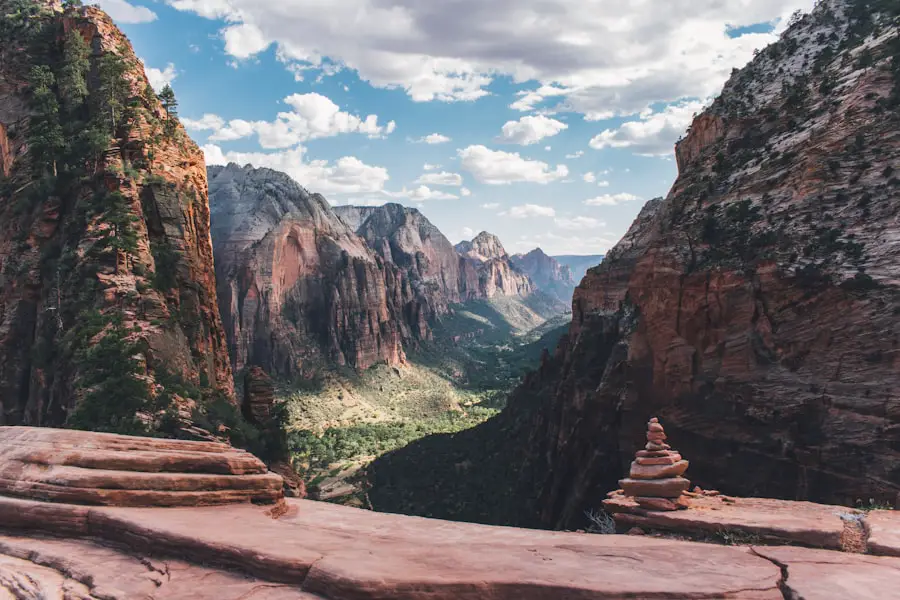
Selecting the right trail is one of the most important parts of planning a hiking date. Consider both people’s experience, fitness, comfort with heights or rough terrain, available daylight, and the kind of outing you want.
Beginners generally have a better time on a clearly marked route with manageable distance and elevation. Experienced hikers may enjoy rougher or steeper terrain, but a date is rarely the right time to surprise someone with a route much harder than expected.
Check official park or land-management information before leaving. The National Park Service trails and hiking resources provide trail-planning information, and individual park websites can list closures, alerts, hazards, and regulations.
Note: For a first outing with someone you do not know well, a popular, well-marked trail near other people generally provides more flexibility than an isolated backcountry route.
The setting can also shape the date. Coastal paths provide open views, forest trails may offer shade, and routes with overlooks or lakes create natural places to stop and talk. Wildlife can be part of the experience too, but observe animals from a safe distance and follow the rules for the specific park or trail.
Packing the Essentials
Packing wisely helps you stay comfortable without bringing unnecessary weight. The exact equipment depends on the route, weather, season, remoteness, and length of the outing rather than a universal number of clothing sets or pounds of gear.
| Essential | What to Bring | Why It Matters |
|---|---|---|
| Water | Enough safe drinking water for the planned route, plus treatment equipment when the trip requires it | Physical activity increases fluid needs, especially in warm conditions. |
| Food | Trail mix, nuts, bars, dried fruit, sandwiches, or other easy-to-carry food | Food helps maintain energy and gives you a reserve if the outing lasts longer than planned. |
| Navigation | Map, downloaded/offline map, compass or appropriate GPS equipment | A phone may lose cellular service or battery power. |
| Clothing | Weather-appropriate layers and rain protection when conditions require it | Temperatures and weather can change during a hike. |
| First Aid | A compact kit suited to the trip, including personal medications | Useful for blisters, small cuts, and other minor problems. |
| Light | Headlamp or flashlight with adequate battery power | A delayed return can leave you on the trail after sunset. |
| Sun Protection | Sunscreen, sunglasses, hat, or protective clothing as appropriate | Exposure can be significant even on cool hiking days. |
| Emergency Items | Whistle, emergency shelter and other items appropriate to the location | They provide options if you become delayed, injured, or exposed to bad weather. |
The National Park Service Ten Essentials also include navigation, sun protection, extra clothing, illumination, first aid, fire, repair tools, nutrition, hydration, and emergency shelter. The exact contents should be adjusted to the trip.
A sturdy backpack makes it easier to carry these items while keeping your hands free. For food, lightweight options such as trail mix, nuts, dried fruit, and bars can provide convenient energy without taking up much room.
Do Not Assume Stream or Lake Water Is Safe
Carry enough known-safe drinking water whenever practical. Clear-looking natural water can still contain germs. According to the CDC’s guidance on treating water while hiking and camping, boiling is the best general method for killing germs. When boiling is not practical, filtration followed by appropriate disinfection is a stronger general approach than assuming any portable filter makes water safe.
Follow the instructions for the specific treatment product you carry and consider conditions at the destination before relying on a natural source.
What to Wear for a Hiking Date
Dress for the trail first and the date second. Comfortable, functional clothing usually looks better than an outfit that becomes miserable after the first mile.
- Footwear: Choose broken-in hiking shoes, trail shoes, or other footwear appropriate to the terrain. Avoid wearing brand-new shoes on a longer hike.
- Layers: Wear clothing you can add or remove as temperature and activity level change.
- Moisture management: For longer or more strenuous hikes, quick-drying or moisture-managing fabrics can be more comfortable than clothing that stays wet.
- Weather protection: Bring a rain layer, warm layer, or sun protection when conditions call for them.
- Personal style: There is nothing wrong with choosing colors or clothes that make you feel confident, as long as they remain practical for the trail.
The goal is to feel like yourself without sacrificing traction, comfort, mobility, or weather protection.
Safety Tips for a Hiking Date
Safety should be a priority on any hike, and it deserves extra thought when the outing is with someone you do not yet know well.
Tell Someone Your Plan
Share the trail, expected start and return time, and the identity of the person you are meeting with someone you trust. The National Park Service recommends leaving a trip plan that includes the route and expected return.
Keep an Independent Exit Option
When practical, meet at the trailhead rather than depending completely on a new date for transportation. Know where you parked, keep the items you need with you, and do not feel obligated to continue if you want to turn around.
Do Not Rely Only on Your Phone
Bring a charged phone, but remember that cellular coverage may be weak or nonexistent. Download useful maps before leaving when appropriate and carry navigation equipment suited to the trail.
Check Weather and Alerts
Check the latest forecast, trail conditions, closures, wildfire information, and other local alerts before you leave. Be willing to change plans when conditions are poor.
Thunderstorms require particular caution. The National Weather Service states that there is no safe place outdoors when thunderstorms are in the area. If you hear thunder, seek a substantial enclosed building or an appropriate hard-topped vehicle rather than trying to wait beneath a tree or small shelter.
Stay on the Intended Route
Follow established trails where required. Leaving the intended route increases the chance of becoming lost and may damage sensitive areas.
Respect Wildlife
Never approach an animal for a photograph or feed wildlife. Keep enough distance that your presence does not disturb the animal and check the specific rules for the park you are visiting. The National Park Service wildlife guidance notes that minimum viewing distances vary between parks and species.
Trust Your Instincts
If your hiking partner ignores your boundaries, pressures you to take an isolated route, insists you continue when you want to stop, or otherwise makes you uncomfortable, you are allowed to end the outing. You do not owe anyone the completion of a hike or a second date.
Handling Different Hiking Speeds
A hiking date should not turn into a competition. If one person moves faster, the group should use a pace both people can sustain. The National Park Service recommends letting the slowest hiker help set the pace and keeping the group together.
This is also useful information about compatibility. A considerate hiking partner checks in, waits without complaining, and does not pressure someone to exceed a safe pace.
Embracing Nature’s Beauty
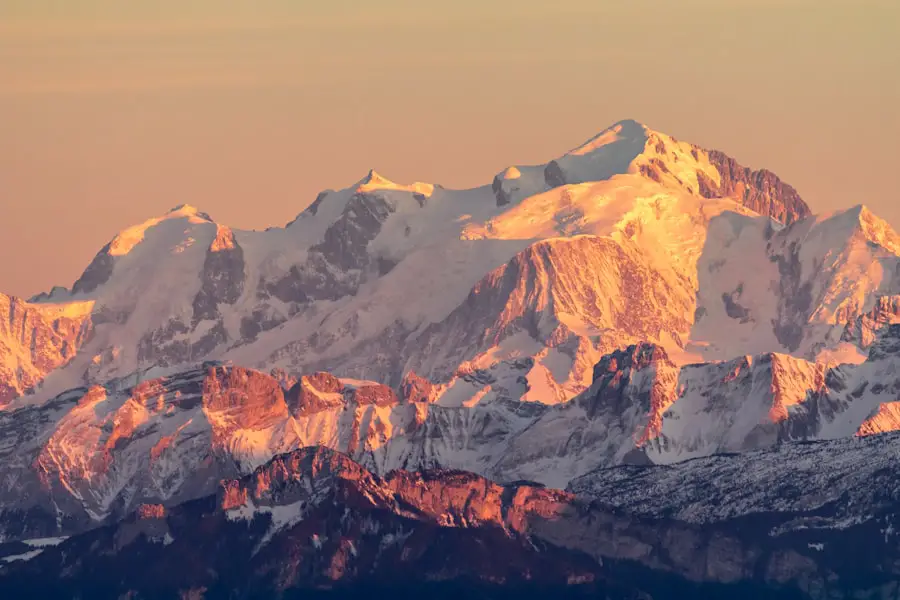
One of the best parts of a hiking date is that the surroundings provide something to experience together. A viewpoint, forest, lake, wildflowers, birds, or an interesting stretch of trail can naturally create conversation without forcing either person to fill every quiet moment.
Photography can also be part of the experience. Taking a few pictures can preserve the memory, but you do not need to document every minute. Looking around, listening to the environment, and enjoying the trail together can make the outing feel more relaxed.
Bonding and Connection
Hiking gives two people time to talk without many of the distractions that come with a restaurant, movie, or busy social event. Walking side by side can make conversation feel less formal, while small decisions along the trail create opportunities to see how each person communicates and cooperates.
A hike can also reveal shared interests. You may discover that you both enjoy wildlife, photography, travel, fitness, camping, or exploring new places. Those common interests can give you ideas for future outings if the connection develops.
At the same time, do not treat the hike as a test that someone has to pass. People have different fitness levels, hiking styles, comfort with silence, and experience outdoors. Compatibility is better judged by respect and communication than by speed or technical skill.
Conversation Topics for a Hiking Date
The trail itself gives you plenty to talk about, but a few easy topics can help when conversation slows:
- Favorite trips, parks, hikes, or outdoor activities.
- Places each of you would like to visit.
- Music, movies, books, food, or hobbies.
- Funny travel or outdoor stories.
- Animals, plants, scenery, or landmarks along the route.
- Weekend interests and how each of you likes to spend free time.
You do not need to interview each other continuously. Comfortable silence can be normal on a hike, especially on steep sections where talking takes more effort.
Reflecting on the Experience
After the hike, take a moment to think about more than whether the scenery was beautiful. Consider how you felt around the other person. Did you feel comfortable? Did he listen when you expressed a preference? Did you both communicate well about pace, rest stops, or changes of plan? Did you enjoy the conversation?
The experience can also inspire new outdoor goals. You might want to explore another trail, build your hiking fitness, learn navigation skills, or spend more time outside. A memorable hike can strengthen an existing friendship, start a romantic relationship, or simply become a good day outdoors.
If the hike is part of a broader travel outing, you can also browse our guide to a travel fishing rod when fishing is actually on the itinerary, or our guide to universal travel adapters for international trips. These are optional travel resources rather than hiking-date essentials. For site-wide policies, see our Terms and Conditions.
Frequently Asked Questions
What should I consider before going hiking with a guy?
Consider how well you know him, whether you are comfortable with the plan, the trail’s difficulty and remoteness, the weather, your own hiking experience, transportation, and your ability to leave if you want to. Share the route and expected return time with someone you trust.
Does a guy asking you to hike mean it is a date?
Not necessarily. Hiking can be romantic or completely platonic. Look at the broader context, including whether he calls it a date, flirts with you, makes a one-on-one plan, or suggests spending additional time together. Asking directly is the clearest way to know.
How can I ask whether the hike is a date?
Keep it simple: “That sounds fun. Are you thinking of this as a date or just a hiking hangout?” A direct but relaxed question prevents both people from arriving with different expectations.
What should I wear for a hiking date?
Wear comfortable clothing suited to the weather and terrain. Choose appropriate, broken-in footwear, useful layers, and sun or rain protection as conditions require. You can still choose an outfit that makes you feel confident, but trail safety and comfort should come first.
What should I bring for a hiking date?
Bring water, food, navigation, weather-appropriate layers, sun protection, first aid supplies, a charged phone, a headlamp or flashlight, personal medications, and any additional equipment required by the route. Longer or more remote hikes require more preparation.
How can I ensure my safety while hiking with a guy?
Choose a route that makes you comfortable, share your plans with someone you trust, check conditions, carry appropriate equipment, and keep an independent way to leave when practical. For someone you barely know, a popular and well-traveled trail is generally a more flexible choice than a remote route.
What should I do if I feel uncomfortable during the hike?
Take your discomfort seriously. Tell your hiking partner you are turning back or ending the outing, move toward a populated area or trailhead, and contact someone you trust when possible. You are never required to continue a date simply to avoid seeming rude.
What are some conversation topics for a hiking date?
Nature, wildlife, travel, hobbies, favorite foods, music, movies, future trips, funny stories, and the scenery around you are easy topics. You do not need to talk constantly; natural pauses are normal while walking or climbing.
Sources
- National Park Service — Hike Smart — trail selection, trip plans, weather, communication, pace, food, water, and hiking safety.
- National Park Service — Ten Essentials — essential hiking equipment and emergency preparedness.
- Centers for Disease Control and Prevention — Water Treatment While Hiking and Camping — safe treatment of water from natural sources.
- National Weather Service — Lightning Safety — what to do when thunderstorms threaten outdoor activities.
- National Park Service — 7 Ways to Safely Watch Wildlife — wildlife distance, park rules, food storage, and responsible viewing.

