
Last Updated on July 27, 2026 by Daniel Globe
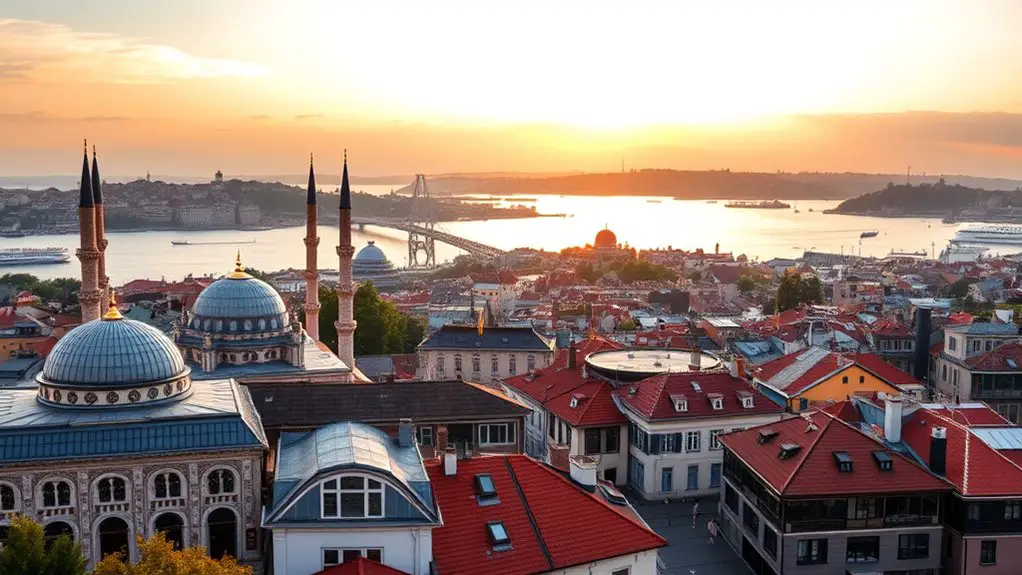
Choosing where to stay in Istanbul can shape almost every day of your trip. Stay in Sultanahmet and you can walk to many of the city’s headline historic sights; choose Beyoğlu or Taksim for restaurants and nightlife; cross to Kadıköy for a more local atmosphere; or base yourself in Nişantaşı for designer shopping and polished hotels. The best area depends on what you want to do most and how much time you want to spend in transit.
Quick Answer
For a first Istanbul trip focused on historic sights, Sultanahmet is the easiest base. Choose Beyoğlu, Galata, or Taksim for nightlife and culture; Kadıköy for food and local life; Nişantaşı for luxury; Karaköy for a central waterfront compromise; and Beşiktaş for Bosphorus access and a lively neighborhood feel.
Key Takeaways
- Sultanahmet is best for first-time visitors who want Hagia Sophia, the Blue Mosque, Topkapı Palace, and other Historic Peninsula sights close by.
- Beyoğlu, Galata, and Taksim suit travelers who prioritize restaurants, art, shopping, nightlife, and easy metro access.
- Kadıköy offers markets, cafés, nightlife, ferries, and a more residential Asian-side experience, but reaching the Old City takes longer.
- Nişantaşı is a strong choice for designer shopping, upscale dining, and luxury accommodation away from the Historic Peninsula crowds.
- Karaköy and Beşiktaş are excellent alternatives when you want waterfront access and a balance between sightseeing and local city life.
- Check the exact hotel pin, nearest transit stop, hill gradient, and recent noise reviews before booking; two hotels in the same named area can offer very different experiences.
Note: Istanbul neighborhood names overlap. Beyoğlu is a larger district that includes well-known areas around Galata and Taksim. This guide discusses them separately because staying beside Galata Tower feels very different from staying beside Taksim Square.
Disclosure: As an Amazon Associate I earn from qualifying purchases. Some links on this page are affiliate links, at no extra cost to you.
Which Istanbul Area Is Best for You?
| Area | Best For | Main Trade-Off | Useful Transport |
|---|---|---|---|
| Sultanahmet | First visits, history, short sightseeing trips | Tourist-heavy and quieter than modern districts at night | T1 tram |
| Galata / Karaköy | Couples, cafés, design, central location | Steep streets around Galata | T1, ferries, Tünel connections |
| Beyoğlu / Taksim | Nightlife, shopping, culture | Busy streets and potential late-night noise | M2 metro, F1 funicular |
| Kadıköy | Food, local life, return visitors | Longer trip to Sultanahmet sights | M4 metro, ferries, T3 tram |
| Nişantaşı | Luxury, shopping, polished city stays | Farther from the Historic Peninsula | M2 via Osmanbey |
| Beşiktaş | Food, ferries, Bosphorus atmosphere | Not as convenient for Old City sightseeing as Sultanahmet | Ferries, buses and nearby rail connections |
Pro Tip: In Istanbul, being close to the right tram, metro, or ferry stop can matter more than saving a little on the nightly hotel rate. Check the walking route from the property to transit on a map before booking, especially around steep Galata and Beyoğlu streets.
Sultanahmet: The Historical Heart of Istanbul
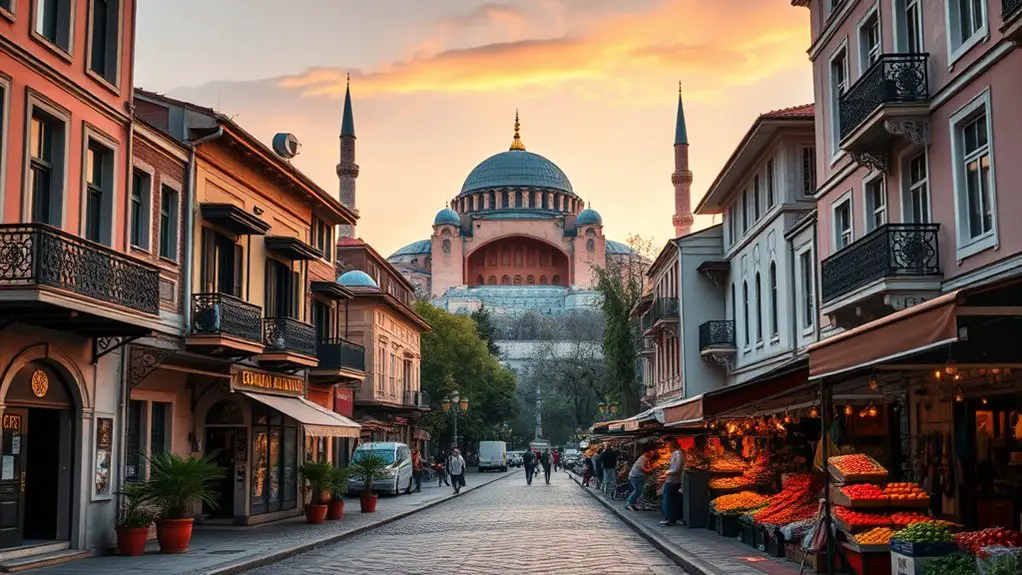
When you step into Sultanahmet, you are staying inside Istanbul’s Historic Peninsula, where many of the city’s best-known Byzantine and Ottoman monuments sit within a compact area. The UNESCO-listed Historic Areas of Istanbul include the Sultanahmet archaeological zone and major landmarks such as Hagia Sophia and the Blue Mosque.
This makes Sultanahmet especially appealing for first-time visitors and short stays. You can walk between Hagia Sophia, the Blue Mosque, the Hippodrome area, Basilica Cistern, Topkapı Palace, and several museums without spending much of the day commuting.
The neighborhood also has plenty of restaurants and cafés serving Turkish staples such as kebabs, meze, pide, baklava, tea, and Turkish coffee. The trade-off is that dining and shopping immediately around the main monuments can feel more visitor-focused than in neighborhoods such as Kadıköy or Beşiktaş.
Public transport is another advantage. Metro Istanbul’s T1 Kabataş–Bağcılar tram line stops at Sultanahmet and continues toward Sirkeci, Eminönü, Karaköy, and Kabataş.
Note: Hagia Sophia is a working mosque, and tourist access is no longer the same as it was when the building operated as a museum. Türkiye’s Ministry of Culture and Tourism introduced a separate foreign-tourist gallery route and entrance fee in January 2024. Check the current visitor arrangement before your sightseeing day.
Best for: first-time visitors, history lovers, families prioritizing major sights, and travelers with only two or three sightseeing days.
Think twice if: nightlife, contemporary dining, or a more residential Istanbul atmosphere matters more to you than walking to the historic monuments.
Beyoğlu: The Vibrant Cultural Hub
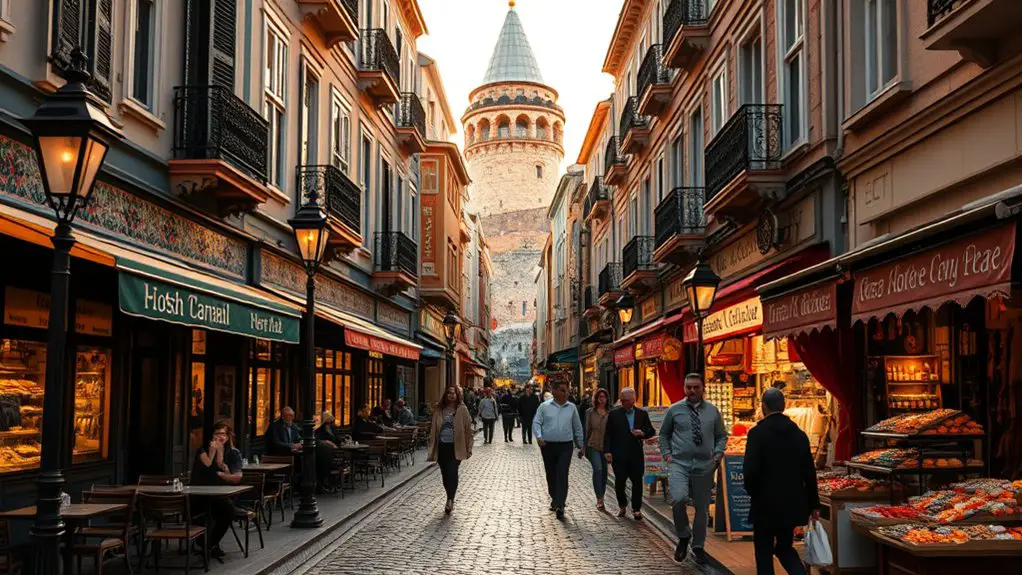
Beyoğlu offers a different side of Istanbul from the Historic Peninsula. Instead of concentrating mainly on imperial monuments, the district brings together galleries, theaters, cafés, restaurants, historic passages, shops, bars, and music venues.
İstiklal Avenue is the best-known spine of the area, while smaller streets lead toward places such as Galata, Cihangir, Pera, and Tophane. Contemporary cultural venues also remain part of the appeal; for example, SALT Beyoğlu hosts exhibitions, talks, screenings, and workshops on İstiklal Street.
After dark, parts of Beyoğlu become some of Istanbul’s busiest entertainment areas. That is an advantage for travelers who want dinner followed by drinks or music without a long journey back to their hotel. It can be a disadvantage for light sleepers.
The M2 metro serves both Şişhane and Taksim, making the district practical for reaching other parts of central Istanbul.
Best for: culture, restaurants, nightlife, shopping, couples, and travelers who want evenings to feel as active as their sightseeing days.
Think twice if: you need very quiet nights or want every major Historic Peninsula monument within a few minutes’ walk.
Kadıköy: A Taste of Local Life
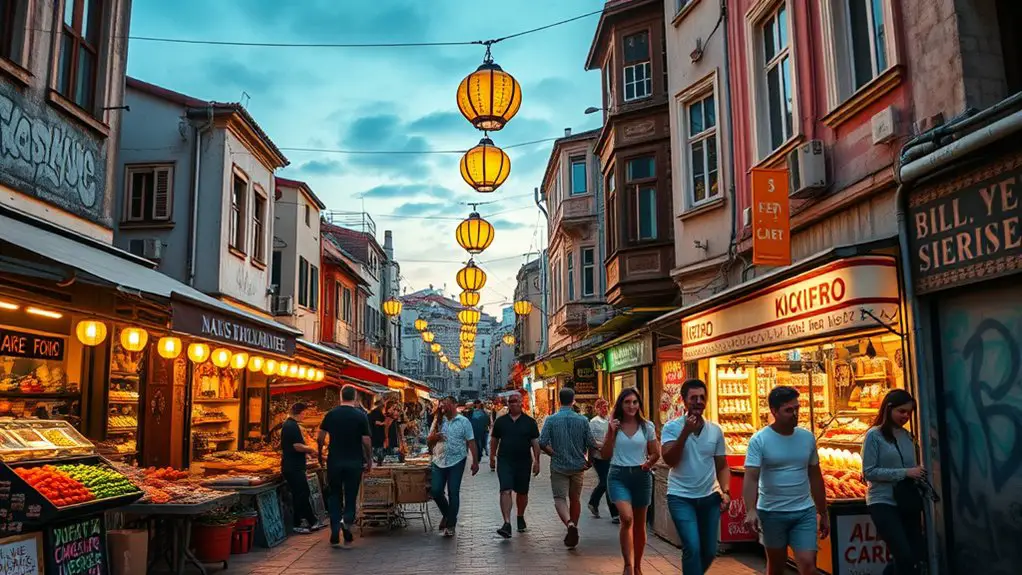
Kadıköy gives you a strong taste of everyday Istanbul on the Asian side. Around the market streets and neighboring Moda, you will find produce shops, fishmongers, bakeries, casual restaurants, coffee shops, bars, bookstores, and busy pedestrian streets used by residents as well as visitors.
The waterfront is a major part of the experience. You can drink Turkish tea or coffee near the shore, walk toward Moda, or use public ferries as both transportation and an inexpensive way to enjoy the city from the water. Şehir Hatları operates routes linking Kadıköy with destinations including Eminönü, Karaköy, Beşiktaş, and Kabataş; current fares and routes are published on the official Şehir Hatları site.
Kadıköy also has a useful airport advantage. Metro Istanbul’s M4 line runs between Kadıköy and Sabiha Gökçen Airport, with the full route scheduled at about 52 minutes.
The main compromise is sightseeing time. Staying here means crossing to the European side when you want to visit Sultanahmet, Galata, or many of Istanbul’s biggest historic attractions. For travelers happy to use ferries and rail, that can be part of the fun; for a two-day first visit, it can feel inefficient.
Best for: food lovers, return visitors, travelers who prefer a local atmosphere, and people flying through Sabiha Gökçen.
Think twice if: your itinerary is dominated by early-morning sightseeing in Sultanahmet.
Nişantaşı: Luxury and Shopping
In Nişantaşı, you will find a polished mix of designer shopping, cafés, restaurants, galleries, residential streets, and upscale hotels. It is a particularly good fit for travelers who enjoy city neighborhoods more than historic-tourist zones.
The area’s biggest compromise is location. You are north of the Historic Peninsula, so Hagia Sophia and the Blue Mosque will require public transport or a taxi rather than a quick walk. On the other hand, the nearby Osmanbey station on the M2 makes trips toward Taksim and other parts of the European side straightforward.
High-End Fashion Boutiques
Nişantaşı is one of Istanbul’s best-known fashion districts. GoTürkiye highlights Abdi İpekçi Street and nearby streets for luxury stores, designer boutiques, and both international and Turkish fashion brands.
You can also explore smaller side streets around Teşvikiye and the main shopping avenues for local designers, jewelry, home décor, and contemporary boutiques. That mix makes Nişantaşı more interesting than a simple row of international labels.
Whether you are planning a shopping day or simply enjoy polished streets, cafés, and window-shopping, the neighborhood offers a distinctly contemporary Istanbul experience.
Upscale Dining Experiences
Nişantaşı has everything from traditional Turkish cooking to modern brasseries and high-end international dining. The original restaurant list for this article included venues that were either unverified or located in other districts, so the examples below have been replaced with current Nişantaşı listings documented by the MICHELIN Guide.
| Restaurant | Cuisine | MICHELIN Price Indicator |
|---|---|---|
| Foxy Nişantaşı | Contemporary / Turkish | ₺₺ |
| Spago Istanbul by Wolfgang Puck | International | ₺₺₺ |
| St. Regis Brasserie | International / Turkish | ₺₺ |
| Tatbak | Traditional Turkish | ₺ |
This variety means you do not have to choose Nişantaşı solely for expensive fine dining. Traditional restaurants and more casual options sit alongside luxury hotel restaurants and contemporary venues.
Luxury Accommodation Options
Nişantaşı has a strong selection of upscale accommodation, including polished international hotels and smaller boutique properties. Common features at higher-end hotels can include concierge service, fitness facilities, spas, terraces, and on-site dining, but amenities vary by property.
- Check whether the room faces a busy avenue or a quieter side street.
- Confirm the walking distance to Osmanbey M2 station.
- Look for recent reviews specifically mentioning street noise and room soundproofing.
- Compare spa, fitness, breakfast, and concierge services rather than assuming every luxury property includes them.
- Check whether the shopping streets you care about are genuinely within easy walking distance.
Nişantaşı works best when you want an elegant city base and are comfortable using public transport for the Old City.
Galata: A Blend of History and Modernity
Galata combines historic streets and architecture with cafés, restaurants, galleries, and boutique shops. Its centerpiece is the Galata Tower, which Visit Istanbul identifies as a landmark in the Beyoğlu district with panoramic city views from its elevated position.
Staying near the tower puts you between the energy of İstiklal/Beyoğlu and the waterfront at Karaköy. This makes Galata appealing to travelers who want a walkable mix of sightseeing, dining, cafés, and evening atmosphere without sleeping directly beside Taksim Square.
The important catch is terrain. Streets in and around Galata can be steep, uneven, and tiring with luggage, strollers, or limited mobility. A hotel that looks close on a map may involve a significant uphill climb.
Best for: couples, photographers, boutique-hotel fans, café lovers, and travelers who want atmosphere as well as location.
Think twice if: steep streets are difficult for anyone in your group.
Taksim: The Lively City Center
Taksim sits uphill from Galata and serves as one of modern Istanbul’s best-known transport, shopping, hotel, and nightlife hubs. It is an energetic base rather than a quiet retreat.
The area suits travelers who want easy access to İstiklal Avenue, late dining, bars, shops, and the M2 metro. Metro Istanbul also operates the F1 Taksim–Kabataş funicular, which connects the Taksim area with Kabataş and onward T1 tram and ferry connections.
Taksim is a strong base for urban travelers who would rather step outside into shops, restaurants, crowds, and nightlife than wake up beside Istanbul’s main historic monuments.
- Explore dining options ranging from casual street food to hotel restaurants.
- Use Taksim as a base for bars, live music, and late evenings.
- Walk down İstiklal Avenue toward Galata and Şişhane.
- Use the M2 metro and F1 funicular instead of relying entirely on taxis.
- Check recent hotel reviews carefully for nightlife and street-noise comments.
Best for: nightlife, shopping, first-time visitors who prefer modern Istanbul, and travelers who value transport connections.
Think twice if: you are a very light sleeper or want a peaceful historic atmosphere outside your door.
Karaköy and Beşiktaş: Two More Strong Bases
Karaköy: A Central Waterfront Base
Karaköy is one of the best choices for travelers who cannot decide between the Historic Peninsula and Beyoğlu. It sits near the Galata Bridge, below Galata, and directly on Metro Istanbul’s T1 tram route.
That location makes it easy to ride toward Sultanahmet in one direction while walking or climbing toward Galata and Beyoğlu in the other. Ferries add another transportation option, while the neighborhood itself has cafés, restaurants, galleries, hotels, and waterfront activity.
Best for: couples, short city breaks, design-conscious travelers, and first-time visitors who want a more contemporary atmosphere than Sultanahmet without giving up convenient sightseeing.
Main trade-off: streets rise steeply toward Galata, and some waterfront blocks can remain busy late into the evening.
Beşiktaş: Bosphorus Access and Local Energy
Beşiktaş gives you a lively European-side base with markets, casual restaurants, cafés, ferry connections, and easy access to Bosphorus neighborhoods. It feels more rooted in everyday city life than the central streets of Sultanahmet.
For travelers who enjoy ferries, Beşiktaş is especially convenient: public boats connect the area with Kadıköy and other points across the water. It also works well for exploring Dolmabahçe and the Bosphorus corridor.
Best for: food, ferries, local street life, repeat visitors, and travelers who prefer a busy neighborhood to a sightseeing district.
Main trade-off: getting to Sultanahmet generally requires more transit than it would from Karaköy or the Old City itself.
How to Choose the Right Hotel Location
Once you have picked a neighborhood, zoom in further. Istanbul is hilly, busy, and large enough that the exact block can change your experience.
- Check the nearest station or pier: look for the actual walking route rather than the hotel’s claim that public transport is “nearby.”
- Look at elevation: this matters most around Galata, Karaköy, Beyoğlu, and parts of the Bosphorus.
- Read the newest noise reviews: especially around Taksim, İstiklal Avenue, bar streets, and busy road junctions.
- Plan your evening return: a location that is convenient at noon may feel less convenient after a late dinner.
- Match the location to your itinerary: if four of your first five attractions are in Sultanahmet, saving money on the opposite side of the city may cost you hours in transit.
- For families: prioritize elevator access, larger rooms, safe stroller storage, breakfast options, and a simple walk to transit rather than choosing by neighborhood reputation alone.
Warning: Do not book solely because a hotel advertises itself as “Taksim,” “Galata,” or “Sultanahmet.” Verify the map pin and recent guest reviews. A steep approach, loud entertainment venue, or awkward walk to transit can matter more than the neighborhood name.
Frequently Asked Questions
What is the best area to stay in Istanbul for first-time visitors?
Sultanahmet is usually the easiest choice when your main goal is seeing Hagia Sophia, the Blue Mosque, Topkapı Palace, Basilica Cistern, and other Historic Peninsula attractions. Karaköy is an excellent alternative when you want faster access to both the Old City and modern Beyoğlu.
What is the best time to visit Istanbul?
Spring and autumn are popular because temperatures are generally more comfortable for long sightseeing days than the hottest part of summer. April–May and September–October are especially appealing to many travelers. Cultural-event dates change every year: the 2026 Istanbul Music Festival ran June 11–25, while the next Istanbul Biennial is scheduled for September 18–November 14, 2027. Check the official İKSV calendar before planning a trip around an event.
How can I get around Istanbul efficiently?
Use Istanbul’s rail and ferry network whenever it fits your route. The T1 tram is particularly useful for Sultanahmet, Eminönü, Karaköy, and Kabataş; the M2 serves areas including Şişhane, Taksim, and Osmanbey; and the M4 links Kadıköy with Sabiha Gökçen Airport. An Istanbulkart can be useful across participating public-transport services. Walking is excellent within individual neighborhoods, but Istanbul’s hills can make short map distances deceptive.
Are there family-friendly hotels in Istanbul?
Yes. Family suitability depends more on the individual hotel than on a neighborhood label. Look for larger rooms, cribs or extra beds, elevator access, breakfast, stroller storage, and a simple route to public transport. Sultanahmet is convenient for sightseeing-focused families, while Nişantaşı and parts of Beşiktaş can suit families seeking a more modern neighborhood base.
What safety tips should travelers follow in Istanbul?
Use normal big-city precautions: keep valuables secure in crowded areas, pay attention to your surroundings, use established transportation services, and step away from any interaction that feels aggressive or suspicious. Conditions can change, so check your own government’s current Türkiye travel advice before departure. Travelers should also avoid demonstrations and follow instructions from local authorities.
Do I need a visa to enter Türkiye?
It depends on your nationality, passport type, purpose of travel, and length of stay. Some travelers are visa-exempt, some nationalities can obtain an e-Visa if they meet the eligibility rules, and others must apply through a Turkish embassy or consulate. Check the Republic of Türkiye Ministry of Foreign Affairs visa information and the official e-Visa portal before traveling rather than relying on a general rule.
Sources
- UNESCO World Heritage Centre — Historic Areas of Istanbul — supports the Historic Peninsula, Sultanahmet, and major heritage-site information.
- Republic of Türkiye Ministry of Culture and Tourism — Hagia Sophia visitor arrangements — supports the current tourist-access structure introduced for Hagia Sophia.
- Metro Istanbul — supports T1, M2, M4, and funicular transport information used in the neighborhood comparisons.
- Republic of Türkiye Ministry of Foreign Affairs — Visa Information for Foreigners — supports nationality-specific visa and entry guidance.
- Istanbul Foundation for Culture and Arts (İKSV) — supports current Istanbul Music Festival and Istanbul Biennial scheduling.
- MICHELIN Guide Istanbul — supports the current Nişantaşı restaurant examples and price indicators.
Conclusion
No single Istanbul neighborhood is best for every traveler. Choose Sultanahmet when historic sightseeing is the priority, Beyoğlu or Taksim for nightlife and modern-city energy, Galata or Karaköy for a central mix of old and new, Kadıköy for food and local life, Nişantaşı for luxury and shopping, or Beşiktaş for ferries and Bosphorus-side atmosphere.
Then look beyond the neighborhood name. The best hotel is the one whose exact street, transport access, noise level, and walking conditions match the way you actually plan to explore Istanbul.

