
Last Updated on September 10, 2026 by Daniel Globe
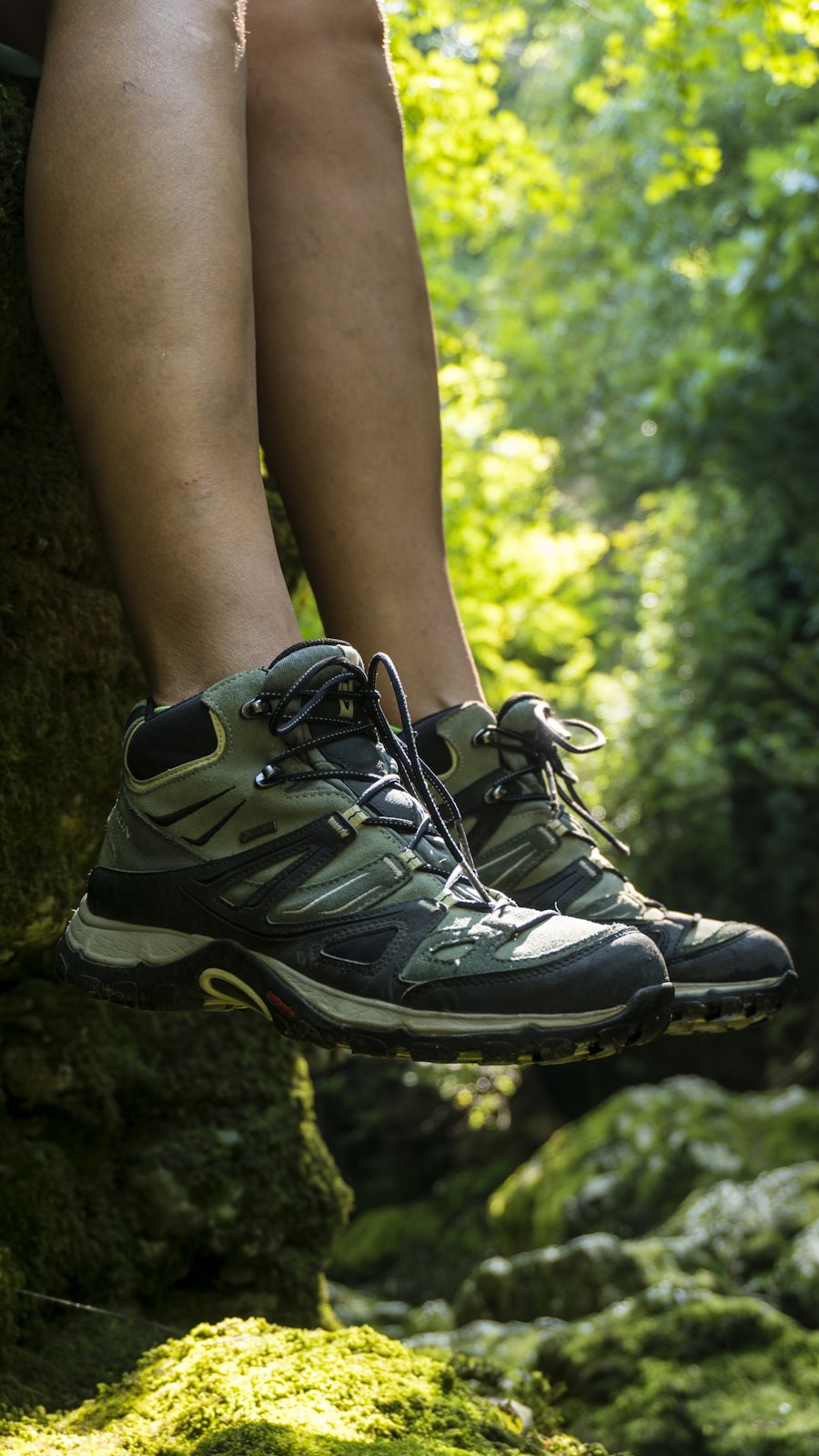
Finding hiking boots near you is easier when you know which stores are worth checking and what to look for once you get there. Specialty outdoor shops, national outdoor retailers, sporting-goods stores, department stores, secondhand shops, and local-pickup services can all be useful, but the best choice depends on your feet, your trail conditions, and how quickly you need the boots.
Quick Answer
The best places to buy hiking boots near you are specialty outdoor shops, REI, DICK’S Sporting Goods, Academy Sports + Outdoors, Bass Pro Shops/Cabela’s, and some department stores. Check local inventory online before driving over, then try boots on with your hiking socks. Prioritize fit, toe room, heel hold, and terrain needs over brand.
Key Takeaways
- Specialty outdoor stores are usually the best choice when you need expert fitting help or want to compare several performance-focused hiking brands.
- REI, DICK’S Sporting Goods, Academy Sports + Outdoors, Bass Pro Shops, and Cabela’s offer hiking footwear, although exact brands and sizes vary by location.
- Check store inventory by ZIP code and reserve or order your size for pickup when possible before making the trip.
- A hiking boot should feel snug but not tight, hold your heel securely, and leave room for your toes to move without hitting the front on descents.
- Used boots can save money, but inspect the outsole, midsole, lining, waterproof membrane, and bonding before buying.
Disclosure: As an Amazon Associate I earn from qualifying purchases. Some links on this page are affiliate links, at no extra cost to you.
Best Places to Buy Hiking Boots Near You
The best retailer depends on whether you value expert fitting, a large selection, low prices, or same-day pickup. A local specialty shop may offer the most personal service, while a large chain can make it easier to check inventory online before leaving home.
| Store Type | Best For | What to Check |
|---|---|---|
| Local outdoor shop | Personal fitting and local trail knowledge | Brands, widths, return policy, fitting service |
| Specialty outdoor chain | Large technical selection and footwear advice | Local size availability and pickup time |
| Sporting-goods store | Convenience, sales, and major brands | Whether the location carries hiking-specific footwear |
| Department store | Casual hikers and value shopping | Trail suitability rather than appearance alone |
| Secondhand shop | Budget purchases and lightly used gear | Sole wear, midsole condition, lining, fit, and delamination |
| Online order with store pickup | Finding a specific size quickly | Pickup eligibility and return rules |
Local Outdoor Retailers
Independent outdoor retailers can be one of the best places to buy hiking boots because their staff often know the terrain and weather conditions in the surrounding area. A shop near mountain trails may stock stiffer backpacking or approach footwear, while a store serving flatter and warmer areas may emphasize lighter hiking shoes and breathable boots.
Local shops can also provide services that are difficult to duplicate online. Staff may measure your feet, compare several lasts or widths, suggest socks or insoles, and help you test whether your heel slips or your toes hit the front of the boot.
Many independent retailers also host workshops, group hikes, navigation classes, and gear demonstrations. These events can be useful when you are learning which equipment fits the type of hiking available in your area.
Pro Tip: Bring the hiking socks you normally wear when shopping for boots. Sock thickness changes how much room your foot takes up inside the footwear and can noticeably affect the fit.
Specialty Hiking and Camping Stores
Expert Staff and Personalized Services
Specialty hiking and camping stores are especially useful when you are buying your first serious pair of hiking boots, changing to a new brand, dealing with unusually wide or narrow feet, or preparing for a demanding trip. Staff at these stores often work with hiking footwear every day and can help compare different boot shapes rather than simply matching your normal street-shoe size.
REI’s current hiking-footwear guidance recommends a fit that is snug everywhere without being tight and leaves enough space for the toes to wiggle. It also recommends trying boots later in the day, when feet may be somewhat larger, and wearing the socks you intend to hike in.
Rental Services for Accessibility
Some outdoor shops rent equipment, particularly technical climbing or mountaineering footwear, snow gear, and other expensive equipment. Everyday hiking boots are not rented as consistently as tents, packs, snowshoes, skis, or technical equipment, so call the outfitter before relying on rental availability.
Renting can make sense when you need specialized footwear for one trip or want to test a particular type of technical boot before buying.
Curated Selection of High-Quality Products
Unlike a general retailer, an outdoor specialty store may stock several types of hiking footwear, including lightweight hiking shoes, waterproof day-hiking boots, backpacking boots, winter hiking boots, approach shoes, and technical mountaineering footwear.
For example, REI’s hiking-boot catalog includes day-hiking, backpacking, and winter options and allows shoppers to check store pickup availability based on location.
Sporting Goods Stores
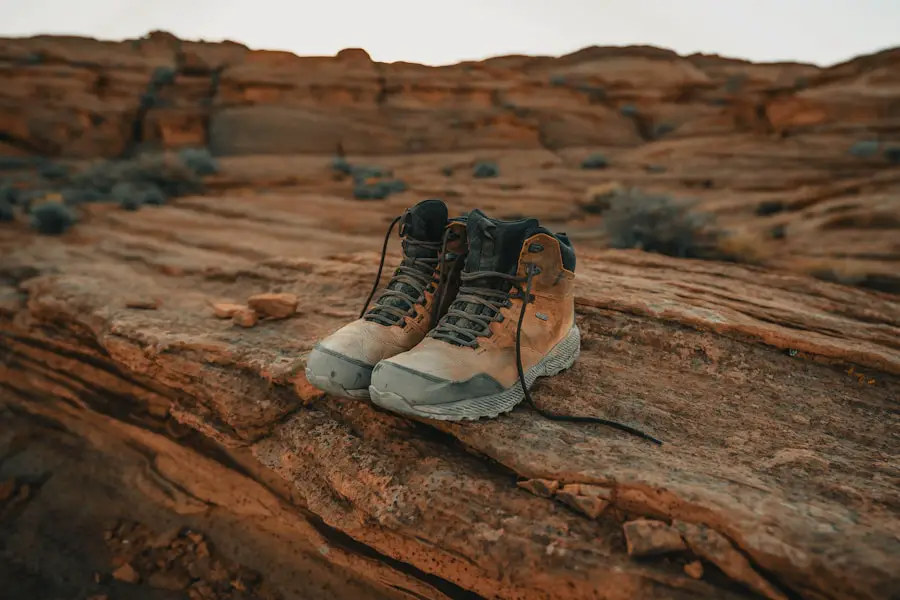
Large sporting-goods stores are another convenient place to buy hiking boots. Chains such as DICK’S Sporting Goods and Academy Sports + Outdoors carry hiking footwear from multiple outdoor brands, although the exact selection varies by store and season.
DICK’S Sporting Goods currently carries dedicated hiking footwear and offers pickup services for eligible local inventory. Its pickup program advertises free one-hour pickup on qualifying orders, making it useful when you need footwear shortly before a trip.
Academy Sports + Outdoors also lists men’s, women’s, children’s, and waterproof hiking footwear. Academy states that its stores support in-store pickup for eligible online orders through its buy-online, pick-up-in-store service.
Bass Pro Shops and Cabela’s are also worth checking, particularly if you want hiking footwear alongside camping or hunting equipment. Cabela’s currently maintains a dedicated hiking-boot selection, while Bass Pro Shops allows customers to check store availability for many products by choosing a location.
Note: A retailer may sell a boot online without stocking your size at the nearest store. Select your preferred location and shoe size before making the trip, and call the store when availability is especially important.
Department Stores
Department stores can work for casual hikers, shoppers on a budget, or anyone who wants to combine footwear shopping with other errands. Their hiking selection is usually less technical than what you will find at a dedicated outdoor store, so compare the footwear’s intended use rather than choosing a boot only because it looks rugged.
| Department Store | Hiking-Footwear Usefulness | Best Approach |
|---|---|---|
| Macy’s | Selection varies and may include fashion-oriented hiking styles as well as outdoor footwear. | Check whether a boot is designed for actual trail use before buying. |
| Kohl’s | Carries hiking shoes and boots from outdoor and footwear brands. | Use the local-store and pickup filters to check nearby availability. |
| JCPenney | Outdoor-footwear selection can vary considerably by location and season. | Verify the exact model and size before visiting. |
For a current example, Kohl’s maintains a hiking-footwear category and provides local-store selection tools. Department stores can also offer sales, loyalty discounts, or convenient returns, but those benefits should come after proper fit and trail suitability.
Online Retailers with Local Pickup Options
Online ordering does not necessarily mean waiting for a package. Many major outdoor and sporting-goods retailers let you select a nearby store, view eligible inventory, order the exact size you need, and pick it up locally.
This approach is particularly useful when you already know which boot model and size fits you. It can also save an unnecessary drive if your closest store is out of stock.
How to Find Hiking Boots Near You Today
- Choose a nearby retailer. Start with an outdoor specialty store, REI, DICK’S, Academy, Bass Pro Shops, Cabela’s, or another local outdoor shop.
- Set your location. Enter your ZIP code or city so the retailer shows inventory for the nearest stores rather than its full online catalog.
- Select your exact size and width. A model showing “in stock” may not be available locally in the size you need.
- Check the pickup estimate. Look for wording such as “store pickup,” “ready today,” or a specific estimated pickup time.
- Call ahead when necessary. For a trip happening the same day, confirming inventory with the store can prevent a wasted drive.
Online ordering works best when you already know the brand and model. When trying an unfamiliar boot, in-person fitting is usually the safer choice because two boots marked with the same numerical size can fit differently in width, heel shape, toe-box volume, and overall foot volume.
How Hiking Boots Should Fit Before You Buy
The store matters less than getting the right fit. Hiking footwear should feel secure without squeezing the foot. Your heel should remain reasonably stable when you walk, while your toes should have enough room that they do not strike the front of the boot when descending.
- Wear your hiking socks. Do not judge the fit using thin dress socks if you normally hike in thicker socks.
- Check toe room. Your toes should be able to move without being crushed against the front or sides.
- Watch for heel movement. Excessive slipping can create friction and hot spots.
- Check width and volume. A longer size is not always the solution to a boot that feels too narrow.
- Walk on an incline if possible. Some outdoor stores provide ramps or test surfaces that help reveal toe impact and heel lift.
- Try boots later in the day. Feet commonly become somewhat larger during daily activity.
- Do not assume painful boots will become perfect after break-in. Some stiff footwear softens with use, but a fundamentally poor shape or size is unlikely to become a good fit.
Warning: Do not buy a hiking boot simply because the length seems correct if you feel numbness, pinching, painful pressure points, significant heel movement, or repeated toe contact with the front. Those problems can become much worse after several miles on the trail.
Hiking Boots vs. Hiking Shoes
You may discover that you do not need a traditional high-cut hiking boot at all. Lightweight hiking shoes can work well for maintained trails, warm conditions, shorter outings, and hikers who prefer a more flexible feel. Hiking boots generally provide a more substantial upper and more underfoot protection, which can be useful on rough terrain or when carrying heavier loads.
Waterproof footwear can help in wet or muddy conditions but can also feel warmer and less breathable. For hot, dry hiking, some people prefer non-waterproof footwear that releases heat and dries more quickly. Match the footwear to the terrain and weather you actually expect rather than automatically choosing the heaviest boot available.
Secondhand and Consignment Shops
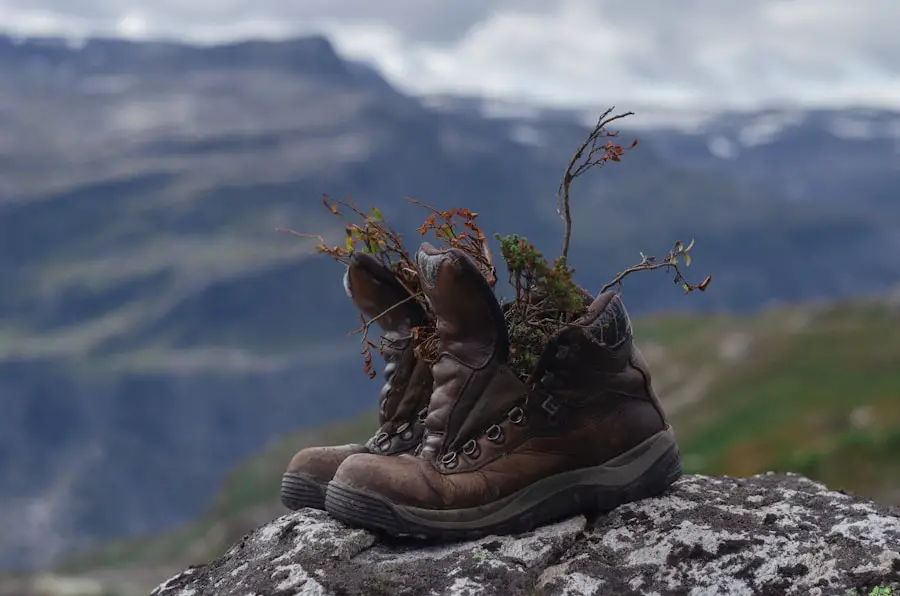
Secondhand and consignment shops can be useful for budget-minded hikers, especially when they carry lightly used outdoor gear from established brands. Used backpacks, trekking poles, camp cookware, and clothing can offer substantial value, and hiking footwear sometimes appears as well.
Boots require more careful inspection than many other used items because they mold to the previous owner’s feet and contain cushioning and adhesives that wear with age.
What to Check Before Buying Used Hiking Boots
- Outsole: Look for uneven wear, missing tread, cracks, or sections worn nearly smooth.
- Midsole: Avoid footwear that feels collapsed, brittle, badly compressed, or uneven underfoot.
- Bonding: Inspect the area where the upper and sole meet for separation or failing adhesive.
- Interior: Check heel lining, insoles, seams, and padding for excessive wear.
- Waterproof construction: A used boot labeled waterproof may no longer perform like a new one if the membrane, seams, or upper have been damaged.
- Fit: Wear the boot long enough to determine whether its existing wear pattern causes pressure or instability.
Warning: Pass on used boots with major sole separation, cracked structural components, severe tread wear, or an obviously collapsed midsole. A low purchase price is not worthwhile if the footwear fails during a hike.
Buying secondhand also keeps usable equipment in circulation longer. For expensive gear, consignment stores can be particularly helpful because they may carry premium products that would otherwise exceed a shopper’s budget.
Local Farmers’ Markets and Craft Fairs
Farmers’ markets and craft fairs are not usually the best places to buy technical hiking boots, but they can still complement an outdoor shopping trip. Local vendors may sell handmade hiking accessories, trail snacks, wool goods, hats, camping utensils, soaps, or small repair items.
These markets also provide an opportunity to support local makers and learn about nearby outdoor areas. A vendor who spends time hiking locally may have useful suggestions about trails, weather, or regional products, but footwear that will be used on long or rugged hikes is better purchased from a seller that can provide accurate sizing and clear product specifications.
Outdoor Gear Rental Companies
Outdoor gear rental companies are useful when you need expensive equipment for a single trip or want to test a category of gear before buying. Rental businesses commonly focus on items such as tents, backpacks, sleeping systems, snowshoes, skis, climbing equipment, kayaks, or bikes.
Footwear availability varies more. Some mountaineering and climbing outfitters rent specialized boots for technical objectives, while ordinary day-hiking boots may not be offered at all. Check the outfitter’s inventory before assuming footwear is available.
When renting footwear, try it on carefully and inspect the sole, laces, fastening hardware, interior, and overall condition. Ask the rental company what to do if the footwear develops a problem during your trip.
Should You Buy Hiking Boots Online or In Person?
Buying in person is usually the better choice when you are purchasing your first hiking boots, changing brands, trying a different width, or preparing for a demanding backpacking trip. You can compare several shapes immediately and identify pressure points before committing.
Online purchasing is more convenient when you already know the exact model and size that works for you. It can also provide access to colors, widths, or sizes that a local store does not stock. Before ordering, read the retailer’s return policy and avoid wearing returnable footwear outdoors until you are satisfied with the indoor fit.
The best hiking boot is not the one with the most famous logo. It is the one that fits your foot comfortably and matches the terrain you actually hike.
If you’re planning a larger camping or travel-trailer trip alongside your hike, the TakeTravelInfo article on the 5 Best Travel Trailer Batteries to Power Your Spring Adventures in 2025 may also be useful for planning your campsite power setup.
Love travel? Join Our Facebook Community
Frequently Asked Questions
Where can I buy hiking boots near me?
Start with local outdoor shops and active national retailers such as REI, DICK’S Sporting Goods, Academy Sports + Outdoors, Bass Pro Shops, and Cabela’s. Search each retailer by ZIP code or city and select your size before visiting because local inventory can differ from the full online selection.
Are there department stores that sell hiking boots?
Yes. Department stores such as Kohl’s and some Macy’s or JCPenney locations may carry hiking or outdoor-style footwear. Selection varies, however, and dedicated outdoor or sporting-goods stores usually offer more performance-focused choices and fitting assistance.
Can I purchase hiking boots online?
Yes. Hiking boots are widely available from outdoor retailers, sporting-goods stores, footwear manufacturers, and large online stores. Buying online is easiest when you already know the model and size that fit you. Check the return policy before ordering an unfamiliar boot.
What should I consider when buying hiking boots?
Consider the terrain, trip length, expected weather, pack weight, fit, width, toe room, heel hold, outsole traction, underfoot protection, breathability, and whether you actually need waterproof footwear. Comfort and correct fit should take priority over brand or appearance.
Do I need to try on hiking boots before buying them?
Trying them on is strongly recommended when you are buying your first pair or changing brands or models. Wear your hiking socks, walk around, check for heel movement and pressure points, and make sure your toes do not hit the front. Online ordering is less risky when you already know the exact model and size.
Can I order hiking boots online and pick them up the same day?
Often, yes, when the exact model and size are already stocked locally. Retailers such as DICK’S, REI, and Academy offer local pickup for eligible inventory. Pickup times vary by product and location, so confirm the estimated ready time before traveling to the store.
Is it safe to buy used hiking boots?
Lightly used boots can be a good value when they fit correctly and remain in good condition. Inspect the tread, midsole, upper, lining, stitching, and bonding carefully. Avoid boots with serious sole separation, major structural damage, heavy uneven wear, or badly compressed cushioning.
Sources
- REI Co-op — How to Choose Hiking Boots and Hiking Shoes — hiking-footwear types, fit, sizing, socks, and try-on guidance.
- REI Co-op — Hiking Boots — current hiking-boot categories and local store-pickup filtering.
- DICK’S Sporting Goods — Order Pickup — current in-store and curbside pickup information.
- Academy Sports + Outdoors — Buy Online, Pick Up in Store — local pickup availability and eligibility details.
- Cabela’s — Hiking Boots — current hiking-footwear selection.
- Kohl’s — Hiking Boots and Shoes — current department-store hiking-footwear availability.

