Last Updated on September 10, 2026 by Daniel Globe
Hiking in 50-degree weather can feel pleasantly cool while you are moving and surprisingly cold when you stop, especially when wind or rain enters the picture. The best approach is not one heavy jacket. Wear light, adjustable layers that manage sweat, block wind, and give you enough extra warmth for rest breaks or worsening weather.
Quick Answer
For hiking around 50°F, start with a moisture-wicking synthetic or merino shirt, lightweight hiking pants, wool or synthetic socks, and suitable trail shoes. Carry a light fleece plus a wind or rain shell. In wet, windy, shaded, high-elevation, or slow-moving conditions, add more insulation and keep a dry layer in your pack.
Key Takeaways
- At 50°F, most hikers need light, adjustable layers rather than a heavy winter coat.
- Use synthetic or merino clothing next to your skin and avoid cotton when cold rain or prolonged wet conditions are possible.
- A light fleece is useful for cool starts and rest stops; a packable insulated jacket adds insurance for colder or slower trips.
- Carry a wind shell for dry, breezy conditions or a waterproof rain shell when meaningful rain is possible.
- Choose hiking shoes or boots for the terrain and moisture conditions, not the temperature alone.
- Check the forecast, elevation, wind, precipitation, trail conditions, and length of the hike before deciding what stays on your body and what stays in your pack.
At a Glance
| Time Required | About 5–10 minutes to check conditions and choose layers |
| Difficulty | Easy, but conditions can change quickly |
| Gear Needed | Wicking shirt, hiking pants, socks, suitable footwear, light insulation, weather shell, small daypack |
| Typical Setup | Base shirt + hiking pants while moving; fleece and shell carried or added as conditions require |
Disclosure: As an Amazon Associate I earn from qualifying purchases. Some links on this page are affiliate links, at no extra cost to you.
What to Wear Hiking in 50-Degree Weather
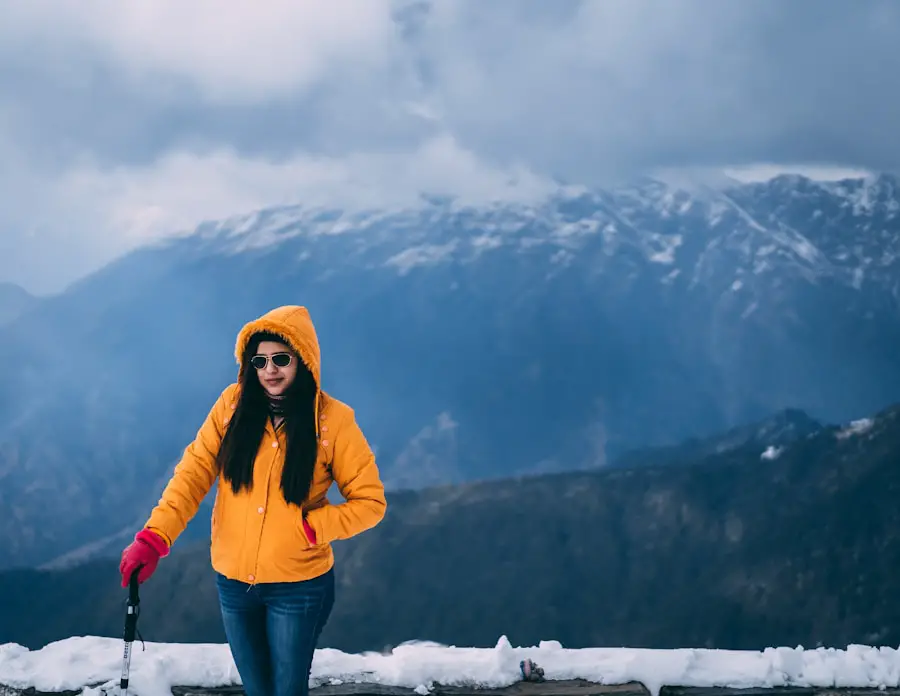
There is no single perfect outfit for every 50°F hike because sun, wind, rain, humidity, elevation, trail difficulty, pace, and personal metabolism all change how warm you feel. A steep climb in full sun can make 50°F feel warm. Standing on an exposed, rainy ridge at the same temperature can feel very cold.
A practical starting outfit for an average day hike is:
- Lightweight synthetic or merino short- or long-sleeve shirt
- Lightweight hiking pants
- Wool or synthetic hiking socks
- Trail shoes or hiking boots suited to the terrain
- Light fleece carried in the pack or worn during a cool start
- Wind shell or waterproof rain shell
- Light hat and thin gloves when wind, shade, elevation, or cooler temperatures are expected
If you naturally run warm or will climb steadily, you may hike comfortably in only the base shirt and pants. If you run cold, move slowly, expect long stops, or will be exposed to wind and rain, carry more insulation.
The thermometer is only one part of the decision. At 50°F, wind, rain, sweat, elevation, and whether you are moving or resting can matter just as much as the air temperature.
Base Layer Options for 50°F Hiking
The base layer sits against your skin and helps move perspiration away while you hike. For most active hikes around 50°F, a lightweight base layer is more useful than a thick thermal shirt.
Good options include polyester, nylon blends, merino wool, or blends of synthetic fibers and wool. The National Park Service’s Denali hiking guidance recommends fleece, polypropylene, synthetic, or wool underlayers and advises against cotton in cool, wet environments because cotton stays wet and offers little insulation.
Synthetic Base Layers
Synthetic shirts are generally quick-drying, durable, and well suited to high-output hiking. They are a strong choice if you expect to sweat heavily on climbs.
Merino Wool Base Layers
Merino wool is comfortable across a broad temperature range and is popular for hiking because it manages moisture while providing some insulation. It can be especially appealing for longer trips where odor control matters.
Should You Wear Thermal Underwear at 50°F?
Usually, a heavy thermal top is unnecessary while actively hiking at 50°F. A lightweight long-sleeve base layer can make sense if you run cold, start before sunrise, hike slowly, or expect temperatures to fall.
Base-layer bottoms are also optional at this temperature. Most hikers can use regular hiking pants alone. Lightweight leggings become more useful when the forecast is closer to the low 40s, strong wind is expected, or the hike includes long inactive periods.
Warning: Avoid relying on cotton T-shirts, sweatshirts, or jeans when a cool hike could become wet. Wet clothing combined with wind and falling temperatures can accelerate heat loss.
Insulating Layer Choices
The insulating layer traps warm air around your body. At 50°F, you may not need insulation while climbing, but carrying a light insulating layer is wise for breaks, exposed viewpoints, unexpected delays, and colder conditions later in the day.
Lightweight Fleece
A light fleece is one of the most versatile choices for 50-degree hiking. It breathes well during activity and adds useful warmth when you slow down. A quarter-zip or full-zip design makes ventilation easier when your effort level changes.
Down Jacket
Down provides an excellent warmth-to-weight ratio and packs into a small space, making a light down jacket useful as an emergency or rest-stop layer in dry conditions. It is generally better to carry it in your pack during strenuous climbs rather than sweat into it.
Synthetic Insulated Jacket
Synthetic insulation is often preferable when sustained moisture is likely. Patagonia’s current down-versus-synthetic insulation guidance notes that down is especially useful for lightweight warmth in dry conditions, while synthetic insulation retains useful warmth better when wet.
Pro Tip: Do not wait until you are sweating heavily to remove a layer. Open a zipper, remove your fleece, or slow your pace early. Staying reasonably dry makes it easier to remain comfortable when you reach a windy summit or stop for lunch.
Outer Shell Selection
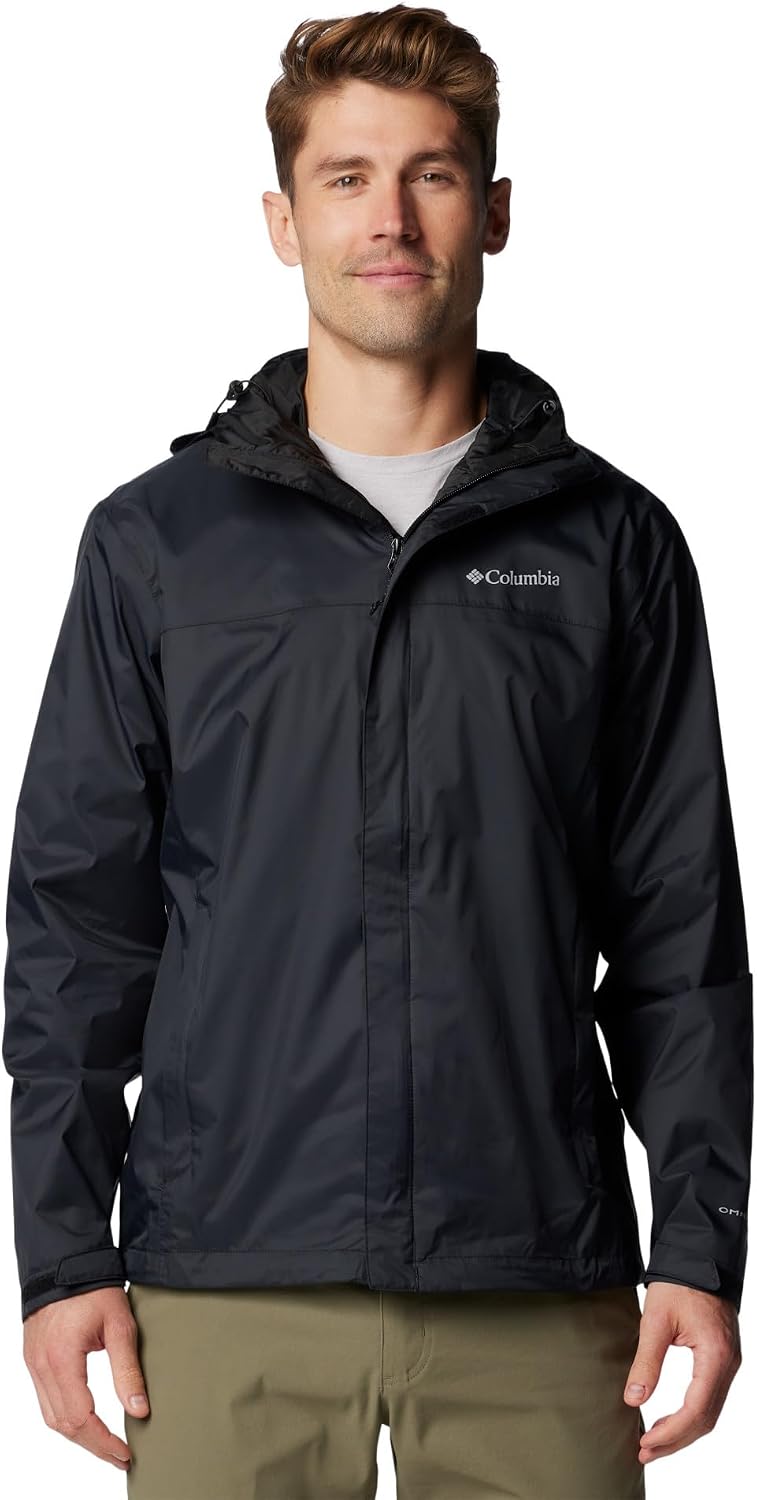
Your shell protects you from wind and precipitation. At 50°F, this layer can make a bigger difference than adding a much thicker base layer because wind and rain can rapidly change how cold conditions feel.
| Conditions | Best Shell Choice |
| Dry and calm | You may not need to wear a shell, but carry one if weather could change. |
| Dry and windy | A lightweight wind shell can provide protection with less bulk. |
| Light, brief showers | A weather-resistant shell may be adequate when the forecast and route make retreat easy. |
| Steady rain or exposed terrain | Carry a properly waterproof rain shell with a hood. |
Waterproof and breathable shells are designed to reduce rain penetration while allowing some moisture vapor to escape. Current GORE-TEX garment specifications, for example, describe the company’s waterproof garments as durably waterproof, windproof, and breathable.
Features such as pit zips, adjustable cuffs, a usable hood, and a hem drawcord can be especially helpful because they let you control ventilation without removing the jacket completely.
Note: A windbreaker and a waterproof rain jacket are not the same thing. A light wind shell can be excellent in dry weather, but it should not replace true rain protection when sustained precipitation is likely.
What Pants to Wear Hiking at 50°F
Lightweight or midweight hiking pants are the safest all-around choice for most 50°F hikes. Look for fabric that allows easy movement, dries reasonably quickly, and blocks at least some wind.
Soft-shell pants can work well in exposed or breezy terrain. Very heavy insulated pants are normally unnecessary unless the temperature will fall substantially, you will spend long periods standing still, or snow and severe wind are part of the trip.
Shorts can be comfortable for hikers who run warm on strenuous, dry routes. However, pants offer more protection from brush, ticks, sun, wind, and rapidly changing weather.
Footwear Considerations
Temperature alone does not determine whether you need boots. Terrain, mud, water, snow, ankle stability, load, and personal preference matter more.
For a maintained, dry day-hiking trail, well-fitting trail-running shoes or low hiking shoes with good traction can work well. Rugged, muddy, snowy, rocky, or off-trail routes may justify more supportive hiking boots.
The National Park Service’s Hike Smart guidance recommends proper walking shoes with suitable traction and wool or synthetic socks for longer hikes. Denali National Park specifically recommends sturdy boots for its rough off-trail terrain while noting that low hiking shoes or running shoes with good tread can be acceptable in less demanding circumstances.
Do You Need Waterproof Hiking Boots at 50°F?
Not automatically. Waterproof footwear is useful when you expect wet vegetation, mud, shallow puddles, cold rain, or snow. On a dry trail, breathable non-waterproof footwear may be more comfortable and can dry faster if it does become wet.
Choose the Right Socks
Wear wool or synthetic hiking socks rather than cotton socks. Make sure the thickness matches the volume of your footwear so your toes have enough room and your heel does not slide excessively.
An extra dry pair of socks is a small addition to your pack that can make a large difference after an unexpected soaking.
Headwear and Accessories
Small accessories provide an easy way to adjust warmth without changing your entire outfit.
On a sunny hike, use a brimmed hat or cap for sun protection. On a colder, shaded, or exposed route, a lightweight beanie can provide welcome warmth during stops.
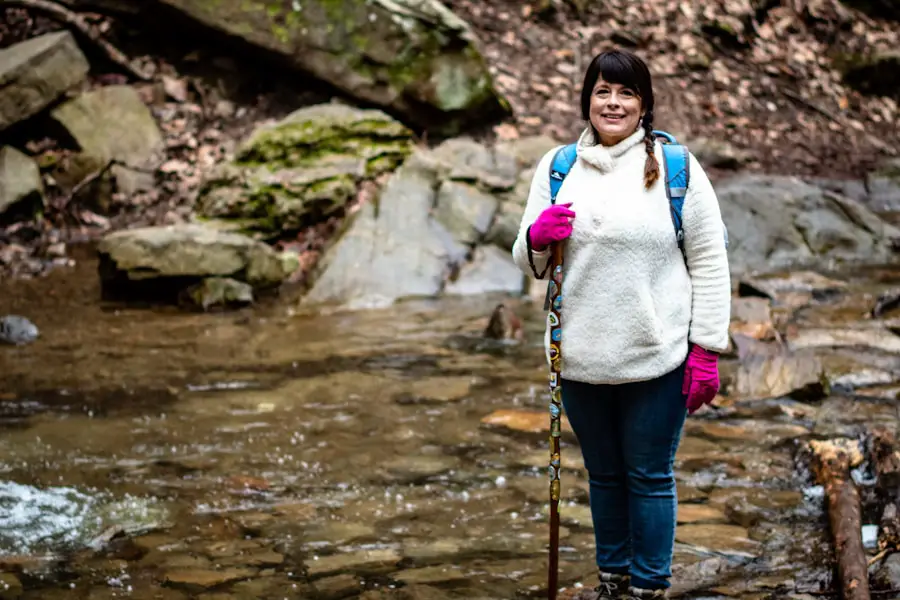
Thin gloves are worth carrying when temperatures could drop into the 40s or when wind is expected. A neck gaiter is another compact option that can protect your neck and lower face from cool wind.
You usually do not need expedition-weight gloves, insulated winter hats, or heavy balaclavas for an ordinary 50°F hike, but your planned elevation and overnight low may justify warmer gear.
How to Adjust Your Layers During the Hike
At the Trailhead
It is normal to feel slightly cool before you start a strenuous hike. If you begin a climb feeling very warm, you may start sweating heavily within minutes.
While Climbing
Remove the fleece, open jacket vents, or roll up sleeves before you become soaked with sweat. Your base layer may be all you need during a sustained uphill section.
At the Summit or During Breaks
Add warmth before you become chilled. A fleece or packable insulated jacket can be especially valuable when your body stops generating as much heat.
During the Descent
You may need a layer again because downhill hiking often produces less heat than a hard ascent. Wind exposure can also increase on open ridges.
How Rain and Wind Change a 50°F Hiking Outfit
A calm, sunny 50°F afternoon and a rainy, windy 50°F morning require very different clothing.
Dry and Sunny
A lightweight wicking shirt and hiking pants may be enough while moving. Carry a fleece and shell rather than wearing everything from the start.
Windy
Add a wind-resistant outer layer. A shell can prevent wind from stripping away the warm air trapped around your body without forcing you into a much heavier insulated jacket.
Rainy
Use a waterproof shell and keep an insulating layer protected inside your pack. Rain pants can be worthwhile when steady rain, wet vegetation, or prolonged exposure is expected.
High Elevation
Expect conditions to differ from the trailhead. Rocky Mountain National Park advises hikers to prepare for changing weather with wicking clothing, waterproof outer layers, extra warmth, socks, a hat, and gloves. Conditions at higher elevations can change rapidly.
Warning: Do not assume 50°F is too warm for cold-related illness. Olympic National Park warns that hypothermia can occur at temperatures as high as 50°F during exposure to cold, rain, and wind. Shivering, clumsiness, unusual tiredness, and poor judgment are warning signs. Get the person sheltered, replace wet clothing with dry insulation, and seek appropriate medical help when hypothermia is suspected.
Backpack and Gear Essentials
A small daypack gives you room to remove layers instead of wearing unnecessary clothing just because you have nowhere to store it. Choose a pack large enough for your shell, insulation, food, water, and emergency equipment.
The National Park Service Ten Essentials recommends carrying systems for navigation, sun protection, extra clothing, illumination, first aid, fire, repair, food, hydration, and emergency shelter. NPS specifically includes jackets, hats, gloves, rain shells, and other layers in its extra-clothing category.
For a typical 50°F day hike, useful items include:
- Weather shell
- Extra insulating layer
- Water
- Food and extra snacks
- Navigation tools
- Headlamp
- Basic first-aid supplies
- Emergency shelter appropriate to the trip
- Sun protection
- Extra dry socks
If your hiking trip is part of a longer flight or international journey, keep critical trail layers such as your rain shell and hiking footwear easy to access rather than buried in checked luggage. This guide to the best carry-on luggage for international travel can also help when organizing the travel portion of a hiking trip.
Tips for Staying Comfortable and Safe
Check the local forecast, precipitation probability, wind, elevation, and trail conditions shortly before leaving. Mountain forecasts can change, and the temperature at an exposed summit may differ significantly from conditions where you parked.
Tell someone where you plan to hike and when you expect to return. Carry enough clothing for conditions that are reasonably possible, not just what you expect at the warmest part of the day.
Drink water and eat during longer hikes. Cool weather can make thirst less obvious, but you still lose fluid during physical activity.
Know your limits and be willing to turn around. Clothing cannot compensate for severe weather, unsafe snow, lightning, flooded crossings, or conditions beyond your skills.
If you become soaked and start getting cold, prioritize shelter from rain and wind. Change into dry layers when possible. The CDC’s hypothermia guidance advises removing wet clothing and warming the body’s core when hypothermia is suspected.
Frequently Asked Questions
What should I wear for hiking in 50-degree weather?
Start with a synthetic or merino moisture-wicking shirt, lightweight hiking pants, wool or synthetic socks, and trail-appropriate footwear. Carry a light fleece and a wind or waterproof shell so you can adjust as your activity level and the weather change.
What are good moisture-wicking base layers?
Polyester, nylon blends, merino wool, and wool-synthetic blends are common choices. Lightweight fabrics are normally enough for an active hike around 50°F.
What insulating layer works best at 50°F?
A lightweight fleece is a versatile choice. A thin down or synthetic insulated jacket can stay in your pack for rest stops, colder hikers, high elevation, falling temperatures, or unexpected delays.
Do I need a waterproof jacket at 50°F?
Carry one when rain is reasonably possible or when the route is remote enough that getting soaked would create a safety problem. In dry, breezy conditions, a lighter wind shell may be more comfortable.
What pants should I wear hiking in 50-degree weather?
Lightweight or midweight hiking pants work well for most people. Base-layer leggings are usually unnecessary unless you run cold, expect strong wind, move slowly, or anticipate temperatures dropping well into the 40s.
What footwear is recommended for hiking at 50°F?
Choose footwear for the trail rather than the temperature. Trail shoes can work well on maintained dry routes, while supportive hiking boots may be better for rocky, muddy, wet, snowy, or off-trail terrain.
Can I wear shorts when hiking at 50°F?
Some warm-running hikers are comfortable in shorts during strenuous, dry hikes at 50°F. Pants are more versatile because they provide extra protection from wind, brush, insects, sun, and falling temperatures.
Is 50°F cold enough for hypothermia?
Yes, under the wrong conditions. Prolonged exposure to rain, wind, wet clothing, fatigue, and falling temperatures can cause dangerous heat loss even around 50°F. Staying dry and carrying weather protection and insulation are important.
Sources
- Olympic National Park — Wilderness Safety — cold, rain, wind, clothing, and hypothermia guidance.
- National Park Service — Ten Essentials — extra clothing, navigation, illumination, first aid, food, water, and emergency preparedness.
- Denali National Park — Discovery Hike Preparation — layering materials, cotton avoidance, rain gear, and footwear.
- National Park Service — Hike Smart — hiking footwear, socks, equipment, hydration, and trail safety.
- Centers for Disease Control and Prevention — Preventing Hypothermia — recognizing and responding to dangerous cold exposure.
- GORE-TEX — Garment Technology — waterproof, windproof, and breathable shell performance.