
Last Updated on July 25, 2026 by Daniel Globe
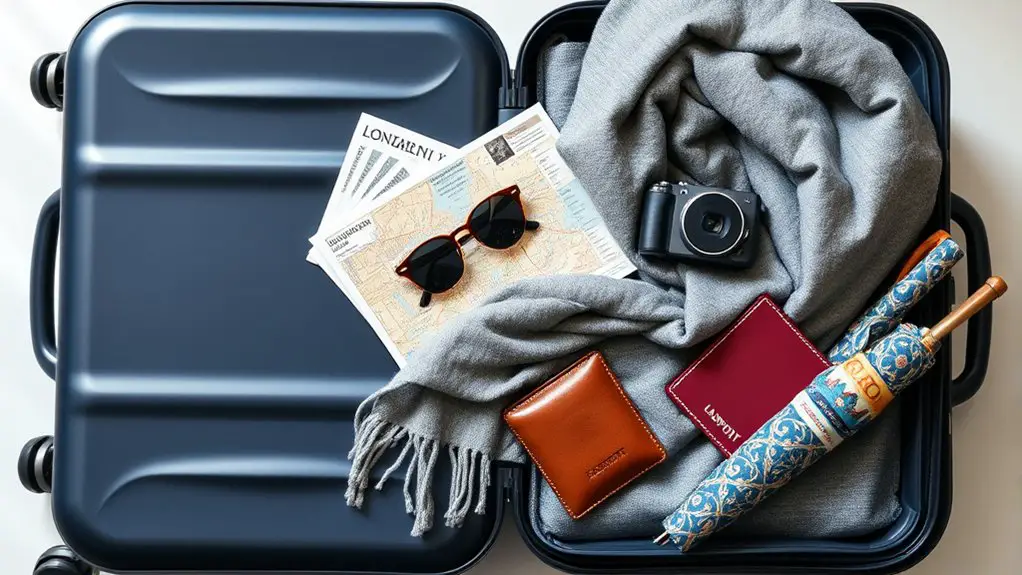
Knowing what to pack for London is mostly about preparing for changing weather, long days on foot, and a few UK-specific travel requirements. Build your luggage around comfortable layers, a lightweight waterproof jacket, supportive walking shoes, essential documents, a Type G plug adapter, your phone and charger, medications, and a secure day bag. Check the latest forecast, your airline rules, and UK entry requirements before you leave.
Quick Answer
For London, pack comfortable walking shoes, mix-and-match layers, a lightweight waterproof jacket, your passport and required ETA or visa, a Type G plug adapter, phone and charging gear, familiar toiletries, medications, contactless payment options, and a secure day bag. Check the London forecast and airline baggage rules before departure.
Disclosure: As an Amazon Associate I earn from qualifying purchases. Some links on this page are affiliate links, at no extra cost to you.
Key Takeaways
Key Takeaways
- Pack layers rather than relying on one heavy outfit because London weather can change during the day.
- Bring comfortable walking shoes and a lightweight waterproof outer layer in every season.
- Check whether you need a UK ETA or visa before traveling; many visa-exempt visitors now need an ETA.
- UK outlets use Type G plugs and approximately 230V/50Hz electricity; an adapter does not convert voltage.
- Keep power banks in your carry-on and check current airline and aviation rules before flying.
- Contactless cards and mobile wallets are convenient in London, but keep a backup payment method.
- Check the liquid-security rules for every airport on your itinerary because requirements can differ.
Essential Clothing and Footwear

London is a walking city, so comfort should guide your clothing choices. You may spend the same day riding the Tube, walking through parks, visiting museums, eating in a restaurant, and standing outdoors at an attraction.
Start with a small capsule wardrobe of pieces that work together:
- Breathable T-shirts or tops
- One or two long-sleeve shirts
- A sweater, fleece, or cardigan
- Comfortable trousers, jeans, skirts, or other bottoms you already wear regularly
- Underwear and socks for the length of your trip or enough to reach your next laundry day
- Sleepwear
- One slightly dressier outfit if you have theatre, restaurant, or evening plans
Neutral or coordinating colors make it easier to repeat pieces without packing a separate outfit for every day.
For footwear, prioritize shoes you have already broken in. Comfortable sneakers or supportive walking shoes work well for most sightseeing. Waterproof or water-resistant footwear can be useful during wetter months, but heavy hiking boots are unnecessary for a typical city break unless your itinerary includes countryside walks.
Pro Tip: Do not make London the first place you wear brand-new shoes. A comfortable pair you have already walked several miles in is usually more valuable than a fashionable pair that causes blisters.
What to Pack for London by Season
London has a relatively mild climate, but conditions can vary considerably. The official London visitor guide describes the weather as unpredictable and recommends checking the forecast shortly before your trip. Summer heatwaves above 30°C (86°F) can occur, while typical winter conditions are much cooler.
| Season | Useful Clothing |
| Spring | T-shirts, sweater or cardigan, lightweight trousers, comfortable shoes, waterproof shell, compact umbrella. |
| Summer | Breathable tops, lighter bottoms, sunglasses, sun protection, refillable bottle, light rain layer, plus one warmer layer for cooler evenings. |
| Autumn | Long sleeves, knitwear, trousers, rain-resistant shoes, waterproof jacket, and a scarf as temperatures fall. |
| Winter | Warm sweater or fleece, insulated or weather-resistant coat, warm socks, hat, scarf, gloves, and shoes suited to cold or wet pavement. |
See the official Visit London weather guide and check a current forecast shortly before departure rather than packing from seasonal averages alone.
Weather-Appropriate Outerwear
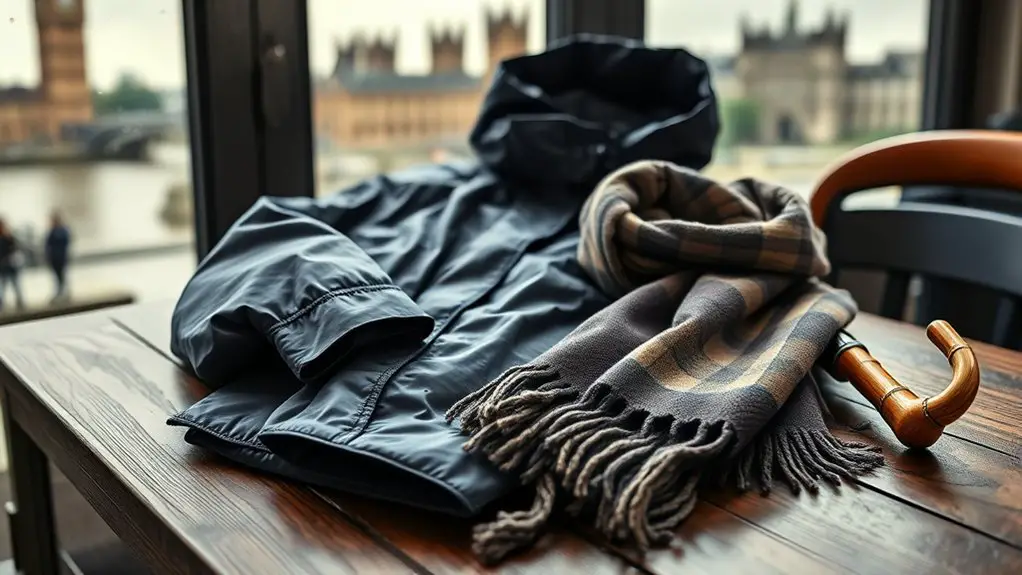
A lightweight waterproof or genuinely water-resistant outer layer is useful throughout much of the year. Choose something you can wear over your normal layers without taking up half your suitcase.
For cooler weather, place warmth underneath the weatherproof shell with a sweater, fleece, or wool layer. This is more adaptable than relying on one very heavy coat when temperatures change between morning, afternoon, public transport, and indoor attractions.
London packing works best in layers: a comfortable base, a removable warm layer, and weather protection on top.
A compact umbrella is handy, although a hooded rain jacket can be easier on windy days and in crowded streets.
For winter, choose a warmer coat and add a scarf, gloves, and hat. During warm summer periods, skip insulated outerwear and carry only a very light rain shell or packable jacket.
Travel Documents and Important Items
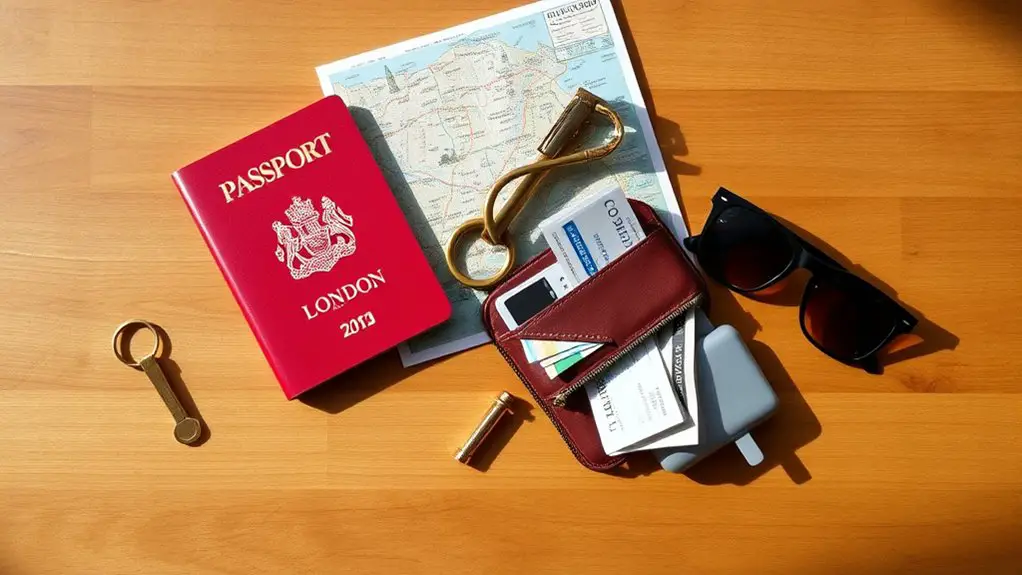
Your documents deserve more attention than any clothing item because missing the right entry permission can prevent you from traveling.
According to GOV.UK border guidance, the passport or other identity document you use to enter the UK should be valid for the whole of your stay. Check separately for any requirements imposed by a transit country or your airline.
You may also need a visa or an Electronic Travel Authorisation (ETA). The requirement depends on your nationality and reason for traveling. GOV.UK states that travelers from the United States, many European countries, Australia, Canada, and certain other countries usually need an ETA rather than a visitor visa.
Warning: Do not assume that “visa-free” means no pre-travel authorization is required. Check your status directly through the official UK ETA service before booking or departure.
Keep these items together:
- Passport or other accepted travel document
- ETA confirmation or visa information, when required
- Flight, rail, or other transport reservations
- Hotel or accommodation confirmation
- Travel insurance policy and emergency-assistance details
- Driver’s license if you intend to drive
- Emergency contacts
Keep secure digital copies of your passport and major reservations somewhere you can reach even if your phone or bag is lost. Avoid storing your only copy in the same bag as the original.
Technology and Electronics
A smartphone can replace several separate travel items. Before you leave, download your preferred navigation app, airline app, accommodation details, transport information, and any attraction tickets you will need.
Consider downloading an offline map of central London in case mobile data is slow or unavailable. Check your carrier’s roaming plan or arrange a suitable SIM/eSIM before relying on mobile service.
Keep your phone, payment method, travel documents, and charging gear accessible—but not exposed in an open pocket or unattended bag.
UK Plug Adapter and Voltage
Britain uses Type G outlets with three rectangular pins and operates at about 230V and 50Hz. Travelers whose plugs do not fit Type G sockets need an appropriate adapter.
Note: A plug adapter changes the physical connection only. It does not convert voltage. Check the input label on each appliance. Many phone and laptop chargers accept 100–240V, but single-voltage appliances may require a suitable converter or may not be appropriate to use in the UK.
VisitBritain’s UK travel information confirms the Type G plug configuration and British electrical supply.
Portable Charger and Battery Rules
A power bank is useful during long sightseeing days, especially if you use your phone for navigation, tickets, photos, and contactless travel.
However, battery rules matter when you fly. UK Civil Aviation Authority guidance reflecting rules effective March 27, 2026 states that power banks must be carried in carry-on baggage, protected from short circuits, and must not be recharged while onboard. The published passenger rules also limit travelers to two power banks. Lithium-ion power banks up to 100Wh are generally permitted without airline approval; higher-capacity devices can require approval and are subject to additional limits.
Check the UK Civil Aviation Authority power-bank guidance and your airline before departure, especially when your journey begins outside the UK.
Other useful electronics include:
- Charging cables
- Type G adapter
- Earbuds or headphones
- Camera and memory card, if you use one
- Smartwatch charger, if needed
- A small cable pouch to keep everything together
Toiletries and Personal Care Products
Pack the toiletries you actually use rather than filling your bag with “just in case” products. London has pharmacies and shops where common toiletries are easy to replace.
Travel-Sized Essentials
If your toiletries will travel in hand luggage, check airport-security rules before choosing container sizes.
Current GOV.UK liquid guidance states that restrictions depend on the airport. At most airports, liquids still cannot pass security in containers larger than 100ml, even when a larger container is only partly full. Some airports may allow containers up to 2 litres.
A separate transparent resealable bag may also be required at some airports but not others. Check:
- Your departure airport
- Any connecting or transfer airports
- Your UK departure airport for the return trip
Common toiletries include:
- Toothbrush and toothpaste
- Shampoo and conditioner
- Body wash or soap
- Deodorant
- Razor or grooming tools
- Contact lens supplies
- Cosmetics you regularly use
Skincare and Hygiene
Stick with skincare products you already know your skin tolerates. Travel is usually a poor time to experiment with multiple unfamiliar products.
Useful basics can include a cleanser, moisturizer, lip balm, sunscreen, hand sanitizer, tissues, and any personal hygiene products you routinely use.
Decant products into properly labeled travel containers where practical, and keep anything likely to leak inside a sealable pouch.
Prescription Medications
Pack enough medication for your trip plus a sensible margin for travel delays. Keep essential medicine accessible rather than buried at the bottom of a checked suitcase.
Where possible, retain medicine in its original labeled packaging and bring supporting prescription information for medication that could raise questions at a border or airport. Rules can be stricter for controlled medicines, so check applicable UK and airline requirements before traveling.
Comfortable Daypack or Bag
A comfortable daypack, crossbody bag, or other secure bag makes sightseeing easier. It should be large enough for daily essentials without tempting you to carry everything from your suitcase.
Useful features include:
- Comfortable straps
- A secure zipper or other reliable closure
- Easy access to a water bottle
- A separate section for a light jacket or umbrella
- An internal pocket for cards and travel documents
A good sightseeing bag keeps your essentials easy for you to reach and harder for someone else to reach unnoticed.
The Metropolitan Police advises London visitors to keep phones, cameras, and laptops close, never leave luggage unattended, and remain alert to pickpockets. See its visitor safety guidance.
Pro Tip: In busy stations and crowded attractions, keep your phone in a zipped pocket or secured bag rather than loosely in a back pocket or on an unattended café table.
Health and Safety Supplies
A small personal health kit can handle minor problems without taking much luggage space.
Consider packing:
- Adhesive bandages
- Blister dressings
- Any regular medications
- Basic pain relief you normally use
- Hand sanitizer
- Travel insurance details
Travel insurance is worth considering because overseas visitors are not automatically entitled to every NHS service free of charge. Coverage depends on the treatment and the visitor’s circumstances.
Emergency Numbers in London
Save these before your trip:
- 999 or 112: emergency police, ambulance, or fire assistance
- 111: urgent medical advice when the situation is not life-threatening
- 101: non-emergency police matters
For a genuine life-threatening emergency, call 999 or 112. GOV.UK confirms both numbers connect callers with UK emergency services.
Warning: Do not delay calling emergency services while searching for the number of a particular hospital. In an emergency, use 999 or 112 and follow the operator’s instructions.
Currency, Cards, and Payment Options
The UK uses pound sterling (£). You do not need to carry a large amount of cash for a typical London visit, but having a small backup amount can be useful if a card fails or you encounter a cash-only business.
Credit cards, debit cards, and digital wallets are widely used. Before traveling, check whether your bank charges foreign-transaction or ATM fees.
Paying for London Public Transport
Transport for London says pay-as-you-go travel with a contactless card or device, Oyster card, or Visitor Oyster card is an easy way to pay for transport in London.
Contactless payment can be used across TfL services, and fare capping applies when the system is used correctly. Non-UK cards may incur overseas transaction charges.
Note: Use the same physical card or the same mobile device when touching in and out. A bank card loaded into a phone can be treated as a different payment device from the physical card.
See Transport for London’s visitor payment guidance before deciding whether contactless or Oyster is better for your trip.
For everyday spending, carry:
- Your main credit or debit card
- A backup card stored separately
- A small amount of pounds if you prefer having cash available
- Your phone or watch if you use a mobile wallet
Entertainment and Reading Material
Entertainment is useful for flights, train journeys, airport waits, and quiet evenings, but it should not add much weight.
An e-reader or phone can replace several physical books. Download reading material, podcasts, playlists, films, or audiobooks before leaving home so you are not dependent on hotel Wi-Fi.
A printed guidebook is optional. Digital maps and attraction information are usually enough, although a compact guidebook can still be useful if you prefer traveling without constantly checking your phone.
If you plan to visit several museums, historic sites, or neighborhoods, save a short list of places and opening information offline before the trip.
Miscellaneous Items for Comfort and Convenience
A few small extras can make long sightseeing days more comfortable without significantly increasing luggage weight.
Useful options include:
- Reusable water bottle
- Compact umbrella
- Sunglasses
- Small packet of tissues
- Reusable shopping tote
- Snacks for travel days
- Sleep mask or travel pillow for longer journeys
- Laundry bag or lightweight bag for worn clothing
Travel games or a small deck of cards can be worthwhile for families or groups, but most solo travelers can keep entertainment on a phone or e-reader.
Carry-On Versus Checked Luggage
Check your airline’s baggage allowance before packing because cabin-bag dimensions, personal-item limits, and checked-bag weight limits vary by carrier and ticket type.
Items that should normally stay with you rather than being buried in checked baggage include:
- Passport and entry documents
- Money and payment cards
- Essential medication
- Phone and charging cables
- Power banks and spare lithium batteries, subject to airline rules
- House and car keys
- Valuable electronics
- One change of essential clothing on longer journeys
If your checked luggage is delayed, keeping these essentials in your cabin bag can prevent a minor disruption from becoming a serious problem.
London Packing Mistakes to Avoid
- Packing for only one type of weather: check the forecast and bring layers.
- Bringing only uncomfortable shoes: sightseeing often involves substantial walking and standing.
- Taking too many outfits: choose pieces that can be reworn and mixed together.
- Assuming a plug adapter converts voltage: verify appliance input ratings separately.
- Putting a power bank in checked luggage: current aviation rules require power banks in carry-on baggage.
- Assuming every airport follows identical liquid rules: check each airport in your itinerary.
- Forgetting the ETA check: nationality-based entry rules have changed for many visitors.
- Keeping every payment method together: store a backup card separately.
- Leaving valuables in easy-to-reach outer pockets: use secure closures in crowded areas.
Complete London Packing Checklist
Clothing
- T-shirts or tops
- Long-sleeve layer
- Sweater, cardigan, or fleece
- Trousers, jeans, skirts, or other mix-and-match bottoms
- Underwear
- Socks
- Sleepwear
- Optional dressier outfit
- Seasonal accessories such as hat, gloves, or scarf
Weather Gear
- Lightweight waterproof or water-resistant jacket
- Compact umbrella
- Sunglasses
- Season-appropriate warm layer
Footwear
- Broken-in walking shoes or sneakers
- Optional second pair
- Weather-resistant footwear in wet or cold seasons
Documents
- Passport
- ETA or visa where required
- Transport reservations
- Accommodation information
- Travel insurance details
- Emergency contacts
- Secure digital document copies
Technology
- Smartphone
- Charging cable
- Type G adapter
- Power bank packed in carry-on
- Headphones or earbuds
- Camera equipment if required
Toiletries and Health
- Toothbrush and toothpaste
- Deodorant
- Shampoo and conditioner as needed
- Skincare products you already use
- Personal hygiene items
- Prescription medication
- Small first aid kit
- Sunscreen
Day Bag
- Secure daypack or crossbody bag
- Water bottle
- Phone
- Payment card
- Small amount of backup cash if desired
- Light jacket or umbrella
- Travel tickets or digital reservations
Frequently Asked Questions
Do I Need a Travel Adapter for UK Outlets?
You need a Type G plug adapter if your device’s plug does not fit British outlets. The UK uses approximately 230V/50Hz electricity. A plug adapter does not convert voltage, so check each device’s input rating before connecting it. Many modern phone and laptop chargers accept 100–240V, but not every appliance does.
Are There Any Specific Health Precautions for London Travelers?
Bring your regular medications, keep routine health needs in mind, and check whether your travel insurance covers treatment abroad. There are no special London-specific health precautions that apply universally to every visitor, so travelers with individual medical needs should check appropriate official guidance before departure.
How Much Cash Should I Carry Versus Cards?
There is no fixed amount everyone needs. London is highly card- and contactless-friendly, so many visitors use cards or mobile wallets for most spending. Carry a small amount of pounds if you want a backup, keep another payment card separately, and check your bank’s foreign-transaction and ATM fees.
What Are the Emergency Contact Numbers in London?
Call 999 or 112 for emergency police, ambulance, or fire assistance. Use 101 for non-emergency police matters. For urgent medical advice when the situation is not life-threatening, 111 is the standard NHS number.
Is It Necessary to Bring a Guidebook or Map?
No. Most travelers can navigate London with a smartphone, digital map, and transport app. Downloading an offline map is a useful backup. A printed guidebook is optional and makes the most sense if you enjoy browsing without using your phone.
Do I Need an ETA to Visit London?
Possibly. Whether you need a UK ETA, visa, or another immigration permission depends on your nationality and reason for traveling. Many visitors who do not need a visitor visa now need an ETA, including many travelers from Europe, the United States, Australia, and Canada. Check GOV.UK before departure.
Can I Put a Power Bank in Checked Luggage?
No under current UK aviation guidance: power banks must be carried in cabin baggage. They must also be protected against short circuits. Rules covering capacity, quantity, and onboard use apply, so check current Civil Aviation Authority and airline guidance before flying.
Are UK Airport Liquids Still Limited to 100ml?
At most airports, liquids in hand luggage are still limited to containers of 100ml or less, but rules now vary by airport and some permit larger containers. Requirements for a separate transparent liquids bag also vary. Check every departure and transfer airport before traveling.
Conclusion
Packing for London does not require bringing everything you might possibly need. Focus on comfortable layers, broken-in walking shoes, weather protection, the correct travel documents, a Type G adapter, your essential electronics and medications, and a secure day bag.
Before departure, make four final checks: London’s current weather forecast, your airline’s baggage rules, the liquid rules for the airports on your itinerary, and your UK ETA or visa status. With those details handled, you can keep your luggage lighter and spend more of your trip enjoying London rather than managing your bags.
Sources
- GOV.UK — Entering the UK — passport validity and UK border-document requirements.
- GOV.UK — Electronic Travel Authorisation — current ETA eligibility and requirements.
- GOV.UK — Hand Luggage Liquid Restrictions — airport-specific liquid rules and 100ml guidance.
- UK Civil Aviation Authority — Power Banks and Lithium Batteries — rules effective March 27, 2026 for power banks carried by passengers.
- Transport for London — Best Ways for Visitors to Pay — contactless, Oyster, fare capping, and overseas-card considerations.
- VisitBritain — UK Travel Information — UK plugs, electricity, money, weather, and visitor essentials.
