
Last Updated on July 27, 2026 by Daniel Globe
A weekend in London gives you enough time to see several of the capital’s biggest landmarks, enjoy a world-class museum, eat at a famous market, and explore at least one neighborhood without spending the whole trip rushing between attractions. The key is to group sights by area, book only a few major interiors, and leave room for walking, meals, and unexpected discoveries.
Quick Answer
For a weekend in London, spend Saturday around Westminster, Buckingham Palace, Trafalgar Square, and the West End, then use Sunday for the Tower of London, Tower Bridge, Borough Market, and the South Bank. Choose only one or two major paid interiors each day and use walking or public transport between nearby sights.
Key Takeaways
- Group nearby attractions instead of crossing London repeatedly.
- Visit Westminster Abbey on Saturday if it is a priority because normal sightseeing is not offered on Sundays.
- Do not build a weekend plan around the Changing of the Guard without checking the official ceremony calendar first.
- Many major museums offer free general admission, although temporary exhibitions may cost extra.
- Contactless payment is often the easiest transport option, while Oyster remains useful for travelers who prefer or need it.
At a Glance
| Time Required | 2 full days |
| Difficulty | Easy to moderate, with substantial walking |
| Tools Needed | Comfortable shoes, phone, contactless card/device or Oyster card, and advance tickets for priority attractions |
| Cost | Flexible: parks and many museums are free, while major historic attractions require paid tickets |
Disclosure: As an Amazon Associate I earn from qualifying purchases. Some links on this page are affiliate links, at no extra cost to you.
Iconic Landmarks and Historic Sites
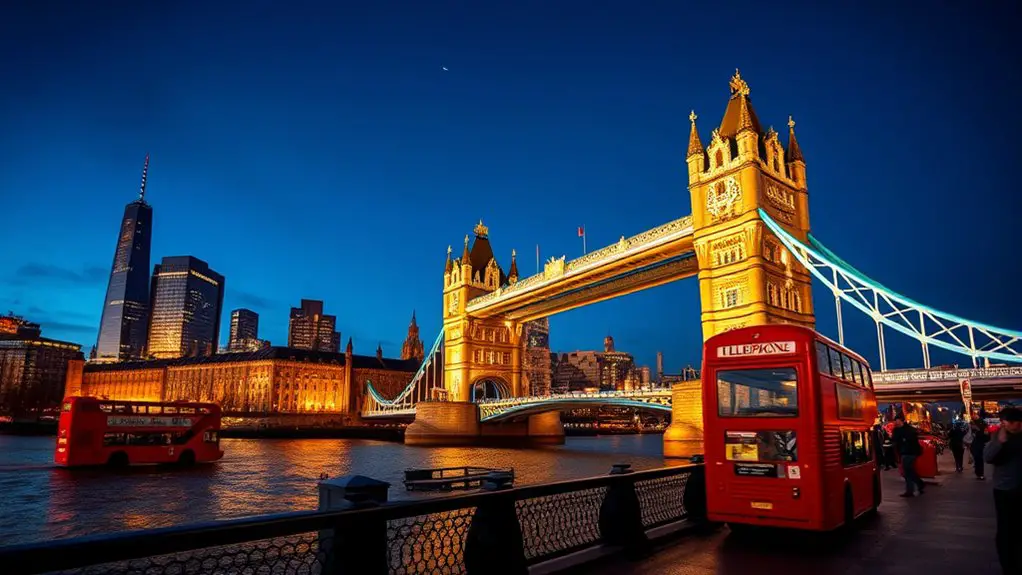
London’s major landmarks are essential for a first visit, but trying to enter all of them in one weekend will leave little time to experience the city itself. A better plan is to choose a few interiors and enjoy the rest from outside as part of a walking route.
Westminster, Big Ben, and Buckingham Palace
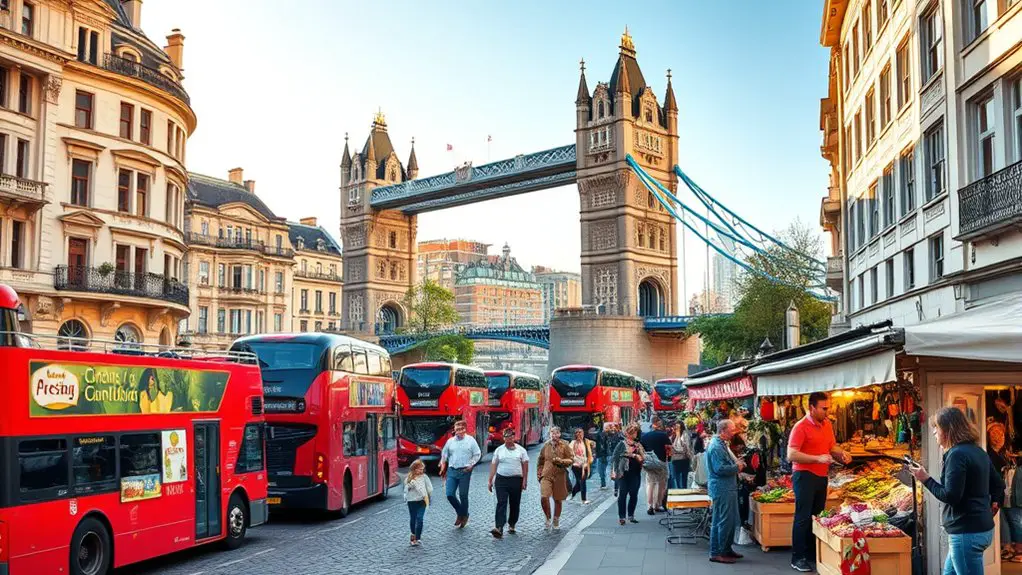
Start in Westminster, where you can see the Palace of Westminster and Elizabeth Tower. Although the tower is often called Big Ben, UK Parliament explains that Big Ben is the name originally given to the Great Bell inside the tower.
Westminster Abbey is one of the best paid historic attractions in this part of London. It has served as the coronation church since 1066 and contains royal tombs, Poets’ Corner, the Coronation Chair, and centuries of British history.
Note: Put Westminster Abbey on your Saturday itinerary if sightseeing inside is important. The Abbey’s official visitor information lists general visiting Monday through Saturday, while Sunday is primarily reserved for services.
From Westminster, walk through St James’s Park toward Buckingham Palace. The palace exterior and Victoria Memorial are easy to see without a ticket.
The Changing of the Guard should be treated as a bonus rather than the centerpiece of a weekend itinerary. The Household Division publishes the official ceremony calendar, and the regular Buckingham Palace schedule can fall outside Saturday and Sunday. Ceremonies can also change because of operational or ceremonial requirements.
Tower of London and Tower Bridge
On the eastern side of central London, the Tower of London is one of the strongest choices if you want to pay for only one major historic attraction. Admission includes the Crown Jewels, White Tower, battlements, Yeoman Warder tours subject to availability, and other public areas.
The Tower of London recommends allowing roughly three hours, so treat it as a major part of a morning or afternoon rather than a quick photo stop.
Afterward, walk to Tower Bridge. Crossing the bridge itself is free and provides excellent Thames views. The paid Tower Bridge attraction gives access to the high-level walkways, Glass Floors, and Engine Rooms. If your schedule is already full, simply walking across the bridge is enough to experience the landmark.
St. Paul’s Cathedral is another excellent historic choice, particularly if you want to climb the dome. Standard St. Paul’s sightseeing admission is normally offered Monday through Saturday, so check Sunday arrangements before building it into your itinerary.
Pro Tip: For a two-day visit, choose between entering Westminster Abbey, the Tower of London, Tower Bridge, and St. Paul’s rather than paying to enter all four. You will save both money and several hours of queuing and security checks.
Cultural Experiences and Museums
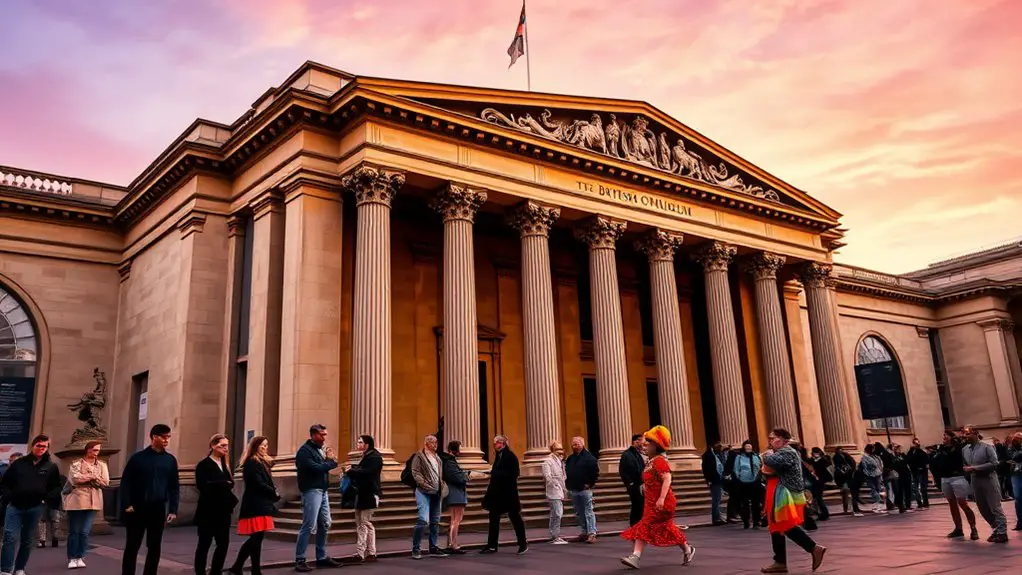
London’s museums are especially useful on a short trip because many major institutions offer free general admission. They are also excellent rainy-day alternatives when outdoor sightseeing becomes less appealing.
The British Museum covers human history and culture on a vast scale. General admission to the permanent collection is free, although advance booking is recommended and some exhibitions require paid tickets.
The National Gallery in Trafalgar Square is another easy addition to a central London route. Its collection includes European paintings by artists such as Van Gogh, Monet, Rembrandt, and Turner. General admission is free, while some temporary exhibitions cost extra.
Tate Modern is a good choice if you prefer modern and contemporary art, and its Bankside location makes it easy to combine with the Thames, Millennium Bridge, Borough Market, and St. Paul’s.
In South Kensington, the Victoria and Albert Museum focuses on art, design, fashion, and decorative arts. Nearby, the Natural History Museum offers extensive natural-history collections and popular dinosaur displays, while the Science Museum features galleries covering subjects such as space, engineering, medicine, mathematics, and technology.
The Natural History Museum and Science Museum both offer free general admission, although selected exhibitions and experiences may cost extra. Because these museums are close together, South Kensington is particularly useful when rain makes a park or walking-heavy plan less attractive.
Do not try to visit five museums in one weekend. Pick one based on your interests and give it roughly two or three hours. Museum fatigue is real, and London has plenty to enjoy outside the galleries.
Exploring Vibrant Neighborhoods
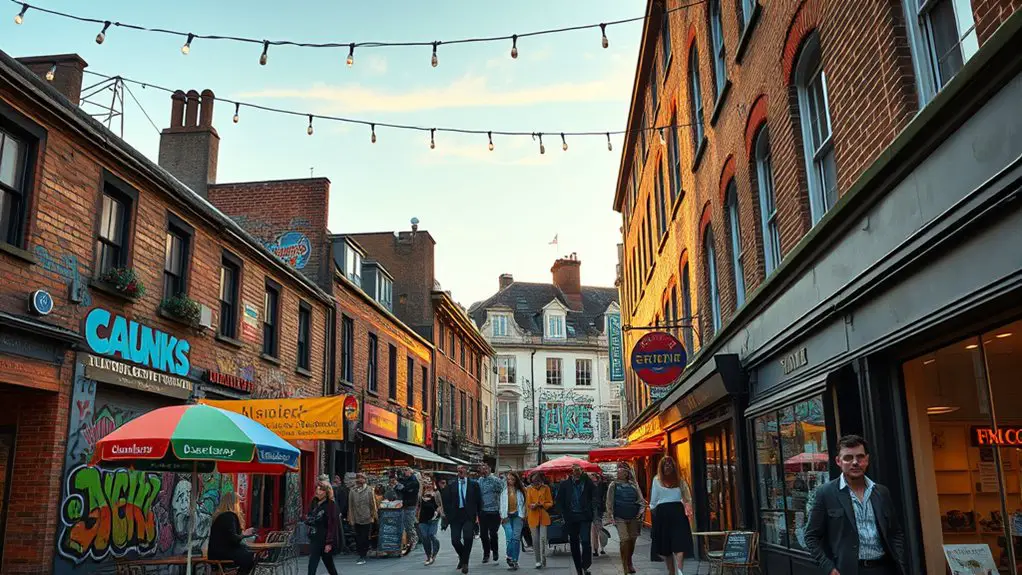
London’s neighborhoods reveal a side of the city that landmark-hopping alone misses. The trick on a short trip is to choose one or two areas that fit naturally with the rest of your route.
Soho and Covent Garden
Soho works well after a day around Westminster, Trafalgar Square, or the National Gallery. Its compact streets are filled with restaurants, pubs, music venues, shops, and nightlife. Nearby Covent Garden adds theaters, street performers, restaurants, and pedestrian-friendly streets.
Shoreditch
Choose Shoreditch if you prefer street art, independent shops, bars, and a more East London atmosphere. It pairs better with the Tower of London and City of London than with attractions far to the west.
Camden
Camden is known for its market, music heritage, alternative shops, and international food. It is worth visiting, but it sits north of the central sightseeing core. For a weekend trip, treat Camden as an alternative to Shoreditch rather than trying to squeeze in both.
Kensington
Kensington suits visitors who want museums, elegant streets, shopping, and nearby parks. It is especially convenient if you are already visiting the Natural History Museum, Science Museum, or Victoria and Albert Museum.
Easy Hidden Gems
For quieter stops between famous sights, consider St Dunstan in the East church garden in the City, Postman’s Park near St. Paul’s, or colorful Neal’s Yard near Covent Garden. These small detours are easier to fit into a weekend than a long trip across London for a single lesser-known attraction.
Indulging in Local Cuisine and Markets
London’s food scene ranges from traditional pubs to markets serving dishes from around the world. For a short visit, markets are useful because they let everyone in your group choose something different without committing to a long restaurant meal.
Borough Market is especially convenient because it sits near London Bridge, the Thames, Tate Modern, and the Tower Bridge area. Its regular schedule includes both Saturday and Sunday, although weekend crowds can be heavy.
Browse the stalls for produce, cheese, baked goods, prepared meals, and international street food. Arriving earlier can make it easier to move through the market before the busiest lunch period.
Camden Market is another strong food option, particularly if Camden is already part of your neighborhood itinerary. It offers a broad mix of international dishes, snacks, shops, and market stalls.
For a more traditional meal, stop at a reputable pub for fish and chips, a savory pie, or a Sunday roast. London’s dining scene is far broader than traditional British food, though, so leave room for Indian, Middle Eastern, Caribbean, East Asian, African, and other cuisines found across the city.
Relaxing in Parks and Gardens
London’s parks are useful for more than sightseeing. They provide a place to slow down between museums, monuments, and crowded streets.
Hyde Park is convenient if your itinerary includes Kensington or Buckingham Palace. You can walk around the Serpentine, relax on the grass, or, when operations and weather allow, hire a boat. The Royal Parks publishes current Hyde Park activity information.
Regent’s Park offers formal gardens, broad paths, open lawns, and a boating lake. It also combines naturally with Camden if you want to walk between the two areas.
Hampstead Heath feels wilder than the central Royal Parks and offers excellent viewpoints, but reaching it takes more time. It is better for repeat visitors or anyone willing to trade a central attraction for a longer outdoor break.
Kew Gardens is outstanding for plant collections and historic glasshouses, but it is different from a casual city park. Kew requires paid admission and is farther west, so plan it as a dedicated half-day rather than a quick stop between central landmarks.
How to Get Around London on a Weekend
Walking is often the best way to move between attractions that are already clustered together. Westminster, St James’s Park, Buckingham Palace, Trafalgar Square, Covent Garden, and Soho can all be combined largely on foot.
For longer trips, use the Tube, buses, London Overground, Elizabeth line, or other public transport. Transport for London explains the main visitor payment options.
For many travelers, using the same eligible contactless bank card or mobile device for each journey is the simplest approach. Pay-as-you-go contactless travel can be capped automatically based on the journeys and zones used.
An Oyster card is still useful if you do not have a compatible contactless payment method or have another reason to use Oyster. Each traveler generally needs their own payment method rather than passing one card or device between several people.
Warning: For late-night travel, use licensed transport. Black cabs can be hailed in the street, while minicabs must be booked in advance. Keep your phone and valuables secure in crowded areas and plan your journey back before staying out late.
A Practical Two-Day London Weekend Itinerary
Saturday Morning: Westminster and Royal London
Begin around Westminster. See the Palace of Westminster, Elizabeth Tower and Big Ben, then visit Westminster Abbey if you want to explore inside. Booking a timed ticket in advance is sensible during busy periods.
Walk through St James’s Park to Buckingham Palace. Unless the official calendar confirms a ceremony during your visit, treat the Changing of the Guard as optional rather than allowing it to dictate your entire morning.
Saturday Afternoon: Trafalgar Square and a Museum
Continue toward Trafalgar Square. Visit the National Gallery if art interests you, or walk north toward Covent Garden and Soho if you prefer shops, cafés, and street life.
Another option is to take public transport to South Kensington and spend two or three hours at the Natural History Museum, Victoria and Albert Museum, or Science Museum. Choose one rather than trying to rush through all three.
Saturday Evening: Soho, Covent Garden, or the West End
Spend the evening eating in Soho or Covent Garden, visiting a pub, or seeing a West End performance. Reserve popular theater tickets ahead when a particular show is important to you.
Sunday Morning: Tower of London
Start early at the Tower of London and allow around three hours if you want to see the Crown Jewels, White Tower, battlements, and other major areas without racing through them.
After leaving, walk toward Tower Bridge. Cross the bridge for free, or buy admission to the walkways and Engine Rooms if engineering and panoramic views interest you.
Sunday Lunch: Borough Market
Continue toward Borough Market for lunch. This keeps the route compact and avoids wasting part of the afternoon on unnecessary cross-city travel.
Sunday Afternoon: South Bank and Tate Modern
Walk west along the Thames. Tate Modern provides an easy cultural stop, while the riverside route itself gives you views of St. Paul’s, Millennium Bridge, Shakespeare’s Globe area, and the London skyline.
If you have already had enough museums, skip the galleries and continue along the river instead. London is often best experienced when you leave space for walking rather than filling every hour with ticketed attractions.
Sunday Evening: Choose One Neighborhood
Finish in an area that matches your interests. Soho is convenient for central nightlife, Shoreditch suits bars and East London street life, and Camden offers markets and music-oriented venues. Pick one rather than spending your final hours commuting between all three.
How to Save Time and Money
- Book only your priorities: Reserve timed entry for attractions you would be disappointed to miss.
- Use free museums strategically: The British Museum, National Gallery, Natural History Museum, Science Museum, and other national collections can provide hours of sightseeing without a general admission charge, although special exhibitions may cost extra.
- Walk between clusters: Westminster and the West End work well together, while the Tower, Borough Market, and South Bank form another useful cluster.
- Avoid overbooking: One large paid attraction plus one museum or neighborhood per half-day is more enjoyable than a checklist of five interiors.
- Check live schedules: Ceremonies, attraction hours, temporary closures, and transport services can change.
What to Do If It Rains
Rain does not have to ruin a London weekend. Replace a long park visit with the British Museum, National Gallery, Science Museum, Natural History Museum, or Victoria and Albert Museum. Covered markets, cafés, historic interiors, and a West End show are also easy substitutes.
Keep one indoor attraction in mind for each day instead of creating a completely separate bad-weather itinerary. That gives you flexibility without overplanning.
Frequently Asked Questions
What Are the Best Hidden Gems in London?
Easy hidden gems for a short trip include St Dunstan in the East church garden, Postman’s Park, and Neal’s Yard. Choose smaller places close to attractions already on your route rather than spending an hour traveling across London for one hidden spot.
How Can I Get Around London Efficiently?
Walk between nearby attractions and use public transport for longer journeys. Contactless cards and compatible mobile devices are convenient for many visitors and support pay-as-you-go capping. Oyster is another option, especially if you cannot use contactless. Always use the same card or device for your own journeys so the system can calculate fares correctly.
Are There Any Free Attractions Worth Visiting?
Yes. Major museums including the British Museum, National Gallery, Natural History Museum, and Science Museum offer free general admission. Parks such as Hyde Park are also free to enter, and you can walk across Tower Bridge, explore the South Bank, see Buckingham Palace from outside, and view Big Ben without buying an attraction ticket. Some special exhibitions and activities charge extra.
What’s the Best Time of Year to Visit?
There is no single best season. Late spring and early autumn can offer a good balance of daylight and comfortable sightseeing conditions. Summer has long days and many events but can be busy, while winter brings shorter days and colder weather along with seasonal lights and indoor attractions. Pack for changing weather in any season.
How Do I Experience Local Nightlife Safely?
Stay aware of your belongings, keep drinks with you, use busy and well-lit routes where possible, and plan your trip back before the night gets late. Black cabs can be hailed on the street, but minicabs should be booked through a licensed operator or service rather than accepted from an unsolicited driver.
Is Two Days Enough for London?
Two days is enough for a strong introduction but not enough to see everything. A first weekend can comfortably cover Westminster, one or two major historic attractions, a museum, a food market, the Thames, and one or two neighborhoods. Save places such as Kew, Greenwich, Hampstead, and additional museums for a longer or repeat visit.
Conclusion
A weekend in London works best when you resist the urge to see everything. Spend one day around Westminster, the West End, and a museum, then use the second for the Tower of London, Tower Bridge, Borough Market, and the Thames. Choose neighborhoods and parks that fit those routes, book your highest-priority attractions ahead, and leave enough free time to enjoy the streets between them. You will see less on paper but experience far more of the city.
Sources
- Transport for London — Best ways for visitors to pay — contactless, Oyster, and visitor transport guidance.
- The Household Division — Changing the Guard Calendar — official ceremony dates and schedules.
- Historic Royal Palaces — Tower of London Visitor Information — current admission, opening, and visit-planning guidance.
- Westminster Abbey — Visit Us — general visiting days, Sunday services, and visitor information.
- Borough Market — Plan Your Visit — official opening schedule and transport information.
- British Museum — Plan Your Visit — free general admission, ticketing, and opening information.
