
Last Updated on July 27, 2026 by Daniel Globe
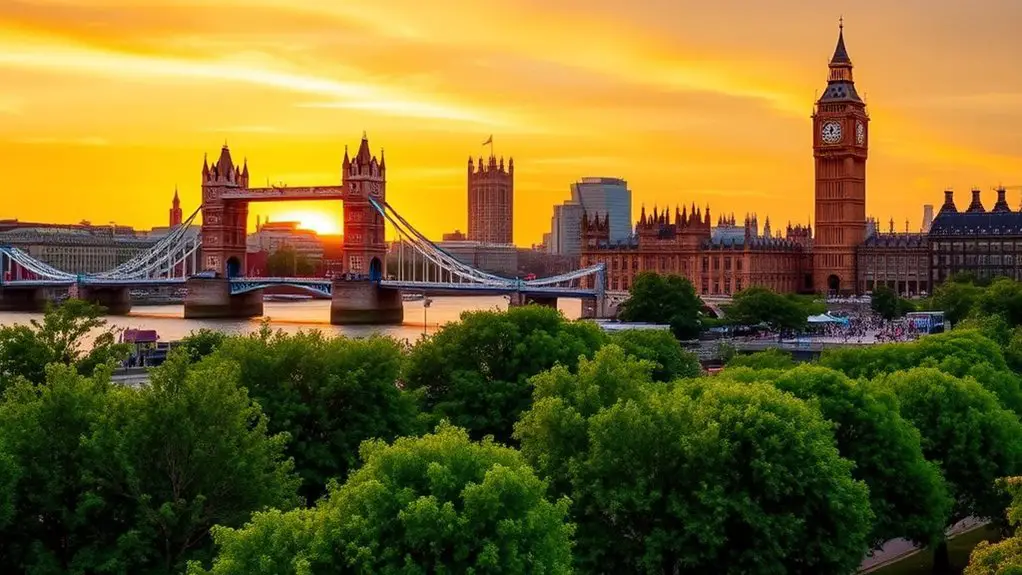
Five days in London gives you enough time to see the capital’s major landmarks without spending the whole trip racing between attractions. The key is to group nearby sights together. This itinerary covers Westminster, the Tower of London, major museums, famous markets, classic neighborhoods, green spaces, and nightlife while leaving enough flexibility for meals, queues, and spontaneous stops.
Quick Answer
Spend Day 1 around Westminster and the South Bank, Day 2 at the Tower and Bankside, Day 3 exploring museums and the West End, Day 4 in Notting Hill and London’s parks, and Day 5 in Camden and East London. Grouping sights by area keeps travel time low and gives each day a manageable pace.
Key Takeaways
- Book high-demand attractions such as the Tower of London, Westminster Abbey, Buckingham Palace State Rooms, and the London Eye before your trip.
- Use one contactless bank card or device consistently on TfL services, or use an Oyster card, so pay-as-you-go fare capping works correctly.
- Keep each day centered on one part of London instead of repeatedly crossing the city.
- Build free museums and parks around paid attractions to control your sightseeing budget.
- Check official schedules for Changing the Guard, market trading days, attraction closures, and seasonal palace access before setting your exact dates.
At a Glance
| Time Required | 5 full sightseeing days |
| Difficulty | Moderate; expect long periods of walking, standing, and public-transport use |
| Tools Needed | Contactless bank card/device or Oyster card, comfortable shoes, phone with TfL journey information, and attraction confirmations |
| Cost | Flexible; museums and parks can be free, while major historic attractions, observation rides, theatre, and tours are additional |
Disclosure: As an Amazon Associate I earn from qualifying purchases. Some links on this page are affiliate links, at no extra cost to you.
Before You Go: Book the Important Sights First
London rewards flexible wandering, but several major attractions work better with advance planning. Reserve the sights that matter most, then build free museums, parks, markets, and neighborhood walks around those fixed times.
- Tower of London: Book ahead during busy periods and allow roughly three hours. Check the official Tower of London visitor page for temporary route closures and current opening hours.
- Westminster Abbey: Check the official entry calendar. It is a working church, so sightseeing hours vary and general tourist entry is normally restricted during services.
- Buckingham Palace: The State Rooms are seasonal. In 2026, the public summer opening runs from July 9 through September 27. Check the Royal Collection Trust before planning an interior visit.
- Changing the Guard: Do not assume the ceremony happens every day. Confirm your date on the Household Division calendar.
- London Eye: Timed tickets are recommended, especially during weekends and school holidays.
- British Museum: General admission to the permanent collection is free, but the museum recommends reserving a free entry time in advance during busy periods.
Pro Tip: Treat London as a collection of neighborhoods. Walk between nearby attractions, then use the Tube or bus only when moving to a different part of the city. This saves time and makes the itinerary feel much less rushed.
Day 1: Westminster, Buckingham Palace and the South Bank
Exploring Historic Landmarks and Iconic Sights
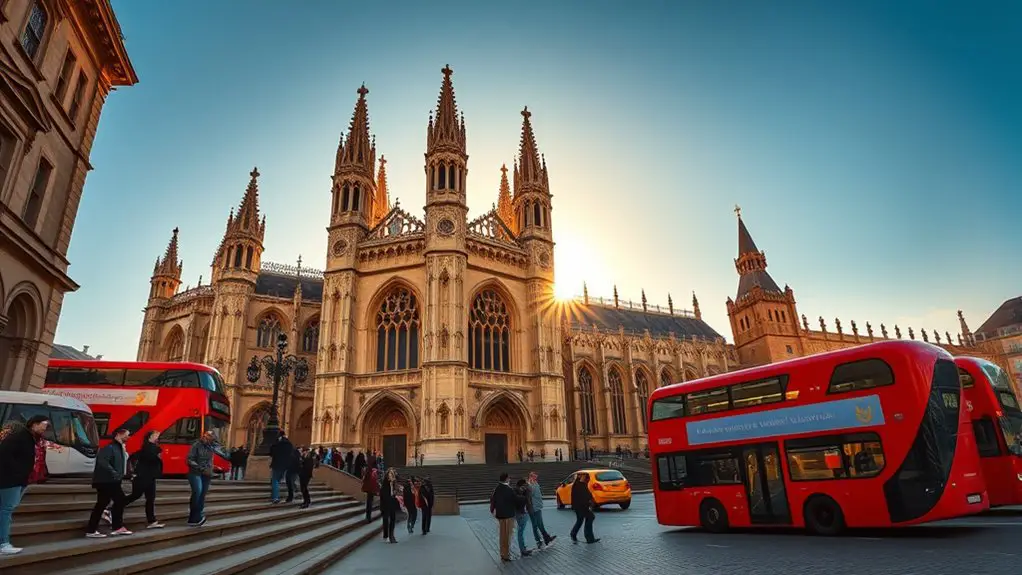
Start your first morning in Westminster, where several of London’s best-known landmarks sit within walking distance of one another.
Begin at Westminster Abbey if you plan to tour the interior. Going early gives you more room later in the day and reduces the risk of reaching the Abbey after sightseeing admission has finished. Afterward, walk through Parliament Square toward the Palace of Westminster.
Here you can see Elizabeth Tower, which houses the Great Bell known as Big Ben. The distinction matters: Big Ben is the bell, not the name of the tower. Official tours of Elizabeth Tower are available separately and involve a substantial stair climb, so most first-time visitors simply enjoy the exterior view.
Continue through St James’s Park toward Buckingham Palace. If your date matches the official Changing the Guard schedule, plan this part of the morning around the ceremony. Arrive with enough time to find a viewing position because the surrounding area can become crowded.
Note: Buckingham Palace is a working royal residence. The State Rooms are not open year-round. For 2026, the main summer opening runs from July 9 through September 27, and timed admission is recommended.
After lunch, return toward Westminster Bridge and cross to the South Bank. From here, you get some of the clearest river views of the Palace of Westminster and Elizabeth Tower.
Walk past the London Eye and continue along the Thames at an easy pace. If you want the observation-wheel experience, reserve a timed slot rather than relying on a walk-up ticket. A standard rotation lasts about 30 minutes.
Spend the evening on the South Bank or cross back toward Covent Garden and Soho for dinner. Keeping the first day geographically tight helps you settle into London without wasting hours underground.
Day 2: Tower of London, Tower Bridge, Borough Market and Tate Modern
Dedicate your second day to the eastern side of central London and Bankside. These sights form a natural east-to-west route along the Thames.
Morning at the Tower of London
Start at the Tower of London. The complex contains the Crown Jewels, White Tower, battlements, exhibitions, and centuries of royal and military history. Historic Royal Palaces recommends allowing substantial time rather than treating the Tower as a quick photo stop.
The Tower of London recommends allowing about three hours to make the most of a visit, particularly when queues and the Crown Jewels are included.
When you finish, walk to Tower Bridge. Crossing the bridge at street level is free. The paid Tower Bridge exhibition adds the high-level walkways, historic engine rooms, and elevated views.
Lunch at Borough Market
Continue west along the south side of the river toward Borough Market. It is a convenient lunch stop because you can choose between prepared dishes, baked goods, produce, and nearby restaurants instead of committing to a long sit-down meal.
From Borough Market, walk past Southwark Cathedral and continue toward Shakespeare’s Globe and Tate Modern.
Afternoon at Tate Modern
Tate Modern focuses on modern and contemporary art. General entry to its collection displays is free, while some temporary exhibitions require paid tickets. Even travelers who do not want a long museum visit can use it as a flexible indoor stop during poor weather.
Finish by crossing Millennium Bridge toward St Paul’s Cathedral, or remain on the river for an evening walk. This route avoids doubling back across central London.
Day 3: British Museum, Covent Garden, National Gallery and Soho
Immersing Yourself in Art, Culture, and Museums
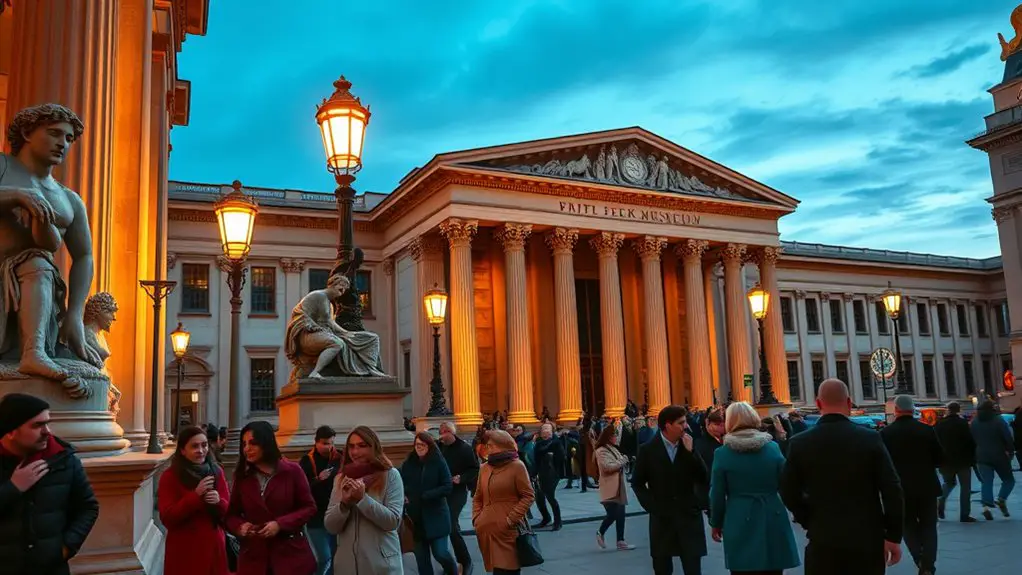
Use Day 3 for London’s museums and West End neighborhoods. Start at the British Museum, where general admission to the permanent collection is free. The museum recommends booking a free timed ticket because walk-up visitors may face longer waits during busy periods.
The collection is far too large to see properly in one morning. Choose a handful of galleries or objects that interest you instead of trying to cover every room.
| Inspiration | Creativity | Discovery |
|---|---|---|
| National Gallery: classic European painting, including works by artists such as Van Gogh and Turner | Tate Modern: modern and contemporary art, installations, and experimental work | British Museum: archaeology, ancient cultures, decorative arts, and global history |
| Best when you want recognizable masterpieces and traditional painting | Best when you prefer bold ideas, newer media, and contemporary perspectives | Best when history and material culture interest you more than painting alone |
After the British Museum, walk south toward Covent Garden. Browse the piazza and surrounding lanes, then continue toward Trafalgar Square.
The National Gallery offers free general admission and makes a useful second museum because its focus on European painting contrasts sharply with the British Museum.
In the evening, head through Chinatown and Soho. This is a good night for a West End performance, dinner, a traditional pub, live music, or simply exploring the busy streets around Leicester Square and Piccadilly.
You do not need to force every museum into one day. If you prefer a slower pace, spend longer at the British Museum and save the National Gallery for a future trip.
Day 4: Notting Hill, Portobello Road, Holland Park and Hyde Park
Discovering Neighborhoods and Local Flavors
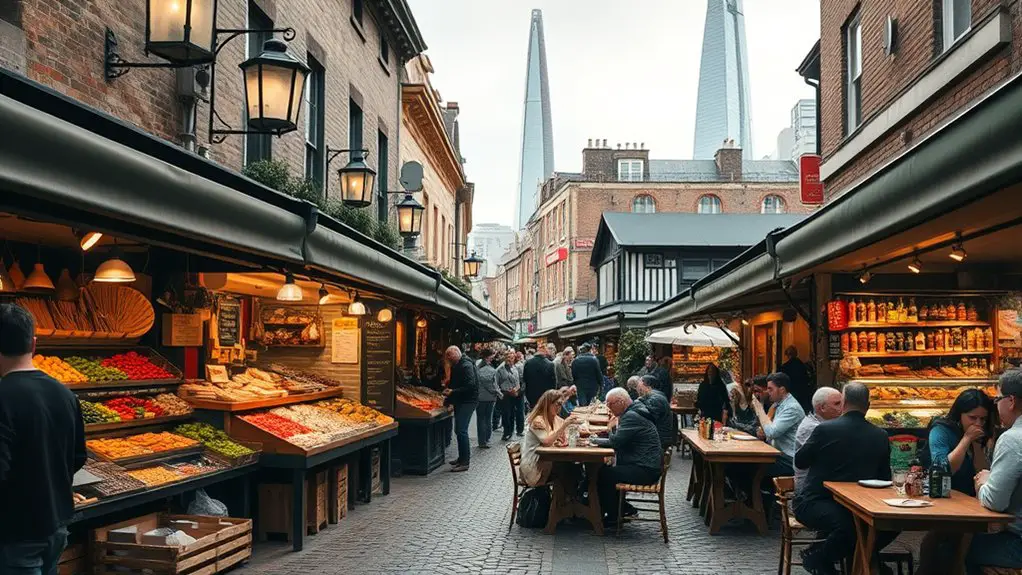
Day 4 trades major monuments for neighborhoods, markets, gardens, and a slower pace.
Begin in Notting Hill and walk toward Portobello Road Market. The experience changes by day. Friday and Saturday have the fullest range of stalls, and Saturday is the busiest day for antiques. Other weekdays have a smaller mix of produce, household goods, food, shops, and occasional stalls.
If the market is important to you, move this day to Friday or Saturday and shift another itinerary day accordingly. That simple change is more useful than visiting Portobello on a quiet day and expecting the full weekend market.
Continue south toward Holland Park. The park contains the Kyoto Garden, landscaped grounds, woodland, and quieter paths. The Royal Borough of Kensington and Chelsea states that Holland Park opens from 7:30 a.m. until dusk, with exact closing times displayed at the entrances.
Enjoying Green Spaces and Recreational Areas
From Holland Park, continue toward Kensington Gardens and Hyde Park. The Serpentine gives you a natural route through the park, with lawns, cafés, memorials, and waterside paths.
Rowboats and pedal boats operate on the Serpentine subject to opening times and conditions. You can also skip boating altogether and use the park as a break between busy sightseeing days.
Regent’s Park is another strong option, with formal gardens, large open spaces, sports facilities, and London Zoo. Because Regent’s Park sits farther north, it fits more naturally into Day 5 with Camden rather than being squeezed into this day.
Richmond Park as a Half-Day Alternative
If wildlife and open landscapes interest you more than Notting Hill, replace part of Day 4 with Richmond Park. The park is much farther from the central sightseeing core, so treat it as a destination rather than a quick extra stop.
Warning: Richmond Park’s deer are wild animals. The Royal Parks asks visitors to remain at least 50 metres away, never feed them, and give them even more space during sensitive periods such as the rut and birthing season.
Day 5: Camden Market, Regent’s Park, Shoreditch and London Nightlife
Use the final day to explore London’s more informal side. Start in Camden, where the market area combines food stalls, independent shops, music history, fashion, and busy canal-side spaces.
Camden Market currently lists daily opening, although individual traders keep their own hours. Going earlier gives you time to explore before the busiest lunch period.
From Camden, walk toward Regent’s Park. You can spend an hour among the gardens or extend the walk toward Primrose Hill for a wider city view. This gives you a green-space break before the final part of the day.
Later, take public transport east to Shoreditch. Explore its street art, cafés, restaurants, and nearby Brick Lane area. This neighborhood contrasts sharply with royal Westminster and museum-heavy Bloomsbury, which is exactly why it works well on the last day.
Experiencing Unique Experiences and Nightlife
London offers far more at night than clubs. Soho and Shoreditch both have pubs, cocktail bars, small music venues, comedy, and late dining. The West End is the natural choice for theatre, while the South Bank works well for an evening river walk.
A Thames evening cruise can also be a memorable final-night option, but check the exact route, departure point, and finishing time before booking so you do not spend the end of the evening stranded far from your accommodation.
If you would rather finish quietly, choose a traditional pub, dinner in Soho, or a sunset walk rather than packing another major attraction into the itinerary.
Getting Around London Efficiently
For most adult visitors, the simplest choices are an Oyster card or an accepted contactless bank card, phone, or wearable. Transport for London uses pay-as-you-go fare capping on eligible journeys, which limits how much you pay after enough qualifying travel.
Always touch in and out with the same card or device. A physical bank card and the same card stored in a phone wallet can be treated as different payment methods, so switching between them can prevent journeys from being combined correctly.
Check current fares and rules on Transport for London before your trip because fares can change.
Walk whenever nearby sights naturally connect. Westminster, the South Bank, Tower Bridge, Borough Market, Covent Garden, Soho, and the central parks are much more rewarding when explored partly on foot instead of treating every stop as a separate Tube journey.
How to Keep a Five-Day London Trip Affordable
London can be expensive, but several of its best-known cultural attractions offer free general admission. The British Museum, National Gallery, Tate Modern’s collection displays, Natural History Museum, and Science Museum can all anchor low-cost sightseeing days.
Spend selectively on attractions that offer something you cannot experience from the street. For example, choose between the London Eye and another observation experience rather than automatically paying for every viewpoint.
Markets also work well for flexible meals. Camden, Borough, and Portobello offer many choices, although they are not automatically cheaper than restaurants. Compare menus instead of assuming that every street-food stall is a budget option.
Frequently Asked Questions
What are the best family-friendly activities in London?
The Natural History Museum and Science Museum are excellent family choices with free general admission, while Hyde Park gives children space to take a break outdoors. The Tower of London and London Eye are also popular with families but require paid tickets. Check individual age rules and booking requirements before visiting.
How can I find budget-friendly dining options?
Use markets and casual cafés for flexible meals, look at menus before ordering, and mix restaurant meals with bakeries or supermarket lunches. Borough, Camden, and Portobello all provide numerous food choices, but prices vary widely, so a market is not automatically the cheapest option.
What transportation option is most cost-effective for five days in London?
Most adult visitors can use either an Oyster card or an accepted contactless bank card or device on TfL services. Pay-as-you-go capping helps control eligible travel costs. Use the same physical card or device every time you touch in and out, and check current TfL fare rules before your trip.
Are there any day trips outside London worth visiting?
Yes. Oxford, Windsor, Bath, and Stonehenge are popular choices. Oxford and Windsor are generally easier to combine with independent rail travel, while Bath takes longer and Stonehenge requires more planning because the monument is not directly beside a London rail route. On a first five-day visit, consider whether giving up a full London day is worth it.
How do I avoid long lines at popular London attractions?
Reserve timed tickets in advance, choose an early entry time when practical, and arrive according to the attraction’s instructions. Priority or timed admission may reduce ticketing waits, but it does not necessarily let you bypass required security screening or every queue inside an attraction.
Is five days enough for a first trip to London?
Five full days is enough to cover many of London’s essential sights while exploring several neighborhoods. It is not enough to see everything, so choose a few paid attractions that matter most, use free museums flexibly, and avoid crossing the city repeatedly just to check another landmark off a list.
Conclusion
Five days in London works best when you resist the urge to treat the city as one giant checklist. Spend one day around Westminster, another along the Tower and Bankside stretch of the Thames, a third with museums and the West End, a fourth in Notting Hill and the parks, and a final day exploring Camden and Shoreditch.
This approach still includes Buckingham Palace, the Tower of London, Big Ben, major museums, markets, green spaces, local food, and nightlife, but it keeps unnecessary backtracking to a minimum. Reserve the attractions that matter most, leave room for free discoveries, and check official schedules before you travel so temporary closures or changing opening hours do not derail the plan.
Sources
- Transport for London — Tube and Rail Fares — current pay-as-you-go, fare, and peak/off-peak guidance.
- Historic Royal Palaces — Tower of London — opening information, visit duration, tickets, and temporary closures.
- Royal Collection Trust — Buckingham Palace — State Rooms dates, tickets, and seasonal visitor information.
- The Household Division — Changing the Guard Calendar — official ceremony dates and scheduling.
- British Museum — Plan Your Visit — free general admission, booking guidance, opening hours, and security information.
- The Royal Parks — Deer in Richmond Park — official wildlife and visitor-safety guidance.
