
Last Updated on July 27, 2026 by Daniel Globe
Four days in London gives you enough time to see the famous landmarks, explore several major museums, enjoy the city’s food and neighborhoods, and still slow down for a park or Thames-side walk. The key is to group sights by area instead of crossing London repeatedly. This itinerary does that while leaving room for your own interests and pace.
Quick Answer
Spend Day 1 around Westminster and Buckingham Palace, Day 2 at the Tower of London and South Bank, Day 3 exploring the British Museum, Covent Garden, Soho, and nearby neighborhoods, and Day 4 at South Kensington, Hyde Park, or Kew Gardens. Grouping sights this way keeps travel time manageable.
Key Takeaways
- Book major paid attractions before your trip, especially the Tower of London and Westminster Abbey during busy periods.
- Check the official Changing the Guard schedule instead of assuming the ceremony takes place every day.
- Use each day to explore one part of London rather than jumping between distant neighborhoods.
- Several leading museums have free general admission, but special exhibitions can require paid tickets.
- Keep Day 4 flexible so you can choose museums, parks, Kew Gardens, or another neighborhood based on weather and energy level.
At a Glance
| Time Required | 4 full sightseeing days |
| Difficulty | Moderate; expect plenty of walking plus Tube or bus journeys |
| Tools Needed | Contactless card/device or Oyster card, comfortable shoes, attraction reservations, and a map or TfL journey planner |
| Cost | Flexible: major museums and parks can be free, while the Tower of London, Westminster Abbey, Kew Gardens, cruises, meals, and some exhibitions cost extra |
Pro Tip: London’s public transport works best for visitors when you use the same contactless card, phone, watch, or Oyster card consistently. Transport for London applies daily fare caps to eligible pay-as-you-go travel, but switching between a phone, watch, and physical card can prevent journeys from being grouped correctly.
Disclosure: As an Amazon Associate I earn from qualifying purchases. Some links on this page are affiliate links, at no extra cost to you.
Day 1: Iconic Landmarks and Historic Westminster
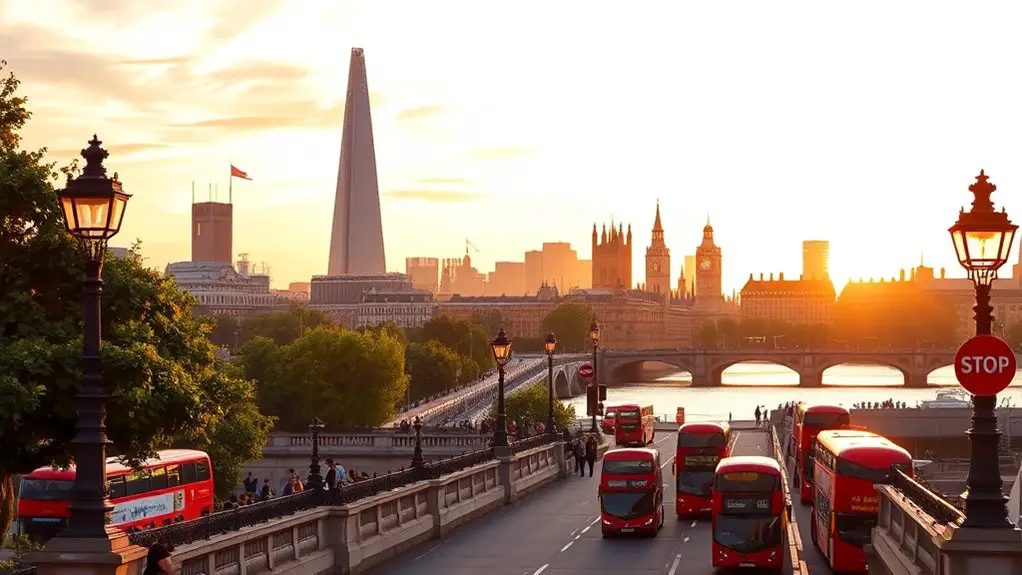
Start your four days in London with the landmarks clustered around Buckingham Palace and Westminster. Keeping these stops together saves time and gives your first day a clear route instead of sending you back and forth across the city.
Morning: Buckingham Palace and St James’s Park
Begin near Buckingham Palace. If seeing the Changing of the Guard matters to you, check the Royal Family’s official Changing the Guard information before setting your schedule. Ceremonial arrangements can vary, so do not assume the event will take place on your chosen morning.
Even when there is no ceremony, the palace exterior, The Mall, and nearby St James’s Park make an easy introduction to royal London. Buckingham Palace is still used for official royal events, while its State Rooms are normally opened to visitors during a limited summer season.
Warning: Do not build your entire morning around Changing the Guard or assume Westminster attractions will keep identical hours every day. Royal events, church services, ceremonies, and security arrangements can affect access. Recheck official schedules shortly before your visit.
Late Morning and Afternoon: Westminster Abbey, Big Ben, and Parliament
Continue toward Westminster Abbey. The Abbey has served as Britain’s coronation church since 1066, making it one of the most important historic sites in London. It is a working church as well as a visitor attraction, so opening hours can change around services and special events. Check the official Westminster Abbey visitor information and consider booking a timed ticket.
From the Abbey, walk to the Palace of Westminster and the Elizabeth Tower, home of Big Ben. This is one of London’s best areas for seeing several major landmarks without using public transport between each stop.
Cross Westminster Bridge for a classic view back toward Parliament, then walk part of the South Bank if you still have energy. It is also a good place to pause for dinner or an evening stroll along the Thames.
Note: If your first day follows an overnight flight, keep this schedule lighter. Buckingham Palace, St James’s Park, Westminster Abbey, Big Ben, and a Thames walk are enough for a satisfying arrival day.
Day 2: Tower of London, South Bank, and Cultural Sights
Morning: Tower of London and Tower Bridge
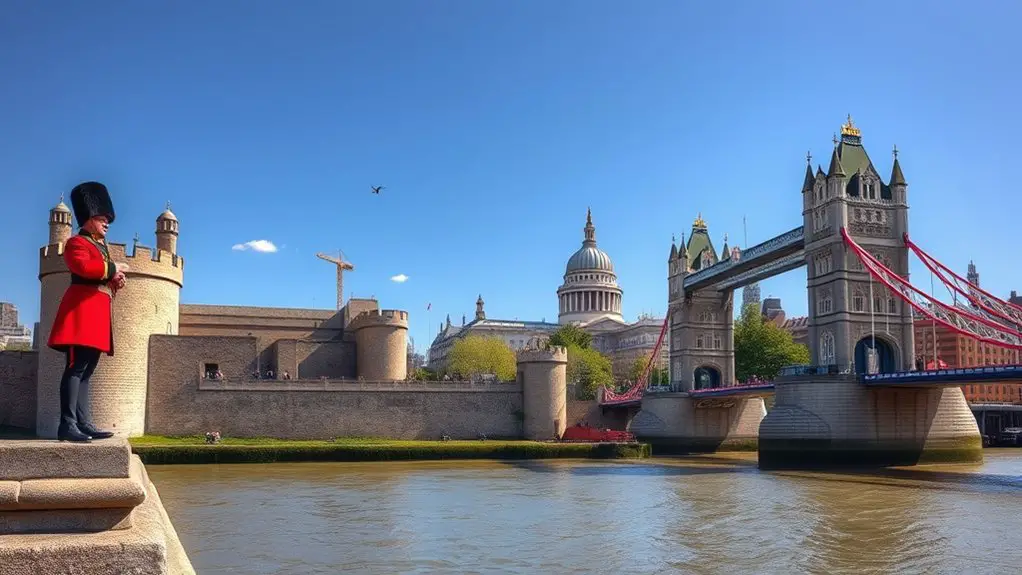
Make the Tower of London your first major stop. It is worth arriving near opening time because there is much more to see than a quick walk around the walls. General admission includes the Crown Jewels, the White Tower, battlements, and other open public areas. During busy periods, Historic Royal Palaces recommends booking online in advance; check the official Tower of London ticket page before your trip.
After the Tower, walk directly to Tower Bridge. You can simply cross the bridge and enjoy the river views, or buy admission to its interior exhibition and walkways if engineering and architecture interest you.
Lunch: Borough Market
Continue toward Borough Market for lunch. The market brings together produce, baked goods, cheeses, prepared dishes, and foods influenced by cuisines from around the world. It is an easy place for a group to choose different meals rather than committing to one restaurant.
Afternoon: Tate Modern and the Thames
From Borough Market, continue along the river toward Tate Modern. The gallery is a strong choice for contemporary and modern art, and its permanent collection displays can be explored without paying for a general-admission ticket, although major temporary exhibitions may be ticketed. Check Tate Modern’s official visitor information before going.
A Thames sightseeing cruise can fit well on this day because you are already close to the river. Rather than treating a cruise as another cross-city excursion, use it as a break between sightseeing stops. Depending on the service you choose, central sightseeing boats connect areas around Tower Pier, Westminster, the London Eye, and Greenwich.
A good four-day London plan is not the one with the most attractions. It is the one that spends less time crossing the city and more time actually experiencing each area.
Day 3: Museums, Neighborhoods, and Local Flavors
Morning: British Museum
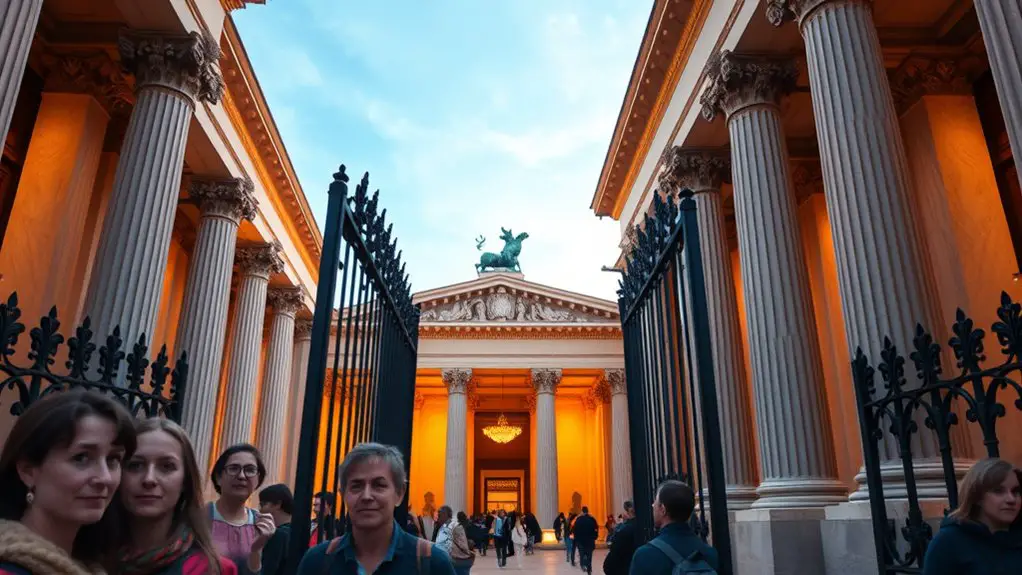
Start at the British Museum, where highlights include the Rosetta Stone and extensive collections from ancient Egypt and many other cultures. Entry to the permanent collection is free, although special exhibitions may charge admission. Free advance booking is available through the British Museum’s official visit page.
You could spend much of a day here, so a four-day visitor should choose a few priority galleries rather than trying to see the entire collection.
Afternoon: Covent Garden, Soho, and Chinatown
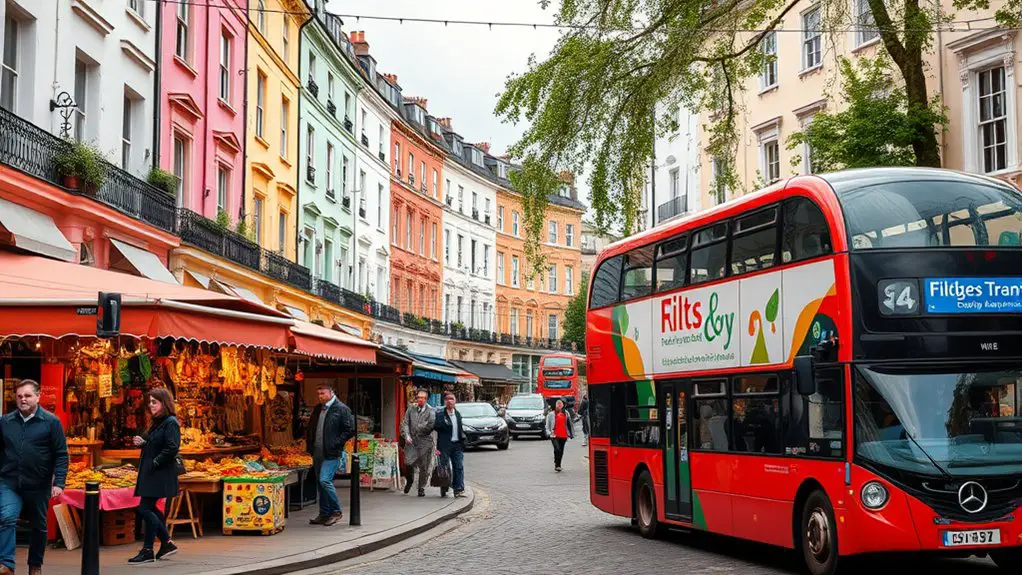
From the museum, continue toward Covent Garden. Its market buildings, shops, restaurants, pubs, and street performers make it a natural transition from museum sightseeing to a more relaxed afternoon.
Walk west toward Soho for cafes, restaurants, nightlife, and small streets with a different feel from ceremonial Westminster. Chinatown is nearby, making it easy to combine both areas without another Tube journey.
Choose One Additional Neighborhood
London’s neighborhoods are one of the best parts of the city, but trying to visit Camden, Brixton, Greenwich, Soho, Chinatown, and Covent Garden in the same day turns the experience into a transport exercise. Choose one extra area based on what interests you most:
- Camden: best for markets, alternative fashion, music history, street food, and easy access to Regent’s Canal.
- Brixton: a strong choice for Caribbean food, music, markets, and London’s multicultural character.
- Greenwich: better for maritime history, riverside scenery, the market, and a slower half-day away from the West End.
If you choose Camden, you can finish with a walk along part of Regent’s Canal. If you choose Greenwich, consider reaching or leaving the area by river so the journey itself becomes part of the sightseeing.
Evening: Experience London’s Nightlife at Your Own Pace
For an evening out, Soho offers pubs, cocktail bars, restaurants, jazz, and late-night venues within a compact area. Shoreditch is another option for bars, clubs, live music, and a younger late-night scene. Camden is especially appealing when live music is the priority.
You do not need to join a pub crawl to experience London nightlife. A pub meal, live show, jazz set, comedy performance, or West End production can be just as memorable and often gives you more control over the pace of the evening.
Day 4: Museums, Parks, and a Slower Side of London
Use your final day to slow the pace. South Kensington is especially convenient because several major museums sit close together, while Hyde Park is within walking distance. Alternatively, devote a substantial part of the day to Kew Gardens.
Option 1: South Kensington Museums and Hyde Park
The Natural History Museum is a favorite for dinosaurs, geology, wildlife, and dramatic architecture. General admission is free, but the museum recommends booking a free entry ticket in advance to guarantee admission during busy periods. Check the Natural History Museum visitor page.
Nearby, the Victoria and Albert Museum covers decorative arts, fashion, design, sculpture, photography, furniture, and objects from cultures around the world. V&A South Kensington offers free general admission and does not normally require a general-entry reservation, although some exhibitions and events are ticketed.
Families can substitute or add the Science Museum, which offers hands-on and family-oriented science displays. Do not try to explore all three museums in depth in one day. Pick one main museum and treat a second as an optional shorter stop.
Afterward, walk toward Hyde Park for a picnic, lakeside break, or simple stroll. This gives your final afternoon some breathing room after three sightseeing-heavy days.
Option 2: Spend Half a Day at Kew Gardens
Kew Gardens is an excellent choice when you want greenery rather than another central-London museum. The site is large enough to deserve several hours, with glasshouses, landscaped gardens, seasonal displays, and major plant collections. Admission is paid, and ticket prices vary by season, so check Kew Gardens’ official ticket information before visiting.
Because Kew sits away from the main central sightseeing cluster, it works best as a deliberate half-day destination rather than something squeezed between Westminster and the West End.
Relaxed Alternatives
If you would rather keep your final day unstructured, London offers plenty of slower activities. Choose one or two rather than trying to complete the whole list:
| Activity | Location | Experience |
|---|---|---|
| Picnic in Hyde Park | Hyde Park | Peaceful green space and lakeside views |
| Thames River Cruise | River Thames | A seated sightseeing break with skyline views |
| Afternoon Tea | The Ritz London | A formal British tradition with sandwiches, pastries, scones, and tea; advance booking is wise |
| Kew Gardens | Kew | Botanical collections, glasshouses, and landscaped grounds |
| Serene Walk | Regent’s Canal | A quieter waterside walk that pairs well with Camden or Regent’s Park |
Getting Around London Efficiently
For most visitors, the Underground, buses, London Overground, Elizabeth line, and walking provide the easiest combination. Transport for London recommends pay-as-you-go travel using contactless or an Oyster card for flexibility.
Always use the same card or the same device when touching in and out. For example, touching in with your phone and touching out with the physical bank card linked to that phone can be treated as two different payment methods. TfL explains the rules on its pay-the-right-fare guidance.
For adult pay-as-you-go travel in 2026, the daily cap for Zones 1–2 is £8.90. Trips outside those zones can increase the applicable cap, and some services have separate fare rules, so check TfL’s current fare-capping table rather than relying on an old guide.
- Walk short distances: Westminster, Covent Garden, Soho, the South Bank, and the City each reward exploring on foot.
- Use the Tube for longer jumps: it is often faster than taking a sightseeing bus through central traffic.
- Use buses for views: regular London buses can be a pleasant way to see streets above ground without buying a dedicated tour ticket.
- Allow extra time: stations can involve long corridors, stairs, escalators, and interchange walks that are not obvious from a map.
What to Book Before Your Four-Day London Trip
You do not need to reserve every minute, but a few advance decisions make the trip much smoother.
- Tower of London: reserve ahead during weekends, holidays, and other busy periods.
- Westminster Abbey: check opening times and timed-ticket availability, especially because services can alter tourist access.
- Changing the Guard: verify the official schedule for your date rather than buying other timed tickets based on an assumed ceremony.
- Free museums: check each museum’s current policy. The British Museum offers free booking, the Natural History Museum recommends advance free tickets to guarantee entry, and the V&A normally does not require general-admission booking.
- Kew Gardens: check seasonal hours and ticket prices if you choose the Day 4 Kew option.
- Afternoon tea, West End shows, and popular restaurants: reserve earlier when a specific venue or performance is important to you.
Frequently Asked Questions
What are the best hidden gems in London?
Leighton House, Postman’s Park, and Columbia Road Flower Market are worthwhile alternatives to the biggest tourist sights. Columbia Road’s flower market is a Sunday experience, so check your dates before adding it. Leighton House is a paid historic house museum, while Postman’s Park offers a quiet break in the City.
How can I experience London’s local nightlife?
Spend an evening in Soho, Shoreditch, or Camden depending on your interests. Soho is convenient for pubs, restaurants, jazz, and West End entertainment; Shoreditch has a strong bar and club scene; Camden remains a good choice for live music. A pub, comedy show, concert, or theater performance can be more relaxed than a pub crawl.
Are there family-friendly activities in London?
Yes. The Tower of London, Natural History Museum, Science Museum, Hyde Park, Thames cruises, and many markets can work well for families. Avoid packing too many museums into one day, and check individual attractions for age rules, timed activities, stroller access, and family facilities.
What transportation options are best for sightseeing?
A mix of walking and TfL public transport is usually the most practical. Use the Underground or rail for longer distances, buses when you want to see more of the streets, and walking within compact sightseeing areas. Contactless and Oyster pay-as-you-go both support fare capping when used correctly.
Where can I find London street food?
Borough Market and Camden are two convenient choices for visitors because both combine food with other sightseeing. Brick Lane and nearby East London markets are another option when you are already exploring Shoreditch or the East End. Choose markets that fit your day’s route instead of crossing London only for lunch.
Do I need to book London’s free museums in advance?
It depends on the museum. The British Museum offers free advance booking, the Natural History Museum recommends a free reservation to guarantee entry when it is busy, and V&A South Kensington normally allows free general admission without advance booking. Always check the museum’s current visitor page because temporary exhibitions may have separate tickets.
Is four days enough for London?
Four days is enough for a strong first visit if you accept that you will not see everything. Focus on one geographic area at a time, choose a few priority attractions, and leave optional neighborhoods or museums as swaps. That produces a much better trip than trying to check every famous sight off a list.
Conclusion
In four days, you can experience several different sides of London without turning the trip into a race. Begin with Buckingham Palace and Westminster, explore the Tower of London and South Bank on your second day, spend Day 3 mixing museums with Covent Garden, Soho, Chinatown, and one additional neighborhood, then make Day 4 more relaxed with South Kensington, Hyde Park, or Kew Gardens.
The biggest improvement you can make is simply to resist overplanning. London rewards walking, unexpected stops, markets, parks, and time spent inside its museums just as much as it rewards checking off famous landmarks. Book the attractions that need certainty, keep a few alternatives ready, and let the rest of the trip breathe.
Sources
- The Royal Family — Changing the Guard — official information for Buckingham Palace ceremonial planning.
- Historic Royal Palaces — Tower of London Tickets and Prices — admission, inclusions, and advance-booking guidance.
- Westminster Abbey — Visit Us — current visitor hours, access, and planning information.
- Transport for London — Best Ways for Visitors to Pay — contactless, Oyster, pay-as-you-go, and fare-capping guidance.
- British Museum — Visit — free permanent-collection entry and visitor booking information.
- Natural History Museum — Visit — free admission, advance entry booking, hours, and visitor planning.
