
Last Updated on July 27, 2026 by Daniel Globe
Two days in London is enough time to see many of the city’s most famous landmarks without spending the entire trip rushing between neighborhoods. The key is to group attractions by area. This itinerary keeps Day 1 around Westminster and the West End, then uses Day 2 for the Tower of London, Tower Bridge, London Bridge and the South Bank, with flexible museum, market and evening options.
Quick Answer
For two days in London, group sights by area instead of racing across the city. Spend Day 1 around Westminster, Buckingham Palace, Trafalgar Square, Covent Garden and the West End. Spend Day 2 around the Tower of London, Tower Bridge, Borough Market and the South Bank. Pre-book major paid attractions and use contactless or Oyster for transport.
Key Takeaways
- Keep Day 1 in central London around Westminster, St. James’s Park, Buckingham Palace, Trafalgar Square and Covent Garden.
- Use Day 2 for the Tower of London, Tower Bridge, London Bridge, the South Bank and an optional museum.
- Choose one or two museums rather than trying to visit the British Museum, National Gallery, Tate Modern and V&A in the same 48 hours.
- Check live opening times and ceremony schedules before your trip, especially for Westminster Abbey and the Changing of the Guard.
- Walk between nearby sights and use contactless or Oyster for longer journeys.
At a Glance
| Time Required | Two full sightseeing days |
| Day 1 | Westminster → St. James’s Park → Buckingham Palace → Trafalgar Square → Covent Garden → West End |
| Day 2 | Tower of London → Tower Bridge → London Bridge/Borough Market → South Bank → optional museum or evening activity |
| Cost | Flexible. Parks and major national museums can be free, while the Tower of London, Westminster Abbey, theatre, cruises and special exhibitions are paid. |
Disclosure: As an Amazon Associate I earn from qualifying purchases. Some links on this page are affiliate links, at no extra cost to you.
Day 1: Iconic Landmarks and Must-See Sights
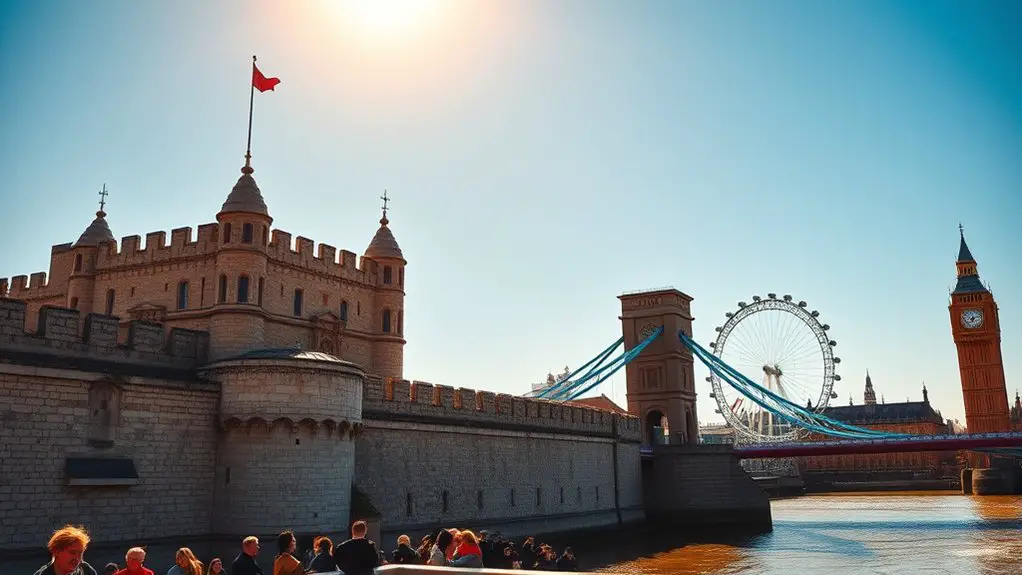
Start your first day in Westminster, where several of London’s best-known sights sit within walking distance of one another. This keeps your morning efficient and avoids unnecessary Tube journeys.
Morning: Westminster Abbey, Big Ben and Parliament
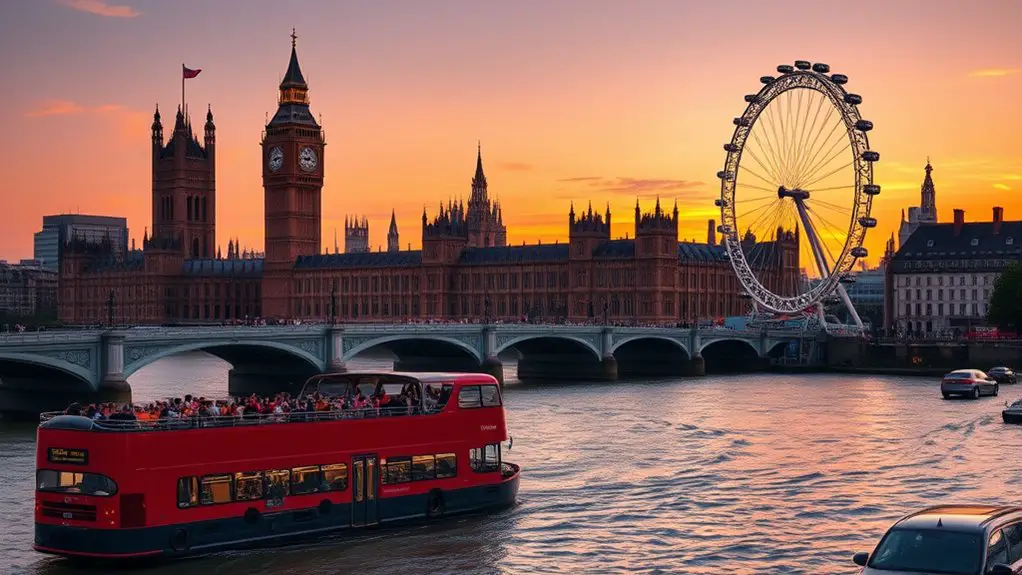
Begin near the Houses of Parliament and Big Ben. You can see the famous clock tower and Parliament buildings from Parliament Square and nearby Westminster Bridge before visiting Westminster Abbey.
If you want to tour the Abbey’s interior, check the official Westminster Abbey opening times for your exact date. Visitor hours vary, and church services or special events can affect sightseeing access.
Note: If seeing the Changing of the Guard is one of your priorities, check the official schedule before booking your Westminster Abbey time. Trying to fit both into the same morning can create unnecessary rushing.
Late Morning: St. James’s Park and Buckingham Palace
Walk through St. James’s Park toward Buckingham Palace. The park provides a pleasant break between major sights and gives you classic views toward the palace and ceremonial areas around The Mall.
If a Guard Change is scheduled during your visit, confirm it on the Household Division’s official Changing the Guard calendar. Ceremonial schedules can change, so do not assume the full ceremony will take place every day.
If no ceremony fits your itinerary, seeing Buckingham Palace from outside still works well as part of the Westminster walking route and leaves more time for the Abbey or a museum.
Afternoon: Trafalgar Square, the National Gallery and Covent Garden
Continue toward Trafalgar Square, home to Nelson’s Column and the National Gallery. Art lovers can spend about an hour or two seeing selected highlights rather than trying to cover every gallery. The collection includes works by artists such as Leonardo da Vinci, Monet and Van Gogh.
General admission to the National Gallery is free. The gallery recommends checking current visitor information and offers advance free-ticket booking for easier entry. See its official visitor admissions information before you go.
From Trafalgar Square, walk to Covent Garden. The area grew around a historic fruit and vegetable market and today combines shops, restaurants, street entertainment and the Market Building. It is a practical place for a late lunch, coffee or early dinner because it is also close to the West End.
Pro Tip: Do not spend your two days repeatedly crossing central London for individual attractions. Save sights east of the City, including the Tower of London and Tower Bridge, for Day 2.
Day 2: Tower of London, Historic Areas and the Thames
Morning: Tower of London
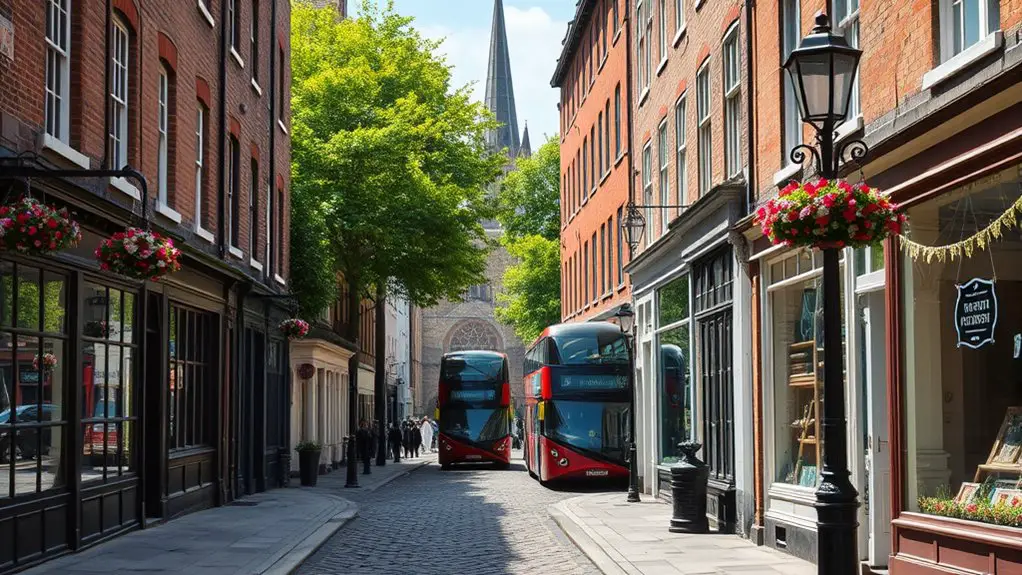
Start early at the Tower of London. The fortress is one of the attractions that deserves real time rather than a quick photo stop, especially if you want to see the Crown Jewels, historic towers and other exhibitions.
Historic Royal Palaces recommends allowing roughly two to three hours for a fuller visit. Check the official Tower of London opening and closing times and reserve tickets in advance when your travel dates are fixed.
Late Morning: Tower Bridge
After the Tower, walk to Tower Bridge. Crossing the bridge on foot gives you Thames views without adding another transport journey. Visitors who want to explore the paid Tower Bridge exhibition can do so, but with only two days in London, simply walking across is the quicker choice.
Lunch: London Bridge and Borough Market
Continue toward London Bridge and Borough Market for lunch. The market is known for produce, prepared foods and international dishes and works particularly well because it is close to the Day 2 sightseeing route.
Check the market’s trading day before relying on it for lunch, because schedules can vary around Mondays, holidays and special dates. If it is not operating when you visit, the London Bridge and Southwark area has plenty of other restaurants and cafés.
Afternoon: South Bank or Spitalfields
For the easiest route, stay south of the Thames and continue toward Bankside and the South Bank. You can walk beside the river, see landmarks from the opposite bank and stop at Tate Modern if modern and contemporary art interests you.
Alternatively, travelers more interested in old streets and markets can head toward Spitalfields after the Tower. The area combines historic East London streets, shops, food and market architecture. This is a better description than treating modern Spitalfields Market itself as a medieval attraction.
Do not try to squeeze the full South Bank route, Spitalfields and several museums into the same afternoon. Choose the option that matches your interests.
Cultural Experiences and Museums
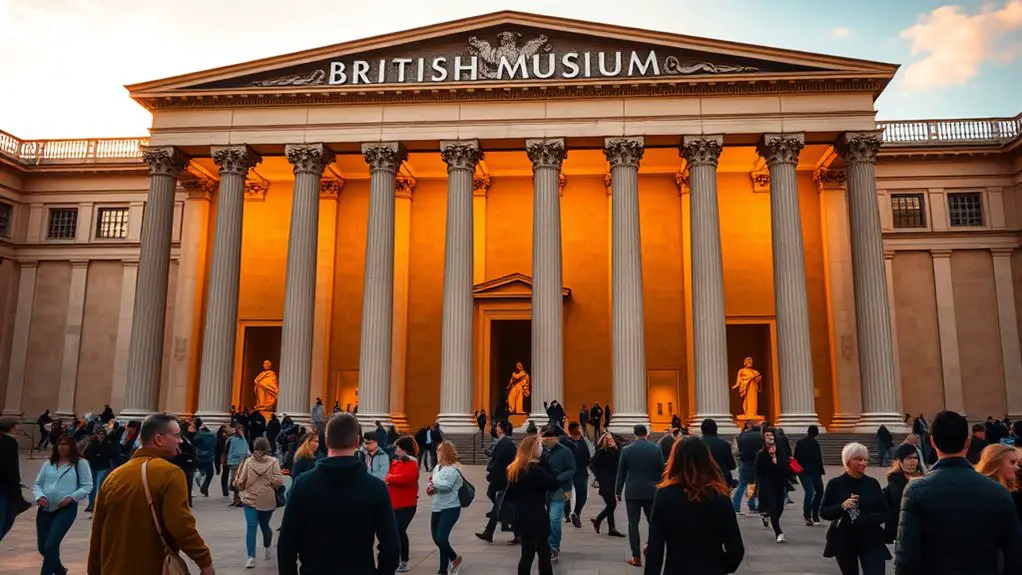
London’s major museums can easily consume an entire day, so a two-day visitor should normally choose one or two rather than trying to see everything.
- British Museum: Best for world history and archaeology. Highlights include the Rosetta Stone and Egyptian collections, including mummy displays.
- National Gallery: Best for European painting and the easiest museum to fit into Day 1 because it sits directly on Trafalgar Square.
- Tate Modern: Best for modern and contemporary art. Its location in a former power station on Bankside makes it the most convenient major museum for the Day 2 South Bank route.
- Victoria and Albert Museum: Best for decorative arts, design and fashion. Because it is in South Kensington, it works better as a substitute for part of the main itinerary than as an extra stop.
Many permanent national museum collections are free to enter, although temporary exhibitions may require paid tickets. Check each museum’s current opening and ticket information before your trip.
With only 48 hours in London, seeing one museum well is usually more rewarding than rushing through four major collections.
Relaxing in Parks and Gardens
You do not need to dedicate half a day to a park to enjoy London’s green spaces. The smartest approach is to choose one that naturally fits your sightseeing route.
St. James’s Park is the easiest choice on Day 1 because it sits between Westminster and Buckingham Palace. Walk by the lake and use the park as a quieter break between major landmarks.
Hyde Park offers broad lawns, lakeside paths and room to slow down. It is a better choice if you decide to spend part of your trip in western central London.
Kensington Gardens, beside Hyde Park, includes the Italian Gardens and Peter Pan statue. It pairs naturally with South Kensington attractions but requires a detour from the core two-day route.
Regent’s Park offers gardens, open space and a lake and works particularly well if you decide to visit Camden instead of following the South Bank itinerary.
For two days in London, treat these parks as flexible breaks rather than trying to visit all four.
Evening Activities and Nightlife
London’s evenings can be as busy or relaxed as you want. After Day 1, Covent Garden and the West End are the most convenient places to stay because you will already be nearby.
A West End theatre performance is a classic option, while Soho offers restaurants, cocktail bars, pubs and live music within walking distance. Popular performances can sell out, so booking ahead is sensible if a particular show matters to you.
For a quieter night, consider an evening Thames cruise or a riverside walk with views of illuminated landmarks.
Camden can also work for an evening meal or drinks, but it should not be described as a uniformly late-night retail market. The main market currently lists daytime-to-early-evening hours, while some Hawley Wharf food venues operate later. Check Camden Market’s current opening hours before making the trip.
If nightlife is a priority, you can also spend the evening at a rooftop bar, a jazz venue or a nightclub. Keep the venue reasonably close to your hotel so a late finish does not make your second sightseeing morning harder.
Warning: Crowded stations, markets and major sightseeing areas require the same care you would use in any busy city. Keep phones, wallets and passports secure rather than leaving them in open bags or easy-to-reach pockets.
Getting Around London Efficiently in Two Days
Walking is often fastest between nearby central London sights, while the Tube and buses are useful when moving between areas such as Westminster and the Tower of London.
You do not have to buy an Oyster card simply because you are visiting London. According to Transport for London’s visitor payment guidance, travelers can use contactless cards or devices as well as Oyster for pay-as-you-go travel.
With contactless or Oyster, remember to use the same card or device when touching in and out where required. Switching between a physical bank card, phone and watch can cause journeys to be treated separately and may result in incorrect fares.
For a central two-day itinerary, most sightseeing will remain in or close to the central transport zones. Use TfL’s journey planner before longer trips and check step-free options if anyone in your group has mobility requirements.
Pro Tip: One person should use one payment card or device. Do not pass a single contactless card between multiple travelers at the same station gate.
What to Book Before Your Two-Day London Trip
A little advance planning can save a surprising amount of time. Prioritize reservations for attractions where a missed time slot would disrupt your entire route.
- Tower of London: Reserve ahead once your date is confirmed.
- Westminster Abbey: Check sightseeing hours for the exact day before planning your Westminster morning.
- West End shows: Book ahead when you care about a particular production, date or seating area.
- Special museum exhibitions: Permanent collections may be free, but popular temporary exhibitions can require timed tickets.
- Thames cruises and observation attractions: Pre-book when you want a particular sunset or evening slot.
Keep some flexibility. London has enough free landmarks, parks, neighborhoods and museum collections that a changed opening time does not have to ruin the day.
Hidden Gems and Alternative Routes
If this is not your first London trip, you may prefer to swap a major attraction for a quieter neighborhood. Little Venice offers canals and waterside walks, while Hampstead Heath provides open space and elevated city views.
Highgate Cemetery is another historic option, but it is not a quick central-London detour. Allow extra travel time and check current visitor arrangements before going.
These alternatives work best as replacements rather than additions. For example, spend a half-day around Hampstead instead of visiting a second museum, or choose Little Venice and Regent’s Park instead of the Tower/South Bank route.
Frequently Asked Questions
How can I efficiently navigate London’s public transportation system?
Walk between nearby central attractions and use the Tube or buses for longer journeys. You can pay with a compatible contactless card or device or use Oyster. When using contactless, keep using the same card or device for the journey so TfL can calculate the correct fare and applicable caps.
Are there any local food markets worth visiting during a short stay?
Borough Market is particularly convenient on Day 2 because it is close to London Bridge, Tower Bridge and the South Bank. Camden Market offers extensive food options but is farther from the core sightseeing route. Check current trading days and hours before traveling specifically for either market.
What are some hidden gems away from tourist crowds?
Little Venice, Hampstead Heath and Highgate Cemetery provide alternatives to the busiest central attractions. They require extra travel time, so use one as a substitute for part of the main itinerary rather than trying to squeeze it between Westminster and the Tower of London.
How do I prioritize attractions to maximize my limited time?
Choose two or three non-negotiable attractions, group everything else geographically and avoid crossing London repeatedly. Give major paid attractions enough time, then use nearby free sights, parks and neighborhoods to fill the gaps between reservations.
Are there any special events or festivals happening during my visit?
London’s event calendar changes constantly, so check official venue and city event listings for your exact travel dates. Also check for ceremonial events, temporary exhibitions, concerts, sporting events and transport disruptions that could affect your planned route.
Which London attractions should I book in advance?
Prioritize the Tower of London, Westminster Abbey, popular West End shows, paid temporary exhibitions and any timed river cruise or observation attraction you consider essential. Free outdoor landmarks generally give you more flexibility.
How many museums should I visit in two days?
One major museum is ideal for most first-time visitors, while two can work if museums are a high priority. Choose the National Gallery for Day 1, Tate Modern for Day 2, or substitute the British Museum or V&A for another part of the itinerary.
Conclusion
Two days in London goes quickly, but you can see an impressive amount without turning the trip into a race. Spend your first day around Westminster, Buckingham Palace, Trafalgar Square and Covent Garden, then devote Day 2 to the Tower of London, Tower Bridge, London Bridge and the South Bank. Choose museums and neighborhoods based on your interests, leave room for meals and walking, and check live opening times before you travel. A focused route will give you a much better feel for London than trying to tick off every famous attraction in 48 hours.
Sources
- Transport for London — Best Ways for Visitors to Pay — contactless, Oyster and pay-as-you-go visitor guidance.
- Historic Royal Palaces — Tower of London Opening and Closing Times — current opening information and recommended visit planning.
- Westminster Abbey — Prices and Entry Times — date-specific visitor access and opening information.
- The Household Division — Changing the Guard Calendar — official ceremonial schedule.
- National Gallery — Visitor Admissions Policy — general admission and current visitor guidance.
- Camden Market — Visit and Opening Hours — current market, retail and food-hall opening information.
