
Last Updated on July 27, 2026 by Daniel Globe
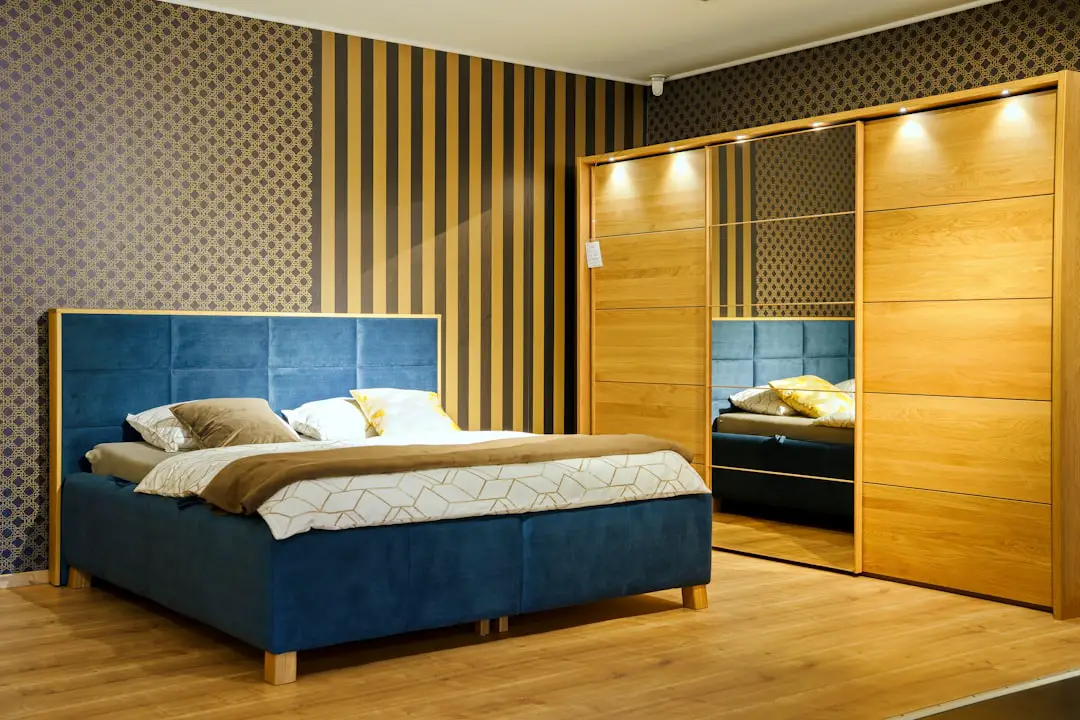
A double room is a type of accommodation intended for two guests. In many hotels, that means one bed large enough for two people, such as a full/double, queen, or king. However, hotel terminology is not perfectly standardized, so the exact bed count and size should always be confirmed in the room description before booking.
Double rooms are common in hotels, motels, guesthouses, and resorts. Depending on the property, the room may include a private bathroom, seating or work space, climate control, and other amenities. Luxury properties may provide more space and premium furnishings, while budget properties may offer a simpler setup.
Quick Answer
A double room is a hotel room intended for two guests and usually has one shared full/double, queen, or king bed. A twin room normally has two separate beds. Because hotel terminology varies, check the listing for the exact number, size, and type of beds before booking.
Key Takeaways
- A double room is normally designed for two guests and commonly has one bed for them to share.
- A twin room usually accommodates two guests in two separate beds.
- “Double room” describes a room category; it does not guarantee one particular mattress size, room size, view, or set of amenities.
- In North America, you may also encounter rooms labeled “Two Doubles,” “Two Queens,” or informally “double-double,” meaning two beds in one room.
- Occupancy limits and extra-bed policies vary by hotel, so do not assume a room for two can automatically accommodate a third or fourth guest.
- Effective May 12, 2025, the FTC requires covered sellers of short-term lodging in the U.S. to display a total price upfront that includes mandatory fees they know and can calculate, subject to limited exclusions such as government charges and optional add-ons.
- Read the actual bed description before booking. The room name alone is not enough to confirm whether you will receive one bed, two beds, or a particular mattress size.
For example, a luxury hotel may offer a spacious double room with premium bedding, a large bathroom, and a sitting area, while a budget motel may provide a bed, bathroom, television, and basic furnishings. The common idea is accommodation for two people, but the exact setup depends on the property.
Disclosure: As an Amazon Associate I earn from qualifying purchases. Some links on this page are affiliate links, at no extra cost to you.
Difference Between Double and Twin Rooms
Both double and twin rooms are generally designed for two guests. The main difference is the sleeping arrangement. A double room usually has one larger bed for two people to share, while a twin room normally has two separate beds.
A double room often suits couples or travelers who are comfortable sharing a bed. A twin room is usually the better choice for friends, relatives, or colleagues who want separate sleeping spaces.
Some hotels use two movable single beds that can be joined to create one larger sleeping surface or separated to create a twin configuration. Others sell a room as “double or twin,” meaning the exact setup may depend on the booking option, your request, or availability.
Note: Hotel terminology varies by country, brand, and booking platform. A room name such as “Double,” “Twin,” “Double or Twin,” “Two Doubles,” or “Two Queens” should never replace checking the actual bed count listed in the reservation details.
Double Room vs. Double Bed
A double room describes the accommodation. A double bed describes a mattress size. The two terms are not interchangeable. A double room can contain a full/double bed, queen bed, king bed, or another configuration specified by the hotel.
For U.S. size context, mattress manufacturers commonly list a full/double at roughly 53–54 inches wide by 74–75 inches long, a queen at about 60 by 80 inches, and a standard king at about 76 by 80 inches. For example, Tempur-Pedic’s current mattress size guide lists Full/Double, Queen, and King sizes close to those measurements. Actual dimensions can vary by manufacturer, and bed-size terminology differs outside the United States.
Amenities in a Double Room
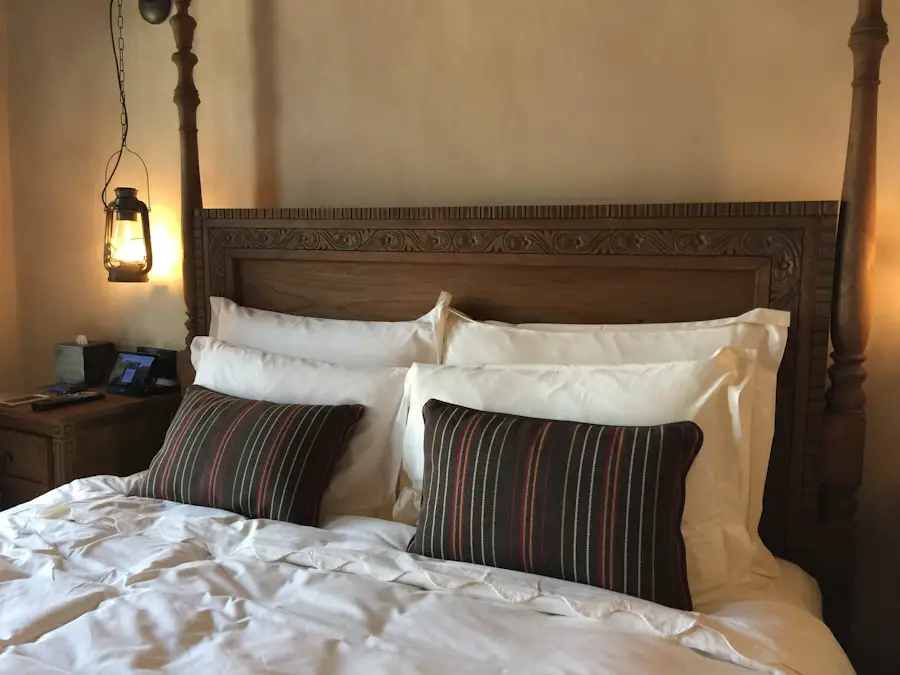
Double rooms commonly include the basic features offered by that hotel, which may include a private or en-suite bathroom, towels, toiletries, heating or air conditioning, bedside lighting, a wardrobe or closet, and a television. The exact list should be checked on the property’s room page because none of these features is guaranteed by the words “double room” alone.
Mid-range and upscale hotels may add a mini-fridge, coffee maker or kettle, work desk, seating area, Wi-Fi, safe, premium toiletries, bathrobes, or upgraded linens. Some extended-stay properties may provide a kitchenette, but a kitchenette is not a standard feature of a double room.
The room name tells you the general category. The listing details tell you what you are actually reserving.
Booking a Double Room
Double Room Quick Facts
| Feature | Typical Detail |
| Intended occupancy | Usually two guests; the property’s stated maximum occupancy controls |
| Common bed setup | One shared full/double, queen, or king bed, although configurations vary |
| Approx. common U.S. mattress sizes | Full/Double about 53–54 × 74–75 in; Queen about 60 × 80 in; King about 76 × 80 in; dimensions can vary |
| Room size in the U.S. | No universal standard; check the property’s stated square footage |
| Room size outside the U.S. | Also not standardized; listings commonly state area in square meters, so check whether the quoted area includes the bathroom |
| “Double-double” / Two Doubles | Two double beds in one room; some North American hotels instead offer or label a similar layout as “Two Queens” |
You can book a double room directly through the hotel’s website or through a reservation platform. Direct booking can make it easier to contact the hotel about bed configuration, accessibility, connecting rooms, arrival time, or other special requests. It does not automatically mean every request is guaranteed, so read the confirmation carefully.
Pro Tip: If bed configuration matters, book a room type that explicitly states the setup you need, such as “1 King Bed” or “2 Queen Beds.” Then contact the hotel if necessary and ask whether that setup is guaranteed or merely recorded as a preference.
Online travel agencies such as Expedia and Booking.com let travelers compare hotels, prices, room types, amenities, and cancellation terms. Vacation-rental marketplaces such as Airbnb serve a somewhat different type of accommodation but can also appear in travel comparisons. Whichever platform you use, review the actual room description, guest count, cancellation policy, taxes, mandatory fees, and sleeping arrangements before paying.
What to Confirm Before You Book
- Number of beds: Is there one shared bed or two separate beds?
- Bed size: Does the listing specify double/full, queen, king, twin, or dimensions?
- Maximum occupancy: How many adults and children are permitted?
- Extra sleeping space: Is a crib, rollaway, sofa bed, or other approved setup available, and does it cost extra?
- Room size: How many square feet or square meters does the listing state?
- Bathroom: Is it private, shared, equipped with a tub, or equipped with a shower?
- Included services: Are breakfast, Wi-Fi, parking, or resort amenities included?
- Cancellation terms: Is the rate refundable, partially refundable, or nonrefundable?
- Special requests: Are adjoining rooms, accessibility features, or a specific bed configuration confirmed or only requested?
Double Room vs. Double Occupancy
“Double room” and “double occupancy” sound similar but describe different things. A double room is a room category designed for two guests. Double occupancy refers to two people occupying a room or to a rate calculated on the assumption that two people will stay in it.
That distinction matters because a rate may change when you change the guest count, even when the physical room stays the same. Breakfast packages, all-inclusive stays, local charges, or hotel pricing rules can also affect the total.
A room can also be sold for single occupancy, meaning one person stays in it even though the room itself could accommodate two. Some international properties describe this as a “double room for single use.”
Cost of a Double Room
The price of a double room can vary widely based on location, travel dates, demand, hotel category, room size, view, cancellation terms, and included services. A double room in a major city during a popular event may cost far more than a similar room during a quiet period.
Luxury properties generally charge more than budget hotels because of differences in location, service, room quality, facilities, and amenities. Promotional rates, loyalty discounts, advance-purchase offers, and packages may reduce the price, but a cheaper rate may come with stricter cancellation terms.
Do not compare rooms only by the large nightly-rate number. Compare the final price, cancellation conditions, bed setup, room size, breakfast or parking inclusions, and any optional charges that matter to your stay.
Tips for Making the Most of Your Double Room

Once you arrive, organize luggage so walkways and access to the door remain clear. Using drawers, closets, luggage racks, bedside outlets, and separate storage areas can make a shared room feel less crowded.
Adjust the lighting, curtains, heating, or air conditioning to make the room comfortable. If the room includes a mini-fridge or coffee maker, use them for drinks or snacks as permitted by the property. Check whether any minibar items are complimentary before consuming them.
Make use of hotel facilities that are actually included in your reservation, such as breakfast, a lounge, pool, fitness center, Wi-Fi, or business space. If something listed as part of your room is missing or not working, contact the front desk early enough for the hotel to address it.
Common Double Room Configurations
The most familiar double-room setup is one bed for two guests. Depending on the property and country, the bed may be described as a double/full, queen, king, or by its dimensions.
Another configuration is a room with two double or queen beds. In North America, listings often make this explicit with names such as “Two Doubles” or “Two Queens.” Travelers sometimes call the former a “double-double.” This arrangement can work for families or groups, but the room’s stated maximum occupancy still applies.
Some hotels use convertible bedding. Two individual mattresses may be pushed together for one sleeping surface or separated to form two beds. If this distinction matters, request the desired setup before arrival and check whether the hotel confirms it.
Double Room Terms That Can Be Confusing
Double or Twin Room
A “double or twin” listing generally means the room can be configured with one larger sleeping surface or two separate beds. Do not assume you can choose after arrival. Check whether the booking process lets you select a preference and whether that preference is guaranteed.
Standard Double Room
“Standard” usually describes the hotel’s room class or entry-level category, while “double” describes whom the room is designed to accommodate or its bed arrangement. A property can therefore offer a Standard Double, Superior Double, Deluxe Double, or similar categories.
Double Room for Single Use
This normally means one guest books a room that is capable of accommodating two. The hotel may price it differently from the same room occupied by two people, particularly when breakfast or other per-person services are included.
Two Doubles
“Two Doubles” normally means two full/double-size beds rather than one bed for two guests. It is different from the traditional one-bed meaning of “double room,” which is why checking the bed-count field is more reliable than relying on the word “double.”
Accessibility and Special Requirements
If you need an accessible room, do not rely on the words “double room” to tell you whether the room will work for you. Check the specific features you require, such as the bed count, bathroom configuration, roll-in shower or tub, doorway clearance, communication features, and other accessibility details.
In the United States, Department of Justice ADA regulations and guidance for places of lodging require covered reservation services to describe accessible hotel and guest-room features in enough detail to let travelers assess whether a room meets their accessibility needs. The guidance specifically recognizes the importance of knowing the size and number of beds.
Note: When a particular feature is essential to your stay, verify that feature directly in the reservation details rather than assuming it is included because another room of the same general category has it.
Understanding the Fine Print
Before booking a double room, review the cancellation deadline, check-in and check-out times, deposit or prepayment rules, guest limits, breakfast terms, parking charges, and any fees associated with the reservation.
Warning: Effective May 12, 2025, the FTC Rule on Unfair or Deceptive Fees requires covered businesses displaying prices for short-term lodging in the United States to show a total price upfront that includes mandatory fees they know and can calculate, such as a mandatory resort fee. Government charges such as taxes and genuinely optional add-ons can be excluded from that initially displayed total under the rule, but applicable charges must be disclosed as required before payment. Rules for stays outside the U.S. can differ.
Also check the property’s occupancy limits. A room intended for two guests does not automatically allow a third person. If another adult or child will stay in the room, enter the correct guest count when searching and confirm whether the hotel permits an additional crib, rollaway, sofa bed, or other sleeping arrangement. Availability and fees vary by property.
The same attention applies to visitors. Hotels may have policies about unregistered guests, overnight visitors, security access, and maximum occupancy. Reading the reservation terms before arrival can prevent unexpected charges or check-in problems.
If you’re also preparing the technology you will carry on your trip, this guide to the best lightweight laptop for travel covers portable options for staying connected while away from home.
Frequently Asked Questions
What is a double room in a hotel?
A double room is a hotel room intended for two guests. It usually contains one bed large enough for two people to share, although the exact bed type and configuration can vary by hotel and country.
Does a double room mean two beds?
Not necessarily. In the traditional hotel-room sense, a double room commonly has one shared bed. A room with two beds may instead be described as a twin room, Two Doubles, Two Queens, or another property-specific name. Always check the listed bed count.
What amenities can I expect in a double room?
Amenities depend on the hotel. Common possibilities include a private bathroom, television, climate control, wardrobe, bedside tables, Wi-Fi, mini-fridge, coffee maker, or desk. Check the specific room listing because the “double” label itself does not guarantee those features.
Is a double room suitable for families?
It can be, but only when the room’s stated occupancy and sleeping arrangements fit the family. Some properties permit a child to share existing bedding or offer a crib, sofa bed, or rollaway, while others do not. Enter the correct number and ages of guests before booking.
How does a double room differ from a twin room?
Both normally accommodate two guests, but a double room usually provides one shared bed while a twin room provides two separate beds. If separate sleeping spaces are important, choose a listing that explicitly confirms two beds.
What is the difference between a double room and a double bed?
A double room is a type of hotel accommodation, while a double bed is a mattress size. A double room may contain a double/full bed, queen, king, or another bed configuration specified by the property.
What does double occupancy mean?
Double occupancy means two people are staying in the room or that a quoted rate is based on two occupants. It describes the number of guests or pricing basis rather than a specific mattress size.
Can one person book a double room?
Usually, yes, if the hotel’s booking rules allow it. The same physical room may be sold for single occupancy, and some properties call this a “double room for single use.” The price may differ when breakfast or other services are charged per guest.
Are double rooms more expensive than other room types?
Not automatically. Price depends on the property, room category, location, dates, demand, view, cancellation terms, amenities, and guest count. Compare the final price and room details rather than assuming a double room is cheaper or more expensive than another category.
What should I check before booking a double room?
Check the number and size of beds, maximum occupancy, room area, bathroom type, included amenities, accessibility features if needed, cancellation policy, and complete price. If any feature is essential, confirm whether it is guaranteed rather than merely requested.
Sources
- Federal Trade Commission — Rule on Unfair or Deceptive Fees FAQ — supports the May 12, 2025 effective date and requirements for displaying mandatory short-term-lodging fees.
- U.S. Department of Justice — ADA Title III Regulations — supports accessible lodging reservation requirements and the need to describe relevant guest-room features.
- Tempur-Pedic — Mattress Size Guide — supports approximate current U.S. full/double, queen, and king mattress dimensions while illustrating manufacturer variation.
- ID90 Travel — What Does “Double Room” Mean When Booking a Hotel? — supports the common one-bed/two-guest convention and the advice to verify the exact bed type in the listing.
