
Last Updated on July 25, 2026 by Daniel Globe
Navigating an extended hotel stay involves understanding hotel policies, financial implications, housekeeping preferences, and legal thresholds. Whether you are traveling for an extended business assignment, relocating to a new city, or taking a prolonged vacation, knowing how long you can comfortably and legally remain in a hotel room ensures a smooth, cost-effective experience.
Quick Answer
You can generally stay in a hotel room as long as you pay, but most standard hotels cap continuous stays at 28 to 30 days to prevent guests from establishing legal tenancy rights. For stays exceeding 30 days, extended-stay hotels or formal long-term agreements are recommended to avoid room transfers and qualify for local lodging tax exemptions.
Key Takeaways
- Tenancy Laws: In many jurisdictions, staying 30 consecutive days grants legal tenant status, prompting standard hotels to enforce maximum stay limits or mandatory room shifts.
- Tax Exemptions: Stays exceeding 30 consecutive days often qualify for exemptions from state and local hotel occupancy taxes, lowering total daily costs by 10% to 18%.
- Housekeeping & Maintenance: Prolonged occupancy requires clear communication with hotel staff regarding cleaning frequency, linen changes, and room upkeep.
- Property Selection: Extended-stay hotel chains offer kitchenettes, lower weekly rates, and laundry amenities better suited for long stays than traditional luxury or boutique hotels.
Disclosure: As an Amazon Associate I earn from qualifying purchases. Some links on this page are affiliate links, at no extra cost to you.
Factors to Consider When Deciding How Long to Stay in a Hotel Room
Deciding how long to remain in a hotel room depends on individual travel objectives, financial capabilities, and personal comfort. While hotels offer convenience and premium amenities, extended stays require balancing cost with lifestyle needs.
Purpose of the Trip
The primary consideration is the purpose of the journey. Corporate travelers and contractors frequently require long stays to align with project milestones, training sessions, or conferences. Conversely, leisure travelers usually opt for shorter visits to cover multiple destinations without becoming stationary.
Location and Personal Preferences
Hotel location significantly influences stay duration. Staying in a central urban hub with accessible public transit, dining, and grocery stores makes a multi-week stay manageable. In contrast, staying in remote areas or limited-service properties can lead to burnout after a few days. Personal tolerance for hotel living varies; some guests enjoy daily housekeeping and front-desk support, while others quickly miss personal residential routines.
Accommodation Type and Budget Constraints
Room configuration directly impacts comfort during long stays. Standard hotel rooms lacking kitchen amenities force guests to rely heavily on dining out, accelerating overall expenses. Suites equipped with kitchenettes, workspace desks, and separate living areas provide a functional living environment. Travelers must also evaluate local lodging taxes and room rate structures, as nightly rates accumulate rapidly over weeks or months.
Pro Tip: If planning a stay longer than 14 nights at a standard hotel, call the general manager or sales director directly. Hotels frequently offer unpublished discounted long-term corporate rates that are lower than online booking platform prices.
The 30-Day Legal Tenancy Threshold and Hotel Policies
A critical factor governing hotel stay duration is municipal housing and tenancy law. In many U.S. states and international jurisdictions, staying in a lodging establishment for 30 consecutive days (or 28 days in certain municipalities) legally converts a hotel guest into a tenant under local law.
According to research guidelines from the American Hotel & Lodging Association (AHLA), once a guest establishes tenant status, standard hotel check-out procedures no longer apply. If the guest stops paying, the property owner must undergo formal court eviction proceedings rather than simply deactivating the room key. To prevent unintended legal tenancy, many traditional hotels enforce strict stay limits, requiring guests to check out or transfer to a different room or sister property before reaching the 30-day mark.
Warning: Attempting to bypass a hotel’s mandatory check-out policy by booking consecutive back-to-back reservations under different names may violate hotel terms of service and lead to immediate booking cancellation or refusal of service.
Impact of Lengthy Hotel Room Stays on Housekeeping and Maintenance
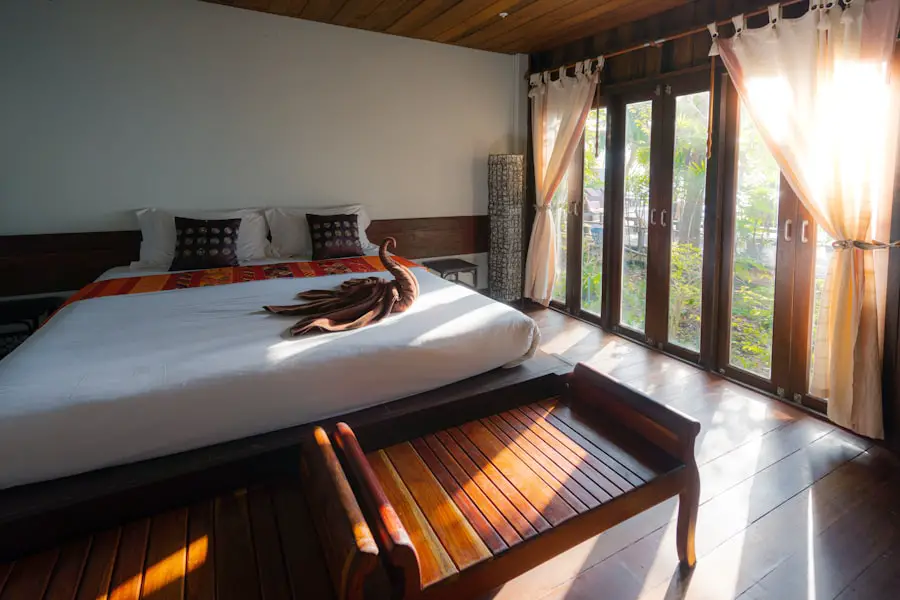
Extended stays change the operational dynamic between guests and hotel housekeeping teams. While transient guests receive standard daily service, long-term occupants often negotiate customized housekeeping schedules to maintain privacy and reduce room disruptions.
However, reduced cleaning frequency presents operational challenges for hotel management. Housekeeping staff must still perform periodic deep cleans to inspect safety fixtures, replenish linens, and prevent pest issues or plumbing strains. Furthermore, extended room occupancy increases natural wear and tear on furnishings, flooring, and appliances. Guests staying long-term should coordinate directly with management to establish mandatory weekly maintenance and linen refresh days that respect guest privacy while keeping the room properly maintained.
The Financial Cost of Extending a Hotel Room Stay
Understanding the true financial commitment of an extended stay requires looking beyond the advertised nightly room rate. Additional taxes, incidental holds, dining costs, and amenity fees accumulate over extended stays.
| Cost Factors | Financial Details & Impact |
|---|---|
| Base Room Rate | Daily charge multiplied by stay length; discounted weekly or monthly tiers may apply. |
| Occupancy Taxes & Fees | State and local hotel taxes (10%–18%). Often waived after 30 continuous days of occupancy. |
| Security Holds | Ongoing pending credit card authorizations for incidentals, re-authorized every 7 to 14 days. |
| Dining & Food Costs | Increased reliance on restaurant meals or room service if kitchen facilities are absent. |
| Parking & Laundry | Daily self/valet parking charges and guest laundry fees that add up significantly over long periods. |
One major financial benefit of extended lodging is the hotel tax exemption rule. According to official travel lodging policy guidance from the U.S. General Services Administration (GSA), guests who maintain continuous occupancy in a single hotel for longer than 30 consecutive days are frequently exempt from local hotel occupancy taxes. In many jurisdictions, hotels will automatically stop charging these taxes starting on day 31 and may refund the taxes collected during the first 30 days upon request.
Tips for Making a Long Hotel Room Stay More Comfortable
Transforming a compact hotel space into a functional long-term living environment requires organization and personal adjustments:
- Personalize the Living Area: Bring small, familiar items such as family photos, a favorite throw blanket, or personal desk accessories to create a welcoming environment.
- Utilize Space-Saving Packing Tools: Keep clothing organized and accessible using luggage organizers, laundry hampers, and structured drawer dividers.
- Establish Daily Routines: Maintain a regular daily schedule for sleep, remote work, exercise, and dining to preserve normalcy.
- Cook Simple Meals: If staying in an extended-stay suite with a kitchen, prepare simple meals using portable cookware or appliances to reduce dining expenses and eat healthier.
- Engage with the Community: Explore nearby parks, neighborhood coffee shops, and cultural centers to avoid staying isolated inside the hotel room.
Note: When staying long-term, inform the front desk if you expect package deliveries. Most major hotel chains accept and hold guest mail and carrier deliveries securely at the front desk or mailroom.
The Psychological Effects of Prolonged Hotel Room Stays
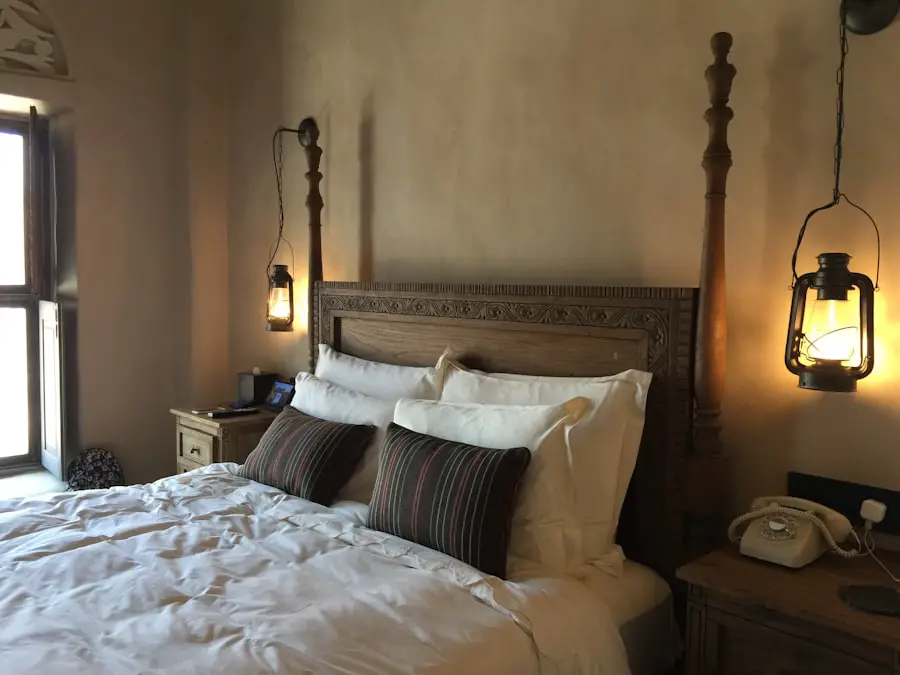
Spending extended weeks inside a hotel room can create psychological strains. The loss of personal space, consistent artificial lighting, and uniform decor can lead to feelings of confinement or restlessness—often referred to as “cabin fever.”
“Maintaining structured daily habits, separating work spaces from relaxation areas, and spending time outdoors are essential for emotional well-being during long-term travel.”
Conversely, some travelers find hotel living liberating. The freedom from domestic chores like cleaning, lawn maintenance, and home repairs frees up time for focus and relaxation. Navigating these psychological aspects requires self-awareness; recognizing early signs of mental fatigue helps travelers adjust their daily habits before stress impacts their travel experience.
The Social and Emotional Impact of Long Hotel Room Stays
Long stays—especially solo business trips—can lead to social isolation. Missing family milestones, personal hobbies, and social networks can cause homesickness and stress over time.
To combat isolation, travelers should leverage communal spaces within the hotel property. Modern extended-stay hotels intentionally design common lounges, courtyard fire pits, fitness centers, and complimentary breakfast areas to foster natural social interaction. Many extended-stay properties also organize regular guest networking events or social hours, giving long-term residents opportunities to connect with fellow travelers.
Alternatives to Extending a Standard Hotel Room Stay
When a standard hotel room begins feeling restrictive or uncost-effective, several alternative long-term lodging options exist:
- Extended-Stay Hotels: Brands designed specifically for multi-week stays (such as Residence Inn, Candlewood Suites, or Extended Stay America) feature full kitchens, on-site laundry, and lower weekly rates.
- Serviced Apartments: Fully furnished residential apartments that include utilities, high-speed internet, and regular cleaning services, offering a true residential feel.
- Corporate Housing: Specialized housing rentals tailored for professionals needing 30+ day stays, usually located in residential condominium buildings.
- Co-Living Spaces: Fully furnished private bedrooms with shared communal kitchens and living rooms, ideal for solo travelers seeking community.
The Importance of Balancing Work and Leisure During a Long Hotel Room Stay
For remote workers and business travelers, staying in a hotel room for weeks can blur the boundaries between work responsibilities and personal time. Working from the same bed or desk where you spend your off-hours can cause burnout and decrease productivity.
To establish healthy boundaries, designate specific zones within the room for work tasks and keep work equipment out of sight during leisure hours. Taking structured breaks, taking walks in nearby neighborhoods, and using hotel fitness centers help maintain work-life balance throughout an extended stay.
Signs that It’s Time to End a Hotel Room Stay
Recognizing when a hotel stay has reached its limit helps travelers transition to better housing arrangements before fatigue sets in. Indicators that it is time to check out include:
- Persistent feelings of burnout, irritability, or severe restlessness inside the room.
- Financial strain caused by daily incidentals, room rates, and restaurant dining costs.
- Frustration with limited personal space, cooking facilities, or storage options.
- Upcoming personal commitments or legal limits that require changing locations.
Conclusion and Final Thoughts on Hotel Room Stay: How Long is Too Long?
Determining how long is too long for a hotel stay ultimately depends on individual budget, lifestyle preferences, and local regulations. While standard hotels offer convenient short-term stays, stays beyond 28 to 30 days trigger legal tenancy considerations, tax exemption thresholds, and physical comfort challenges. By selecting the right accommodation type, communicating clearly with hotel staff, and establishing daily routines, travelers can enjoy safe, comfortable, and cost-effective extended stays.
Frequently Asked Questions
What is the typical length of stay in a hotel room?
The average hotel stay ranges from 1 to 3 nights for leisure and business trips. However, extended-stay properties regularly host guests for periods ranging from several weeks to multiple months.
Can you stay in a hotel room for an extended period of time?
Yes. Many hotels welcome extended stays, and specialized extended-stay hotel chains offer discounted weekly or monthly rates along with amenities like full kitchenettes and self-service laundry.
Is there a maximum length of time you can stay in a hotel room?
While there is no federal maximum limit, standard hotels usually cap continuous stays at 28 to 30 days. This limit prevents guests from establishing legal tenancy rights under local housing laws unless formal long-term agreements are signed.
What are the factors that determine how long you can stay in a hotel room?
Key factors include individual hotel stay limit policies, local municipal tenancy laws, hotel tax exemption thresholds, personal budget, room availability, and payment authorization limits.
Are there any legal restrictions on how long you can stay in a hotel room?
Yes. In many cities and states, staying in a hotel room for 30 consecutive days grants tenant protections. To avoid formal eviction requirements in case of non-payment, standard hotels may require guests to check out or transfer rooms before reaching the 30-day mark.
Sources
- American Hotel & Lodging Association (AHLA) — Lodging industry guidelines on extended stays, hotel policies, and guest safety regulations.
- U.S. General Services Administration (GSA) — Federal per diem rates, state lodging tax exemptions, and government travel regulations.
- Internal Revenue Service (IRS) — Tax implications and rules governing long-term temporary business travel reimbursements.
