
Last Updated on August 26, 2026 by Daniel Globe
Traveling with a toddler who drinks cow milk introduces unique logistical questions for parents on the go. From keeping liquids chilled at safe temperatures across long road trips to passing through airport security checkpoints with full bottles, proper preparation makes all the difference. Understanding the pediatric rules, packaging options, and storage techniques ensures your child stays well-fed, comfortable, and safe throughout your journey.
Quick Answer
To travel safely with cow milk for toddlers (12 months and older), pack pre-chilled bottles in an insulated cooler bag with frozen gel packs to keep milk at or below 40°F (4°C). The TSA exempts milk for young children from the 3-1-1 liquid rule—declare it at airport security for separate screening. For convenience, use shelf-stable single-serve UHT milk boxes that require no refrigeration until opened.
Key Takeaways
- Age Readiness: Cow milk is recommended exclusively for children 12 months and older; infants under 1 year should only receive breast milk or infant formula.
- TSA Liquid Exemption: Milk for toddlers is considered a medically necessary liquid and is exempt from the standard 3.4 oz (100 ml) airport security limit.
- Strict Temperature Control: Milk must remain at or below 40°F (4°C); never serve milk left at room temperature for more than 2 hours (or 1 hour above 90°F).
- Shelf-Stable Convenience: Single-serve aseptic UHT (ultra-high temperature) whole milk cartons eliminate the need for travel refrigeration until opened.
- Destination Storage: Always verify that hotel mini-fridges are actual refrigerators capable of food-safe temperatures, not merely beverage chillers.
At a Glance
| Time Required | 15–20 minutes packing and pre-chilling before departure |
| Difficulty | Easy (with the right insulated gear and travel containers) |
| Tools Needed | Insulated cooler bag, frozen gel ice packs, double-wall stainless steel thermos, travel bottle brush |
| Estimated Cost | $15–$45 for travel storage gear; standard grocery costs for milk |
Pediatric Health Note: Per the American Academy of Pediatrics (AAP), pasteurized whole cow milk should only be introduced when a child reaches 12 months of age. Babies under 1 year cannot properly digest the high concentration of proteins and minerals in cow milk, and it lacks the essential iron, vitamin E, and fatty acids provided by breast milk or infant formula.
Disclosure: As an Amazon Associate I earn from qualifying purchases. Some links on this page are affiliate links, at no extra cost to you.
Benefits of Carrying Cow Milk While Traveling
For toddlers who have made the developmental transition to dairy, having access to cow milk on the road provides essential nutritional support and emotional reassurance in new environments.
Nutritional Value on the Go
Whole cow milk delivers a dense package of essential macronutrients and micronutrients that growing toddlers need, including calcium for bone development, vitamin D, potassium, and high-quality protein. When travel delays disrupt normal meal routines, a serving of milk ensures your toddler maintains their baseline caloric and nutritional intake without needing to rely exclusively on processed travel snacks.
Comfort and Familiarity in Unfamiliar Environments
Travel introduces changing sights, sounds, and routines that can occasionally overwhelm young children. Serving a familiar cup of milk before a nap or bedtime in a hotel room signals comfort and safety, grounding your child in their normal routine regardless of where you are in the world.
Maintaining Feeding Schedules and Reducing Travel Anxiety
Predictable feeding times reduce hunger-induced meltdowns and regulate digestive rhythms during time-zone adjustments. Having milk readily prepared prevents frantic searches for open grocery stores or child-friendly restaurants in transit hubs.
“A consistent bedtime milk routine acts as an emotional anchor for toddlers, helping them adapt smoothly to new time zones and hotel environments.”
Choosing the Right Container and Milk Format for Travel
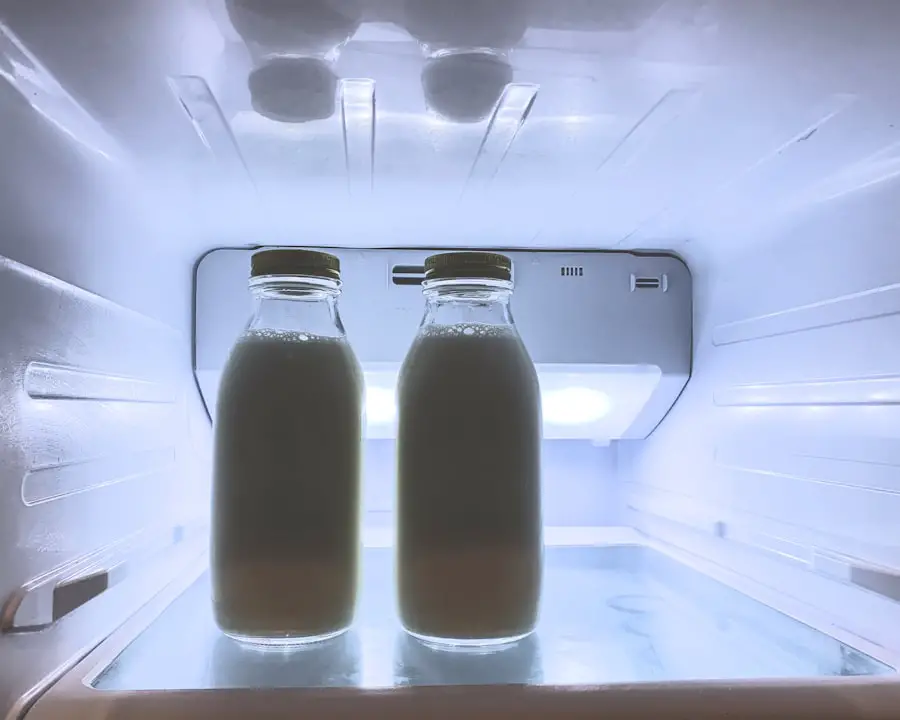
Selecting the right vessel depends heavily on the duration of your trip, your mode of transportation, and whether you have access to refrigeration en route.
- Double-Walled Vacuum Insulated Bottles: Stainless steel insulated thermoses (such as Hydro Flask, Thermos Foogo, or Klean Kanteen) keep pre-chilled fresh milk below 40°F (4°C) for up to 10–12 hours without needing continuous ice submersion.
- Single-Serve Shelf-Stable UHT Cartons: Aseptic 8 oz cartons of Ultra-High Temperature (UHT) pasteurized whole milk (such as Horizon Organic or Organic Valley) require zero refrigeration until opened. These are the gold standard for flights and long road trips.
- Standard Sippy Cups in a Soft Cooler: If packing your child’s favorite everyday straw cup or bottle, keep it inside a dedicated thermal lunchbox packed tightly with reusable ice packs.
- Silicone Breast Milk / Liquid Pouches: Leak-proof silicone storage pouches pack flat, freeze solidly, and can be washed easily in hotel sinks.
Pro Tip: Buy an 18-pack of shelf-stable 8-ounce UHT whole milk cartons before your trip. Pack them directly into your checked luggage or carry-on without ice packs. You only need to chill them if your toddler prefers cold milk, and unopened cartons won’t spoil if travel days stretch long.
Tips for Storing Cow Milk While Traveling
Milk is a perishable food that must be protected against bacterial growth caused by temperature fluctuations.
| Storage Method | Safe Duration | Best Practices & Pro Tips |
|---|---|---|
| Insulated Cooler with Frozen Gel Packs | Up to 12–24 hours | Pre-chill the cooler with sacrificial ice; pack milk at the very bottom surrounded by frozen packs. |
| Vacuum-Insulated Stainless Steel Thermos | Up to 10–12 hours | Pre-chill the thermos with ice water for 10 minutes before filling with refrigerator-cold milk. |
| Shelf-Stable UHT Cartons (Unopened) | Up to 6–9 months | Store at ambient room temperature; once opened, consume immediately or refrigerate within 2 hours. |
| Destination Refrigerator (≤40°F / 4°C) | 5–7 days (or carton date) | Place milk on a central interior shelf, never in the door where temperatures fluctuate. |
| Destination Freezer (0°F / -18°C) | Up to 1–3 months | Leave headspace for expansion; thaw slowly in the refrigerator and shake well before serving. |
Air Travel and TSA Regulations for Milk
Under official TSA screening guidelines for traveling with children, breast milk, formula, toddler drinks, and cow milk are categorized as Medically Necessary Liquids. This grants parents significant travel exemptions:
- Exempt from the 3-1-1 Rule: You are legally permitted to bring containers of milk larger than 3.4 ounces (100 ml) through the security checkpoint in reasonable quantities.
- Ice Packs & Gel Packs Allowed: Frozen liquid or gel packs used to chill milk are fully permitted through security, even if partially melted.
- Declaration Protocol: Inform the Transportation Security Officer (TSO) at the start of screening that you are carrying milk and cooling packs for your child. Remove these items from your carry-on for separate X-ray and bottle vapor analysis.
Road Trips and Car Travel Storage
When driving, keep your insulated cooler inside the air-conditioned passenger cabin rather than in a hot vehicle trunk. Pack the cooler tightly; empty air pockets cause ice to melt faster. If your journey extends past 12 hours, stop at roadside gas stations to refresh regular ice, placing the ice in sealable plastic bags to prevent melted water from contaminating bottle spouts.
Hotel Room Refrigerators vs. Beverage Chillers
Many modern hotels equip rooms with thermoelectric “beverage coolers” rather than true compressor-driven refrigerators. Beverage chillers frequently only drop temperatures 20°F below ambient room temperature, which can allow milk to enter the bacterial danger zone (>40°F). When booking, request a verified medical/dairy refrigerator, or test the unit upon arrival. If the fridge is not cold, keep your milk on ice inside your travel cooler.
Preparing Cow Milk for Travel
Proper preparation before leaving the house minimizes contamination and keeps milk fresh throughout travel days.
- Check Expiration Dates: Always purchase milk with the furthest possible “best by” date prior to departure.
- Sterilize Travel Containers: Wash sippy cups, thermoses, and valves thoroughly with hot soapy water or sanitize in boiling water before packing.
- Pre-Chill Your Equipment: Place empty insulated stainless steel bottles in the freezer for 15 minutes, or fill them with ice water for 10 minutes before pouring in cold milk.
- Portion into Individual Servings: Rather than carrying one large container, portion milk into single-serving bottles. This prevents exposing your entire milk supply to warm air every time your toddler wants a drink.
- Pack a Portable Cleaning Kit: Bring a travel bottle brush, travel-sized dish soap, and a compact drying rack or clean microfiber towel for hotel sink cleanups.
Safety Precautions, Temperature Control, and Spoilage Signs
Because children’s immune systems are still developing, adhering strictly to food safety guidelines prevents foodborne illness on the road.
Warning: The 2-Hour Rule: According to the FDA Food Safety Guidelines, perishable foods like cow milk must never sit at room temperature for longer than 2 hours. In hot climates or vehicles where temperatures exceed 90°F (32°C), this safe window drops to just 1 hour. Discard any milk that has exceeded these limits.
Temperature Control
Maintain fresh milk at or below 40°F (4°C) continuously. Bacteria such as Listeria monocytogenes and E. coli multiply rapidly in the “Danger Zone” between 40°F and 140°F (4°C to 60°C).
Hygiene and Cross-Contamination
Wash your hands thoroughly or use hand sanitizer before assembling bottles in transit. Never allow your child to drink directly from the main storage thermos; saliva introduces bacteria into the bottle that quickly sours the remaining milk.
Warming Milk Safely on the Go
If your child refuses cold milk, avoid using convenience store microwaves, which create scalding hot spots. Instead, use these portable warming methods:
- Hot Water Bath: Request a cup of hot water from a flight attendant or café and submerge the sealed bottle for 3–5 minutes.
- Battery-Powered Bottle Warmers: Portable travel warmers (like the Baby’s Brew or Tommee Tippee Travel Warmer) heat milk precisely to body temperature (98.6°F) via rechargeable batteries.
Identifying Signs of Milk Spoilage
Always inspect milk before serving it to your toddler. Discard the milk immediately if you notice:
- A sour, pungent, or fermented odor.
- Curdling, separation, or clumping along the container walls.
- A yellowish tint or slimy texture.
- A bloated, puffing carton or pouch (indicates active gas-producing bacterial growth).
Alternatives to Fresh Cow Milk for Traveling
If keeping fresh cow milk cold for the entirety of your journey is impractical, several convenient travel alternatives exist for toddlers 12 months and older:
- Shelf-Stable Whole Milk Cartons (UHT): The most practical 1:1 replacement for fresh whole milk. They are pasteurized at high heat and vacuum-sealed in aseptic packaging, remaining fresh at room temperature for up to 9 months.
- Whole Milk Powder (e.g., Nido / Whole Dairy Powder): Powdered whole milk mixes instantly with bottled water. It requires no chilling, weighs very little in your diaper bag, and produces fresh milk on demand.
- Fortified Soy or Pea Milk: Per the CDC Toddler Nutrition Guidelines, fortified soy milk and fortified pea protein milk are the only plant-based alternatives nutritionally comparable to whole cow milk in protein and vitamin D content. Unsweetened single-serve shelf-stable boxes are widely available.
- Toddler Transition Formulas: Designed for travel convenience, though standard whole milk or balanced solid meals are generally preferred for healthy toddlers over 12 months unless directed by your pediatrician.
Conclusion and Final Tips for Traveling with Cow Milk
Traveling with cow milk for your toddler does not need to be stressful. By understanding TSA liquid exemptions, investing in a high-performance insulated thermos, and leveraging shelf-stable UHT milk cartons, you can maintain your child’s nutrition and comfort wherever your travels take you.
Stay flexible with daily routines, keep backup shelf-stable options in your carry-on for unexpected delays, and prioritize food safety over convenience whenever temperature control is in doubt. With thoughtful preparation, you can focus on making lasting memories on your family adventure.
Frequently Asked Questions
Can I bring cow milk through airport security in my carry-on?
Yes. The TSA treats cow milk, breast milk, formula, and juice for toddlers and infants as medically necessary liquids. They are exempt from the standard 3.4-ounce (100 ml) limit. Inform the TSA officer at the checkpoint that you are carrying milk for your child so it can be screened separately.
Can I use a regular water bottle to carry cow milk while traveling?
It is not recommended to use standard uninsulated plastic water bottles. They provide no thermal insulation, causing milk to quickly reach the bacterial danger zone (>40°F). Instead, use a double-walled vacuum-insulated stainless steel bottle or keep bottles inside an insulated cooler bag with frozen ice packs.
How long can cow milk sit at room temperature while traveling?
Fresh cow milk can sit at room temperature for a maximum of 2 hours. If the ambient temperature is above 90°F (32°C)—such as inside a warm car or on an outdoor summer outing—the milk must be discarded after 1 hour to prevent bacterial contamination.
Can I use a thermos to keep cow milk cold during long trips?
Yes, a quality stainless steel vacuum-insulated thermos is one of the best ways to transport milk. Pre-chill the thermos with ice water for 10 minutes, empty it, and immediately fill it with cold milk straight from the refrigerator. This keeps the milk safe for up to 10–12 hours.
What should I do if my hotel room doesn’t have a refrigerator?
If your hotel room lacks a refrigerator or only has a beverage chiller, request a medical mini-fridge from the front desk upon check-in. Alternatively, fill your insulated travel cooler with fresh ice from the hotel ice machine daily, keeping sealed milk bottles buried beneath the ice.
Is shelf-stable UHT milk safe for toddlers?
Yes. UHT (ultra-high temperature) whole milk provides the exact same nutritional profile (calcium, vitamin D, fat, and protein) as standard refrigerated pasteurized milk. It is flash-heated at higher temperatures to eliminate all bacteria, allowing unopened aseptic cartons to remain safe at room temperature for months.
Sources
- American Academy of Pediatrics (AAP) — Recommended milk choices and age transition guidelines for young children.
- Transportation Security Administration (TSA) — Medically necessary liquid screening policies for infants and toddlers.
- U.S. Food & Drug Administration (FDA) — Safe food handling, refrigeration, and temperature danger zone guidance.
- Centers for Disease Control and Prevention (CDC) — Cow milk and plant milk guidelines for infants and toddlers.

