
Last Updated on August 26, 2026 by Daniel Globe
Traveling with a firearm in the United States requires more than simply unloading it and placing it in your vehicle. Federal law can protect certain interstate transportation, but that protection has specific conditions, and state and local laws may regulate possession, carrying, magazines, ammunition, storage, and where firearms may be taken. Check the law for every jurisdiction on your route before you leave.
Quick Answer
Yes, lawful interstate firearm transportation may be protected by federal law when possession and carrying are legal at both your starting point and destination, the firearm is unloaded, and the firearm and ammunition are not readily accessible. State and local rules still matter, while air travel has separate locked-case and declaration requirements.
Key Takeaways
- Federal safe-passage protection under 18 U.S.C. §926A has specific conditions and is not a general nationwide carry permit.
- Check firearm, magazine, ammunition, carry, vehicle-storage, and restricted-location laws for every state and locality on your route.
- For air travel, firearms must be unloaded, declared before checking the bag, and secured in a locked hard-sided container.
- Shipping rules depend on the firearm, recipient, carrier, and destination; an FFL is not required in every lawful shipping situation.
- Certain NFA firearms have additional interstate-transport requirements, including prior ATF approval under current rules.
Legal notice: This article provides general educational information, not legal advice. Firearm laws change and may differ by state, county, city, airport, tribal land, federal property, and destination. Verify current official rules before every trip and consult a qualified firearms-law attorney when your situation is unclear.
Disclosure: As an Amazon Associate I earn from qualifying purchases. Some links on this page are affiliate links, at no extra cost to you.
Understand Federal Interstate Firearm Transportation Law
The federal safe-passage provision in 18 U.S.C. §926A can protect the interstate transportation of a firearm when several conditions are met. The traveler must not be prohibited from transporting, shipping, or receiving a firearm, and the firearm must be transported for a lawful purpose between places where the person may lawfully possess and carry it.
During protected transportation, the firearm must be unloaded. Neither the firearm nor ammunition being transported may be readily accessible or directly accessible from the passenger compartment.
If the vehicle does not have a compartment separate from the driver’s compartment, federal law states that the firearm or ammunition must be in a locked container other than the glove compartment or console.
Note: Federal safe-passage protection should not be confused with permission to carry a loaded or concealed firearm. Carrying, possessing, transporting, and storing a firearm can be treated differently under state and local law.
Check State and Local Firearm Laws Before You Travel
Federal law is only part of the picture. State and local rules can govern vehicle carry, concealed or open carry, permit recognition, magazine capacity, ammunition, storage, prohibited locations, and firearm types.
Do not assume that a permit or license issued by your home state is recognized everywhere. Some jurisdictions allow qualifying people to carry without a permit, others require licenses, and reciprocity rules can differ depending on the permit and the traveler.
Before leaving, check:
- Whether you may legally possess the firearm at your destination.
- Whether your carry permit, if you have one, is recognized.
- How an unloaded firearm must be stored in a vehicle.
- Whether magazines or ammunition you plan to bring are restricted.
- Whether you have a duty to inform law enforcement during an encounter.
- Whether firearms are prohibited at particular government buildings, schools, parks, airports, private properties, or other sensitive locations.
- Whether local ordinances add requirements beyond state law.
The ATF State Laws and Published Ordinances resource can help you identify relevant laws, but ATF itself notes that the material is informational rather than legal advice. Official state attorney general, legislature, state police, or licensing-agency websites should also be checked.
Obtaining the Proper Permits and Licenses
Whether you need a permit depends on what you intend to do and where you will be traveling. Transporting an unloaded firearm under a lawful transportation rule is not necessarily the same activity as carrying a firearm for personal protection.
If you plan to carry rather than simply transport the firearm, determine whether the destination requires a carry license and whether it recognizes a license issued by your home state. Also check restrictions attached to your permit, including age requirements, prohibited locations, vehicle rules, and any duty-to-inform requirements.
Carry your government-issued identification and any firearm permit or license that applies to your trip. Electronic copies may be useful as a backup, but do not assume they substitute for an original permit when local law requires you to possess the actual credential.
Choosing a Firearm and Ammunition That Are Legal at Your Destination
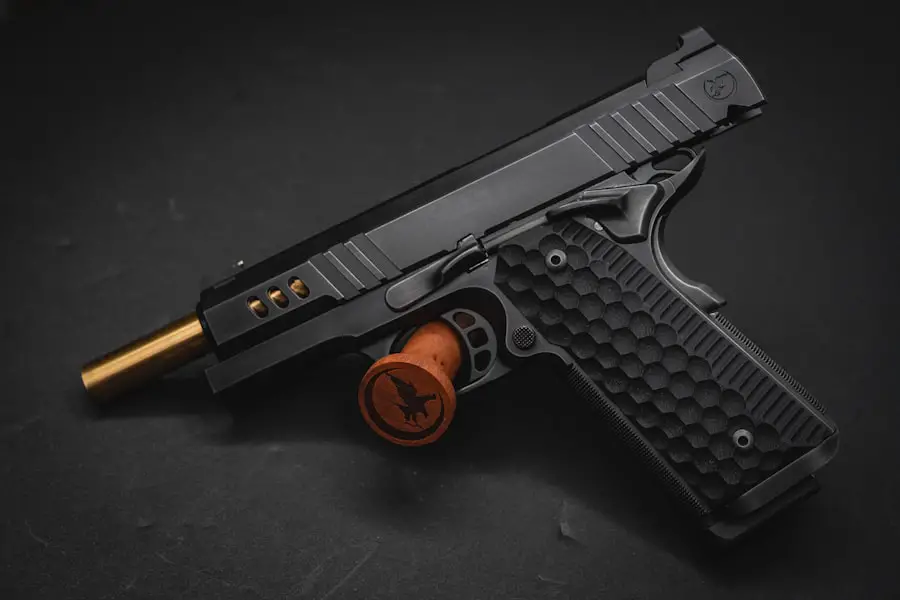
The firearm and ammunition you lawfully possess at home may not necessarily be legal everywhere you travel. Before packing, verify the destination’s rules governing the firearm itself, magazines, ammunition, and any accessories you intend to bring.
This is especially important when traveling through multiple jurisdictions. A rifle, shotgun, handgun, magazine, or ammunition type that is lawful in one state can be regulated differently in another.
For hunting or sport shooting, also check hunting licenses, season rules, range requirements, and any firearm or ammunition restrictions specific to that activity.
Never substitute assumptions or online forum comments for current official law. When a restriction is unclear, contact the appropriate state agency or obtain legal advice before traveling.
Packing and Transporting Your Firearm Safely
| Transportation Method | Key Requirements |
| Vehicle | For federal §926A protection, the firearm must be unloaded and neither the firearm nor ammunition may be readily accessible. If there is no separate trunk or compartment, use a locked container other than the glove compartment or console. State law may impose additional requirements. |
| Air Travel | The firearm must be unloaded, placed in a locked hard-sided container, transported in checked baggage, and declared to the airline before the bag is checked. Ammunition must comply with federal and airline packaging rules. |
| Shipping | Rules depend on the firearm, sender, recipient, destination, and carrier. Some lawful shipments require an FFL, while federal law also permits certain shipments to yourself. Confirm ATF rules and the carrier’s current policy before shipping. |
For road travel, a dedicated locked firearm case is a sensible way to prevent unauthorized access and can help satisfy laws that require secure storage. Keep the firearm unloaded during transportation when required, and do not leave it loose in the passenger area.
Federal safe-passage law also addresses access to ammunition, so do not assume that simply unloading the firearm is enough for interstate protection.
Pro Tip: Before starting a multi-state road trip, save the official firearm-law page for each state on your route and recheck it shortly before departure. Laws, reciprocity agreements, and agency guidance can change.
Declaring Your Firearm at the Airport
Air travel follows separate federal aviation-security rules. Under 49 CFR §1540.111, a firearm in checked baggage must be unloaded, carried in a hard-sided container, locked, and declared to the aircraft operator before checking the baggage.
Go to the airline’s ticket or check-in counter and tell the airline representative that you are traveling with an unloaded firearm. Do this before the bag is accepted for transport.
The passenger checking the firearm is required to retain the key or combination for the locked container under the federal rule. Follow airline instructions if additional screening or inspection is required.
Firearms are not permitted in ordinary carry-on baggage or through the passenger security checkpoint unless a specific legal exception applies.
Review the TSA firearm and ammunition guidance and your airline’s current policy before departure because airlines may impose additional procedures.
How to Pack Ammunition for a Flight
Ammunition is prohibited in ordinary carry-on baggage and must meet checked-baggage packaging requirements. The FAA PackSafe ammunition guidance states that small-arms ammunition must be securely packed in boxes or other devices designed to carry small amounts of ammunition.
Magazines and clips containing ammunition must also be securely boxed so cartridges are not loose or exposed. Some U.S. airlines and international rules limit ammunition to 5 kg or 11 pounds gross weight per passenger, so verify your airline’s specific allowance instead of assuming a universal quantity limit.
Shipping a Firearm Instead of Carrying It
Shipping rules are more complicated than the original blanket assumption that every firearm must be sent through a licensed dealer. The correct rule depends on who is sending it, who will receive it, the firearm involved, the states involved, and the carrier.
ATF states that a person may, for example, ship a firearm to themselves in care of another person in another state for hunting or another lawful activity. The package should be addressed to the firearm owner, and the other person may not open the package or take possession of the firearm.
A nonlicensee generally cannot simply transfer a firearm to an unlicensed resident of another state. Handgun mailing rules also differ from long-gun rules, and private carriers can impose policies that are more restrictive than federal law.
Always check current ATF firearm shipping guidance and the specific carrier’s rules before tendering a firearm for shipment.
Staying Informed About State and Local Laws

Utilizing Official Online Resources
Start with government sources. ATF publishes state-law references, while state legislatures, attorneys general, state police, licensing agencies, and local government websites can provide the controlling statutes, regulations, and official guidance.
Third-party firearm-law websites and apps can help you identify issues to research, but they should not be your final authority when a mistake could create criminal or civil consequences.
Networking With Local Gun Owners
Local ranges, clubs, instructors, or firearm owners may provide practical insight into local procedures, but personal experience is not a substitute for law. Use those conversations to identify questions, then verify the answers through an official source or qualified attorney.
Remaining Vigilant and Informed
Recheck the rules shortly before departure, especially when crossing several states. Look for recent legislation, court rulings, permit-reciprocity changes, emergency rules, or agency notices that may affect your route.
2026 update: As of August 26, 2026, ATF has proposed changes intended to clarify interstate firearm transportation, including treatment of reasonably necessary travel stops. ATF also proposed changes affecting interstate transportation of certain NFA firearms. These are proposed rules, not a substitute for the currently effective statute and regulations unless and until a final rule takes effect.
Special Rules for Certain NFA Firearms
Owners of certain firearms regulated under the National Firearms Act must pay particular attention to interstate transportation rules.
Under the currently effective 27 CFR §478.28 and ATF guidance, a registered possessor generally must obtain prior written ATF approval before transporting a destructive device, machinegun, short-barreled shotgun, or short-barreled rifle in interstate or foreign commerce, unless an applicable exemption applies.
ATF currently states that this prior-approval requirement does not apply to the lawful interstate transportation of silencers, although possession must still comply with federal, state, and local law.
Warning: Do not rely on a pending ATF proposal as if it were already effective. If you own an NFA firearm, verify the current ATF rule and approval requirements immediately before crossing state lines.
Securing Your Firearm While Traveling
Once you arrive at your destination, the rules governing transportation may no longer be the rules governing storage or carrying. Check the destination’s laws before removing the firearm from its travel container.
When the firearm is not in your direct control, keeping it unloaded and secured in a locked container can reduce unauthorized access. Storage requirements may be stricter in some jurisdictions, particularly when minors or prohibited persons could gain access.
If you are staying at a hotel, campground, rental property, or similar accommodation, check both applicable law and the property’s firearm policy. A private property’s rules can restrict possession even when general state law would otherwise permit it.
Portable lockboxes, keyed safes, combination safes, and other secure storage devices can provide additional protection. Whatever method you use, avoid leaving a firearm visible or unsecured in an unattended vehicle or public area.
Seeking Legal Advice if Necessary
Firearm transportation law becomes especially complicated when a trip involves restrictive jurisdictions, unusual firearms, NFA items, multiple overnight stops, air connections, international travel, or uncertainty about permit recognition.
If you cannot determine whether your planned possession, transportation, or carry is lawful, consult an attorney who practices firearms law in the relevant jurisdiction before you travel.
If you encounter a legal problem during your trip, qualified legal counsel can help you understand your rights and obligations based on the actual facts and controlling law. Do not rely solely on generalized internet advice for an active legal dispute.
For broader non-firearm trip planning, you can also review this guide on how to choose the best travel guidebook for your next trip.
Frequently Asked Questions
Is it legal to travel with a gun in your vehicle?
It can be legal, but the answer depends on federal, state, and local law. Federal safe-passage law can protect qualifying interstate transportation when its conditions are met, including lawful possession and carrying at the origin and destination, an unloaded firearm, and restricted accessibility during transport.
What does federal law require when transporting a firearm across state lines?
For protection under 18 U.S.C. §926A, the traveler must be legally entitled to possess and carry the firearm at the starting point and destination. The firearm must be unloaded, and neither it nor ammunition may be readily accessible. In a vehicle without a separate compartment, the firearm or ammunition must be in a locked container other than the glove compartment or console.
Do state firearm laws still apply during a road trip?
Yes. State and local laws may regulate carrying, vehicle possession, permits, magazines, ammunition, storage, and prohibited locations. Federal safe-passage law provides a specific transportation protection when its requirements are met; it does not create a nationwide license to carry.
Do I need a permit to travel with a firearm in my vehicle?
It depends on the jurisdiction and whether you are merely transporting the firearm or carrying it. Some states allow qualifying people to carry without a permit, while others require licensing. Permit reciprocity also varies, so check each jurisdiction on your route.
Does ammunition have to be stored separately from the firearm in a vehicle?
Federal §926A focuses on whether the unloaded firearm and ammunition are readily accessible or directly accessible from the passenger compartment, with additional locked-container language for vehicles without a separate compartment. State laws may impose different or additional storage requirements, so check the applicable local rule.
Can I take a firearm on a commercial flight?
A lawful firearm may generally travel in checked baggage when it is unloaded, declared to the airline before the bag is checked, placed in a hard-sided container, and locked. Ordinary passengers cannot place firearms in carry-on baggage or take them through the passenger screening checkpoint.
Do NFA firearms need ATF approval before crossing state lines?
Under current ATF rules, a registered possessor generally needs prior written approval to transport a destructive device, machinegun, short-barreled rifle, or short-barreled shotgun interstate unless an exemption applies. ATF currently states that this prior-approval requirement does not apply to lawful interstate transportation of silencers.
Can I ship a firearm to myself in another state?
ATF states that a person may ship a firearm to themselves in care of another person in another state for hunting or another lawful activity. The package should be addressed to the owner, and the other person may not open it or take possession. Carrier, firearm-type, state, and federal rules still apply.
Sources
- U.S. House Office of the Law Revision Counsel — 18 U.S.C. §926A — federal interstate firearm transportation requirements.
- ATF State Laws and Published Ordinances — Firearms — state-law references and official jurisdiction links.
- Transportation Security Administration — Transporting Firearms and Ammunition — airport and checked-baggage firearm guidance.
- Federal Aviation Administration — PackSafe: Ammunition — checked-baggage ammunition packaging and quantity guidance.
- ATF eRegulations — 27 CFR §478.28 — current interstate transportation requirements for certain NFA firearms.
- ATF — Clarifying Interstate Transportation of Firearms Proposed Rule — current 2026 rulemaking status.
