

Last Updated on July 27, 2026 by Daniel Globe
A felony conviction does not automatically end a person’s ability to travel internationally. However, successful travel depends on more than owning a passport. The traveler must be legally allowed to leave the United States, meet U.S. passport rules, and satisfy the criminal-admissibility requirements of every destination and transit country.
Quick Answer
Yes. A past felony does not automatically prevent a U.S. citizen from traveling abroad. You must still be legally allowed to leave the United States, hold a valid passport, and meet every destination and transit country’s criminal-admissibility rules. Probation terms, warrants, passport restrictions, and the conviction’s type and sentence can change the result.
Key Takeaways
- A completed felony sentence is not a universal ban on leaving the United States or receiving a passport.
- A court order, active warrant, extradition request, or probation or parole condition may prevent departure.
- Foreign governments apply their own laws. They may consider the conduct, sentence, number of offenses, and time since completion rather than the U.S. “felony” label.
- Visa-free travel does not mean that a person is automatically admissible.
- Every destination, layover country, and cruise port should be checked before nonrefundable travel is booked.
- Green card holders and other noncitizens should obtain U.S. immigration advice before traveling when they have a criminal record.
At a Glance
| Time Required | Start several weeks to several months before departure. Rehabilitation, waiver, and record requests may require more time. |
| Difficulty | Moderate to complex, depending on the offense, sentence, supervision status, destination, and travel document. |
| Tools Needed | Passport, court disposition, sentence-completion records, itinerary, official immigration instructions, and any required police certificate. |
| Cost | Varies. Passport, visa, certified-record, translation, rehabilitation, permit, and legal-service fees may apply. |
Legal warning: This article provides general information, not legal advice. Criminal and immigration consequences depend on the exact statute, sentence, court order, immigration status, destination, and travel date. Verify your situation with the court, supervising officer, destination government, and a qualified attorney when necessary.
Disclosure: As an Amazon Associate I earn from qualifying purchases. Some links on this page are affiliate links, at no extra cost to you.
Can a Felon Leave the United States?
Many U.S. citizens with completed felony sentences can leave the United States. A conviction by itself does not create one universal lifetime travel ban. The answer depends on three separate questions:
- Are you legally allowed to leave? A court order, active warrant, extradition matter, or supervision condition may prohibit departure.
- Can you obtain and use a passport? A felony alone is not the only issue. Specific legal restrictions, federal debts, or passport statutes may apply.
- Will the other country admit you? The destination applies its own criminality and character rules.
Passing one check does not satisfy the other two. A valid passport, for example, does not cancel a probation condition or guarantee entry into Canada, the United Kingdom, Australia, or another country.
When a Felony Can Prevent Departure
Before making reservations, review every current court and supervision document. The U.S. Department of State explains that law-enforcement agencies may request passport denial or revocation in circumstances that include:
- A valid, unsealed federal arrest warrant
- A federal or state criminal court order restricting travel
- A parole or probation condition that prohibits leaving the United States or the court’s jurisdiction
- An extradition request
See the State Department’s passport information for law enforcement for the listed denial and revocation circumstances.
Do not rely on verbal assumptions about your supervision terms. Written permission may be required even when a probation or parole officer does not object to the trip.
Pro Tip: Ask the court or supervising officer for written confirmation that international travel is permitted. Carry a copy if you receive authorization, but remember that it does not require a foreign country to admit you.
Other Passport Restrictions to Check
The State Department’s legal-matters guidance identifies additional issues that can delay, deny, limit, or lead to revocation of a passport. These include:
- More than $2,500 in certified child-support debt
- Seriously delinquent federal tax debt certified by the Internal Revenue Service
- A passport that was taken, restricted, or revoked during a criminal case
- Special passport requirements under International Megan’s Law for covered sex offenders
Covered sex offenders must follow specific self-identification requirements. Their passport book must contain the legally required identifier, and they cannot receive a passport card. A passport issued without the required identifier may be revoked.
Warning for Green Card Holders and Other Noncitizens
This article’s general answer is safest for U.S. citizens. A lawful permanent resident, visa holder, asylum applicant, or person with a pending immigration application may face a separate problem when attempting to return to the United States.
Some convictions can cause a returning permanent resident to be treated as an applicant for admission or placed into immigration proceedings. Anyone who is not a U.S. citizen and has an arrest or conviction should consult a U.S. immigration attorney before leaving, even when the trip is short.
Researching Visa and Entry Requirements
Foreign immigration authorities do not have to follow the U.S. distinction between a felony and a misdemeanor. They may compare the underlying conduct with an offense under local law, review the maximum possible punishment, or focus on the sentence actually imposed.
Use this process for every destination:
- List the destination, every airport layover, and every cruise port.
- Identify whether you need a visa, electronic travel authorization, or only a passport.
- Read the criminality or character section on the destination government’s official immigration website.
- Check how the country treats arrests, convictions, dismissed charges, pardons, sealed records, and expungements.
- Determine whether rehabilitation, a temporary permit, character waiver, or advance visa is available.
- Contact the country’s embassy or consulate when the official instructions do not resolve your facts.
Note: Visa-free travel only means that a traveler may not need a traditional visa before departure. It does not remove criminal-admissibility rules or guarantee entry at the border.
Products Worth Considering

Quick reference legal law learning guide. 4-page 8.5" x 11" laminated study guide for law students, lawyers and paralegals.

Quick reference learning guide

Used Book in Good Condition
How Selected Countries Treat Criminal Records
The following examples show why the U.S. word “felony” does not produce the same result everywhere. These are summaries, not substitutes for an individual admissibility decision.
| Country | Main Criminal-Record Considerations | Possible Route |
|---|---|---|
| Canada | Canada compares foreign conduct with Canadian law. Theft, assault, impaired driving, dangerous driving, and controlled-substance offenses may cause criminal inadmissibility. A U.S. misdemeanor can still be significant under Canadian law. | Deemed rehabilitation in qualifying cases, approved individual rehabilitation, a record suspension for a Canadian conviction, or a temporary resident permit. |
| United Kingdom | A custodial or suspended sentence of at least 12 months is a mandatory refusal ground. Shorter or noncustodial sentences can also cause mandatory or discretionary refusal, especially when recent. Serious harm and persistent offending are separate grounds. | Apply through the correct visa or ETA route and provide truthful information. Some lower-level cases receive individual consideration after the applicable period has passed. |
| Australia | Applicants must satisfy the character test. A substantial criminal record includes a prison sentence of at least 12 months or multiple prison sentences totaling at least 12 months. Other conduct and community-risk grounds may apply. | Provide all requested character documents and explanations. A decision maker may consider the full circumstances where the law permits discretion. |
| New Zealand | A temporary visa or entry permission must generally be declined for a prison sentence of at least five years, or a prison sentence of at least 12 months imposed within the previous 10 years. Other convictions can also create character concerns. | A character waiver or special direction may be available in some cases, depending on the applicable rule and individual facts. |
Canada
Canada is one of the destinations where even an offense described as a misdemeanor in the United States may create a problem. Canadian officials examine whether the conduct would be an offense under Canadian law.
The Government of Canada explains the possible methods for overcoming criminal inadmissibility. Depending on the offense and history, these may include deemed rehabilitation, approved rehabilitation, or a temporary resident permit.
An application for individual criminal rehabilitation generally requires at least five years to have passed since completion of the sentence, including probation. A temporary resident permit is discretionary and normally requires a reason for travel that outweighs the identified risk.
Canada may assess admissibility when a person is only transiting through the country. A flight connection in Canada therefore requires the same advance attention as a final Canadian destination.
United Kingdom
The UK’s current Part Suitability criminality rules focus heavily on sentence length, recency, serious harm, and repeated offending.
A custodial or suspended sentence of at least 12 months is a mandatory refusal ground. For visitors, shorter custodial, suspended, or noncustodial sentences can also require refusal when the applicable 12-month period has not passed. Older lower-level convictions may still be considered under discretionary grounds.
A UK Electronic Travel Authorisation is permission to travel to the UK, not a guarantee of entry. Travelers must answer criminality questions truthfully.
Australia
Australia requires visa applicants to satisfy its character requirements. A person may fail the character test because of a substantial criminal record or other conduct and risk factors.
A substantial criminal record includes a sentence of imprisonment for at least 12 months. Multiple prison sentences are added together for this test, including situations in which the sentences were imposed concurrently.
Failing the character test can support visa refusal or cancellation, but the final process depends on the legal ground and the decision maker’s authority.
New Zealand
New Zealand’s character requirements include mandatory and discretionary grounds.
A temporary visa application or entry permission will generally be declined when the traveler has ever received a prison sentence of at least five years, or received a prison sentence of at least 12 months during the previous 10 years. Other convictions, charges, investigations, and prior misleading immigration information can also affect the decision.
Some applicants can request a character waiver or special direction, but approval is not automatic.
Disclosing Your Criminal Record
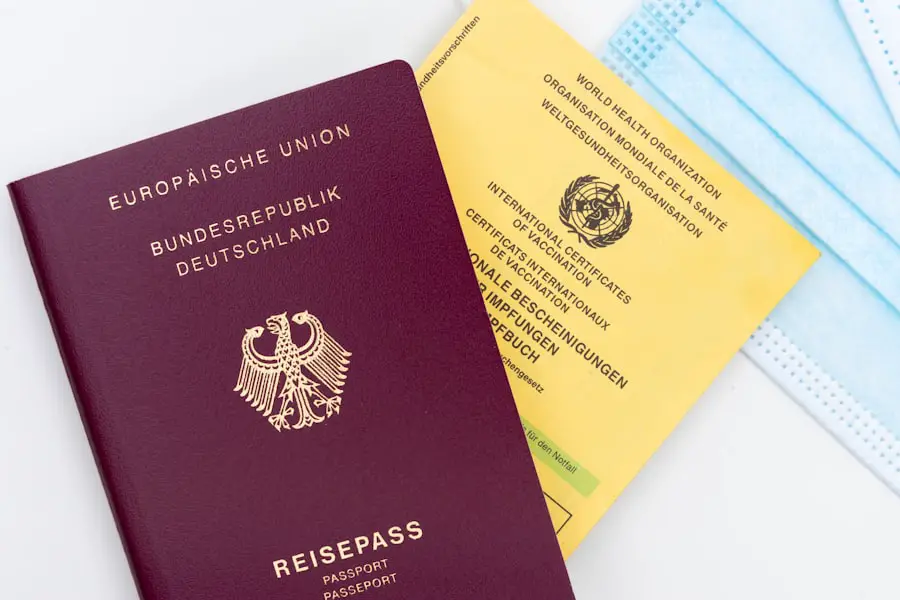
Answer every visa, electronic authorization, and border question truthfully and exactly as written. Do not answer a question about convictions as though it asked about arrests, and do not hide a conviction when the form expressly includes sealed, expunged, or pardoned records.
Different applications use different wording. One country may ask only about convictions that produced imprisonment, while another may ask about all arrests, charges, cautions, findings of guilt, or immigration violations.
Sealed, Expunged, Dismissed, or Pardoned Records
Do not assume that a record no longer matters merely because it was sealed, expunged, dismissed, set aside, or pardoned under U.S. law. The destination may apply its own definition and may specifically require disclosure.
Review the exact application instructions and obtain legal advice when the correct answer is unclear. Supporting documents should explain the final disposition, not merely the original arrest charge.
Warning: False or incomplete answers can cause visa or travel-authorization refusal, cancellation, removal, and greater difficulty with future applications. Never assume that an old or sealed record is safe to omit without checking the destination’s instructions.
Obtaining Necessary Documentation
The documents needed depend on the destination and the exact case. The goal is to show what happened, how the case ended, when every part of the sentence was completed, and why the traveler now meets the destination’s rules.
| Document | Why It May Be Needed |
|---|---|
| Valid passport | Confirms identity and citizenship. Check validity requirements for the airline and destination. |
| Certified court disposition | Shows the final charge, plea or verdict, judgment, and sentence rather than only the arrest allegation. |
| Proof of sentence completion | Establishes when incarceration, probation, parole, fines, restitution, classes, or other requirements ended. |
| Police or identity-history record | May be requested to show the full record or confirm that no other reportable history exists. |
| Rehabilitation evidence | May include treatment completion, education, stable employment, community involvement, references, and an explanation of the offense. |
| Court or supervision travel permission | Shows that departure is permitted when the traveler is still subject to supervision or a court order. |
| Visa, permit, rehabilitation, or waiver decision | Shows that the destination reviewed the application, although the border officer may still make a final admission decision. |
| Complete itinerary | Identifies every destination, airport connection, land crossing, and cruise port that must be checked. |
Foreign-language documents may require a certified translation. Some records may also need an apostille, authentication, notarization, or certified copy. Follow the destination authority’s instructions rather than submitting a document in a format it does not accept.
Step-by-Step Travel Checklist
- Confirm citizenship and U.S. immigration status. The return risks are different for U.S. citizens, permanent residents, visa holders, and people with pending applications.
- Read every court order. Check bond, probation, parole, supervised release, and travel restrictions.
- Resolve passport issues. Confirm that the passport is valid and has not been denied, limited, surrendered, or revoked.
- Write down the exact conviction details. Include the statute, offense date, conviction date, sentence, release date, and date all supervision ended.
- Map the full itinerary. Include layovers and cruise ports, not only the final destination.
- Check official immigration rules. Search the destination government’s website for criminality, inadmissibility, character, rehabilitation, and waiver guidance.
- Gather certified records. Do not wait until an immigration authority requests documents that may take weeks to obtain.
- Apply for advance permission when needed. This may be a visa, rehabilitation approval, temporary resident permit, or character waiver.
- Avoid nonrefundable bookings until the issue is resolved. An airline ticket does not establish legal eligibility to enter.
- Carry an organized travel file. Keep paper and secure electronic copies of approvals and supporting documents.
Navigating Layovers, Cruises, and Border Inspections
A short airport connection can still create an immigration issue. Some countries assess criminal inadmissibility even when the traveler plans only to change planes. Verify whether the connection requires entry, a transit visa, or an electronic travel authorization.
Cruise travelers should check every scheduled port. A closed-loop cruise or a cruise line’s simplified document policy does not cancel a foreign country’s criminal-admissibility rules.
At inspection, answer the officer’s questions calmly, truthfully, and directly. Keep your court records and approvals accessible, but provide documents when requested rather than overwhelming the officer with unrelated paperwork.
A visa, rehabilitation approval, permit, or electronic travel authorization may allow a person to travel to the border. It does not always guarantee admission. Border authorities may review identity, purpose of travel, current circumstances, and compliance with the approval’s conditions.
Seeking Legal Counsel

Not every old conviction requires an attorney. Professional advice becomes especially important when:
- You are on probation, parole, supervised release, bond, or another court-controlled status.
- You have an active warrant, pending charge, or unresolved court obligation.
- The conviction involved drugs, violence, weapons, fraud, sexual conduct, or harm to a child.
- You received a prison sentence of 12 months or more.
- You have multiple convictions or prior immigration refusals.
- The record was sealed, expunged, dismissed, vacated, or pardoned and the application wording is unclear.
- You are a green card holder, visa holder, refugee, asylee, or applicant for a U.S. immigration benefit.
- You need criminal rehabilitation, a temporary permit, a character waiver, or another discretionary approval.
Choose a lawyer who handles the relevant area. A U.S. criminal lawyer can interpret the sentence and court order. A U.S. immigration lawyer can assess return risks for noncitizens. Counsel familiar with the destination country can address that country’s admissibility process.
Products Worth Considering


Preparing for Potential Challenges
Even a well-prepared traveler may be sent to secondary inspection or asked for documents that were not reviewed at airline check-in. Prepare a practical contingency plan:
- Keep contact information for your attorney and the destination’s immigration authority.
- Carry funds and arrangements for a changed flight or unexpected return.
- Avoid an itinerary that depends on an uncertain same-day border decision.
- Ask whether a refusal decision or explanation can be provided in writing.
- Do not attempt a second entry using different answers or concealed information.
If entry is refused, follow the officer’s instructions. A refusal may affect later visa or authorization applications, so obtain the decision details before filing again.
Knowing Your Rights and Responsibilities
Border procedures and access to legal representation vary by country. A traveler should not assume that an attorney has a right to participate during ordinary primary inspection. Legal advice is most useful before departure and after a formal delay, cancellation, or refusal.
Travelers are responsible for providing accurate information, obeying local law, following the conditions of any permit or visa, and leaving before the authorized stay expires. They may ask for clarification, but arguing with an officer or giving a misleading answer can make the situation worse.
A U.S. embassy or consulate may provide limited assistance to a U.S. citizen who is arrested or detained abroad. It cannot order a foreign immigration officer to admit a traveler or erase a destination country’s criminal-admissibility rules.
Separately, review any current health, customs, vaccination, insurance, or public-entry rules imposed by the destination. These requirements are independent of the traveler’s criminal record.
After the legal and document questions are resolved, ordinary trip preparation still matters. This guide to waterproof sneakers for travel may help with practical packing for the trip.
Frequently Asked Questions
Can a person with a felony travel outside the United States?
Usually, yes, especially after the sentence and supervision have ended. The person must still be legally allowed to leave, possess a usable passport, and meet the entry rules of every destination and transit country.
Does a felony prevent someone from getting a U.S. passport?
A past felony alone is not a universal passport disqualification. Passport denial or revocation may result from an active federal warrant, a court order, a supervision condition, an extradition request, certain certified federal debts, or another specific legal restriction.
Can a person travel internationally while on probation or parole?
Only when the court order and supervision terms permit it. Written approval from the court, probation officer, or parole authority may be required. Permission to leave the United States does not guarantee admission to the destination.
Which countries can deny entry because of a felony?
Many countries can refuse travelers because of criminal history, but they use different standards. Canada examines the equivalent Canadian offense, while the UK, Australia, and New Zealand place significant weight on sentence length, recency, repeated offending, and public-risk concerns.
Can a person enter Canada with a felony or DUI?
Possibly, but a felony, DUI, or even some U.S. misdemeanors may create Canadian criminal inadmissibility. Depending on the facts, the person may qualify for deemed rehabilitation, approved rehabilitation, or a temporary resident permit.
Must an expunged or sealed conviction be disclosed?
It depends on the wording of the destination’s application and law. Some applications expressly include sealed, expunged, pardoned, or set-aside records. Never omit the record solely because it is no longer publicly visible.
Does a visa or travel authorization guarantee entry?
No. A visa, ETA, eTA, permit, waiver, or rehabilitation approval may permit travel to the border, but an immigration officer may still confirm identity, purpose, documents, and compliance before admitting the traveler.
What should a traveler do after being denied entry?
Follow the border authority’s instructions, request the decision or reason in writing when available, preserve all documents, and consult a lawyer familiar with that country before applying or attempting entry again.
Sources
- U.S. Department of State: Passport Legal Matters — passport issues involving probation, parole, federal debts, and International Megan’s Law.
- U.S. Department of State: Passport Information for Law Enforcement — warrants, court orders, supervision conditions, extradition, denial, and revocation.
- Immigration, Refugees and Citizenship Canada: Overcome Criminal Convictions — Canadian inadmissibility, rehabilitation, and temporary permits.
- UK Immigration Rules: Part Suitability — current UK criminality and refusal grounds.
- Australian Department of Home Affairs: Character Requirements — Australia’s character test and substantial criminal record rules.
- Immigration New Zealand: Character Requirements — conviction thresholds, character concerns, and waivers.
