

Last Updated on July 27, 2026 by Daniel Globe
Navigating travel trailer insurance in Florida requires understanding the distinct difference between state road requirements and complete financial protection for your mobile living space. While Florida auto insurance laws cover certain third-party liabilities while your rig is hitched and moving, standard motor vehicle policies leave massive gaps when your trailer is parked, stored, or exposed to Severe Sunshine State weather.
Quick Answer
Florida law does not legally mandate standalone insurance for non-motorized travel trailers. However, your tow vehicle must maintain Florida’s minimum $10,000 PIP and $10,000 Property Damage Liability. To protect your trailer against hurricane damage, theft, collision, campsite liability, or lender requirements, a dedicated travel trailer insurance policy is essential.
Key Takeaways
- State Mandates: Florida does not require standalone insurance on non-motorized travel trailers, but tow vehicles must meet state minimum liability requirements.
- Lender & Campground Rules: Lenders require full physical damage coverage (comprehensive/collision), and many Florida RV parks require liability proof to register a campsite.
- Coverage Gaps: Auto insurance liability may extend while towing, but it never covers trailer physical damage, contents theft, or unhitched campsite injuries.
- Weather Exposure: Tropical storms and hurricanes in Florida necessitate comprehensive coverage with clear windstorm deductible terms.
- Full-Time Living: Living in a trailer full-time requires specialized Full-Timer coverage akin to a homeowners policy.
At a Glance
| Average Annual Cost | $250 – $1,500/year (varies by trailer value, location, and full-time status) |
| Primary Mandatory Law | Tow Vehicle: $10,000 PIP & $10,000 Property Damage Liability (PDL) |
| Key Policy Options | Comprehensive, Collision, Personal Effects, Campsite/Full-Timer Liability |
| Best Valuation Method | Agreed Value or Total Loss Replacement (avoids steep depreciation) |
Disclosure: As an Amazon Associate I earn from qualifying purchases. Some links on this page are affiliate links, at no extra cost to you.
Florida-Specific Insurance Requirements for Travel Trailers
Understanding Florida’s legal framework is the first step in ensuring your travel trailer is safely and legally operated. Because a non-motorized travel trailer cannot move under its own power, state regulatory mandates primarily apply to the motor vehicle pulling it.
Insurance Requirements for Towing Vehicles
Under regulations enforced by the Florida Department of Highway Safety and Motor Vehicles (FLHSMV), any motor vehicle registered in Florida must carry minimum liability insurance. When you tow a travel trailer, your tow vehicle must maintain at least:
- $10,000 Personal Injury Protection (PIP): Covers your medical expenses regardless of who is at fault in an accident.
- $10,000 Property Damage Liability (PDL): Covers damage your vehicle (or towed trailer) causes to another person’s property while driving.
Note: While your tow vehicle’s liability coverage generally extends to third-party damage caused by your trailer while actively hitched and being towed, it does not cover physical damage to your travel trailer itself.
Severe Weather Risks
Florida’s geographical position makes it particularly vulnerable to severe weather events, including tropical storms, flash flooding, and severe hurricanes. Severe weather poses a primary risk to parked and stored travel trailers. Standard auto liability offers zero protection if a fallen tree limb crushes your roof, if storm surge floods your cabin, or if high winds tip your trailer while parked at a campground.
Understanding Florida’s Legal Framework
While the State of Florida does not legally require standalone insurance on a non-motorized travel trailer to register its plate, practical requirements often dictate otherwise. If you finance your travel trailer through a bank or credit union, your lender will mandate full physical damage coverage (comprehensive and collision) to protect their lien. Furthermore, premium private campgrounds and long-term RV resorts throughout Florida routinely require proof of liability coverage before granting access to a site.
Coverage Options for Travel Trailer Insurance in Florida
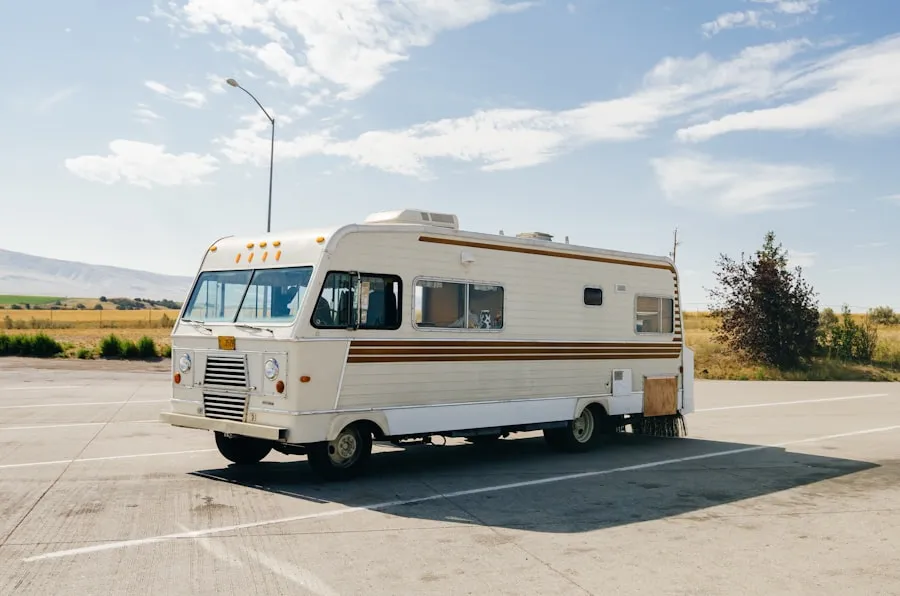
A specialized travel trailer insurance policy bridges the critical gap between auto insurance and homeowners insurance. Depending on how frequently you travel and where your rig is parked, you can tailor a policy using several core coverage types:
- Collision Coverage: Pays for physical damage to your travel trailer resulting from a rollover or collision with another vehicle, highway guardrail, or object, regardless of fault.
- Comprehensive Coverage: Covers physical loss caused by non-collision events, including hail, windstorms, falling trees, fire, flood, vandalism, and theft.
- Vacation / Campsite Liability: Provides liability protection if a guest is injured inside your trailer or on your campsite lot while parked for recreational use.
- Personal Property / Contents Coverage: Reimburses you for stolen or damaged belongings stored inside the trailer, such as electronics, camping gear, clothing, and kitchen appliances.
- Emergency Expense Coverage: Helps pay for temporary lodging and transportation if your travel trailer becomes uninhabitable due to a covered loss while traveling away from home.
“Choosing between Actual Cash Value (ACV) and Agreed Value is the single most important decision when structuring trailer physical damage coverage. Agreed Value protects your financial investment against rapid depreciation.”
Pro Tip: Look for specialized policies that offer Total Loss Replacement for newer models. If your travel trailer is totaled within its first few model years, this option replaces it with a brand-new current-model trailer rather than paying out a depreciated cash value.
Factors Affecting Travel Trailer Insurance Rates in Florida
Insurance premiums for travel trailers in Florida are determined by assessing risk exposure across several key categories. The table below outlines the major variables influencing your annual rates:
| Factor | Description & Florida Impact |
|---|---|
| Trailer Value & Type | Higher replacement values, custom fifth wheels, and luxury finishes increase comprehensive and collision costs. |
| Primary Location & Zip Code | Storing or parking your trailer in coastal Florida counties with high hurricane exposure increases storm risk premiums. |
| Usage Frequency | Occasional weekend camping incurs lower rates than full-time living or continuous multi-state cross-country travel. |
| Driving Record | A clean driving history on your tow vehicle policy demonstrates lower risk and qualifies for claims-free discounts. |
| Security & Safety Devices | Hitch locks, GPS tracking devices, anti-sway systems, and alarm installations help earn policy discounts. |
Tips for Finding the Best Travel Trailer Insurance in Florida
Securing comprehensive coverage at competitive rates requires strategic comparison shopping. Consider these actionable steps when purchasing a policy:
- Compare Specialized RV Insurers: Standard auto insurers often treat travel trailers as simple policy add-ons with restrictive limits. Specialized carriers like Progressive, Foremost, and National General offer tailored coverage terms (such as full replacement cost and broad personal effects limits).
- Bundle Policies: Combining your travel trailer policy with your existing auto or home insurance can yield multi-policy discounts ranging from 10% to 25%.
- Adjust Deductibles Wisely: Selecting a higher comprehensive or collision deductible lowers your recurring annual premium. Ensure you choose a deductible amount you can comfortably afford out-of-pocket during an emergency.
- Take an RV Safety Course: Completing an accredited RV safety or defensive towing course can unlock additional carrier discounts.
Common Misconceptions about Travel Trailer Insurance in Florida

Misunderstanding insurance terms can lead to severe out-of-pocket losses following an accident or severe storm. Addressing these common myths helps prevent major coverage gaps:
Myth: Standard Auto Insurance is Enough
While liability coverage from your towing vehicle generally extends to third-party damage while towing on Florida highways, auto policies do not extend collision or comprehensive coverage to the trailer itself. If your trailer flips, detaches, or is stolen from a storage facility, your auto policy will not pay for the damage or loss without a dedicated endorsement or policy.
Another Myth: Homeowners’ Insurance Covers Travel Trailers
Some homeowners policies offer minimal contents liability when a trailer is parked on your primary residential property. However, homeowners insurance rarely covers physical damage to the trailer while traveling, and it provides zero coverage when parked at commercial campgrounds or storage lots away from home.
Warning: Relying on standard homeowners or auto insurance leaves your trailer unprotected against hurricane windstorms, unhitched theft, campsite slip-and-fall claims, and full contents replacement.
The Necessity of Dedicated Travel Trailer Insurance
Dedicated travel trailer insurance combines elements of auto physical damage protection and homeowners liability into one policy. It ensures protection whether your trailer is actively being towed at 65 mph, parked at an oceanfront campsite, or stored during the off-season.
Important Considerations for Full-Time Travel Trailer Living in Florida
Living full-time in a travel trailer alters your legal and financial exposure. Because the trailer functions as your primary residence, standard recreational policies are insufficient.
Insurers offer specialized Full-Timer RV Insurance designed specifically for primary residents. Key policy enhancements include:
- Full-Timer Personal Liability: Functions like homeowners liability, covering bodily injury or property damage claims arising around your entire campsite footprint.
- Medical Payments to Others: Pays medical bills for visitors injured in or around your trailer, regardless of fault.
- High-Limit Personal Effects Coverage: Offers expanded coverage limits for clothing, electronics, tools, and household goods that remain permanently inside your rig.
- Loss of Use Protection: Covers essential temporary living expenses (hotel stays, dining out) if a covered loss renders your trailer uninhabitable.
Establishing Florida residency for full-time living offers significant benefits, including the lack of state income tax and favorable vehicle registration structures. According to guidance on insurance and battery maintenance from TakeTravelInfo, maintaining proper electrical systems and adequate insurance coverage ensures uninterrupted peace of mind while exploring Florida.
How to File a Travel Trailer Insurance Claim in Florida
If your travel trailer sustains damage from an accident, storm, or vandalism in Florida, following a systematic claim process speeds up recovery:
- Document the Scene Immediately: Take clear, high-resolution photographs and videos of the damage, the surrounding site, hitch connections, and any other vehicles involved.
- File a Police Report: In cases of theft, vandalism, or highway collisions, secure an official police report from local law enforcement or the Florida Highway Patrol.
- Notify Your Insurer Promptly: Report the loss to your insurance agent or carrier claims department as quickly as possible to initiate processing.
- Prevent Secondary Damage: Take reasonable emergency measures (such as placing a tarp over a damaged roof vent) to protect your interior from water intrusion. Keep all receipts for emergency repair materials.
- Meet with the Adjuster: Provide the claims adjuster with your documentation, photos, and maintenance records to ensure an accurate damage assessment.
FAQs
What is a travel trailer?
A travel trailer is a non-motorized recreational vehicle designed to be towed by a bumper hitch or frame coupler on a car, SUV, or truck. It provides temporary or permanent living quarters equipped with sleeping, dining, and bathroom facilities.
Do you need insurance on a travel trailer in Florida?
Florida state law does not mandate standalone insurance for non-motorized travel trailers. However, insurance is highly recommended and often practically required by lenders if financed, or by RV parks and campgrounds to secure a site reservation.
What does travel trailer insurance cover?
A comprehensive policy typically covers physical damage from collisions, weather events, theft, and vandalism. It also includes campsite liability for unhitched injuries, emergency displacement expenses, and contents coverage for personal belongings stored inside.
How much does travel trailer insurance cost in Florida?
On average, travel trailer insurance in Florida ranges between $250 and $1,500 per year. Exact costs depend on the trailer’s value, location, usage (recreational vs. full-time), chosen deductibles, and driving record.
Where can I purchase travel trailer insurance in Florida?
You can purchase policies directly from major insurance carriers offering specialized RV products, through independent insurance brokers licensed in Florida, or by adding tailored endorsements to existing auto policies.
Sources
- Florida Department of Highway Safety and Motor Vehicles (FLHSMV) — Florida motor vehicle insurance requirements and towing compliance standards
- Insurance Information Institute (III) — Guidelines on recreational vehicle insurance, comprehensive coverage, and liability structures
- Florida Department of Financial Services — Consumer insurance guides and Florida policy regulations

