

Last Updated on July 27, 2026 by Daniel Globe
The riddle “What has four legs and is always ready to travel?” is best answered with an elephant. It has four legs and a trunk, and “trunk” is also a word associated with luggage or storage for a journey. A literal reading may suggest a dog or another pet, but that misses the intended wordplay.
Quick Answer
The answer is an elephant. It has four legs, and its trunk creates the travel joke because “trunk” can also mean a large piece of luggage or a vehicle’s storage compartment. A suitcase is travel-ready, but it does not normally have four legs, so it misses the riddle’s wordplay.
Key Takeaways
- The intended riddle answer is an elephant, not a suitcase.
- The joke depends on the double meaning of “trunk.”
- The line is widely recognized from Die Hard with a Vengeance, where it is called an elephant joke.
- A dog can fit the literal wording, but it does not explain the travel pun.
- When traveling with an actual four-legged pet, health checks, identification, secure restraint, destination rules, and heat safety matter most.
Disclosure: As an Amazon Associate I earn from qualifying purchases. Some links on this page are affiliate links, at no extra cost to you.
Why the Answer Is an Elephant
An elephant has four legs and a trunk. The second part creates the joke: a trunk can mean the elephant’s long nose and upper lip, but it can also refer to a large travel chest or the storage compartment of a car. The Smithsonian’s National Zoo confirms that an elephant’s trunk is a specialized fusion of the nose and upper lip.
The clue “always ready to travel” points to luggage, while “four legs” points to an animal. Combining those clues produces the elephant answer.
Note: Some riddles accept playful alternative answers. For this exact wording, however, “elephant” is the best-known answer because the trunk supplies the missing travel connection.
Why a Suitcase Is Not the Best Answer
A suitcase is certainly ready to travel, but a typical suitcase has wheels or a flat base rather than four legs. Older travel trunks and furniture-style luggage may have feet, yet that is not the standard meaning of the clue. The original suitcase explanation therefore answers only the travel half of the riddle and leaves the four-leg clue unresolved.
Where the Riddle Became Famous
The line appears in the 1995 film Die Hard with a Vengeance. In the scene, the characters hear the question, identify it as an elephant joke, and use an elephant fountain as the next clue. The movie does not spend time explaining the punchline, but the intended connection is the elephant’s trunk.
Beyond the Riddle: Traveling With Four-Legged Pets
A literal reading of the question can also bring dogs and other companion animals to mind. They may be eager travel partners, but being four-legged does not automatically make an animal ready for a trip. A suitable pet must be healthy enough to travel, able to cope with unfamiliar places, and safely managed throughout the journey.
At a Glance
| Time Required | Several days for a simple road trip; weeks or months for some international trips |
| Difficulty | Easy to moderate, depending on the pet, destination, and transport method |
| Tools Needed | Secure carrier or crash-appropriate restraint, leash, identification, records, food, water, medication, and cleaning supplies |
| Cost | Varies by veterinary care, documents, carrier, lodging fees, and transportation charges |
Characteristics of a Pet That Is Ready to Travel
Temperament and Adaptability
A travel-ready pet should recover reasonably well from new sounds, people, surfaces, and routines. Calm behavior in one setting does not guarantee comfort everywhere, so judge the individual animal rather than relying on breed stereotypes. A pet that shows severe fear, aggression, escape behavior, or prolonged distress may be safer at home with a trusted caregiver.
Physical Health and Life Stage
Before a demanding or international trip, ask a veterinarian whether the animal is fit to travel. Age, chronic disease, pregnancy, recent surgery, motion sickness, and breathing problems can change the risk. The CDC Yellow Book notes that very young animals, older animals with chronic conditions, and short-nosed breeds may face added travel concerns.
Size and Transport Limits
Size affects carrier choice, vehicle space, hotel rules, and airline eligibility. Smaller pets may fit in an in-cabin carrier, while larger animals may require a secured crate or another approved arrangement. Always check the carrier’s current size, weight, breed, and seasonal restrictions before booking.
Training and Preparation for Travel-Ready Pets

Preparation should begin before departure day. Basic cues such as “sit,” “stay,” “come,” and “leave it” can improve control in unfamiliar places. Socialization also helps, but it should be gradual and positive rather than forced.
- Introduce the carrier or restraint at home. Let the pet investigate it, rest near it, and receive rewards around it.
- Practice short sessions. Close the carrier or attach the harness briefly, then increase the duration as the pet remains comfortable.
- Build up car time. Start with the parked vehicle, then make short drives before attempting a long journey.
- Practice real-world situations. Visit a quiet park, pet-friendly property, or low-traffic public area before trying a crowded destination.
- Watch the animal’s response. Panting, drooling, repeated vocalizing, trembling, vomiting, hiding, or frantic escape attempts can signal stress or motion sickness.
Pro Tip: Make the first practice trips end somewhere pleasant, not only at the veterinarian. This helps the pet learn that entering the carrier or car does not always predict an unpleasant experience.
Essential Gear and Supplies for Traveling With Pets
| Item | Why It Matters |
| Collapsible Travel Crate or Carrier | Provides a familiar, ventilated space and can help prevent movement inside a vehicle. It must be large enough for the pet to stand, sit, lie down, and turn around. |
| Travel Water Bottle | Keeps clean drinking water available during stops and outdoor activities. |
| Portable Food and Water Bowls | Makes feeding and hydration easier while taking little luggage space. |
| Pet First-Aid Kit | Supports basic care for minor problems until professional help is available. Include veterinary-approved supplies and written emergency contacts. |
| Leash, Collar, and Harness | Keeps the pet under control during loading, rest stops, walks, and emergencies. A walking harness is not automatically a vehicle safety restraint. |
| Travel Blanket or Mat | Provides a familiar scent and a consistent resting place. |
| Identification and Records | Carry an updated tag, microchip details, vaccination proof, prescriptions, health certificates when required, and a recent photo of the pet. |
| Food, Medication, and Cleanup Supplies | Bring enough familiar food and medicine for the full trip, plus extra, along with waste bags, litter supplies, towels, and pet-safe cleaning materials. |
Products Worth Considering

【Dimensions】LARGE SIZE pet carrier for medium, large cats or small dogs, HIGHER AND WIDER than other carriers on market, Recommended max load of 20 lbs (9 kg). Measures: 18.1"L x 11.8"W x 11.8”H. Please don't choose the carrier only based on weight but also reference your pet's length and height.
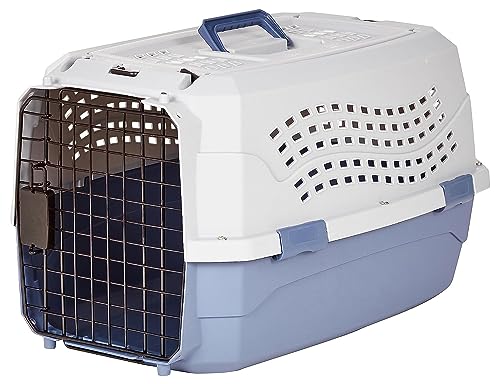
Hard sided pet carrier with 2 doors for front and top entry; suitable for cat or medium size dog weighing 12 - 20 pounds

Multiple Cats: Two large cat carriers that connect in a snap—plus, the side windows can be rolled up or down whenever you need! Ideal for traveling with multiple fur babies.
Health and Safety Considerations for Traveling With Pets
Health and safety planning should cover the animal, the route, the destination, and the return trip. The CDC’s current pet travel guidance recommends planning ahead, keeping identification and microchip information current, confirming vaccinations, and checking destination requirements.
Warning: Never leave a pet alone in a parked vehicle. Heat can become dangerous within minutes, and cold vehicles can also become unsafe. A cracked window does not provide reliable protection.
The CDC reports that a parked car’s interior can rise almost 20°F within the first 10 minutes, even when a window is cracked.
Products Worth Considering

【Ideal Size】Pets ride height 5.9 inches,provide a better view.dog booster car seat measures 19.7 inches (L) X 17.7 inches (W) X 19.7 inches (H).It's suitable for up to two small dogs or one medium sized dog weighing less than 35 pounds.Breeds suitable for this car seat include Yorkshire Terriers,Schnauzers,Corgis,Bulldogs,Chihuahuas,Pomeranians, Dachshunds,Shih Tzus,puppies,cats,and more.

Convenient Pet Car Carrier: The size of travel pet car seat for small dog and cat is 17 "L x 8,8" W x 9'' H, which can accommodate small and medium-sized pet within 11 pounds and with a body length within 12 inches (from neck to buttocks). Before purchasing, measure your dog and the dimensions of your center console for the right fit.

DURABILITY - No matter how well-trained your pup is, there’s no guarantee they won’t tug, pull, or chew on the seat belt during the ride. Our seat belts are crafted from heavy-duty nylon webbing with reinforced stitching for maximum durability. The sturdy metal components are designed to prevent unbuckling or snapping at the worst possible moment.
Before Departure
- Ask a veterinarian about fitness to travel, vaccines, parasite prevention, motion sickness, and required medication.
- Update identification tags and microchip contact details.
- Check state, country, airline, ferry, rail, hotel, campground, and park rules separately.
- Locate emergency veterinary clinics along the route and near the destination.
In the Car
Keep the pet in the back seat in a secured carrier or suitable restraint. Do not allow the animal to roam, sit on the driver’s lap, ride in the front seat near an airbag, or put its head out of the window. Secure a crate so it cannot slide during braking. Stop often enough for water, bathroom needs, and safe movement, based on the animal’s age and condition.
The CDC suggests feeding a pet several hours before departure to reduce the chance of vomiting. Do not give sedatives or motion-sickness medication unless a veterinarian has advised you to do so.
By Air or Across Borders
Airlines may impose requirements beyond government rules, including carrier dimensions, breed restrictions, temperature limits, health documents, and check-in procedures. For international travel from the United States, use the USDA APHIS pet travel process and begin early because some destinations require timed tests, treatments, permits, or endorsed certificates.
During Outdoor Activities
Keep pets leashed where required, carry safe drinking water, avoid wildlife, check paws and skin, and watch for heat stress or exhaustion. Do not allow pets to drink stagnant or discolored water. After hiking in tick country, inspect the pet carefully and follow the parasite-prevention plan recommended by your veterinarian.
Note: This article provides general travel information and does not replace advice from a veterinarian who knows your pet’s health, species, age, and destination.
Tips for Traveling With Pets

Plan Ahead for Pet-Friendly Accommodations
Confirm the property’s policy directly before paying. Ask about species, breed, size, number-of-pet limits, cleaning fees, restricted areas, unattended-pet rules, and nearby relief spaces. “Pet-friendly” does not always mean that pets may enter every room or common area.
Maintain a Consistent Routine
Keep meals, medication, walks, sleep, and bathroom breaks as close to the home routine as practical. A predictable schedule can reduce stress in an unfamiliar place.
Bring Familiar Items for Comfort
A washable blanket, mat, toy, or familiar-smelling item can make a carrier or hotel room feel less strange. Avoid bringing an irreplaceable item that could be lost or damaged.
Use a Controlled Arrival
On arrival, keep the pet leashed or contained while you inspect the room, secure doors and balconies, remove unsafe food or chemicals, and identify a quiet resting area. Introduce the new space gradually instead of allowing an excited animal to rush through it.
Popular Destinations for Traveling With Pets
Pet access varies widely, even within places described as pet-friendly. National parks, beaches, campgrounds, restaurants, public transportation systems, and lodging properties set their own restrictions. Verify the official rule for every location rather than relying on a general city reputation.
Acadia National Park is a useful example. Many areas welcome leashed pets, but federal rules require a leash no longer than 6 feet, and pets are restricted from specific beaches, ladder trails, buildings, drinking-water areas, and other locations. Urban destinations such as Portland, Oregon, and Asheville, North Carolina, may offer dog parks and pet-welcoming patios, but each venue can set different rules.
Note: Service animals are governed by different access rules than pets, emotional-support animals, or therapy animals. Check the applicable law and the destination’s official policy.
Pet Travel Checklist
- Veterinary fitness check completed when appropriate
- Vaccinations, preventive care, and prescriptions current
- Destination and return-entry requirements verified
- Airline, hotel, park, and transport policies confirmed
- Microchip registration and identification tag updated
- Secure carrier or vehicle restraint tested before departure
- Food, water, bowls, medication, waste supplies, and bedding packed
- Health records, certificates, recent photo, and emergency contacts saved in paper and digital form
- Rest stops, relief areas, and veterinary clinics mapped
- Weather, heat, cold, wildlife, and parasite risks reviewed
Products Worth Considering
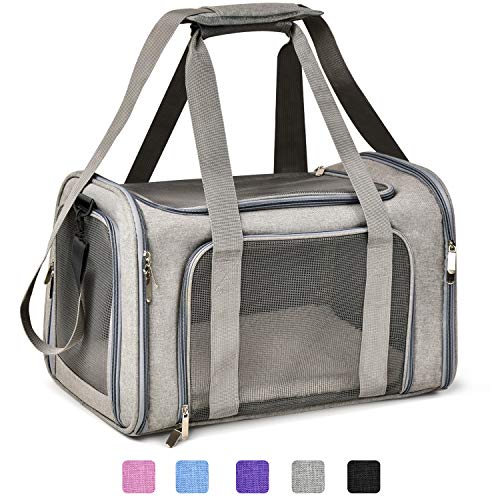
AIRLINE APPROVED CARRIER - With airline-approved design, you can take your pet to go to everywhere. This pet carrier provides two connecting loop handles for balanced carrying as a dual seat belt or luggage strap to secure transport
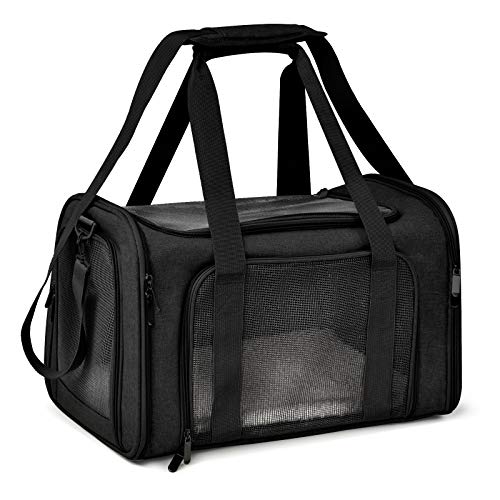
AIRLINE APPROVED CARRIER - With airline-approved design, you can take your pet to go to everywhere. This pet carrier provides two connecting loop handles for balanced carrying as a dual seat belt or luggage strap to secure transport

DESIGNED FOR LARGE CATS Carrying, trimming, and grooming bag fits cats weighing approximately 10 to 19 pounds that measure between 15 and 18 inches from the base of the head to the base of the tail. If you're unsure what size you need, Please contact us through Amazon. Click our name under "buy now" then click "ask a question."
Conclusion
The answer to “What has four legs and is always ready to travel?” is an elephant because it has four legs and a trunk. A suitcase may be travel-ready, and a dog may fit the literal wording, but neither completes the same wordplay.
For real trips with four-legged companions, readiness comes from the animal’s health and behavior, careful training, secure transport, correct documents, suitable gear, and destination-specific planning. Thoughtful preparation protects the pet, the owner, other travelers, and wildlife.
For a separate luggage-planning topic, readers preparing for a winter sports trip can review this best ski travel bag guide.
Frequently Asked Questions
What has four legs and is always ready to travel?
An elephant. It has four legs and a trunk, and “trunk” also has a travel-related meaning.
Why is an elephant the answer?
The riddle combines a literal clue, four legs, with a pun. An elephant’s trunk is a body part, while a trunk can also be luggage or a car’s storage compartment.
Is a suitcase also a correct answer?
A suitcase fits the travel clue, but it does not normally have four legs. It is therefore a weaker answer than an elephant for this exact wording.
Does the riddle appear in a movie?
Yes. It appears in Die Hard with a Vengeance, where the characters identify it as an elephant joke and use an elephant fountain as a clue.
Could a dog be an acceptable answer?
A dog has four legs and may enjoy travel, so it works as a literal alternative. It does not explain the travel-related trunk pun, which is why elephant remains the intended answer.
How can I tell whether my pet is ready to travel?
Consider the pet’s health, age, stress response, behavior in a carrier or car, and ability to settle in unfamiliar places. Ask a veterinarian when health, medication, air travel, or international rules are involved.
What should I pack for a pet road trip?
Pack a secure carrier or restraint, leash, current identification, food, water, bowls, medication, health records, waste supplies, bedding, basic first-aid materials, and emergency contact information.
Are dogs allowed throughout Acadia National Park?
No. Dogs are allowed in many areas when restrained on a leash no longer than 6 feet, but they are prohibited from specific beaches, ladder trails, buildings, drinking-water areas, and other posted locations.
Sources
- Smithsonian’s National Zoo: Asian Elephant — elephant trunk anatomy and function
- CDC: Pet Travel Safety — identification, vaccination, vehicle, air-travel, and outdoor safety guidance
- CDC: Heat and Pets — parked-car heat risk
- FDA: Travel Training for You and Your Pets — travel preparation, restraint, medication, and carrier guidance
- USDA APHIS: Pet Travel Process Overview — international documents, tests, treatments, and planning
- National Park Service: Visiting Acadia With Pets — leash rules and restricted areas
