Last Updated on July 27, 2026 by Daniel Globe
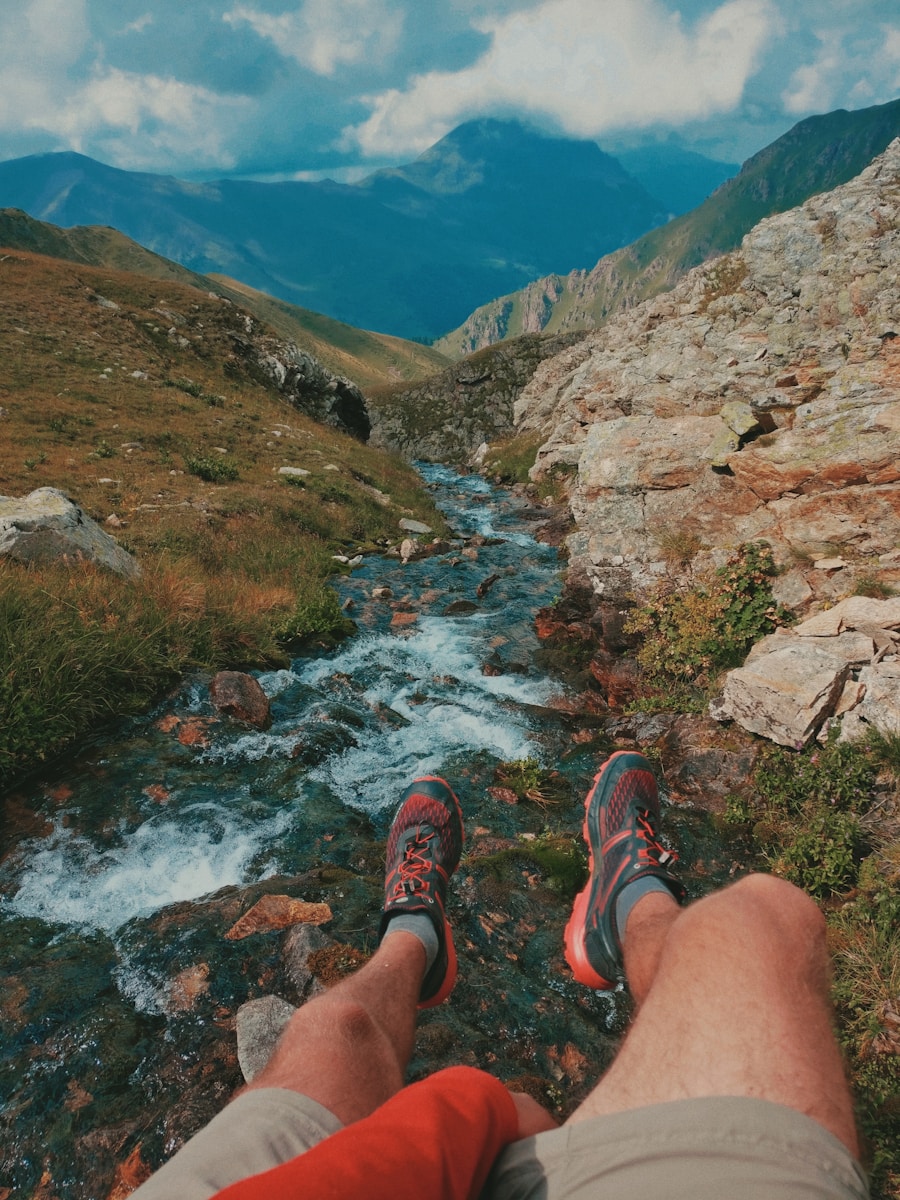
Trail running shoes are no longer just for runners. Their lighter construction, flexible midsoles, grippy outsoles, and breathable uppers make many models practical for day hikes, fast hiking, and even some long-distance backpacking trips. The key is matching the shoe to your feet, pack weight, trail surface, weather, and the amount of protection you need.
That does not mean trail runners are automatically better than hiking boots. A light trail shoe can feel excellent on a maintained path yet provide too little protection on sharp rock, deep mud, snow, or rough off-trail terrain. Understanding those trade-offs makes it much easier to choose the right footwear for a hike.
Quick Answer
Yes. Trail running shoes can work very well for day hiking, fast hiking, and many light-to-moderate trails when they fit securely and have enough grip and underfoot protection. Choose sturdier hiking footwear when you need more protection for rugged terrain, heavy loads, cold conditions, deep mud, snow, or sustained off-trail travel.
Key Takeaways
- Trail running shoes are generally lighter, more flexible, and more breathable than traditional hiking boots.
- A trail runner is only as good as its fit and outsole. Match lug pattern, rubber compound, and underfoot protection to your terrain.
- Leave roughly a thumb’s width of room ahead of your longest toe while keeping the heel and midfoot secure.
- Waterproof trail shoes help in cold, damp conditions but usually run warmer and may drain more slowly if water enters over the collar.
- Boots remain useful for heavy packs, very rugged terrain, snow, cold weather, sharp debris, and situations where you want more structure and protection.
Disclosure: As an Amazon Associate I earn from qualifying purchases. Some links on this page are affiliate links, at no extra cost to you.
Can You Use Trail Running Shoes for Hiking?
Yes. Trail running shoes are legitimate hiking footwear when their design matches the hike. REI’s current hiking-footwear guidance describes trail-running shoes as lightweight, breathable, flexible options that can work especially well on light-to-moderate terrain and for hikers moving at a quicker pace. Fastpackers and many thru-hikers also choose them instead of heavier boots.
The important distinction is that “trail running shoe” covers a wide range of footwear. A road-to-trail shoe with shallow tread is very different from a rugged-trail model with deep lugs, a protective toe cap, and a rock plate. Do not assume every shoe carrying the trail-running label is suited to rocky or technical hiking.
Warning: Match footwear to actual trail conditions. The National Park Service recommends sturdy footwear with suitable tread for hiking and advises hikers to account for terrain, weather, and their abilities. Snow, ice, sharp rock, loose scree, heavy loads, or particularly rugged routes may justify hiking boots or specialized traction rather than lightweight trail runners.
Benefits of Using Trail Running Shoes for Hiking
One of the biggest advantages of trail running shoes is lower bulk. A lighter shoe can feel more agile during repeated climbs, descents, and direction changes. Trail runners also tend to flex more easily than backpacking boots, which many hikers find comfortable when moving quickly on established trails.
Breathability is another advantage. Mesh-heavy uppers allow more airflow than many waterproof hiking boots, which can be useful in warm weather. Non-waterproof trail runners can also release water and dry relatively quickly after shallow stream crossings or rain.
Traction can be excellent, but it depends on the shoe. Rugged models commonly use aggressive lugs and sticky rubber compounds designed for dirt, rock, mud, or mixed terrain. Light-trail shoes may use much shallower tread. REI notes that some rugged trail runners can approach hiking-shoe traction, while lighter trail runners offer less grip.
Trail runners are also versatile. The same pair may work for walking, trail running, fast hiking, travel, and everyday outdoor use. The trade-off is that lighter uppers and softer outsoles can wear faster than more substantial hiking footwear.
The real advantage of a trail runner is not simply “less weight.” It is the combination of fit, flexibility, traction, breathability, and enough protection for the terrain you actually hike.
Features to Look for in Trail Running Shoes for Hiking
A hiking-worthy trail runner should fit your foot securely while providing enough grip and protection for your usual terrain. Do not choose by brand reputation alone.
Fit and Toe Room
Fit comes first. REI recommends approximately a thumb’s width of space between your longest toe and the end of a running shoe, with a snug but not tight fit through the heel and midfoot. That extra front space becomes especially important on long descents, when your feet can slide forward and swell.
Try both shoes because one foot may be slightly larger. Wear the socks, orthotics, or insoles you plan to hike with. Your heel should remain secure when you walk uphill, while your toes should be able to move without rubbing the sides or front.
Outsole Rubber and Lug Pattern
Look underneath the shoe before looking at cushioning or color. Deep, widely spaced lugs can bite into mud and loose soil, while a broader pattern with sticky rubber can work well on rock and mixed surfaces. The best pattern depends on where you hike.
Do not rely on lug depth alone. Rubber compound, lug shape, contact area, and the direction of the lugs all affect how a shoe behaves on wet rock, dirt, mud, and descents.
Underfoot Protection and Rock Plates
A rock plate or protective midsole layer can reduce the sharp feeling of stones and roots pressing through the sole. This feature is especially useful on rocky trails. Some highly cushioned shoes achieve protection through thick foam instead, while lower-stack shoes may give better ground feel but transmit more of the trail to your feet.
Cushioning, Stack Height, and Heel-to-Toe Drop
Cushioning is personal. More foam can feel comfortable over long distances, while a lower and firmer platform may feel more precise on uneven ground.
Also check heel-to-toe drop, the height difference between the heel and forefoot. Trail shoes range from zero-drop designs to models with a much higher heel. There is no single drop that is best for every hiker. If you are accustomed to a higher-drop shoe and switch to a zero- or very-low-drop model, increase your mileage gradually rather than immediately using it for your longest hike.
Toe Caps, Gusseted Tongues, and Debris Protection
A reinforced toe cap helps protect against accidental contact with rocks and roots. A gusseted tongue connects the tongue to the upper and can reduce the amount of dirt, small stones, and trail debris entering the shoe. Gaiter attachment points are also useful on sandy, snowy, or debris-heavy trails.
Waterproof Versus Quick-Draining Shoes
Waterproof trail runners can be useful in snow, wet grass, cold mud, and cool damp weather. However, a waterproof membrane also reduces airflow. REI notes that waterproof trail shoes can retain heat and can trap water if it enters over the top.
For warm weather, repeated stream crossings, or very wet trails where your feet are likely to become soaked anyway, many hikers prefer a breathable non-waterproof shoe that drains and dries more quickly.
For more detail on trail-shoe construction and fit, see REI’s guide to choosing trail-running shoes.
Tips for Choosing the Right Trail Running Shoes for Hiking
Choose a shoe around your terrain and feet rather than buying whichever model receives the most attention online. Current manufacturer specifications also show why brand-only comparisons are misleading: the weight, outsole, waterproofing, drop, and intended terrain can change dramatically from one model to another.
| Current Model | Manufacturer-Listed Weight* | Waterproof Option | Traction / Protection |
|---|---|---|---|
| Salomon Speedcross 6 | 11 oz per shoe | Separate Speedcross 6 GORE-TEX version | 5 mm lugs; Mud Contagrip outsole for mud and mixed terrain |
| Merrell Agility Peak 5 | 10.58 oz per shoe | GORE-TEX variants available | 5 mm lugs, Vibram Megagrip, rock plate and toe protection |
| La Sportiva Bushido III | 10.5 oz per shoe | Bushido III GTX versions available | 4 mm lugs, FriXion Red outsole and protective construction |
| adidas Terrex Agravic 3 | 275 g / about 9.7 oz in listed UK 8.5 size | Standard Agravic 3 is not waterproof; other Agravic GTX models exist | Continental rubber, 4 mm inner and 5 mm outer lugs, TPU stability plate |
*Manufacturer weight specifications use different sample sizes and therefore should not be treated as a laboratory comparison between models.
Match the Shoe to the Terrain
- Smooth or maintained trails: A flexible light-trail shoe with moderate tread may be enough.
- Rocky or root-filled trails: Look for a secure fit, grippy rubber, toe protection, and preferably a rock plate or substantial underfoot protection.
- Mud and loose soil: Deeper, well-spaced lugs can shed mud and bite into soft ground more effectively.
- Wet rock: Pay attention to outsole rubber and wet-surface performance rather than simply choosing the deepest lugs.
- Snow or ice: Trail runners alone may be inadequate. More protective footwear and appropriate traction devices may be needed.
Consider Pack Weight
A light daypack places different demands on footwear than a multi-day pack. As load and terrain become more demanding, some hikers prefer the firmer platform, thicker upper, and higher collar of a hiking or backpacking boot. There is no universal pack-weight cutoff because stability, experience, terrain, and footwear construction vary.
Shop Late in the Day and Wear Your Hiking Socks
Feet commonly swell during activity and through the day. Try shoes when your feet are closer to their larger size, and wear the socks and insoles you plan to use on the trail.
Pro Tip: Test downhill fit before committing to a shoe. Walk down an incline or stairs and check whether your toes repeatedly contact the front. If they do, a longer shoe, different lacing method, or different last may fit better.
Comparison of Trail Running Shoes and Traditional Hiking Boots
The choice between trail runners and hiking boots is not simply “light versus supportive.” Each category spans many designs, but the following comparison captures the common differences.
| Factor | Trail Running Shoes | Traditional Hiking Boots |
|---|---|---|
| Weight | Usually lighter | Usually heavier |
| Flexibility | Generally more flexible | Often firmer and more structured |
| Breathability | Often better, especially non-waterproof mesh models | Often warmer and less breathable |
| Protection | Ranges from minimal to substantial | Usually more upper and underfoot protection |
| Ankle coverage | Usually low cut | Commonly mid or high cut |
| Drying | Non-waterproof models can drain and dry relatively quickly | Waterproof boots resist external moisture but can take longer to dry once soaked inside |
| Durability | Generally wears faster | More robust models generally last longer |
| Best use | Day hiking, fast hiking, maintained to moderately rugged trails, light backpacking when appropriate | Heavy loads, rugged terrain, cold/wet conditions, sustained off-trail travel and greater protection needs |
REI’s current comparison reaches a similar conclusion: both categories can work, and the better choice depends on terrain, speed, experience, conditions, and the amount of support or protection the hiker wants.
Current Trail Running Shoes to Consider for Hiking
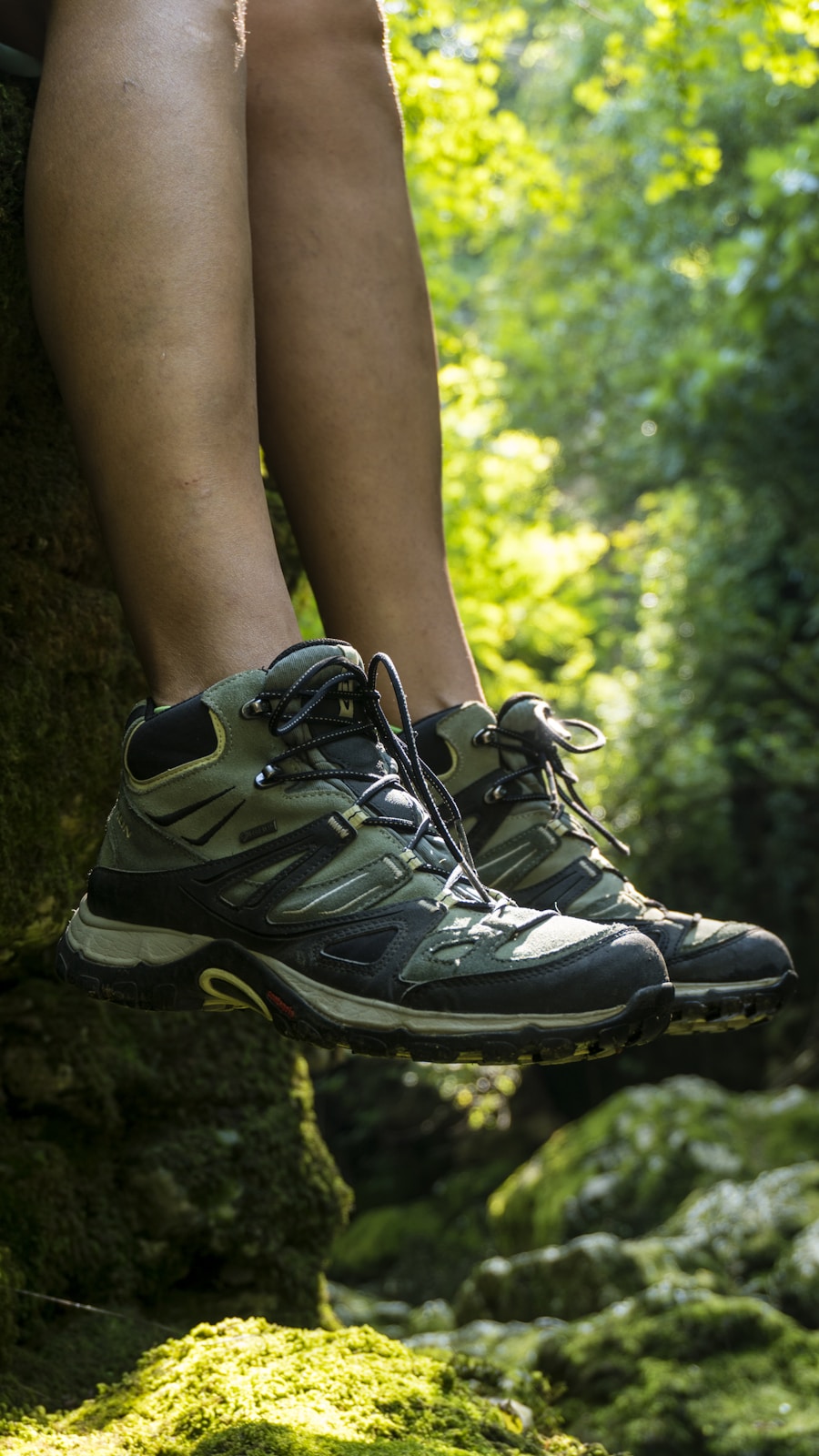
There is no single best trail running shoe for every hiker. Foot shape and terrain matter too much for that. However, the following current models illustrate several useful approaches to hiking footwear.
Aggressive Traction for Mud: Salomon Speedcross 6
The Salomon Speedcross 6 is aimed at mud and mixed terrain. Salomon lists 5 mm lugs, Mud Contagrip rubber, an anti-debris mesh upper, Quicklace closure, a 10 mm heel-to-toe drop, and an 11 oz weight per shoe. A separate GORE-TEX version is available for hikers who prioritize waterproofing.
Its deep tread makes more sense for soft or loose terrain than for someone who spends most of a hike on pavement or smooth hardpack.
Responsive Cushioning for Technical Trails: HOKA Speedgoat 7
The current HOKA Speedgoat 7 replaced the much older Speedgoat 4 discussed in the original article. Current specifications include a 5 mm drop, Vibram Megagrip with Traction Lug, 5 mm lugs, gaiter integration, and supercritically foamed EVA. It is designed as a rugged trail shoe with substantial cushioning and grip for technical terrain.
As with any higher-stack shoe, fit and stability should be tested on the type of uneven ground you actually hike.
Roomy Toe Box and Zero Drop: Altra Lone Peak 9
The Altra Lone Peak 9 is specifically listed by Altra for trail running, hiking, and thru-hiking. It uses a 0 mm heel-to-toe drop, 25 mm stack height, MaxTrac outsole, and the brand’s Original FootShape fit with extra toe room.
Zero drop is a preference rather than an automatic advantage. Hikers accustomed to significantly higher-drop footwear should give their legs and feet time to adjust before using a zero-drop shoe for high mileage.
Rock Protection for Varied Terrain: Brooks Cascadia 19
The Brooks Cascadia 19 is another current example designed for technical and rugged terrain as well as hiking. Brooks lists a 6 mm drop, 10.7 oz men’s weight, Trail Adapt System, flexible rock plate, and wet/dry traction. It illustrates the middle ground between a highly flexible trail runner and a more protective hiking shoe.
Note: Model generations, colors, specifications, and availability change. Always check the current manufacturer page and choose based on fit and intended terrain rather than buying a shoe solely because it appears on a “best” list.
How to Properly Break In and Test Trail Running Shoes for Hiking
Most trail running shoes do not require the long break-in period associated with stiff leather backpacking boots. They should feel fundamentally comfortable when new. A pressure point, cramped toe box, or badly slipping heel is a fit problem, not something you should expect to fix by suffering through several hikes.
It is still wise to test new shoes gradually:
- Wear them indoors first. Check toe room, width, arch comfort, and heel hold while the shoes remain clean and returnable.
- Try stairs or an incline. Make sure your heel stays reasonably secure uphill and your toes do not repeatedly strike the front downhill.
- Take a short walk. Use the same socks and insoles you plan to hike in.
- Move to a short local trail. Include some rocks, roots, climbs, and descents if those surfaces resemble your normal hikes.
- Increase distance only after the fit remains comfortable. Watch for hot spots, blisters, numbness, bruised toes, or persistent heel movement.
Be especially gradual if the new shoe has a dramatically different heel-to-toe drop or much less cushioning than your usual footwear. Changing footwear geometry can change how the lower leg and foot are loaded, and there is no benefit in rushing that transition.
Conclusion: When Trail Running Shoes Make Sense for Hiking
Trail running shoes are a practical alternative to hiking boots for many hikers, but their value comes from choosing the right model rather than from the category itself. A secure fit, suitable outsole, enough underfoot protection, and appropriate weather performance matter more than whether the product is labeled a “trail runner” or a “hiking shoe.”
For maintained trails, warm weather, faster movement, and lighter loads, a good trail runner can offer an appealing combination of agility, ventilation, traction, and comfort. For rough backcountry travel, heavy packs, sharp debris, snow, severe cold, or conditions where greater structure and protection are valuable, a hiking or backpacking boot may be the better tool.
If you are considering trail running shoes for hiking, also think about the rest of your footwear system. Moisture-wicking socks, properly fitted insoles or orthotics when needed, and trail gaiters for sand, snow, or loose debris can make as much difference to comfort as the shoe model itself.
Frequently Asked Questions
What are trail running shoes?
Trail running shoes are off-road athletic shoes designed with trail-specific traction and varying levels of cushioning, protection, stability, and debris resistance. Compared with most hiking boots, they are generally lower cut, lighter, and more flexible.
Can trail running shoes be used for hiking?
Yes. Trail running shoes work well for many day hikes, fast hikes, and light-to-moderate trails. Rugged trail-running models can also handle more technical ground. For heavy packs, severe weather, snow, sustained off-trail travel, or very rough terrain, more protective hiking footwear may be preferable.
What are the advantages of using trail running shoes for hiking?
Common advantages include lower weight, greater flexibility, better airflow in non-waterproof models, quick-moving comfort, and a wide choice of trail-specific outsole designs. Many hikers also like that one pair can serve for hiking, trail running, walking, and travel.
What are the disadvantages of trail running shoes for hiking?
Compared with sturdy hiking boots, many trail runners have less upper protection, less ankle coverage, softer construction, and shorter service life. Lightweight models may also provide insufficient underfoot protection or traction for very rugged terrain.
What should I consider when using trail running shoes for hiking?
Consider trail surface, distance, elevation, pack weight, weather, outsole grip, underfoot protection, toe protection, heel-to-toe drop, waterproofing, and fit. The heel and midfoot should feel secure while the toes have enough room to move without hitting the front on descents.
Are trail running shoes good for backpacking?
They can be, particularly for experienced hikers carrying relatively light gear on established trails. As pack weight, terrain difficulty, or protection needs increase, a firmer hiking shoe or backpacking boot may feel more appropriate. There is no universal pack-weight cutoff that applies to every person.
Should hiking trail runners be waterproof?
Waterproof trail runners can be useful in cold rain, snow, wet grass, and damp conditions. In warm weather or repeated water crossings, non-waterproof shoes may be more comfortable because they allow more airflow and usually drain and dry more quickly after becoming wet.
How much toe room should trail running shoes have for hiking?
A useful starting point is roughly a thumb’s width between your longest toe and the front of the shoe. Your toes should be able to move, but your heel and midfoot should remain secure enough to limit sliding, especially on descents.
Sources
- REI — How to Choose Hiking Boots and Shoes — terrain, footwear type, load, and current hiking-footwear guidance.
- REI — Hiking Boots vs. Trail Runners — comparative benefits, durability, traction, protection, and break-in considerations.
- REI — How Should Running Shoes Fit? — toe clearance, heel and midfoot fit, swelling, socks, and sizing.
- REI — Should I Get Waterproof Trail-Running Shoes? — waterproofing, warmth, drainage, and breathability trade-offs.
- U.S. National Park Service — Hike Smart — appropriate hiking footwear and general trail-safety preparation.
- Altra — Lone Peak 9 — current hiking/trail-running use, weight, drop, outsole, and fit specifications.