

Last Updated on July 25, 2026 by Daniel Globe
Flying has become an integral part of modern life, connecting people across continents and cultures. However, the experience can often be marred by the inadequacies of poorly rated carriers. The frustrations of flying with the worst airlines are not merely anecdotal; they represent a recurring reality for millions of travelers who encounter unreliable service, hidden costs, uncommunicative staff, and uncomfortable cabin conditions.
Quick Answer
The worst airlines are typically defined by high customer complaint volumes, chronic flight delays, unannounced fee structures, poor cabin maintenance, and inadequate customer support during disruptions. To avoid travel nightmares, check official safety ratings from aviation authorities, review consumer satisfaction indexes such as Skytrax, and understand your passenger compensation rights before booking.
Key Takeaways
- Operational unreliability—such as chronic delays and sudden cancellations—remains the leading cause of passenger complaints worldwide.
- Low base fares on budget carriers can be offset by unbundled fees for baggage, seat assignments, and basic customer assistance.
- Federal regulations, including U.S. Department of Transportation (DOT) mandates, entitle passengers to automatic refunds when flights are canceled or significantly altered.
- Thorough pre-booking research using independent safety records and consumer reviews helps protect travelers from severe disruptions.
Disclosure: As an Amazon Associate I earn from qualifying purchases. Some links on this page are affiliate links, at no extra cost to you.
Safety Concerns: The Risks of Flying with Unreliable Airlines
Safety is the foundational requirement of commercial aviation. While major regulatory bodies maintain strict oversight, some airlines operate on slim margins that compromise standards. This manifests in inadequate aircraft maintenance schedules, rushed turnarounds, insufficient training programs, or deferred mechanical fixes within permissible limits that nonetheless strain operational reliability.
Airlines utilizing aging fleets often face higher rates of mechanical delays and emergency diversions. Oversight varies significantly by global jurisdiction. While carriers operating within North America and the European Union must comply with rigorous audits from the Federal Aviation Administration (FAA) or the European Union Aviation Safety Agency (EASA), international carriers on banned lists frequently exhibit systemic safety deficiencies.
Warning: Always check international safety ratings and banned carrier lists—such as the EU Air Safety List—when booking regional or budget flights overseas. Low ticket prices should never come at the expense of verified maintenance standards.
Poor Customer Service: Frustration and Disappointment at the Gate
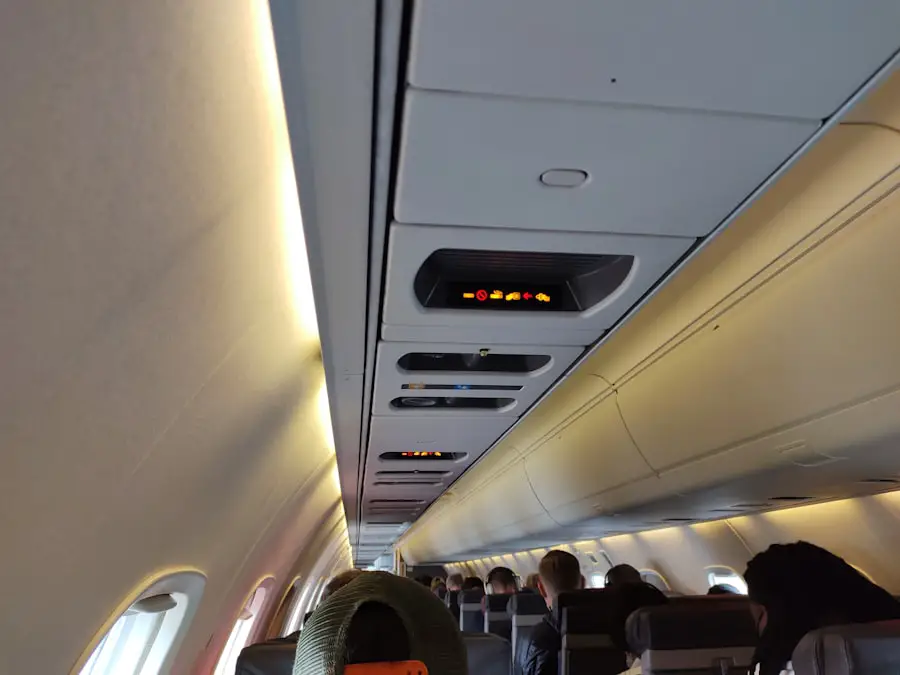
Customer service serves as the primary support system during flight disruptions. Unfortunately, poorly rated airlines frequently cut support staff to lower operating costs. When a flight is delayed or canceled, passengers often face multi-hour hold times, unresponsive chatbots, or overburdened gate agents lacking authority to rebook flights or issue hotel vouchers.
The absence of empathetic, effective customer support amplifies travel stress. When airlines fail to provide clear guidance or accommodation during overnight disruptions, stranded passengers are left to arrange alternative transportation and lodging at their own expense.
Delays and Cancellations: The Nightmare of Unpredictable Schedules
Flight delays and cancellations disrupt business schedules, family events, and connecting flights. Chronic operational delays often stem from tight fleet scheduling, where a single morning maintenance issue causes a domino effect across an entire route network.
| Industry Metric | Historical Baseline (2019) | Disruption Peak (2020) | Recovery Benchmark (2021+) |
|---|---|---|---|
| Flight Delays (% of Total Flights) | 23% | 18% | 25% |
| Flight Cancellations (% of Total Flights) | 2.1% | 1.5% | 3.2% |
| Consumer Complaints Logged (US DOT Data) | 15,000 | 102,000+ | 49,000+ |
“Under U.S. federal aviation rules, passengers are entitled to a full cash refund if an airline cancels a flight or makes a significant schedule alteration, regardless of the reason or ticket class.”
Passenger Consumer Rights: Navigating Cancellations and Refunds
Understanding statutory rights helps protect consumers against poor airline practices. Rules vary significantly depending on the jurisdiction of travel:
- United States (DOT Regulations): If your flight is canceled or significantly delayed (typically 3+ hours domestic, 6+ hours international), you are legally entitled to an automatic cash refund back to your original payment method if you choose not to accept rebooking.
- European Union & UK (EU261 / UK261): Flights departing from EU/UK airports or operated by EU/UK airlines qualify for fixed compensation ranging from €250 to €600 for delays exceeding 3 hours, unless caused by extraordinary circumstances.
Note: Airlines may offer flight vouchers or credit tokens instead of refunds during flight cancellations. You are not required to accept vouchers if statutory regulations mandate a direct cash refund.
Uncomfortable Conditions: Lack of Amenities and Seat Space
Passenger comfort has steadily decreased across budget and ultra-low-cost carriers (ULCCs). To squeeze maximum revenue per flight, airlines reduce seat pitch (the distance between seat rows) down to as little as 28 inches, remove recline capabilities, and eliminate basic inclusions like complimentary water or seatback entertainment screens.
In addition to restricted legroom, poorly managed carriers often fall short on cabin cleanliness and climate management. Subpar cabin maintenance leads to non-functioning tray tables, broken lavatories, and soiled upholstery, creating an uncomfortable environment on longer flights.
Hidden Fees and Extra Charges: Financial Burdens of ULCCs
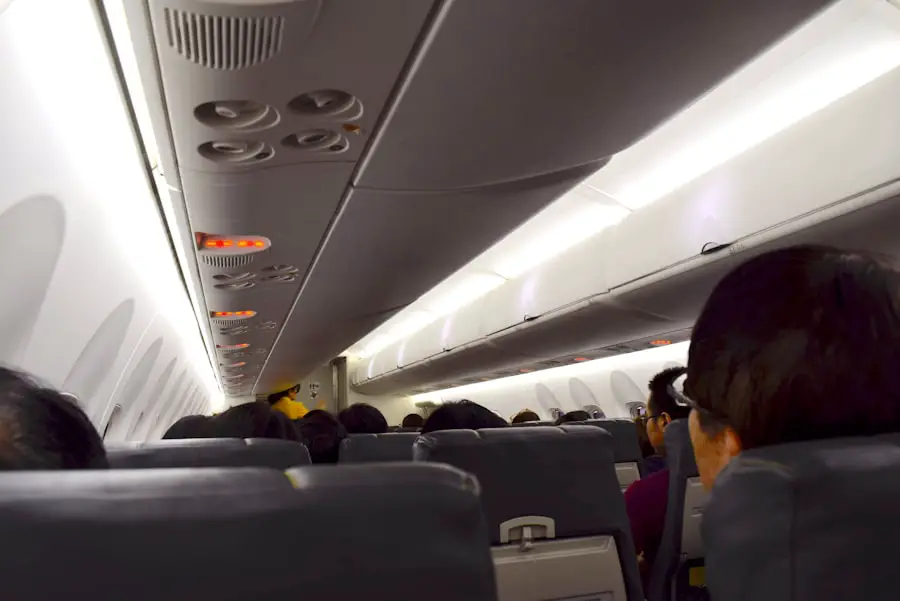
Unbundled pricing models allow carriers to market low base fares, but additional charges for essential items can quickly drive total travel costs past traditional legacy airline rates. Common unbundled charges include:
- Baggage Fees: Escalating costs for carry-on bags and checked luggage, often charging higher rates at the airport counter than during online booking.
- Seat Assignment Charges: Requiring paid selection to sit next to family members or secure standard legroom.
- Boarding Pass Printing Fees: Charging administrative fees to issue physical boarding passes at airport check-in desks.
Pro Tip: When booking with ultra-low-cost airlines, calculate the total price including carry-on bags, seat selection, and taxes. Compare this total with full-service airlines before buying, as legacy carriers often include these options in base fares.
Lack of Communication: Information Breakdown During Delays
Effective communication is critical when operational disruptions occur. Poorly rated carriers frequently fail to inform passengers promptly about gate changes, delay causes, or expected departure times. Discrepancies between mobile app updates and airport display boards add confusion and stress for passengers trying to manage connecting travel plans.
Lost and Mishandled Baggage: Dealing with Incompetent Operations
Mishandled, damaged, or lost luggage is a recurring pain point for travelers on unreliable airlines. Deficiencies in baggage handling technology and airport staffing increase the risk of lost luggage during layovers.
When luggage is delayed, unhelpful customer support teams can make recovery difficult. International conventions (such as the Montreal Convention) require airlines to reimburse reasonable expenses for essential items when baggage is delayed, yet many carriers delay processing claims until consumers file formal regulatory complaints.
Unreliable Fleets: Aging Aircraft and Maintenance Risks
Fleet age directly affects dispatch reliability. While older aircraft remain safe when rigorously maintained, aging fleets require more frequent unscheduled repairs. Carriers operating smaller fleets lack spare aircraft to step in when mechanical problems arise, leading to flight cancellations rather than short delays.
Inconsistent Service Quality across Routes
Inconsistency across service delivery degrades customer trust. A traveler may experience a pleasant flight on one leg of a journey, only to encounter unhelpful staff, dirty cabins, and delayed boarding on the return flight. Establishing consistent service standards across all routes is essential for building long-term customer loyalty.
Actionable Tips to Avoid the Worst Airlines
Proactive travel planning helps minimize exposure to unreliable carriers and operational breakdowns:
- Consult Independent Reviews: Check trusted aviation benchmarks such as Skytrax World Airline Ratings and consumer complaint rankings from official transport authorities.
- Evaluate Total Cost: Tally base fares alongside carry-on, checked bag, and seat assignment fees before making a purchase.
- Book Directly with the Airline: Avoid third-party booking agents; direct bookings make it significantly easier to process refunds, rebooking, and flight modifications during schedule disruptions.
- Use Credit Cards with Travel Protections: Pay for airfare using credit cards that offer built-in travel delay, cancellation, and baggage reimbursement insurance.
Frequently Asked Questions
What are commonly ranked among the worst airlines?
Airlines frequently cited for low customer satisfaction include ultra-low-cost carriers like Spirit Airlines, Frontier Airlines, and Ryanair, as well as flag carriers with poor maintenance histories such as Air Koryo. Rankings depend heavily on whether evaluation criteria prioritize base fare value, flight punctuality, or customer service response quality.
What factors determine airline quality and safety rankings?
Key evaluation metrics include on-time departure percentages, flight cancellation rates, customer complaint ratios per 100,000 passengers, fleet age, safety compliance audits, and cabin comfort standards evaluated by independent organizations like Skytrax and the FAA.
Are budget airlines less safe than full-service legacy airlines?
Budget carriers operating in strictly regulated markets (such as North America or the EU) must meet the exact same mandatory safety, maintenance, and pilot certification standards as major full-service airlines. Lower ratings on budget airlines typically stem from customer service, unbundled fees, and seat comfort rather than compromised safety protocols.
What are the most common complaints lodged against poorly rated airlines?
The most frequent complaints submitted to regulatory agencies involve unannounced flight delays, non-refundable tickets during cancellations, unexpected fees at check-in, lost or delayed baggage, and unresponsive customer support channels.
How can I protect myself and get a refund if my flight is canceled?
If your flight is canceled, you are entitled to a full cash refund to your original payment method under US DOT and EU regulations. Refuse unwanted credit vouchers, document all schedule notices, book through direct airline channels, and file an official consumer complaint with the U.S. Department of Transportation or local civil aviation authority if the carrier refuses to issue your refund.
Sources
- U.S. Department of Transportation (DOT) — Consumer Protections, Flight Delay Rules & Mandatory Refunds
- Federal Aviation Administration (FAA) — Commercial Aviation Safety Oversight Standards
- Skytrax World Airline Star Ratings — Global Airline Quality & Passenger Satisfaction Rankings
- European Union Passenger Rights (EU261) — Flight Delay & Cancellation Compensation Directives
