

Last Updated on September 10, 2026 by Daniel Globe
In the vast landscape of U.S. air travel, where convenience and efficiency are paramount, ultra-low-cost carriers (ULCCs) like Spirit Airlines and Frontier Airlines frequently find themselves at the bottom of customer satisfaction rankings. Consistently cited in U.S. Department of Transportation (USDOT) consumer reports and J.D. Power studies as having the highest complaint rates in the nation, these budget carriers have become synonymous with travel frustration. Passengers recount harrowing tales of their journeys—filled with unexpected delays, last-minute cancellations, and minimal ground support from airline staff.
Quick Answer
According to USDOT consumer reports and J.D. Power satisfaction studies, Spirit Airlines and Frontier Airlines regularly rank among the worst airlines in the US. They register the highest customer complaint ratios due to frequent flight disruptions, restrictive 28-inch seat pitch, aggressive unbundled fee structures, and strict non-refundable policies.
Key Takeaways
- Frequent Flight Disruptions: Ultra-low-cost carriers run tight aircraft schedules, leading to cascading delays and cancellations during peak travel periods.
- Aggressive Unbundled Pricing: Base ticket prices appear cheap, but heavy fees for carry-on bags, seat selection, and boarding passes quickly drive up total travel costs.
- Minimal Seat Comfort: Economy cabins often feature a restrictive 28-inch seat pitch and non-reclining seats with minimal padding.
- Federal Refund Protections: Under USDOT mandates, passengers are legally entitled to full cash refunds if an airline cancels or significantly alters a flight.
These negative travel experiences do more than just ruin vacations; they highlight systemic operational challenges within the aviation sector. From families stranded at airport gates for hours to business travelers missing critical commitments, the impact of poor service quality is profound. The emotional toll often leads to lingering travel anxiety, underscoring an urgent need for industry accountability and consumer awareness.
Disclosure: As an Amazon Associate I earn from qualifying purchases. Some links on this page are affiliate links, at no extra cost to you.
Delays and cancellations: How budget carriers leave passengers stranded
One of the most glaring issues reported by budget airline passengers is the high frequency of flight disruptions. Data from the USDOT Air Travel Consumer Reports reveals that low-cost carriers frequently experience higher rates of operational delays compared to legacy airlines like Delta or United. During severe weather or crew shortage events, budget carriers often lack the fleet redundancy needed to recover quickly.
Because these airlines operate point-to-point networks with high aircraft utilization, a single morning delay can create a domino effect across multiple routes. Passengers routinely find themselves stranded in crowded airport terminals with limited food options and minimal updates from overwhelmed gate agents.
Warning: Under federal USDOT rules, if your flight is canceled or significantly delayed and you choose not to accept alternative transportation, the airline is legally required to issue a full cash refund to your original payment method—not just an airline credit voucher.
Poor customer service: Dealing with unhelpful support channels
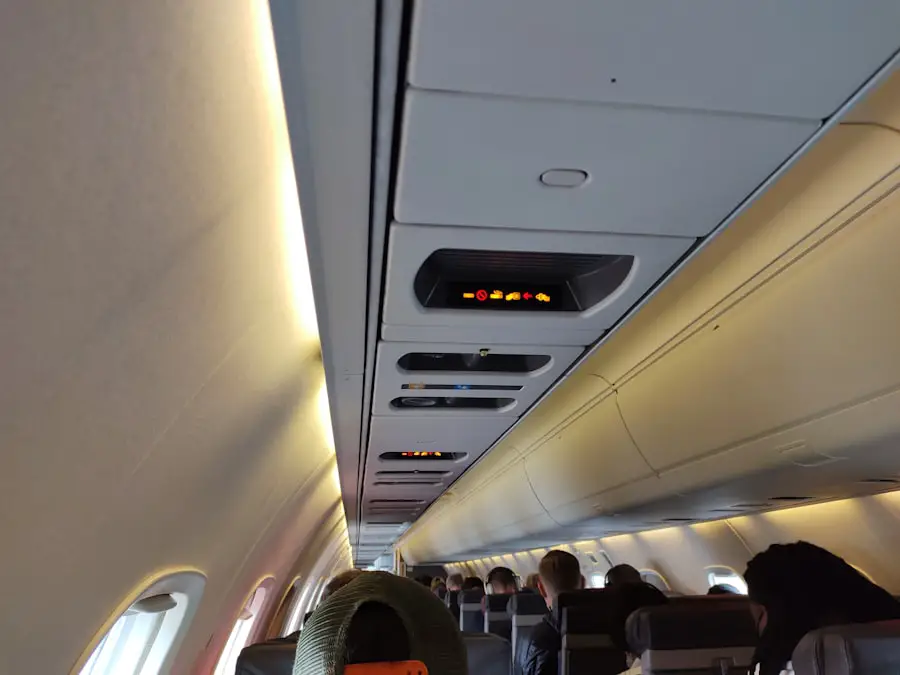
Customer service is a vital component of airline operations, yet budget carriers consistently score low in consumer service benchmarks. Travelers frequently encounter long wait times on phone hotlines or are forced to communicate via automated chatbots when seeking resolution for canceled tickets or lost luggage.
Furthermore, adequate employee training is essential for maintaining service standards. Frontline personnel who complete formal industry training—such as IATA airline customer service courses—are better equipped to handle stressful operational crises. When staff lack adequate training or resources, interactions can quickly leave passengers feeling dismissed and helpless.
Uncomfortable seating and lack of amenities: The physical reality of budget flying
| Comfort Metric | Ultra-Low-Cost Carrier Standard |
|---|---|
| Seat Pitch | 28 inches (Lowest in US aviation) |
| Seat Width | 17 inches |
| Seat Recline | Pre-reclined / Fixed (0 to 2 inches) |
| Legroom | Minimal |
| Cabin Amenities | No free snacks, drinks, or Wi-Fi |
| Overall Comfort Rating | Lowest consumer satisfaction rankings |
Physical discomfort is a defining aspect of flying with ultra-low-cost airlines. To maximize row density and seat capacity, budget airlines install slimline seats with tight 28-inch seat pitches. These minimalist seats offer minimal padding, leaving passengers fatigued on flights lasting more than two hours.
In addition to restricted legroom, basic onboard amenities are virtually absent. While legacy carriers offer complimentary non-alcoholic beverages and snacks, budget carriers charge for bottled water and hot drinks. For unprepared travelers, these austerity measures make air travel feel transactional rather than customer-focused.
Safety oversight and regulatory scrutiny
Commercial aviation in the United States is strictly overseen by the Federal Aviation Administration (FAA). While all certified U.S. carriers must comply with rigorous maintenance standards, budget airlines occasionally face regulatory scrutiny regarding fleet maintenance turnarounds and operational compliance.
“Public trust in aviation depends heavily on strict safety oversight, operational transparency, and rigorous regulatory compliance across all air carriers.”
When mechanical issues ground an aircraft, budget carriers with smaller fleet sizes struggle to deploy replacement planes quickly. As a result, technical glitches that might cause minor delays on legacy networks often turn into multi-day cancellations for low-cost airline passengers.
Hidden fees and extra charges: The cost of unbundled fares
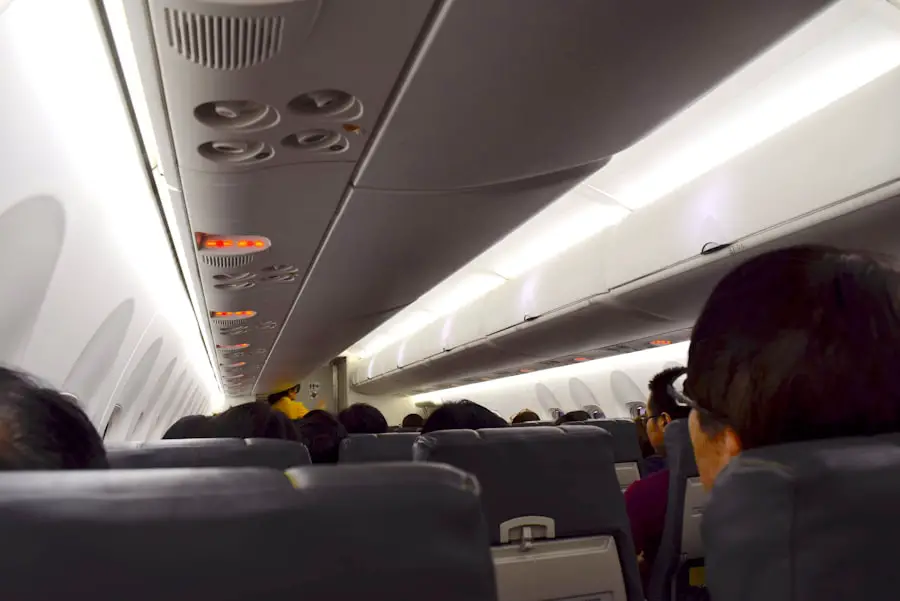
Budget airlines utilize an unbundled pricing model where base ticket fares cover only your seat from point A to point B. Every additional service—including carry-on bags, checked luggage, advance seat selection, and printed airport tickets—incurs extra fees.
Many passengers feel misled when they realize that what appeared to be an inexpensive flight quickly becomes costly once mandatory add-ons are included. For instance, paying for a carry-on bag at the airport gate can cost up to twice as much as paying during online booking.
Pro Tip: To avoid surprise add-on fees, carefully measure your personal item to fit under the front seat dimensions, check in online 24 hours prior to departure, and pay for necessary baggage during your initial ticket purchase.
As competition within the airline industry intensifies, transparent upfront pricing remains a top concern for savvy travelers.
Lost luggage and mishandled baggage challenges
Baggage handling issues represent another significant consumer complaint. According to USDOT reports, low-cost carriers frequently experience higher rates of delayed or lost luggage per 1,000 checked bags during peak holiday travel periods.
Recovering lost luggage from budget carriers can be particularly challenging due to limited customer support desks at regional destination airports. Passengers are encouraged to keep critical medications, travel documents, and valuable electronics inside their personal item rather than checking them at the gate.
Inadequate communication and transparency gaps
Effective communication is vital during flight disruptions, yet budget carriers frequently receive criticism for failing to provide timely flight status updates.
Travelers often report receiving little to no updates regarding delays or cancellations until they arrive at the terminal, leaving them scrambling for last-minute hotel or travel alternatives.
Furthermore, when major delays occur, passengers are often left uninformed regarding their legal rights under USDOT regulations. Improving automated SMS messaging, mobile app tracking, and gate announcements is essential for bridging this transparency gap.
Lack of accountability and handling of complaints
A recurring complaint among travelers is the perceived lack of accountability when service breakdowns occur. Passengers frequently report receiving standardized email responses or voucher offers that do not cover the full financial cost of their disruption.
When an airline fails to take clear responsibility for avoidable service delays, brand loyalty erodes rapidly. Consumer advocates urge passengers to file formal complaints directly with the U.S. Department of Transportation Aviation Consumer Protection Division whenever carriers fail to uphold federal service mandates.
Regulatory enforcement and industry oversight
Operational failures on budget carriers extend beyond consumer frustration; they can result in formal regulatory actions. Federal agencies regularly monitor airline compliance regarding tarmac delay limits, baggage reimbursement policies, and deceptive advertising practices.
In recent years, federal regulators have issued multi-million dollar penalties against airlines that fail to provide prompt cash refunds for canceled flights. Strict enforcement remains the primary mechanism for protecting consumer rights and ensuring fair market competition.
The path toward customer-focused airline reform
Addressing the ongoing service issues in the low-cost airline sector requires comprehensive operational adjustments. Passengers deserve clear pricing, punctual scheduling, and respectful service throughout their journey.
To restore passenger trust, budget airlines must invest in better staff training programs, modernized baggage tracking systems, robust fleet contingency plans, and transparent fee disclosures. Choosing the right airline requires weighing upfront ticket savings against potential service trade-offs.
Frequently Asked Questions
What factors determine the worst airline in the US?
Airlines are evaluated based on USDOT consumer data, J.D. Power customer satisfaction scores, on-time departure rates, flight cancellation percentages, mishandled baggage ratios, and fee transparency.
What are the most common complaints about low-cost US airlines?
Common complaints include unexpected hidden baggage fees, cramped legroom (28-inch seat pitch), lack of customer service phone support, and difficulty obtaining cash refunds following flight cancellations.
How do airlines rank in official customer satisfaction reports?
Major organizations like J.D. Power and the USDOT publish annual reports ranking airlines across categories including check-in ease, cabin comfort, cost and fees, flight crew service, and on-time performance.
Are passengers entitled to a refund if a budget airline cancels a flight?
Yes. Under USDOT mandates, if an airline cancels your flight for any reason and you choose not to travel on a rebooked flight, you are entitled to a full cash refund to your original payment method.
What are reliable alternatives to ultra-low-cost airlines?
Travelers seeking higher reliability often choose major legacy or full-service carriers such as Delta Air Lines, Alaska Airlines, or Southwest Airlines, which include carry-on bags or seat selection in their standard fare pricing.
Sources
- U.S. Department of Transportation (USDOT) — Air Travel Consumer Reports and passenger refund regulations
- J.D. Power — North America Airline Satisfaction Study benchmarks
- Federal Aviation Administration (FAA) — U.S. commercial aviation safety and maintenance oversight
- International Air Transport Association (IATA) — Airline Customer Service Standards
