Last Updated on July 27, 2026 by Daniel Globe
Selecting the right hiking shoe is less about finding one universally “best” pair and more about matching the footwear to your feet, the trail, the weather, and the load you carry. A good fit should feel secure without squeezing your foot, while the outsole, cushioning, and protection should suit the terrain you actually hike.
Quick Answer
The best hiking shoe for trail comfort fits snugly without pressure, leaves room for your toes, grips the terrain you hike, and provides enough cushioning and protection for your distance and pack weight. Choose waterproof footwear for consistently wet conditions and breathable non-waterproof shoes for hot, dry trails.
Key Takeaways
- Fit matters more than brand. Your heel should stay secure, your midfoot should feel supported, and your toes need room to move.
- Match footwear to the trail: lighter shoes work well on many maintained trails, while rough terrain and heavier loads may justify stiffer, more protective footwear.
- Waterproof membranes help in wet conditions but usually feel warmer and less ventilated than non-waterproof mesh footwear.
- Do not expect break-in to fix a shoe that is too short, too narrow, or otherwise painful.
- Replace hiking footwear based on worn traction, compressed cushioning, damaged uppers, loss of support, or recurring discomfort rather than mileage alone.
At a Glance
| Time Required | About 20–45 minutes to measure, compare, lace, and test several pairs; stiff footwear may need additional short break-in outings |
| Difficulty | Easy, but careful fit testing is essential |
| Tools Needed | Your hiking socks, a foot-measuring device or accurate size chart, and ideally an incline or test ramp |
| Cost | The current examples in this guide were listed at roughly $80–$180 when checked July 27, 2026; prices, colors, widths, and sales change |
Disclosure: As an Amazon Associate I earn from qualifying purchases. Some links on this page are affiliate links, at no extra cost to you.
Key Features to Look for in a Hiking Shoe
When searching for the ideal hiking shoe, start with fit and intended use rather than a brand name or online rating. According to REI’s hiking footwear guide, the right footwear depends on factors such as trail conditions, trip length, protection needs, and fit.
Fit, Width, and Foot Volume
A hiking shoe should feel snug throughout the heel and midfoot without creating pressure or numbness. Your toes should have enough room to wiggle, and your longest toe should not hit the front of the shoe when walking downhill.
A useful check is roughly a thumb’s width between your longest toe and the end of the insole. Width also matters. A shoe can be long enough but still be uncomfortable if the forefoot is too narrow or the upper does not have enough volume for your foot.
Pro Tip: Remove the insole and stand on it before buying. Your toes should remain on the insole rather than spilling over the sides, and there should be visible space beyond your longest toe.
Outsole Traction and Lug Pattern
The outsole is the rubber layer that contacts the trail. Hiking shoes typically use lugs to improve grip on dirt, gravel, mud, roots, and rock. Deeper or more widely spaced lugs can shed soft soil and mud more effectively, while lower-profile patterns may feel smoother on hard-packed trails.
No tread makes slippery rock completely safe, so traction should be treated as assistance rather than a guarantee against falls.
Cushioning, Midsole Stiffness, and Support
The midsole absorbs impact and influences how stable the shoe feels. Soft cushioning can feel comfortable on long, smooth trails, while a firmer or stiffer platform may feel more secure when edging across uneven rock or carrying extra weight.
Some hiking shoes also use a shank, chassis, or rock plate to limit twisting or protect the sole of the foot from sharp rocks. More structure usually adds protection but can also add weight and reduce flexibility.
Toe and Underfoot Protection
A reinforced toe cap can reduce bumps and abrasion from rocks and roots. For rocky trails, underfoot protection is also worth checking. Trail shoes designed for technical terrain may use a rock plate or firmer midsole to reduce pressure from pointed stones.
Waterproofing Versus Breathability
Waterproof hiking shoes use membranes such as GORE-TEX or proprietary systems to reduce water penetration. They make sense for repeated rain, wet grass, mud, shallow puddles, and cold conditions.
However, waterproof membranes generally reduce ventilation compared with an open mesh non-waterproof shoe. In hot, dry conditions, a breathable shoe can feel cooler and may dry faster after getting wet. REI notes this same waterproofing-versus-breathability tradeoff in its current footwear guidance.
Note: Waterproof does not mean water can never reach your foot. Water can still enter over a low shoe’s collar, and perspiration can make the inside feel damp during hard hiking.
Weight and Heel-to-Toe Drop
Lighter shoes can feel more agile and less tiring, while heavier footwear usually adds structure, protection, or durable materials. Neither approach is automatically better.
Heel-to-toe drop is the difference in sole height between the heel and forefoot. Conventional hiking shoes commonly have some heel elevation, while zero-drop shoes place the heel and forefoot at the same height. A major change in drop can feel different to your feet and lower legs, so comfort during a short test walk matters more than choosing a number because it sounds more “natural.”
Hiking Shoe, Trail Runner, or Hiking Boot?
Hikers now have more choices than traditional boots. The best category depends on terrain, weather, pack weight, and personal preference.
| Type | Best For | Main Advantage | Main Tradeoff |
|---|---|---|---|
| Trail runner | Fast hiking, light loads, maintained to moderately rugged trails | Lightweight and flexible | Often less durable and protective than a hiking shoe or boot |
| Hiking shoe | Day hiking and many moderate or rugged trails | Balances traction, protection, flexibility, and weight | Less coverage than a mid-height boot |
| Hiking boot | Rough terrain, colder conditions, backpacking, or hikers wanting more structure | More coverage, structure, and protection | Heavier, warmer, and often slower to break in |
Fit matters more than the logo on the shoe: secure your heel, leave your toes room, and choose the protection and traction that match your trail.
Top Trail Comfort Hiking Shoe Options
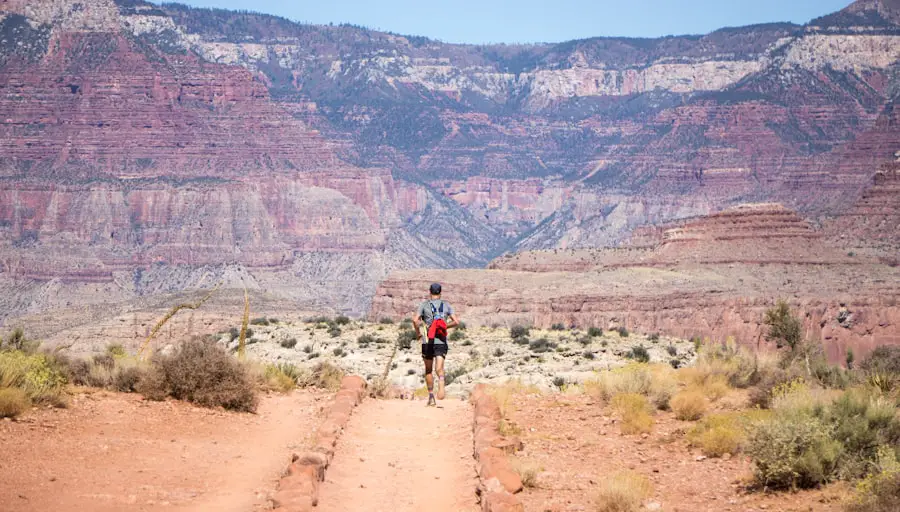
There is no single hiking shoe that fits every foot, but the following current models show the range of choices available in 2026. These are examples to compare rather than a claim that one model will be best for every hiker.
Salomon X Ultra 5 GORE-TEX
The current Salomon X Ultra 5 GORE-TEX is designed for full-day hiking across wet, rocky, muddy, and mixed terrain. Salomon lists an All-Terrain Contagrip outsole, GORE-TEX membrane, supportive chassis, 11 mm drop, and a men’s weight of about 13 oz per shoe.
This is a logical option for hikers who want a low-cut shoe with waterproof protection and more structure for technical terrain.
Merrell Moab 3
The current Merrell Moab 3 continues the Moab line that replaced the older Moab 2 mentioned in the original article. The standard version combines suede and breathable mesh with a Vibram TC5+ outsole, a protective toe cap, cushioning, a molded nylon arch shank, 5 mm lugs, and an 11.5 mm drop.
The non-waterproof Moab 3 is a practical choice for hikers who favor ventilation and a traditional hiking-shoe feel. Merrell also sells waterproof and GORE-TEX versions for wetter conditions.
Altra Lone Peak 9+
For hikers who like a wide forefoot shape and zero heel-to-toe drop, the current Altra Lone Peak 9+ is designed for trail running, hiking, and thru-hiking. Altra lists a 0 mm drop, 25 mm stack height, Vibram Megagrip outsole, and men’s weight of about 11.55 oz per shoe.
Its flexible trail-runner design favors agility and natural toe spread. Hikers accustomed to a larger heel-to-toe drop should judge the feel carefully rather than assuming zero drop will automatically be more comfortable.
Columbia Crestwood
The Columbia Crestwood is a more budget-oriented hiking shoe. Columbia lists a leather-and-mesh upper, Techlite cushioning, Omni-Grip rubber outsole, and a men’s size-9 weight of about 12.3 oz per shoe.
The standard Crestwood is best viewed as a straightforward hiking shoe for everyday trails rather than a universal technical-terrain solution. Waterproof Crestwood variants are also available.
KEEN Targhee Apex Waterproof
The current KEEN Targhee Apex Waterproof Hiking Shoe combines a roomy forefoot, KEEN.DRY waterproof membrane, responsive cushioning, and multi-surface traction. KEEN lists the men’s low shoe at about 11.99 oz per shoe with a 14 mm heel-to-toe drop.
It is worth considering if toe-box space and waterproofing are priorities, but as with every model here, the final decision should come down to how it fits your individual foot.
Comparison of Different Hiking Shoe Brands
Merrell, Salomon, Columbia, KEEN, and Altra all make multiple footwear types, so it is misleading to assign one weight, waterproof rating, or traction score to an entire brand. Comparing specific models provides a much more useful picture.
| Current Model | Weight Per Shoe* | Waterproof | Traction | Listed Price When Checked* |
|---|---|---|---|---|
| Merrell Moab 3 | Varies by size/version; manufacturer listings are roughly 14–16 oz | No, standard version | Vibram TC5+, 5 mm lugs | $140 |
| Columbia Crestwood | 12.3 oz, men’s size 9 | No, standard version | Omni-Grip | $80 |
| Salomon X Ultra 5 GORE-TEX | 13 oz, men’s version cited | Yes, GORE-TEX | All-Terrain Contagrip | About $170 before color-specific promotions |
| KEEN Targhee Apex Waterproof | 11.99 oz, men’s low version | Yes, KEEN.DRY | Multi-surface rubber outsole | $180 |
| Altra Lone Peak 9+ | 11.55 oz, men’s version | No, standard 9+ | Vibram Megagrip | $160 |
*Manufacturer specifications and prices checked July 27, 2026. Weight can change with size, gender-specific construction, width, and model version. Prices can change with promotions.
Merrell remains strongly associated with traditional hiking shoes such as the Moab family, while Salomon offers more performance-oriented trail footwear with systems such as Contagrip and supportive chassis designs. Columbia provides hiking shoes at several price points, including simpler options such as the Crestwood.
KEEN is particularly well known for roomy forefoot shapes in models such as the Targhee family. Altra takes a different approach with FootShape toe boxes and zero-to-low-drop designs. None of these characteristics makes one brand universally better; the most comfortable brand is the one whose shape works with your foot.
Tips for Properly Fitting Hiking Shoes
Achieving the right fit is essential because even an expensive hiking shoe can become miserable if your toes hit the front, your heel slides, or the upper squeezes your foot.
- Shop later in the day. Feet often become slightly larger after hours of standing and walking. The American Hiking Society specifically recommends evening fitting for this reason.
- Wear your real hiking socks. Sock thickness changes the amount of room inside the shoe.
- Measure both feet. Fit the larger foot if one is longer or wider.
- Check toe clearance. Aim for roughly a thumb’s width in front of your longest toe without allowing the whole foot to slide around.
- Lock the heel in place. A small amount of natural movement may occur, but repeated heel lifting can lead to friction and blisters.
- Test the width and volume. Look for pinching, numbness, pressure across the top of the foot, or toes forced together.
- Walk uphill and downhill. Your heel should remain controlled on climbs and your toes should not ram the front on descents.
- Try more than one model. Two shoes marked with the same size can have very different shapes.
Warning: Do not buy a painfully tight shoe expecting it to become the correct size after break-in. Break-in can soften some materials, but it cannot create the missing length, width, or foot volume you need.
How to Break in Your New Hiking Shoes

Break-in needs vary. Lightweight hiking shoes and trail runners can feel comfortable almost immediately, while stiff leather or backpacking boots usually need more gradual wear. The goal is to confirm comfort before committing to a long or remote hike.
Getting Started
Wear the footwear indoors first if the retailer’s return policy allows it. Use the same socks and insoles you expect to hike in. Walk around long enough to notice heel movement, pressure over the toes, rubbing around the ankle, or tightness across the forefoot.
Gradual Progression
Move to short outdoor walks and then an easy local hike. Increase distance and terrain difficulty only if the footwear remains comfortable. Pay attention to hot spots before they become blisters.
If mild movement is creating friction, adjusting the lacing can help. Different lacing patterns can secure the heel or relieve pressure over the top of the foot. Persistent pain, numbness, toe impact, or severe heel slipping usually points to a fit problem rather than a break-in problem.
The Final Touches
Before a demanding hike, test the shoes on hills and terrain similar to what you expect on the trip. Flexible hiking shoes may require only a short trial period. Stiffer boots can require several progressively longer outings before they feel settled.
Pro Tip: Carry blister tape or another blister-treatment product on the first few longer hikes in new footwear, even when the shoes felt comfortable during shorter tests.
Maintaining and Caring for Your Hiking Shoes
Proper maintenance can extend the useful life of hiking footwear and help the outsole, upper, and waterproof treatments perform as intended.
Clean Dirt and Mud
After a muddy hike, remove the laces and brush away loose dirt with a soft brush. Clean the upper according to the footwear manufacturer’s instructions. Dirt and grit left in flex points can accelerate wear.
Clean packed mud and small stones from the outsole as well. Restoring the tread surface makes it easier to inspect the lugs for wear or damage.
Dry Shoes Without Direct Heat
Remove the insoles and let them dry separately. Air-dry shoes at normal room temperature. Avoid placing hiking footwear against a heater, radiator, campfire, or other strong heat source because excessive heat can damage adhesives and age leather and synthetic components prematurely.
Restore Water Repellency When Needed
Many new boots and shoes have a durable water-repellent exterior treatment. According to REI’s waterproofing guidance, treatment is usually needed when water stops beading on the outer material and begins soaking into it.
Use a treatment made for the shoe’s specific upper material. If the footwear contains a GORE-TEX or similar waterproof membrane, the membrane itself does not need to be coated; clean the footwear and maintain the compatible exterior materials instead.
Store Shoes in a Stable, Dry Place
Store clean, dry footwear away from prolonged heat, direct sunlight, and damp enclosed areas. Avoid leaving hiking shoes for long periods in a hot car trunk or a humid storage space.
When Should You Replace Hiking Shoes?
There is no single mileage number that applies to every hiking shoe. REI notes that a solid hiking shoe might last up to roughly 500 miles, while durable hiking boots can last substantially longer. Terrain, body weight, pack weight, construction, care, and how often the shoes get wet can all change their lifespan.
Inspect your footwear regularly and consider replacement when you notice:
- Lugs worn smooth enough that traction has noticeably declined.
- Uneven outsole wear that changes how the shoe feels underfoot.
- A midsole that feels noticeably flatter, less supportive, or less protective than when new.
- Persistent new foot discomfort or hot spots that were not present before.
- Upper fabric, stitching, or leather that is torn badly enough to reduce foot security or protection.
- Sole separation or structural damage.
- A waterproof shoe that repeatedly leaks because the membrane or construction has failed rather than because the exterior treatment simply needs refreshing.
Note: A shoe can lose cushioning or support before the outsole looks completely worn out, while a rugged boot may remain usable far beyond 500 miles. Condition matters more than a rigid odometer rule.
Finding Your Perfect Trail Comfort Hiking Shoe
Finding the right trail-comfort hiking shoe comes down to fit first and features second. Start with enough toe room and a secure heel, then match traction, cushioning, waterproofing, stiffness, and protection to the trails you actually hike.
A lightweight trail runner can be comfortable for fast hiking and light loads. A traditional hiking shoe can give you more underfoot protection without the bulk of a boot. A sturdier boot can make sense when terrain, weather, pack weight, or personal preference calls for more structure and coverage.
Brand reputation can help narrow the field, but your feet make the final decision. Try several shapes, use your real hiking socks, test the shoes on an incline, and do not accept persistent pressure or toe impact simply because a model receives good reviews.
If your outdoor adventures are part of a larger travel plan, you may also be interested in this guide to the best lightweight laptop for travel. It is separate from footwear selection, but it can help when choosing portable technology for longer trips.
Reliable and portable travel technology can make it easier to manage route research, reservations, work, and other trip planning while away from home.
Frequently Asked Questions
What are the key features to look for in a hiking shoe?
Prioritize fit, outsole traction, cushioning, stability, toe and underfoot protection, and a secure lacing system. Waterproofing can be useful in wet conditions, while a non-waterproof mesh upper usually provides better ventilation in hot, dry weather.
What type of hiking shoe is best for different terrains?
Maintained trails can work well with a lightweight hiking shoe or trail runner. Rocky or technical trails usually benefit from stronger traction, a more stable midsole, and added toe or underfoot protection. Muddy terrain favors tread that can bite into soft ground and shed mud, while cold or consistently wet trails may justify waterproof footwear.
How should a hiking shoe fit?
The heel and midfoot should feel secure without painful pressure, and your toes should be able to wiggle. A useful starting check is about a thumb’s width of space beyond the longest toe. Test the shoes with your hiking socks and walk downhill to make sure your toes do not strike the front.
What are the benefits of waterproof hiking shoes?
Waterproof hiking shoes help keep outside moisture from reaching your feet in rain, wet grass, mud, and shallow puddles. The tradeoff is reduced ventilation compared with highly breathable non-waterproof mesh footwear, so waterproof models can feel warmer during hot-weather hiking.
How often should hiking shoes be replaced?
Do not use 500 miles as an automatic replacement deadline. Some hiking shoes may approach that mileage, while sturdy boots can last much longer. Replace footwear when traction is badly worn, cushioning or support has degraded, the upper or sole is structurally damaged, or the shoes begin causing recurring discomfort.
Are trail-running shoes good for hiking?
Yes. Many hikers prefer trail runners because they are light, flexible, and grippy. They work especially well for fast hiking and lighter loads. Compared with sturdier hiking shoes or boots, however, they may provide less protection and can wear out sooner on rough terrain.
Sources
- REI — How to Choose Hiking Boots and Shoes — footwear types, terrain, components, waterproofing, fit, and break-in guidance.
- American Hiking Society — Hiking Boots — fitting time, hiking socks, heel security, toe room, and short break-in hikes.
- Salomon — X Ultra 5 GORE-TEX — current model specifications, terrain use, drop, weight, membrane, chassis, and Contagrip outsole.
- Merrell — Moab 3 — current Moab construction, outsole, lugs, cushioning, and materials.
- Altra — Lone Peak 9+ — current model weight, 0 mm drop, stack height, outsole, and intended use.
- REI — How to Waterproof Hiking Boots — cleaning, exterior waterproofing treatment, membrane care, drying, and storage.